Are your wiper blades leaving streaks or missing spots on your windshield? It might be time to replace them.
But before you buy new ones, you need to remove the old wiper blades properly. If you’ve never done it before, it can feel tricky or confusing. Don’t worry—this guide will walk you through each simple step. By the end, you’ll know exactly how to remove your old wiper blades quickly and safely, so your next drive is clear and stress-free.
Keep reading to learn how!
Tools Needed
Removing old wiper blades is simple with the right tools. Having these tools ready saves time and effort. You do not need many items to get the job done.
Flathead Screwdriver
A flathead screwdriver helps to pry off clips or covers. It fits well in small spaces around the wiper arm. Use it carefully to avoid damage.
New Wiper Blades
Keep the new wiper blades nearby. They will replace the old ones immediately. Check the size matches your car’s model before starting.
Gloves
Gloves protect your hands from dirt and sharp edges. They also improve your grip. Use simple work gloves or disposable ones.
Clean Cloth
A clean cloth helps wipe the wiper arm and windshield. It removes dirt and moisture. This ensures a better fit for the new blades.
When To Replace Wiper Blades
Wiper blades play a crucial role in keeping your windshield clear. Over time, they wear out and lose effectiveness. Knowing when to replace wiper blades helps maintain good visibility and safe driving.
Regular checks of your wiper blades can prevent sudden problems. Look for signs that indicate it is time for a replacement. This helps you avoid driving with poor windshield visibility.
Signs Of Worn Or Damaged Blades
Worn blades leave streaks or smudges on the glass. They may skip or chatter across the windshield. Cracks or tears in the rubber also mean replacement is needed.
Reduced Visibility During Rain
If your blades do not clear rain well, replace them soon. Poor visibility in wet weather makes driving dangerous. New blades wipe water away smoothly and quickly.
Every Six To Twelve Months
Wiper blades usually last from six months to a year. Harsh weather or heavy use can shorten their life. Replace blades at least once a year to stay safe.
Seasonal Changes
Cold winters can damage wiper blades quickly. Ice and snow make rubber stiff and brittle. Consider swapping blades before winter and after it ends.
Preparing Your Vehicle
Preparing your vehicle before removing old wiper blades makes the task easier and safer.
Simple steps help avoid damage and make the process smooth.
Park Your Vehicle On A Flat Surface
Find a flat, stable area to park your car. This stops it from moving while you work.
Turn off the engine and engage the parking brake for extra safety.
Lift The Wiper Arms Away From The Windshield
Gently pull the wiper arms up. They should hold in a raised position.
This gives you space to remove the blades without scratching the glass.
Clean The Wiper Arms And Surrounding Area
Use a soft cloth to wipe dirt from the wiper arms.
Cleaning helps you see the attachment points clearly and avoid slipping.

Removing Old Blades
Removing old wiper blades is simple and quick. It helps your windshield stay clean and clear. This process requires no special tools. Just follow the steps carefully to avoid damage.
Start by lifting the wiper arm gently. Then, release the blade connector carefully. Finally, detach the blade from the arm. Each step is easy and safe.
Lift The Wiper Arm
Hold the base of the wiper arm firmly. Pull the arm away from the windshield slowly. Lift it until it stands away from the glass. Be gentle to avoid bending the arm.
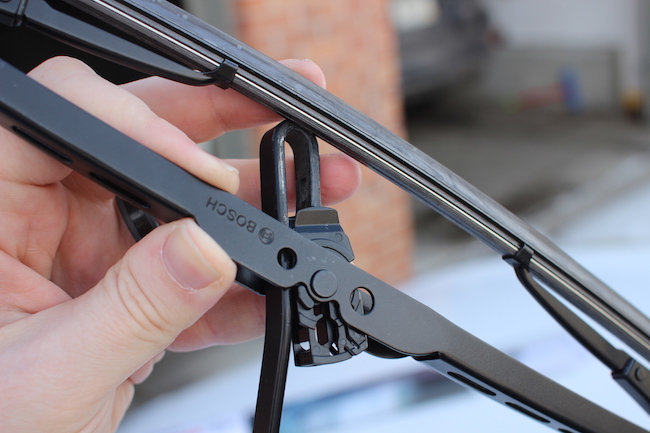
Release The Blade Connector
Look where the blade meets the wiper arm. Find the small tab or clip holding the blade. Press or pull the tab to unlock the blade. Do this with steady, light force.
Detach The Blade
Slide the blade downwards or outwards from the arm. The blade should come off easily after releasing the connector. Set the old blade aside for proper disposal.
Choosing The Right Replacement
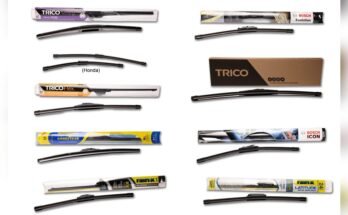
Choosing the right replacement wiper blades is key for clear vision. The proper fit ensures they work well and last long. It is important to check the size and type of blade before buying. This helps avoid mistakes and extra costs. Here are two main steps to guide you.
Check Blade Size
Start by measuring your current wiper blades. Use a tape measure or check your car’s manual. Most cars have two different blade sizes, one for each side. Buy blades that match these exact measurements. Too long or too short blades will not clean properly. Proper size helps the blade cover the windshield evenly.
Select Blade Type
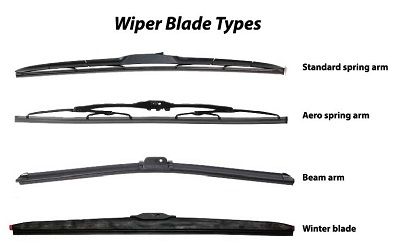
Choose a blade type that fits your weather conditions and car model. Standard frame blades are common and work well in mild weather. Beam blades have a sleek design and resist snow and ice better. Hybrid blades combine the best features of both types. Pick the type that matches your needs for safe driving.
Installing New Blades
Installing new wiper blades is a simple task that improves your car’s safety. Fresh blades clear rain and dirt better. Follow these steps to fit new blades correctly. This ensures a smooth wipe and longer blade life.
Attach The New Blade
Take the new blade out of its package carefully. Match the blade type with your car’s wiper arm. Slide the blade onto the arm’s hook or pin. Push it firmly until you hear a click. This means the blade is locked in place.
Secure The Connector
Check the connection between the blade and arm. Make sure it is tight and does not move. Some blades have a small locking tab. Press or slide the tab to lock the blade securely. Loose connectors cause the blade to fall off while driving.
Lower The Wiper Arm
Slowly lower the wiper arm back onto the windshield. Do this gently to avoid scratching the glass. Check that the blade rests flat against the windshield. A good fit helps the blade clear water evenly and quickly.
Testing The New Blades
Testing the new wiper blades is an important step after installation. It ensures they work well and keep your windshield clear. Proper testing helps you spot problems early and fix them quickly.
Check For Smooth Movement
Turn on your wipers and watch them move across the glass. They should glide smoothly without any jerking or skipping. If the blades move unevenly, they may need adjustment or reinstallation.
Inspect For Streaks
Look closely at the windshield after the blades pass. Clear glass means the blades wipe properly. Streaks or spots show the blades are not cleaning well. Check if the blades fit tightly to the arm.
Test In Different Conditions
Try the wipers with water or light rain. See how they perform on a wet windshield. Good blades clear water quickly without leaving marks. Test in various speeds to ensure consistent performance.
Maintenance Tips
Maintaining your wiper blades helps them last longer and work better. Simple care can save money and keep your windshield clear. Follow these easy tips to keep your blades in good shape.
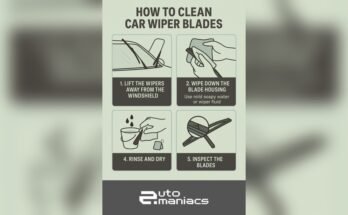
Clean Blades Regularly
Wipe the blades with a soft cloth and mild soap. Dirt and grime reduce their ability to clean. Clean blades glide smoothly and avoid streaks. Do this every few weeks for best results.
Avoid Harsh Conditions
Protect blades from extreme heat and cold. Park your car in the shade or garage. Avoid using wipers on a dry windshield. These habits prevent damage and extend blade life.
Frequently Asked Questions
How Do I Safely Remove Old Wiper Blades?
Lift the wiper arm away from the windshield. Press the release tab on the blade and slide it off the arm carefully to avoid damage.
When Should Wiper Blades Be Replaced?
Replace wiper blades every 6 to 12 months or when they streak, chatter, or leave smudges on the windshield.
What Tools Do I Need To Remove Wiper Blades?
No special tools are needed. Most wiper blades can be removed by hand using the release tab mechanism.
Can I Reuse Old Wiper Blades After Removal?
It’s not recommended to reuse old blades as they wear out. Always install new blades for optimal performance.
Conclusion
Removing old wiper blades keeps your windshield clear and safe. Clean blades wipe better and last longer. Changing them is quick and simple with the right steps. Regular checks help spot wear or damage early. Don’t wait for rain to test your blades.
A smooth wipe improves your driving vision. Keep your car ready for any weather. Taking a few minutes now saves trouble later. Clear glass means safer roads for everyone.