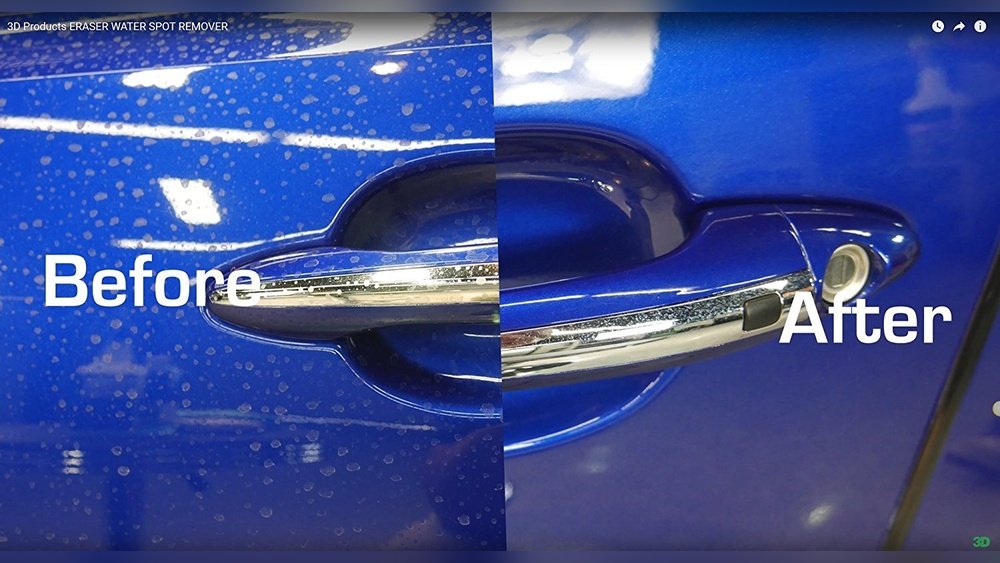
Have you ever noticed those annoying water spots on your car that just won’t go away? They might seem harmless, but over time, they can damage your car’s paint and make it look dull.
You want your car to shine and stand out, right? You’ll discover simple, effective ways to remove water spots quickly and keep your car looking fresh and clean. Keep reading—you’ll be surprised how easy it is to restore your car’s shine!
Causes Of Water Spots
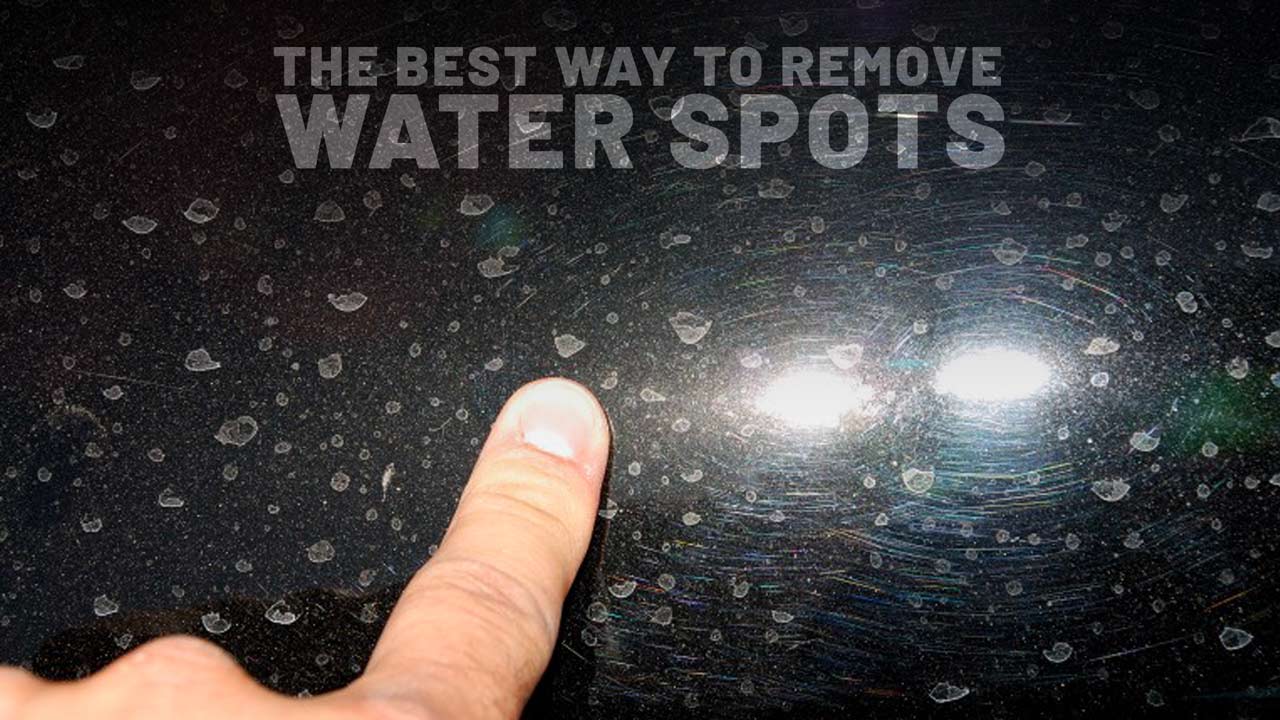
Water spots appear on cars after water dries and leaves marks. These marks look like small stains or rings on the paint. Understanding why water spots form helps prevent damage. Several causes lead to water spots on your car’s surface.
Minerals In Tap Water
Tap water contains minerals like calcium and magnesium. When water evaporates, these minerals stay on the car’s paint. Over time, they create visible white or cloudy spots. The harder the water, the more minerals it has. Using tap water for washing can leave these mineral deposits behind.
Environmental Factors
Dust, dirt, and pollution mix with water on your car. This mix can cause stains and spots after drying. Rainwater often contains acid and pollutants that harm the paint. Parking under trees may drop sap and pollen, worsening water spot problems. Outside elements increase the chance of water spots forming.
Neglecting Drying After Wash
Letting your car air dry after washing causes water spots. Water droplets sit on the surface and evaporate slowly. Minerals and dirt stay on the paint and create marks. Using a soft towel to dry your car prevents these spots. Skipping this step risks permanent stains on your car’s finish.
Tools And Materials Needed
Removing water spots from your car needs the right tools and materials. Using proper items helps protect your car’s paint. It also makes the cleaning process easier and more effective.
Gather these essentials before you start. Each tool has a special role to play. Together, they help restore your car’s shine and remove stubborn water spots.
Microfiber Towels
Microfiber towels are soft and gentle on your car’s surface. They absorb water well and prevent scratches. Use them to wipe off water spots and dry your car. Avoid regular cloths that can damage the paint.
Vinegar Solution
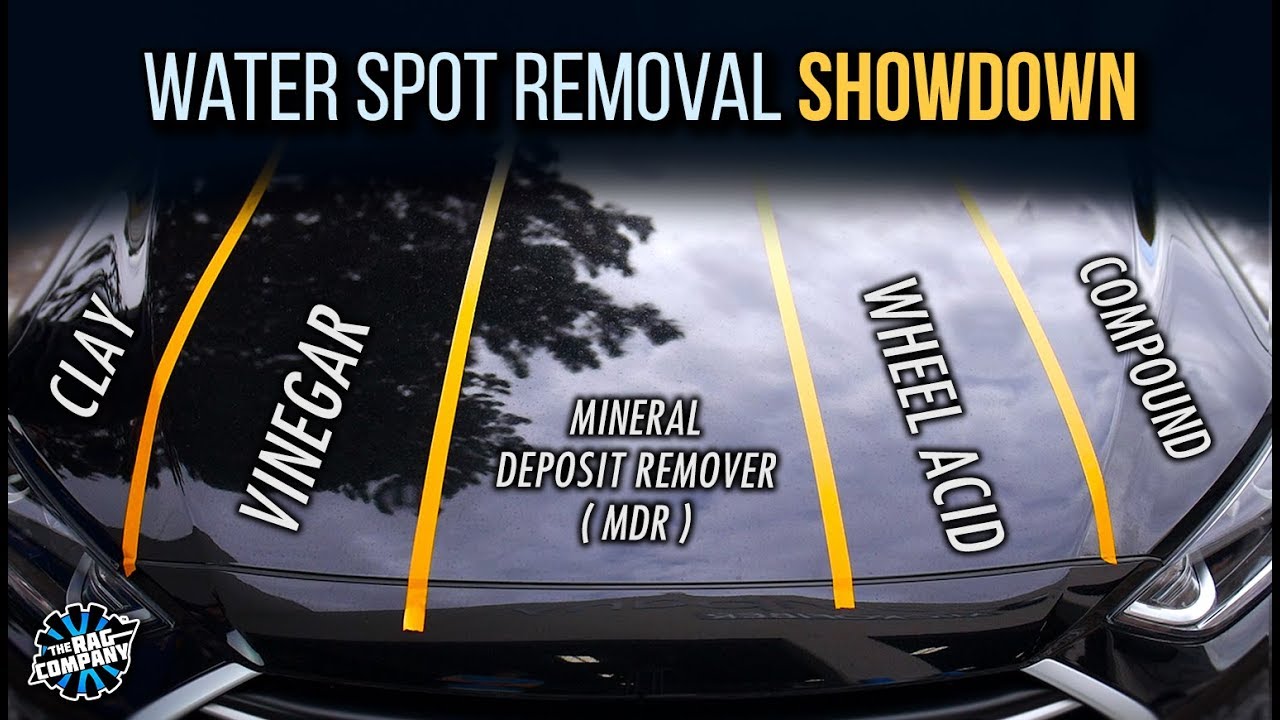
A vinegar solution helps break down mineral deposits in water spots. Mix white vinegar with water in equal parts. Apply it carefully to the spots using a spray bottle. This natural cleaner is safe and effective for most car paints.
Clay Bar Kit
A clay bar kit removes stubborn contaminants from the car’s surface. It glides over the paint, lifting off dirt and minerals. Use it after washing your car for a smooth finish. This tool helps remove water spots that do not come off easily.
Car Wax And Sealant
Car wax and sealant protect your paint after cleaning. They create a barrier against water and dirt. Applying wax makes water spots less likely to form again. Sealants provide longer-lasting protection and keep your car shiny.
Preparing Your Car
Preparing your car properly makes removing water spots easier and more effective. Start by clearing dirt and dust. This prevents scratches during cleaning. A clean surface helps spot removal products work better. Follow simple steps to get your car ready.
Rinse Thoroughly
Use a hose or bucket of water to rinse your car. Focus on areas with water spots and dirt. Rinsing removes loose grime that can scratch the paint. Avoid high-pressure sprays that may damage delicate parts. A gentle rinse is enough to wash away most debris.
Dry With Soft Towels
Dry your car using soft microfiber towels or cloths. These prevent scratches and swirl marks on the paint. Pat the surface gently instead of rubbing hard. Drying stops water from evaporating and leaving new spots. Make sure to dry all corners and crevices thoroughly.
Removing Fresh Water Spots
Fresh water spots can appear quickly on your car after rain or washing. These spots are easy to remove if treated soon. Acting fast prevents stains from setting on the paint.
Using simple household items and gentle care helps restore your car’s shine. Follow these steps to remove fresh water spots safely.
Using Vinegar And Water Mix
Mix equal parts of white vinegar and water in a spray bottle. Vinegar helps dissolve the minerals causing the water spots. Spray the solution on the affected areas. Let it sit for a few minutes, but do not let it dry. Use a clean cloth to wipe the spots gently. Rinse the area with water afterward. Dry the surface with a soft towel to prevent new spots.
Gentle Wiping Techniques
Use a soft microfiber cloth for wiping. Avoid rough materials that can scratch your car’s paint. Wipe in a circular motion with light pressure. This method removes spots without damaging the surface. Change the cloth if it gets dirty to avoid rubbing dirt on the paint. Always finish by drying the area completely.
Tackling Stubborn Water Spots
Stubborn water spots can ruin a car’s look. They leave marks that simple washing can’t fix. These spots form when minerals dry on the paint. Removing them takes special care and tools. This section shows how to tackle tough water spots safely.
Applying Clay Bar Treatment
Clay bars remove dirt and minerals stuck on the paint. Use a lubricant spray to avoid scratching. Rub the clay bar gently over the surface. You will feel the paint getting smooth as the clay works. This method clears many stubborn spots and restores shine.
Using Specialized Cleaners
Special cleaners target mineral deposits on the car. Choose products made for water spot removal. Follow the instructions carefully for best results. Apply the cleaner with a soft cloth or sponge. Let it sit for a few minutes before wiping off. These cleaners dissolve spots without harming the paint.
Protecting The Paint
Protecting your car’s paint is key to keeping it looking great. Water spots can damage the paint over time. They leave marks that are hard to remove later. Taking steps to protect the paint helps prevent these spots. It also keeps the car’s surface smooth and shiny.
Applying a protective layer can stop water spots from forming. It creates a barrier against dirt, water, and other elements. This layer makes cleaning easier and protects the paint from damage.
Applying Wax Or Sealant
Wax or sealant adds a strong shield over the paint. It repels water and stops spots from sticking. Use car wax or paint sealant made for your car type. Apply it in a cool, dry place for best results. Spread the wax evenly with a soft cloth. Let it dry and then buff for a shiny finish. This layer lasts for weeks or months, depending on the product. Regular application keeps your paint safe and glossy.
Regular Maintenance Tips
Wash your car often to remove dirt and minerals. Use a gentle car wash soap and soft sponge. Avoid harsh detergents that can strip wax layers. Dry the car with a clean microfiber towel after washing. This prevents water spots from forming. Park in shaded or covered areas to reduce water damage. Check the paint regularly for any spots or damage. Early care saves time and keeps the paint smooth.
Preventing Future Water Spots
Water spots can damage your car’s paint and reduce its shine. Preventing these spots saves time and keeps your car looking new. Simple steps can stop water spots from forming after washing or rain.
Proper Drying Methods
Always dry your car immediately after washing. Use a clean microfiber towel or a soft chamois cloth. Pat the surface gently instead of rubbing hard. This removes water before it evaporates and leaves spots. Avoid air drying because water drops leave minerals behind.
Choosing The Right Washing Spots
Wash your car in a shaded area. Sunlight heats the surface and dries water too fast. This quick drying causes spots. Avoid washing on hot, sunny days. Early morning or late afternoon is best for washing your car.
Using Water Repellent Products
Apply water repellent sprays or wax after washing. These products create a protective layer on the paint. Water beads up and rolls off easily. This reduces water spots and keeps your car cleaner longer. Reapply these products regularly for best results.

Frequently Asked Questions
How Do Water Spots Form On Cars?
Water spots form when minerals in water dry on a car’s surface. These minerals leave white, cloudy marks that can damage paint over time if not removed promptly.
What Household Items Remove Water Spots Effectively?
White vinegar and distilled water mixed equally work well. Spray, let sit briefly, then wipe with a microfiber cloth to dissolve mineral deposits safely.
Can Water Spots Damage My Car’s Paint?
Yes, water spots can etch and dull paint if left too long. Prompt removal helps preserve your car’s finish and prevents permanent damage.
How Often Should I Clean Water Spots From My Car?
Clean water spots as soon as you notice them. Regular washing and spot removal prevent buildup and maintain your car’s glossy appearance.
Conclusion
Water spots can harm your car’s paint if left alone. Cleaning them soon keeps your car looking fresh. Use gentle methods to avoid scratches or damage. Regular washing helps stop spots from forming again. A clean car shows you care and protects its value.
Try these tips to keep your car shiny and spot-free. Easy steps make a big difference over time. Your car will thank you with a smooth, bright finish.


