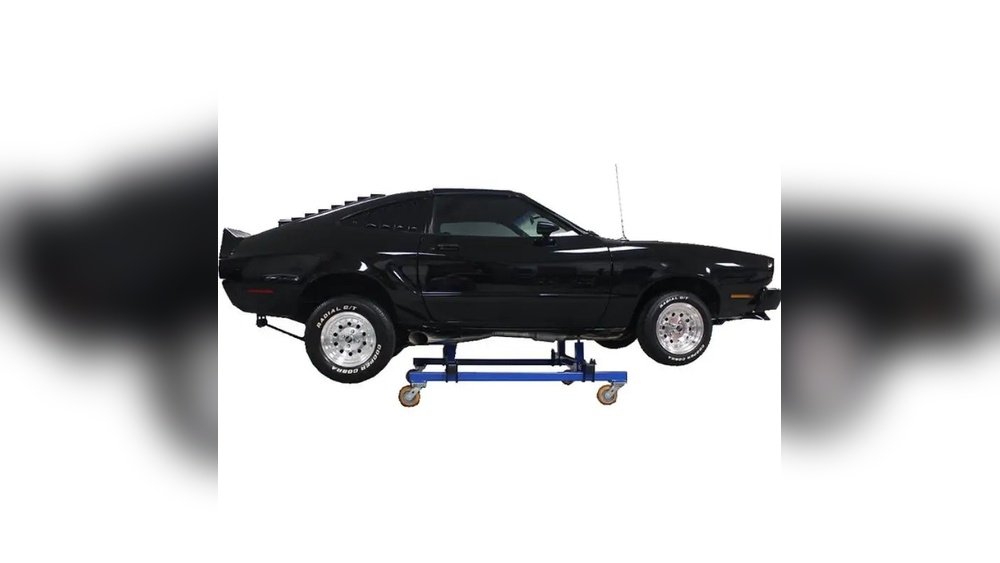
Lifting a car onto car dollies might sound tricky, but with the right steps, you can do it safely and easily. Whether you’re moving a vehicle in your garage or preparing it for transport, knowing how to lift your car correctly can save you time and prevent damage.
In this guide, you’ll discover simple tips and clear instructions that help you handle your car with confidence. Keep reading to learn how to protect both yourself and your vehicle every time you use car dollies.
Preparing The Work Area
Preparing the work area is the first step to safely lift a car onto car dollies. A clean and organized space reduces risks and makes the process smoother. Taking time to set up the right environment protects you and your vehicle.
Choosing A Level Surface
Pick a flat, hard surface for the car dollies. Avoid slopes or uneven ground. A level surface keeps the car steady and stops it from rolling. Concrete or asphalt are best options.
Clearing Obstacles
Remove all items near the work area. Tools, debris, and loose objects can cause trips or block movement. Clear space gives you room to move safely around the car.
Gathering Safety Gear
Wear gloves, safety glasses, and closed shoes. These protect your hands, eyes, and feet. Have wheel chocks ready to block the car’s wheels. Safety gear lowers the chance of injury during lifting.
Selecting The Right Car Dollies
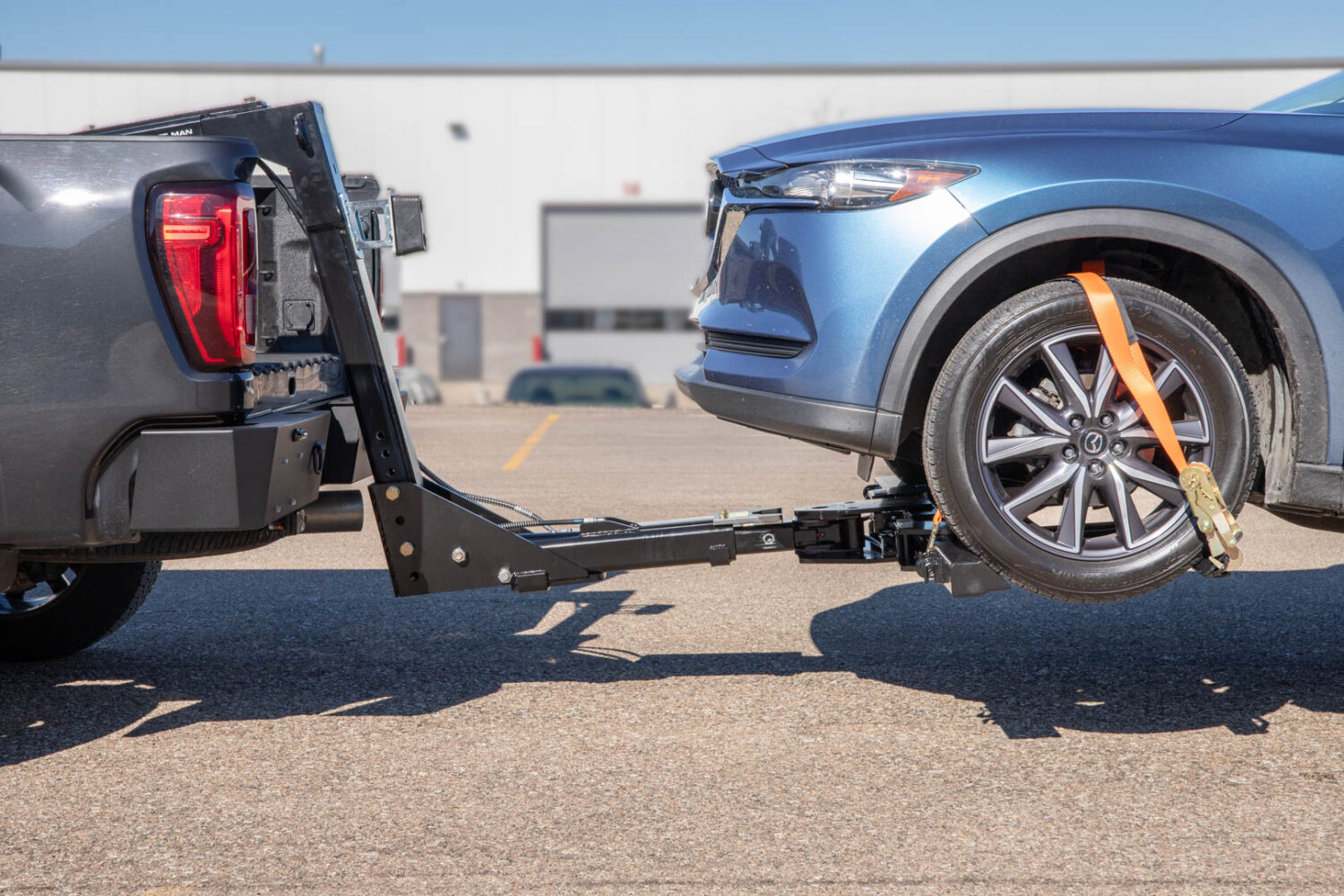
Selecting the right car dollies is key to lifting a car safely. The right dollies make the process easier and prevent damage. Choosing dollies that fit your car’s size and weight is important. Consider the type, capacity, and build quality before buying.
Types Of Dollies
Car dollies come in several types. Some have fixed platforms, while others have adjustable arms. Four-wheel dollies provide better stability. Single-wheel dollies are lighter but less stable. Choose based on your car size and the work you need.
Weight Capacity Considerations
Check the dollies’ weight limit carefully. Each dolly has a maximum load it can hold. The total capacity should exceed your car’s weight. Using dollies with low capacity can cause accidents. Always pick dollies with a safe margin above your car’s weight.
Quality And Durability
Strong materials ensure safe lifting. Steel or heavy-duty aluminum dollies last longer. Poor-quality dollies may bend or break under pressure. Look for smooth wheels and solid construction. Good dollies provide stability and make moving cars easier.
Positioning The Dollies
Positioning the dollies correctly is the first key step to safely lift a car. This step makes sure the car stays balanced and secure. Taking your time here helps avoid accidents and damage. Focus on placing the dollies right under the tires. Check that each dolly is ready to hold the car’s weight. Follow these tips to position the dollies well.
Aligning Dollies With Tires
Place each dolly close to a tire. The dolly must line up with the tire’s center. This keeps the car steady. Make small moves to get the dolly right under the tire. Check from the front and side to see the alignment. Avoid placing the dolly too far inside or outside. The tire should rest fully on the dolly’s platform.
Adjusting Dollies For Stability
After alignment, adjust the dollies to hold the car firmly. Lock the wheels of each dolly to stop them from moving. Check the height of the dollies and adjust if needed. The car should stay level and not tilt. Make sure the dollies do not wobble. Test stability by gently rocking the dolly. Secure all adjustments before lifting the car.
Lifting The Car Safely
Lifting a car safely is the first step to placing it on car dollies. Careful handling keeps you and the vehicle safe. Follow these steps to lift the car properly and avoid damage or injury.
Using A Hydraulic Jack
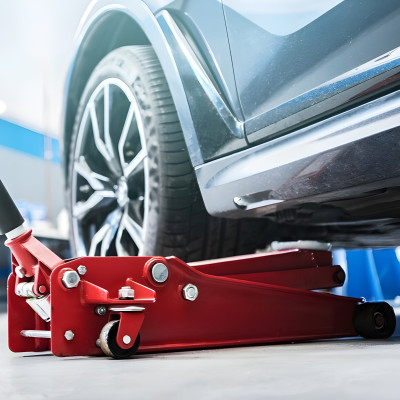
Start by placing the hydraulic jack under a strong part of the car frame. Avoid weak spots like plastic or rusted areas. Pump the jack handle slowly to raise the car. Stop if you feel any resistance or instability. Keep the jack steady and centered.
Placing Jack Stands
Once the car lifts, slide jack stands under the car near the jack. Use stands rated for your car’s weight. Adjust stands to the right height. Lower the car gently onto the stands. Never rely on the jack alone to hold the car.
Raising The Car Gradually
Lift the car slowly and evenly to avoid sudden shifts. Pause often to check stability. Make sure the car stays balanced on the jack and stands. Stop if the car wobbles or moves. Safety is more important than speed.
Rolling The Car Onto Dollies
Rolling the car onto dollies requires focus and care. This step helps move the car safely without damage. It also makes transporting the car easier and prevents tire wear. Use slow, steady movements to keep control. Pay close attention to alignment and balance. Follow these steps to roll the car onto the dollies smoothly and securely.
Checking Dolly Placement
Place the dollies under the car’s tires carefully. Make sure each dolly is centered under the tire. The dolly should sit flat on the ground. Check that the dolly locks or brakes are off. This allows the dollies to roll freely as you move the car. Confirm the dollies are strong enough for the car’s weight.
Moving The Car Slowly
Push or drive the car very slowly onto the dollies. Use a spotter to guide you if possible. Keep your eyes on the tires and dollies. Stop immediately if the tire slips off the dolly. Small adjustments keep the car balanced. Avoid sudden movements or sharp turns. Slow motion reduces the risk of damage or accidents.
Securing The Car On Dollies
After the car is fully on the dollies, lock each dolly in place. Use straps or wheel chocks to secure the tires. Ensure the car cannot roll or shift during transport. Double-check that all locks and straps are tight. Confirm stability by gently rocking the car. Secure the car well to keep it safe during moves.
Safety Tips To Remember
Safety is the top priority when lifting a car onto car dollies. Taking simple steps can prevent accidents and damage. Follow these key safety tips to keep the process smooth and secure.
Each tip helps protect you and your vehicle. Stay alert and prepared before you start lifting.
Avoiding Common Mistakes
Never rush the lifting process. Check that the dollies are properly positioned under the car. Avoid lifting on uneven or soft ground. Make sure the car is in neutral and the parking brake is off. Double-check that the dolly locks are engaged before moving the car. Small errors can cause big problems.
Working With A Partner
Always have a helper nearby. One person can guide the car onto the dollies. The other can watch for safety issues. Use clear signals or simple words to communicate. Two sets of eyes reduce the chance of mistakes. Teamwork makes the job safer and easier.
Regular Equipment Inspection
Check dollies for cracks, rust, or worn parts before use. Inspect wheels for smooth rolling and proper locking. Replace damaged parts immediately. Clean the equipment to prevent slipping. Well-maintained dollies keep the car stable and secure. Regular checks avoid breakdowns during lifting.

Frequently Asked Questions
How Do I Prepare A Car Before Lifting It Onto Dollies?
Before lifting, ensure the car is in park with the parking brake engaged. Remove loose items and check tire pressure. Clear the area around the car for safety and inspect dollies for any damage or defects.
What Tools Are Needed To Lift A Car Onto Dollies?
You need sturdy car dollies, a hydraulic jack, and wheel chocks. Safety gloves and a level surface also help. These tools ensure stability and safety during the lifting process.
How To Position Car Dollies Correctly Under The Car?
Place dollies under each tire, aligning them with the wheel center. Ensure dollies are evenly spaced and locked to prevent movement. Proper positioning avoids damage and maintains balance while moving the car.
What Safety Precautions Should I Take When Lifting A Car?
Always use a flat, stable surface and wear safety gear. Double-check jack placement and never work under a lifted car unsupported. Follow manufacturer guidelines for dollies to avoid accidents.
Conclusion
Lifting a car onto dollies takes care and focus. Always check your tools and work on flat ground. Use proper lifting points to keep the car safe. Take your time and avoid rushing the process. Stay alert and keep hands clear from pinch spots.
With patience and the right steps, you can move your car safely. Safety matters most—don’t skip any steps. Now, you are ready to use car dollies with confidence.


