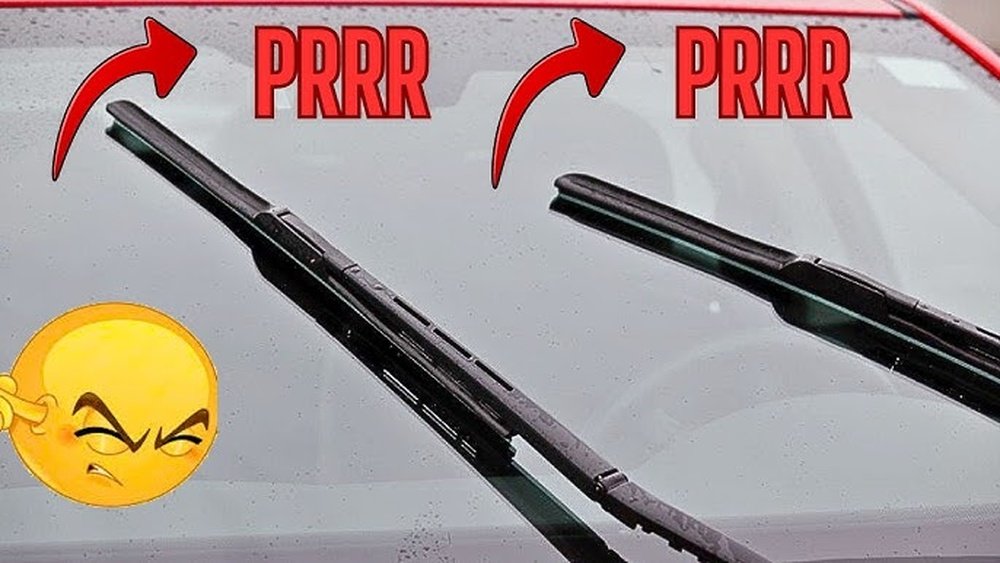
Are your wiper blades making that annoying squeaking or chattering sound every time it rains? It’s frustrating, isn’t it?
Not only does the noise distract you, but it can also mean your windshield isn’t getting cleaned properly. You don’t have to put up with this any longer. You’ll discover simple, effective ways to stop your wiper blades from making noise—so you can drive safely and comfortably, no matter the weather.
Keep reading, because fixing this problem is easier than you think!

Causes Of Noisy Wiper Blades
Wiper blades that make noise can be annoying and distracting while driving. Understanding the causes helps fix the problem quickly. Several common issues lead to noisy wiper blades. Knowing these causes ensures smoother, quieter wiping.
Worn Out Blades
Old wiper blades lose their flexibility and smoothness. The rubber becomes hard and cracked. This causes the blades to scrape the glass instead of gliding. Worn blades often make a squeaking or chattering sound.
Dirty Windshield Or Blades
Dust, dirt, and grime on the windshield or blades cause noise. The debris creates friction between the blade and glass. This noise increases during wiping, especially in dry conditions. Cleaning both surfaces reduces the sound significantly.
Incorrect Installation
Improperly installed blades may not sit flat on the windshield. This causes uneven pressure and noise during wiping. The blade can skip or chatter across the glass. Checking the fit and position prevents these issues.
Dry Or Cracked Rubber
Rubber that is dry or cracked loses its smooth contact with glass. It can drag and make squeaky or scraping noises. Exposure to sun and cold weather speeds up rubber damage. Replacing old rubber keeps wiping quiet and effective.
Poor Blade Alignment
Blades that are misaligned do not sweep the windshield evenly. This causes gaps and inconsistent wiping pressure. The blade may chatter or skip, creating noise. Proper alignment ensures smooth, silent operation.
Cleaning Techniques To Reduce Noise
Cleaning your wiper blades and windshield can stop annoying noises. Dirt, dust, and grime cause blades to squeak or skip. Simple cleaning steps help blades glide smoothly across the glass. This section explains easy cleaning methods to reduce wiper blade noise.
Cleaning The Windshield
Start by washing your windshield with water and mild soap. Use a soft cloth or sponge to remove dirt and dust. Rinse well with clean water to avoid streaks. A clean windshield lets wiper blades work quietly and efficiently.
Wiping The Blades
Lift the wiper blades away from the glass. Use a damp cloth to wipe each blade gently. Remove any dirt, bird droppings, or tree sap stuck on the rubber. Clean blades make better contact and reduce noise during wiping.
Using Vinegar Or Rubbing Alcohol
Moisten a cloth with white vinegar or rubbing alcohol. Wipe the rubber edge of the wiper blades carefully. These liquids break down stubborn grime and oils on the blades. Regular cleaning with vinegar or alcohol keeps blades silent and effective.
Adjusting And Aligning Blades
Adjusting and aligning wiper blades helps stop annoying noises. Proper alignment ensures smooth wiping and better visibility. Misaligned blades can cause squeaking, skipping, or streaking. Simple checks and corrections improve blade performance and extend their life.
Checking Blade Position
Start by lifting the wiper arm away from the windshield. Look at the blade’s edge to see if it sits flat. The entire blade should touch the glass. Bent or twisted blades cause uneven contact and noise. Also, check the wiper arm angle. It should press the blade firmly but not too hard.
Realigning For Proper Contact
Gently bend the wiper arm to adjust blade angle. Small movements make a big difference. Align the blade so it wipes evenly across the glass. Make sure the blade edge is straight and not curled. Test the wipers by turning them on. Listen for any noise and watch for smooth motion. Repeat adjustments until the noise stops and the wipe is clean.
Replacing Wiper Blades
Replacing wiper blades is a simple way to stop that annoying noise. Old or worn blades often cause squeaking or chattering sounds. Fresh blades wipe smoothly and quietly. Changing them regularly keeps your windshield clear and improves safety. The process takes only a few minutes and needs no special tools.
Choosing The Right Blades
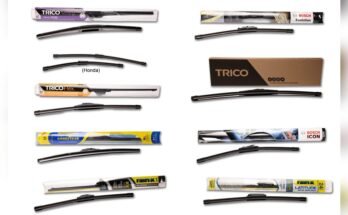
Pick blades that fit your vehicle’s make and model. Check your owner’s manual or measure the old blades. Choose the correct length for both driver and passenger sides. Look for blades made of durable rubber or silicone. These materials last longer and reduce noise. Some blades have a special coating to repel water. This helps improve visibility during rain.
Step-by-step Replacement Guide
First, lift the wiper arm away from the windshield. Hold the blade and press the small tab where it connects. Slide the blade down to remove it from the arm. Take your new blade and align it with the arm hook. Slide it up until you hear a click. Gently lower the wiper arm back to the windshield. Test the new blades by turning on the wipers. They should move smoothly without noise or streaks.
Lubrication Tips For Smooth Operation
Keeping wiper blades quiet is simple with the right lubrication. Proper lubrication reduces friction between the blade and the windshield. It also helps the blades move smoothly. This prevents annoying squeaking sounds and extends blade life. Use the correct products and techniques for best results.
Applying Silicone Spray
Silicone spray works well for wiper blades. It creates a thin, slippery layer on the rubber. Spray a small amount on a clean cloth. Then, gently wipe along the blade’s edge. Avoid spraying directly on the windshield. Let the silicone dry before using the wipers again. This method keeps blades flexible and quiet.
Avoiding Petroleum-based Products
Petroleum-based products can harm wiper blades. They cause the rubber to dry out and crack. Avoid using oils, grease, or other petroleum liquids. These products reduce blade life and worsen noise issues. Stick to silicone-based lubricants for the best care. Protect your blades with safe, proper lubrication only.

Preventive Maintenance Tips
Preventive maintenance keeps wiper blades working quietly and smoothly. Small steps can stop noise before it starts. Regular care extends the life of your wipers. It also keeps your windshield clear and safe.
Regular Cleaning Schedule
Clean wiper blades every two weeks. Use a soft cloth and mild soap with water. Wipe the rubber gently to remove dirt and grime. Dirty blades cause noise and streaks on glass. Clean blades help clear rain and debris well.
Inspecting For Damage
Check blades for cracks or tears often. Look for hard or brittle rubber edges. Damaged blades scrape the glass and make noise. Replace blades if you find any damage. Good blades glide smoothly across your windshield.
Storing Blades During Winter
Lift wiper blades off the glass in cold months. Cold weather can freeze blades to the windshield. Frozen blades can tear or bend when used. Store blades in a warm place if possible. This keeps rubber soft and noise-free in winter.

Frequently Asked Questions
Why Do Wiper Blades Make Noise Sometimes?
Wiper blades make noise due to dirt, debris, or worn rubber. Lack of lubrication or dry windshield surfaces also cause squeaking. Regular cleaning and proper maintenance reduce noise and improve performance.
How Can I Stop Wiper Blades From Squeaking?
Clean both blades and windshield with mild soap and water. Replace old or cracked blades promptly. Applying silicone-based lubricant on the blade edges helps reduce friction and noise.
Does Windshield Condition Affect Wiper Blade Noise?
Yes, a dirty or rough windshield surface increases friction causing noise. Regularly cleaning the windshield and repairing chips or scratches helps maintain smooth blade movement.
When Should I Replace Noisy Wiper Blades?
Replace wiper blades every 6-12 months or when streaking and noise start. Old, hardened rubber fails to clean properly and causes loud squeaking sounds.
Conclusion
Stopping wiper blades from making noise is simple with the right steps. Clean blades and windshield often. Replace old blades on time. Use proper wiping techniques. These small actions help your wipers work quietly and clearly. A smooth wipe makes driving safer and more comfortable.
Keep these tips in mind to avoid annoying sounds. Your car deserves quiet, effective wipers every time it rains.