Are your car speakers not sounding as clear or powerful as they used to? You might be wondering if they’re working properly or if it’s time for an upgrade.
Testing your car speakers doesn’t have to be confusing or expensive. In fact, with a few simple steps, you can find out exactly how well your speakers are performing. Keep reading, and you’ll learn easy ways to check your car speakers so you can enjoy the best sound quality on every drive.
Prepare Your Testing Setup
Start by turning off the car and disconnecting the speakers carefully. Gather a multimeter and audio source for accurate testing. Make sure the environment is quiet to hear sound clearly during the test.
Gather Necessary Tools
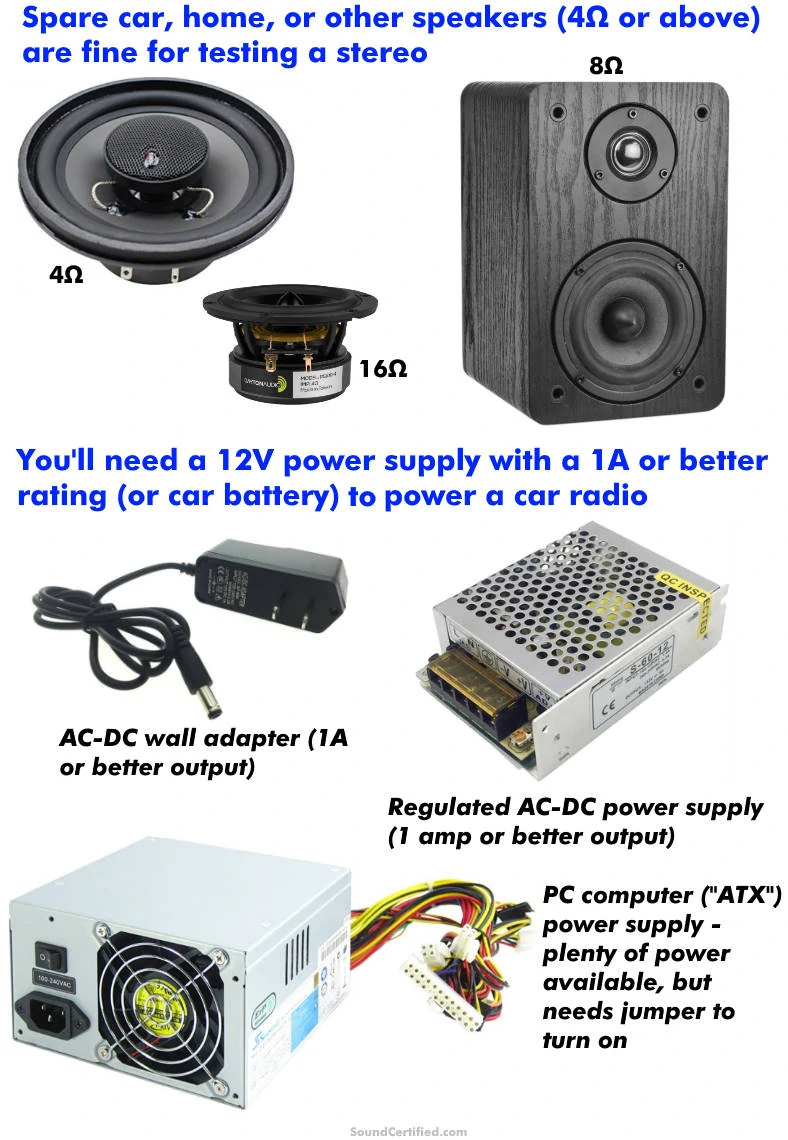
Start by collecting all tools needed for testing your car speakers. A smartphone or MP3 player works well to play test sounds. Bring a variety of audio cables to connect your device to the car stereo. A screwdriver can help remove speaker covers or panels if needed. Have a notepad ready to jot down any issues or observations. Keep the car stereo manual nearby for reference. Prepare a quiet environment to hear the speakers clearly.
Choose The Right Music Tracks
Select music tracks that cover a wide range of sounds. Pick songs with clear vocals to test midrange speakers. Use tracks with strong bass beats to check low frequencies. Include songs with high-pitched instruments for treble testing. Choose familiar songs to easily spot sound differences. Avoid music with heavy distortion or poor quality. Play each track at different volumes to evaluate speaker performance.
Inspect Speaker Connections
Inspecting speaker connections is a key step in testing car speakers. Loose or damaged connections can cause poor sound or no sound at all. Checking these connections helps spot issues early and keeps your audio clear. Simple checks can save you time and money on repairs.
Check Wiring And Terminals
Start by examining the wires that connect your speakers. Look for any cuts, frays, or exposed wires. Make sure wires are firmly attached to the terminals. Loose wires can cause crackling or no sound. Use your fingers to gently wiggle wires and test their stability. Tighten any loose connections to ensure good contact.
Look For Physical Damage
Inspect terminals and connectors for corrosion or rust. Corroded parts can block signals and reduce sound quality. Check the speaker terminals for bent or broken pins. Also, see if the wire insulation is cracked or worn. Physical damage can cause short circuits or signal loss. Replace damaged parts to keep your system working well.
Conduct Sound Tests
Conducting sound tests is a key step to check car speakers. It shows how well speakers deliver audio. Testing helps find issues early. It also ensures speakers work as expected. This step requires careful listening and different sound samples.
Play Various Frequencies
Use audio tracks with different frequencies. Low bass sounds test deep tones. Midrange sounds check voices and instruments. High frequencies reveal treble clarity. Play each frequency separately to hear details. This method helps spot weak or missing ranges.
Listen For Distortion And Clarity
Listen closely for any sound distortion. Distortion sounds like crackling or buzzing. Clear sound means no unwanted noise. Check if voices sound natural and smooth. Crisp music shows good speaker quality. Distortion can mean speaker damage or poor connection.

Adjust Speaker Settings
Adjusting your car speaker settings helps you hear music clearly and enjoy every sound. Proper settings improve bass, treble, and overall sound balance. Small changes make a big difference in sound quality.
Tune Equalizer Settings
The equalizer lets you control different sound frequencies. You can increase bass for deeper sounds or boost treble for clearer highs. Start with all settings flat, then adjust slowly. Listen to different music types to find the best balance. Avoid extreme changes to prevent sound distortion.
Balance And Fade Controls
Balance controls sound between left and right speakers. Fade adjusts sound from front to back seats. Set balance to center for equal sound on both sides. Adjust fade to focus sound where you sit. These controls help create a natural sound space inside your car.
Use Diagnostic Tools
Testing car speakers with diagnostic tools gives clear and accurate results. These tools help find problems fast. They check if the speakers work correctly. Using the right tools can save time and effort. Here are two useful tools to test your car speakers.
Employ Multimeter For Continuity
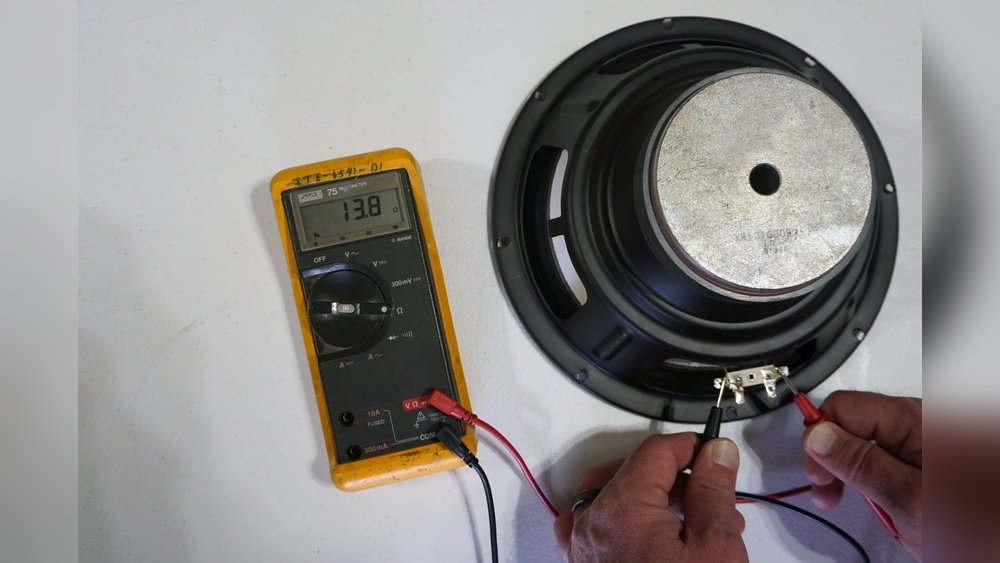
A multimeter checks if the speaker wires and coils are connected well. Set the multimeter to continuity mode. Touch the probes to the speaker terminals. A beep or low resistance means the circuit is complete. No sound or high resistance shows a break or fault. This test helps find broken wires or damaged speaker parts.
Use Sound Level Meter
A sound level meter measures how loud the speaker plays sound. Play a test tone through the speaker. Hold the meter near the speaker cone. Check the decibel reading on the meter. Compare the result with the speaker’s normal range. Low or no sound means the speaker may be weak or broken. This tool helps check speaker volume and performance easily.

Troubleshoot Common Issues
Troubleshooting common issues helps keep car speakers working well. Small problems can affect sound quality and listening pleasure. Knowing how to spot and fix these issues saves time and money. This section explains how to find buzzing or rattling sounds. It also covers fixing imbalanced audio output for clear sound.
Identify Buzzing Or Rattling Sounds
Buzzing or rattling sounds often come from loose parts. Check speaker cones for tears or damage. Tighten screws and mounting brackets around the speaker. Look for any foreign objects near the speaker area. Test different songs to see if the noise changes. This helps find if the problem is with the speaker or wiring.
Fix Imbalanced Audio Output
Imbalanced sound means one speaker is louder or clearer than another. Check the car’s audio settings first. Adjust balance and fade controls to center the sound. Swap speaker wires to test if wiring causes the issue. Replace damaged wires or connectors. Ensure speakers have the same power and type for better balance.
Frequently Asked Questions
How Do I Check If Car Speakers Are Working?
Play music through your car stereo and listen for clear sound. If there’s no sound, inspect wiring and connections. Use a multimeter to check speaker resistance and ensure proper function.
What Tools Are Needed To Test Car Speakers?
You need a multimeter, a test audio source, and speaker wiring tools. These help measure speaker resistance and confirm sound output accuracy.
Can I Test Car Speakers Without Removing Them?
Yes, you can test speakers by playing audio at different volumes. Listen for distortion or crackling, indicating speaker issues without removal.
What Is A Multimeter Reading For Good Car Speakers?
A good speaker typically shows 4 to 8 ohms resistance on a multimeter. Readings outside this range suggest possible speaker damage or wiring problems.
Conclusion
Testing car speakers helps find sound problems fast. Use simple tools like a phone or music player. Play different sounds to hear bass, mids, and highs clearly. Check each speaker one by one for best results. Fix issues early to keep your music clear and strong.
Regular tests keep your car sound system working well. Enjoy every drive with great audio quality. Easy steps save time and money on repairs. Testing speakers makes sure you get the sound you want. Try these tips to hear the difference today.