Are you struggling to get the perfect sound in your music or recordings? Using EQ presets can be a game-changer for you.
They help shape your audio quickly and easily, even if you’re not an expert. Imagine saving hours of tweaking and still sounding professional. You’ll discover exactly how to use EQ presets to improve your sound instantly. By the end, you’ll feel confident making your tracks stand out.
Keep reading to unlock the secret to better audio with less effort.

What Are Eq Presets
EQ presets are ready-made settings for equalizers in audio software or devices. They adjust sound frequencies automatically to change how music or audio sounds. These presets help users quickly improve audio without deep technical knowledge.
Using EQ presets saves time. They provide a starting point for sound adjustments. Users can select a preset that matches their needs and then fine-tune it if needed. This makes audio editing easier for beginners and pros alike.
What Eq Presets Do
EQ presets change the balance of bass, midrange, and treble sounds. Each preset targets certain sound qualities. For example, a “Bass Boost” preset raises low frequencies to make bass stronger. A “Vocal” preset highlights mid frequencies to make voices clearer.
Where To Find Eq Presets
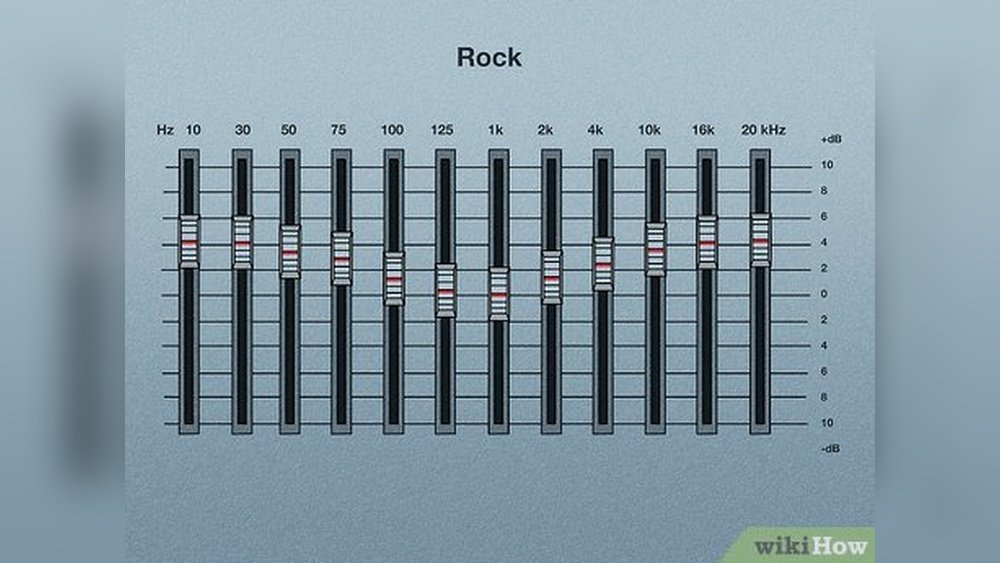
Most music players, audio editors, and smartphones include EQ presets. They come built-in or can be downloaded. Some apps offer custom presets designed for specific music genres like rock, jazz, or pop. This variety helps users find the best sound for their audio.
How Eq Presets Help Audio Editing
EQ presets simplify the editing process by providing expert settings. They guide users to improve sound quality fast. Presets also maintain consistency across different songs or recordings. This helps create a smooth listening experience.
Why Use Eq Presets
EQ presets save time and effort in audio editing. They offer ready-made settings that fit common sound types. This helps users achieve good sound quickly. Beginners and pros both benefit from these presets. They reduce guesswork and make sound clearer and balanced.
What Are Eq Presets?
EQ presets are saved equalizer settings. Each preset adjusts specific frequencies for a sound type. For example, presets for vocals, guitars, or bass. Users select a preset and apply it with one click. This changes the sound to fit the preset style.
How Eq Presets Improve Workflow
EQ presets speed up the editing process. No need to adjust every band manually. This allows more focus on creativity and other tasks. Presets provide a solid starting point for further fine-tuning. They help keep consistency across multiple tracks.
Benefits For Beginners
New users may not know how to set EQ correctly. Presets guide them to better sound without deep knowledge. They learn what works by hearing and comparing presets. This builds confidence and skill over time.
Ensuring Sound Quality
EQ presets help maintain clear and balanced audio. They reduce unwanted frequencies like muddiness or harshness. Applying presets can improve overall sound quality quickly. This makes the final mix more pleasant to listen to.
Types Of Eq Presets
EQ presets come in different types to suit various audio needs. They help shape sound quickly and easily. Knowing the types of EQ presets can improve your music or audio projects. Each type targets specific sounds or styles.
Genre-based Presets
Genre-based presets adjust sound for specific music styles. They boost or cut frequencies common in genres like rock, jazz, or hip-hop. These presets save time by setting the right tone fast. They give your track the typical sound of the chosen genre.
Instrument-specific Presets
Instrument-specific presets focus on particular instruments. Guitars, drums, and bass each have unique frequency ranges. These presets enhance the instrument’s natural sound and reduce unwanted noise. They make instruments clear and balanced in a mix.
Vocal Presets
Vocal presets tailor EQ settings for different voice types. They highlight important vocal frequencies and reduce muddiness. These presets help vocals sit well in the mix without extra effort. They work for singing, speaking, or podcast voices.
Choosing The Right Eq Preset
Choosing the right EQ preset can make your music sound better quickly. Presets give a starting point for shaping sound. Picking the right one depends on the track and the sound you want. Understanding how to select presets helps you get a clear and balanced mix.
Match Presets To Your Track
Each track has unique needs. A preset for vocals may not suit drums or guitars. Listen to the track carefully before choosing a preset. Find a preset designed for the instrument or vocal style you use. This helps keep the sound natural and fitting.
Consider Frequency Ranges
EQ presets affect different frequency ranges. Some boost lows, others cut highs. Know which frequencies need attention in your track. Use presets that target those areas. This makes your sound clearer and avoids muddy mixes.
Avoid Overusing Presets
Presets are starting points, not final fixes. Using too many presets can make your track sound artificial. Adjust presets gently to fit your track. Trust your ears and tweak settings for the best result. This keeps your music fresh and balanced.
How To Apply Eq Presets
Applying EQ presets helps shape your sound quickly and easily. These presets give you a starting point for equalizing your tracks. You can load them, adjust settings, and compare with your original sound. This process saves time and improves your mix.
Loading Presets In Your Daw
Open your digital audio workstation (DAW). Find the EQ plugin on your track. Look for a preset menu or a button labeled “Load.” Click it to see a list of available presets. Select one that fits your track’s style or instrument. The preset settings will load instantly. Play your track to hear the effect.
Adjusting Presets For Your Mix
Presets are a starting point, not a final setting. Listen to your track carefully. Use the EQ controls to adjust frequencies and gain. Cut or boost areas that need more clarity or warmth. Make small changes to avoid over-processing. Tailor the preset to match your song’s unique sound.
Using Bypass To Compare
Most EQ plugins have a bypass button. Click it to turn the EQ effect off. Listen to your track without the preset. Then click bypass again to hear the EQ applied. This lets you compare the original and processed sound. Use bypass often to check your changes. It helps keep your mix balanced and natural.
Customizing Eq Presets
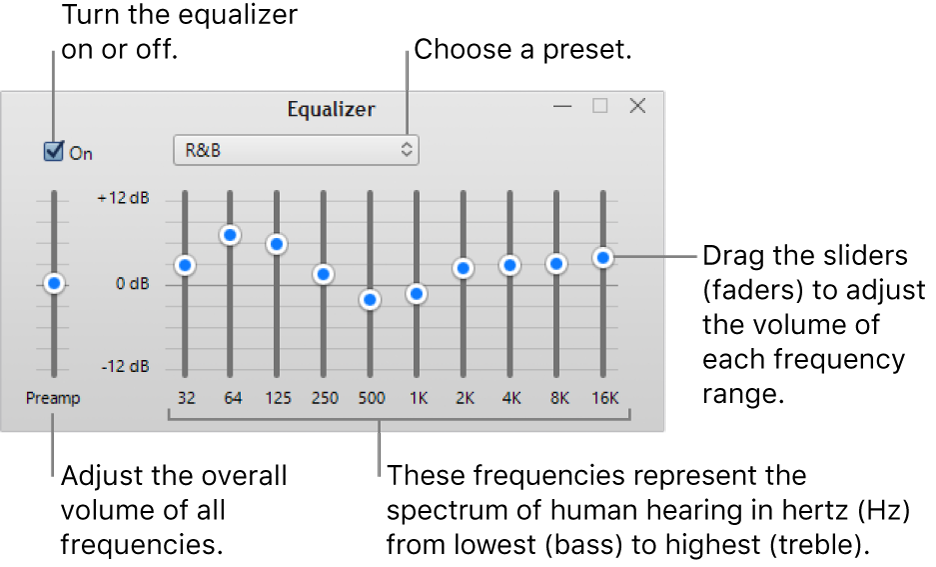
Customizing EQ presets lets you shape sound to fit your needs. It helps improve audio quality by adjusting specific parts of the sound. You can change settings like frequencies and gain to make music or voice clearer and balanced. This section explains how to tweak EQ presets for better results.
Tweaking Frequency Bands
Frequency bands control different parts of the sound. You can raise or lower these bands to change the tone. For example, boost bass for deeper sound or reduce highs to soften sharp noises. Small changes can make a big difference in how audio feels.
Balancing Gain And Q Factor
Gain controls the volume of a frequency band. Increasing gain makes that sound louder. The Q factor controls the width of the affected frequency range. A higher Q means a narrow change, and a lower Q affects a wider range. Balancing gain and Q helps create a smooth sound.
Saving Your Own Presets
Once you find the perfect settings, save your preset for future use. Saving presets saves time and keeps your favorite sound settings. Most EQ tools let you name and store these presets. This way, you can quickly apply your custom sound anytime.
Common Mistakes With Eq Presets
EQ presets can be helpful tools for shaping your sound quickly. Yet, many users fall into common traps that reduce their effectiveness. Recognizing these mistakes can improve your mixing skills and make your tracks sound clearer and more balanced.
Relying Too Much On Presets
Presets are starting points, not final solutions. They cannot fit every song perfectly. Using them without changes can make your mix sound generic. Always adjust presets to suit your specific track. Trust your ears more than the preset settings.
Ignoring Context Of The Mix
Each instrument and vocal needs different EQ settings. A preset might work well on one sound but clash with others. Listen to the whole mix before applying any preset. Adjust EQ based on the role of each sound in the song.
Over-boosting Frequencies
Boosting frequencies too much can cause distortion and harshness. It makes the mix tiring to listen to. Use cuts more than boosts to create space. Small changes often bring better results than extreme boosts.
Tips For Perfect Sound Mixing
Perfect sound mixing needs careful use of EQ presets. These tips help you shape your audio clearly and nicely. Good mixing makes each sound clear and balanced. You want every instrument and voice to stand out without clashing.
Start With A Clean Mix
Begin by removing unwanted noise or sounds. Silence any tracks you do not use. Fix volume levels so nothing is too loud or soft. Clear audio makes EQ presets work better. It helps you hear changes more clearly.
Use Eq To Create Space
EQ can carve out space for each sound in the mix. Cut frequencies that overlap between instruments. Boost important tones to make sounds distinct. This avoids muddiness and confusion in your mix. Create room so each element is heard.
Combine Eq With Other Effects
EQ works well with effects like reverb and compression. Use compression to control volume changes. Add reverb to give sounds a sense of space. Together, they make your mix more natural and full. Balance EQ with effects for best results.
Tools And Plugins For Eq Presets
EQ presets help shape the sound quickly and easily. The right tools and plugins make using these presets simple. They offer control, flexibility, and quality to your audio projects. Choosing the right EQ plugin or hardware can improve your workflow and final mix.
Popular Eq Plugins With Presets
Many EQ plugins come with built-in presets to start with. FabFilter Pro-Q 3 offers clear sound and many preset options. Waves Q10 is a classic choice with versatile settings. iZotope Ozone includes EQ presets suited for mastering. These plugins help users save time and achieve good results fast.
Free Vs Paid Options
Free EQ plugins provide basic features and some presets. Examples include TDR Nova and Melda MEqualizer. Paid plugins usually offer more presets and better sound quality. They often include extra tools like spectrum analyzers. Beginners can start with free versions and upgrade later.
Integrating Hardware Eqs
Hardware EQs bring a unique sound to your audio. They can be used alongside software plugins for better tone. Connect hardware EQs through audio interfaces or mixers. Use preset settings on hardware units for quick adjustments. Combining hardware and software offers more control and creativity.
Frequently Asked Questions
What Are Eq Presets And Why Use Them?
EQ presets are pre-configured equalizer settings for audio tracks. They save time and improve sound quality by adjusting frequencies quickly. Using presets helps beginners achieve professional audio without deep technical knowledge.
How Do I Apply Eq Presets In My Daw?
To apply EQ presets, open your DAW’s equalizer plugin. Select the desired preset from the preset menu. Adjust settings if needed to fit your track’s unique sound and enhance overall mix quality.
Can Eq Presets Improve My Vocal Recordings?
Yes, EQ presets specifically designed for vocals can enhance clarity and presence. They reduce unwanted frequencies and boost important ones, making vocals sound more professional and polished in your mix.
Are Eq Presets Suitable For All Music Genres?
EQ presets can be genre-specific but often work as a starting point. Customize presets to match your music style for the best results. Always tweak settings to complement your unique sound.
Conclusion
EQ presets help shape your sound quickly and easily. Try different presets to find what fits best. Adjust settings a little to match your style. Practice using presets to learn how they work. This way, you improve your audio skills step by step.
Remember, presets are tools, not final answers. Use them to save time and get good results. Keep experimenting and trust your ears. Your sound will get better with each try.