If you own a diesel engine, you know how important it is to keep it running smoothly. But sometimes, carbon buildup and deposits can slow your engine down or cause rough performance.
That’s where Seafoam comes in. You might have heard about this powerful cleaner, but do you really know how to use Seafoam in your diesel engine the right way? You’ll discover simple, effective steps to boost your engine’s health and performance.
Keep reading, because the secret to a cleaner, stronger diesel engine might be easier than you think.
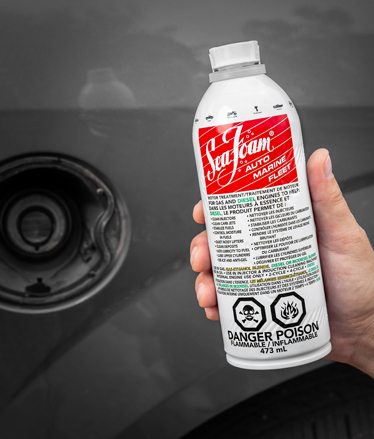
Benefits Of Seafoam For Diesel Engines
Seafoam offers many benefits for diesel engines. It helps keep the engine clean and running smoothly. Using Seafoam regularly can improve engine performance and reduce problems. It works inside the fuel system and the engine parts. This section explains the key benefits of Seafoam for diesel engines.
Improving Fuel Efficiency
Seafoam helps diesel engines use fuel better. It cleans the fuel system, so fuel burns more completely. This process reduces wasted fuel and increases miles per gallon. Better fuel efficiency means saving money on diesel costs. A cleaner engine runs smoother and needs less fuel to work well.
Cleaning Fuel Injectors
Fuel injectors spray diesel into the engine. Over time, they get dirty and clogged. Seafoam cleans these injectors by removing dirt and buildup. Clean injectors spray fuel evenly, improving engine power and smoothness. This cleaning helps the engine start easier and run quieter.
Removing Carbon Deposits
Carbon deposits form inside diesel engines from burning fuel. These deposits cause poor engine performance and higher emissions. Seafoam breaks down and removes carbon buildup from engine parts. Removing carbon helps the engine breathe better and work more efficiently. This leads to longer engine life and fewer repairs.
When To Use Seafoam
Knowing the right time to use Seafoam in a diesel engine helps keep it running well. Seafoam cleans fuel systems and removes deposits. Using it at the correct times saves money and prevents engine problems. Below are key points to help decide when to add Seafoam to your diesel engine.
Signs Your Diesel Engine Needs It
Engine runs rough or idles poorly. Smoke from the exhaust increases. Fuel efficiency drops noticeably. Engine struggles to start or stalls. Unusual noises or vibrations appear. These signs show the engine needs cleaning and maintenance. Seafoam helps by breaking down deposits and cleaning fuel injectors.
Recommended Maintenance Intervals
Use Seafoam every 3,000 to 5,000 miles for best results. Adding it during regular oil changes works well. For older engines, use it more often. Follow the product instructions on the package. Regular use keeps your diesel engine clean and efficient. This simple step extends engine life and performance.
Preparing Your Diesel Engine
Preparing your diesel engine is an important step before using Seafoam. This helps the product work better and keeps your engine healthy. Take a few simple actions to get your engine ready. These steps make sure Seafoam cleans properly and improves fuel flow.
Checking Fuel Levels
Start by checking your fuel tank level. Seafoam mixes with your diesel fuel for best results. Avoid adding Seafoam if the tank is nearly empty. Fill the tank at least halfway. This helps the cleaner spread evenly through the fuel system. A proper fuel level means better cleaning and smoother engine performance.
Ensuring Engine Warmth
Run your engine until it reaches normal operating temperature. A warm engine helps Seafoam work inside the system. Cold engines may not allow the product to flow correctly. Let the engine idle for five to ten minutes. This step prepares the internal parts for effective cleaning. Warm engine parts improve Seafoam’s ability to remove deposits and dirt.
How To Add Seafoam To Diesel Fuel
Adding Seafoam to diesel fuel helps clean the engine and improve performance. It removes deposits, reduces smoke, and keeps the fuel system clean. Using Seafoam correctly ensures the best results without harming the engine.
Follow clear steps to add Seafoam to your diesel fuel safely and effectively.
Proper Dosage Guidelines
Use the right amount of Seafoam for your diesel fuel tank size. The general rule is 1 ounce of Seafoam per gallon of diesel. For example, a 20-gallon tank needs 20 ounces of Seafoam. Do not exceed this amount to avoid engine problems. Check the product label for specific instructions. Using too little may not clean well. Using too much can cause engine issues.
Mixing Techniques
Pour Seafoam directly into the fuel tank before filling it with diesel. This helps mix the cleaner evenly with the fuel. Avoid adding Seafoam to a nearly empty tank. Fill the tank right after adding Seafoam for better mixing. After adding, run the engine to help Seafoam circulate. This ensures it reaches all parts of the fuel system. Regular use every few thousand miles keeps the engine clean.
Using Seafoam Through The Intake Manifold
Using Seafoam through the intake manifold helps clean your diesel engine’s internal parts. It removes carbon buildup and improves engine performance. This method delivers Seafoam directly into the engine, targeting intake valves and combustion chambers.
Proper use of Seafoam in this way can reduce smoke and rough idling. It also helps restore smooth engine operation. Follow the steps carefully for the best results and avoid damage.
Safety Precautions
Work in a well-ventilated area to avoid inhaling fumes. Wear safety goggles and gloves to protect your eyes and skin. Make sure the engine is cool before starting the process. Keep a fire extinguisher nearby in case of emergencies. Avoid smoking or open flames near the engine and Seafoam. Follow all instructions on the Seafoam container carefully.
Step-by-step Process
First, locate the intake manifold on your diesel engine. Remove the air intake hose connected to the manifold. Start the engine and let it reach normal operating temperature. Slowly spray Seafoam into the intake manifold while the engine runs. Use short bursts to avoid flooding the engine. Listen for changes in engine sound; it should run smoother. After spraying, let the engine idle for 10 to 15 minutes. Reattach the air intake hose securely. Turn off the engine and check for leaks or issues. Repeat the process if needed, but not more than recommended.
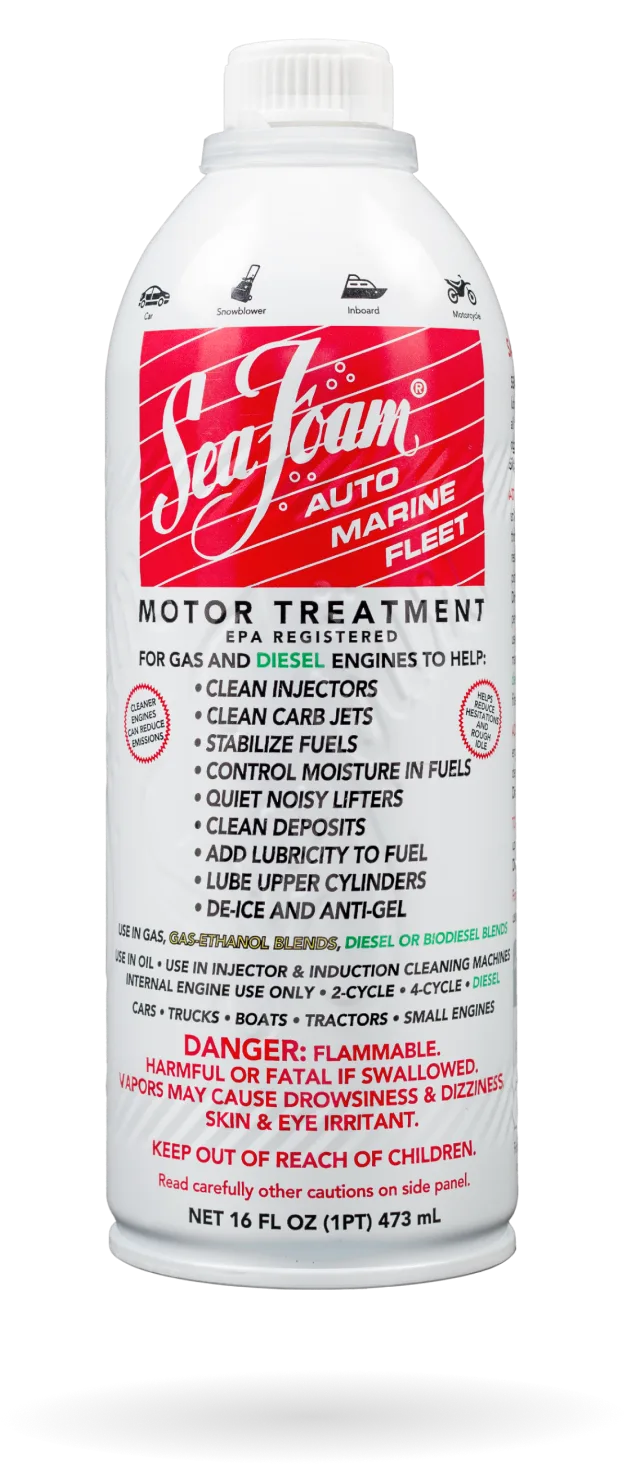
Seafoam Use In The Crankcase
Using Seafoam in the crankcase can help keep a diesel engine clean and running smoothly. The crankcase holds the engine oil, which lubricates moving parts. Over time, oil can get dirty with sludge and deposits. Seafoam helps break down these harmful buildups. This keeps the engine oil cleaner and helps the engine last longer.
Adding Seafoam to the crankcase is a simple step that protects the engine from wear. It also helps reduce smoke and improve engine performance. Below are key benefits and clear instructions for using Seafoam in the crankcase.
Benefits For Engine Oil
Seafoam cleans sludge and varnish from engine oil. It helps remove harmful deposits that clog oil passages. Cleaner oil flows better and protects engine parts. This reduces friction and engine wear. Seafoam also helps prevent oil from breaking down too fast. It keeps the oil fresh longer, improving engine health and performance.
Application Instructions
Make sure the engine is off and cool before adding Seafoam. Check the engine oil level first. Add one ounce of Seafoam for every quart of oil. Pour the Seafoam slowly into the crankcase oil filler hole. After adding, run the engine for 10 to 15 minutes. This allows Seafoam to mix with the oil and clean deposits. Change the oil and filter after driving 100 to 200 miles to remove loosened sludge.
Post-application Tips
After using Seafoam in your diesel engine, some important steps help keep the engine clean and running well. These post-application tips ensure the treatment works properly. Follow simple actions to get the best results and avoid any issues.
Running The Engine After Treatment
Start the engine and let it run at idle for 10 to 15 minutes. This helps the Seafoam move through the fuel system. Avoid high speeds or heavy loads during this time. Let the engine warm up fully to allow the cleaner to work well. This process removes deposits inside the engine and fuel lines.
Monitoring Engine Performance
Check how the engine runs over the next few days. Listen for smoother idling and quicker starts. Watch for reduced smoke from the exhaust. Notice if fuel efficiency improves. If problems continue, a second treatment might help. Keep an eye on engine sounds and power. Early detection of issues can prevent bigger repairs later.
Common Mistakes To Avoid
Using Seafoam in a diesel engine can improve performance and clean parts. Avoid mistakes to get the best results and prevent damage. Understanding common errors helps keep your engine safe and running well.
Overuse Risks
Too much Seafoam can harm your engine. It may cause fuel system problems and clog filters. Overuse can lead to poor engine performance. Follow the recommended amount on the product label. Using less is better than using too much.
Incorrect Application Methods
Applying Seafoam the wrong way reduces its effectiveness. Pouring it directly into fuel tanks without dilution may cause issues. It needs to be added carefully to the correct part of the engine. Read instructions before use. Proper application ensures better cleaning and engine care.
Faqs About Seafoam And Diesel Engines
Many people have questions about using Seafoam in diesel engines. This section answers common queries. It helps you understand how Seafoam works with diesel fuel. You will learn about using it safely and effectively.
Clear answers make it easier to decide if Seafoam suits your diesel engine needs.
Compatibility With Diesel Additives
Seafoam works well with most diesel additives. It cleans fuel systems and engine parts. Avoid mixing too many products at once. Too many additives can cause issues. Use Seafoam as directed on the label. It does not harm diesel fuel quality.
Frequency Of Use
Use Seafoam in diesel engines every 3,000 to 5,000 miles. This keeps the engine clean and running smoothly. Do not use it too often. Overuse might cause engine problems. Follow the instructions for the best results. Regular use helps remove deposits and improve performance.
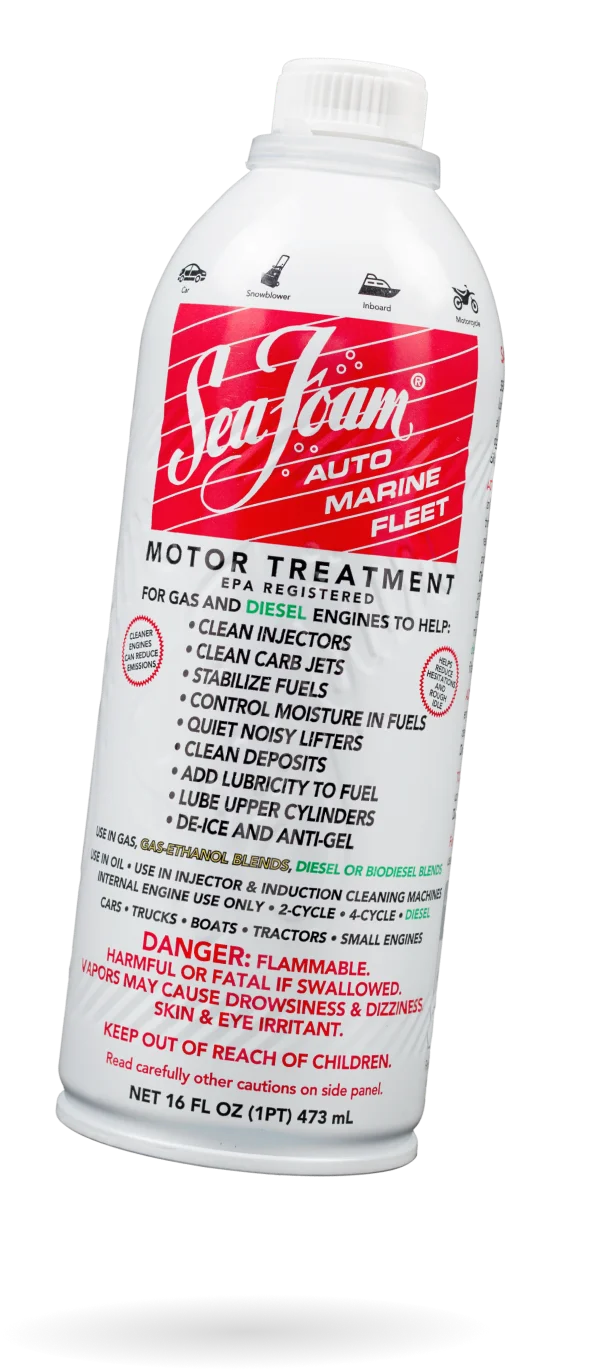
Frequently Asked Questions
What Is Seafoam And How Does It Work In Diesel Engines?
Seafoam is a fuel additive that cleans and lubricates diesel engines. It removes carbon deposits, improves fuel efficiency, and stabilizes fuel. Using Seafoam regularly helps maintain engine performance and reduces emissions by cleaning fuel injectors and combustion chambers effectively.
How Do I Add Seafoam To A Diesel Engine?
Add Seafoam directly to the fuel tank before refueling. Use the recommended dosage on the bottle, usually 1 ounce per gallon of diesel. This ensures proper mixing and optimal cleaning action throughout the fuel system and engine components.
Can Seafoam Improve Diesel Engine Performance?
Yes, Seafoam can improve diesel engine performance by cleaning fuel injectors and combustion chambers. It reduces carbon buildup, enhances fuel combustion, and restores smooth engine operation. Regular use can lead to better acceleration, reduced knocking, and improved fuel economy.
Is Seafoam Safe For All Diesel Engines?
Seafoam is generally safe for all diesel engines, including older and newer models. It is non-corrosive and does not harm fuel system components. However, always follow the manufacturer’s dosage instructions to avoid potential issues.
Conclusion
Seafoam helps clean diesel engines and improve performance. Use it carefully by following the instructions on the label. Adding Seafoam regularly keeps fuel injectors and engine parts clean. It can reduce smoke and improve fuel efficiency. Avoid overuse to prevent engine problems.
Always check your engine’s condition before using any additive. Keep your diesel engine running smoothly with simple care. Seafoam is a useful tool but not a fix for all issues. Regular maintenance and good fuel quality matter most for engine health.


