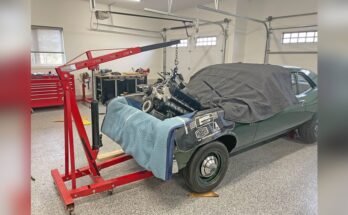
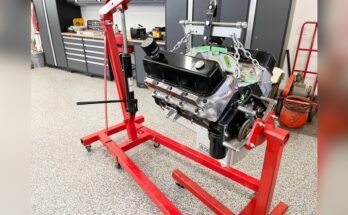
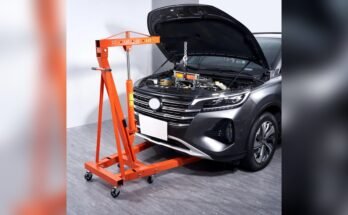
When you’re ready to remove an engine from your car, one question probably pops up: how wide should your engine hoist be? Choosing the right width is crucial.
If it’s too narrow, you risk instability and accidents. Too wide, and it might not fit in your workspace or under your car. You want to work safely and efficiently, without wasting time or money on the wrong equipment. You’ll discover exactly what width works best for engine hoists and how to make the right choice for your specific needs.
Keep reading to avoid common mistakes and get your engine out with confidence.

Engine Hoist Basics
An engine hoist is a vital tool for removing car engines safely. Choosing the right width helps balance stability and access. Understanding engine hoist basics helps pick the correct hoist for your needs.
Types Of Engine Hoists
Engine hoists come in several types. Shop crane hoists are common and fold for storage. Hydraulic hoists use fluid pressure to lift heavy engines smoothly. Chain hoists lift with a hand-cranked chain system. Each type suits different lifting needs and garage spaces.
Key Components
Most engine hoists have a strong frame to hold weight. The boom arm extends to reach the engine. Legs with wheels allow moving the hoist easily. A hydraulic cylinder lifts and lowers the boom. Hooks and chains secure the engine during removal. These parts work together for safe lifting.
Determining The Right Width
Determining the right width for an engine hoist is crucial for safe and efficient car removal. The hoist must fit around the vehicle without causing damage. It should also be stable enough to hold the engine securely. Understanding the right width helps you avoid accidents and saves time during the removal process.
Measuring Your Vehicle
Start by measuring the width of your vehicle at the engine bay. Use a tape measure to find the distance between the outer edges. Note the narrowest and widest points around the engine area. This helps ensure the hoist fits well without touching the car body.
Hoist Base Dimensions
Check the base width of the engine hoist before buying or using one. The base must be wide enough to support the engine’s weight. A narrow base can tip over easily. Compare your vehicle’s measurements with the hoist base to find a good match.
Adjustable Width Features
Many hoists come with adjustable width options. This feature lets you change the width to fit different vehicles. It adds flexibility and makes the hoist more useful for various car sizes. Look for easy-to-use adjustments that lock securely in place.
Weight Capacity And Stability
Weight capacity and stability are key factors for an engine hoist used in car removal. The hoist must support heavy engine loads safely. Stability prevents accidents and damage during lifting. Choosing the right width helps balance these needs. Too narrow may cause tipping. Too wide may limit workspace and maneuverability.
Matching Load Limits
Check the engine hoist’s weight capacity carefully. It must match or exceed the engine’s weight. Overloading the hoist risks structural failure. The weight limit depends on the hoist’s build and materials. Always select a hoist rated for the heaviest engine you plan to remove. This ensures safe and efficient lifting.
Balancing Width And Support
The width of the hoist’s base affects stability. A wider base offers better balance and reduces tipping risk. But very wide hoists may be harder to move in tight spaces. Find a width that supports the load and fits your workspace. Adjustable width options provide flexibility for different vehicles and environments.

Space Considerations
Choosing the right width for an engine hoist depends a lot on the space available. Space affects how easily you can move the hoist around your car and work safely. Understanding your workspace size helps you pick the best hoist width. It also prevents damage and keeps your work smooth.
Garage And Workshop Sizes
Measure the width of your garage or workshop first. Most home garages are between 10 and 12 feet wide. Make sure the hoist fits well without blocking doors or walkways. Leave room to open car doors and move tools. A hoist too wide can be hard to fit in small spaces.
Consider the ceiling height as well. Some hoists need extra height to lift the engine fully. Low ceilings might limit your hoist choice or how high you can lift.
Maneuvering Around The Vehicle
Space around the vehicle is key for safe engine removal. You need room to move the hoist from the front to the side of the car. A narrow hoist might not roll easily around tight corners. A wider hoist gives more stability but requires more room to move.
Plan for clear paths free of obstacles. Watch out for tool cabinets, shelves, and other equipment. Keep the floor clear to prevent tripping or slipping. Smooth movement saves time and reduces strain.
Safety Tips For Engine Removal
Removing an engine is a tough job that needs care and focus. Safety must come first to avoid injuries and damage. Using the right engine hoist width helps keep the process stable and secure. Follow safety tips to protect yourself and your vehicle during engine removal.
Proper Setup Procedures
Start by choosing a flat, clean surface to set up the hoist. Check that the hoist can handle the engine’s weight. Adjust the hoist width to fit the car frame without hitting parts. Lock all wheels of the hoist to stop it from moving. Attach chains or straps tightly to strong engine points. Double-check every connection before lifting the engine.
Avoiding Common Mistakes
Never rush the removal process. Avoid lifting an engine at an angle. This can cause the hoist to tip or the engine to slip. Do not use damaged or worn-out hoist parts. Keep clear of the engine while lifting or moving it. Avoid working alone—have someone nearby for help. Always wear gloves and safety glasses to protect yourself.

Popular Engine Hoist Models
Choosing the right engine hoist width is key for safe car removal. Many models vary in size and design. Each has pros and cons for different tasks.
Some hoists are narrow and compact. Others offer wider bases for more stability. Understanding these differences helps pick the best tool.
Compact Vs Wide Hoists
Compact hoists save space in tight garages. They fit through narrow doors easily. These are lighter and easier to move.
Wide hoists provide better balance during heavy lifts. Their broad base reduces tipping risk. They handle larger engines with more safety.
Choosing depends on your workspace and engine size. Compact models suit small cars and limited space. Wide models fit bigger engines and open areas.
User Reviews And Recommendations
Users praise compact hoists for convenience and storage. Many say these models work well for occasional jobs. They note easy assembly and use.
Wide hoists get high marks for stability and strength. Reviews mention confidence in lifting heavy engines safely. Some users prefer these for professional work.
Most recommend matching hoist width to your engine size. Reading user feedback offers real insights on performance. It guides better buying decisions.
Frequently Asked Questions
How Wide Should An Engine Hoist Be For Car Removal?
An engine hoist should be about 48 to 60 inches wide. This width provides stability and fits most car engines safely during removal.
Does Hoist Width Affect Engine Removal Safety?
Yes, the correct hoist width ensures balance and prevents tipping. A wider base offers better support for heavy engines.
Can I Adjust The Width Of An Engine Hoist?
Many engine hoists feature adjustable widths. This flexibility helps accommodate different engine sizes and vehicle types during removal.
What Width Suits Compact Cars Versus Trucks?
Compact cars often need a narrower hoist width, around 48 inches. Trucks require wider hoists, closer to 60 inches, for stability.
Conclusion
Choosing the right width for an engine hoist matters a lot. It helps keep the car stable and safe during removal. Too wide or too narrow can cause problems. Most hoists come with adjustable widths to fit different cars. Measure your vehicle before buying to get the best fit.
A good fit makes the job easier and safer. Always check the hoist’s weight limit too. Proper width and strength protect both you and your car. Simple steps lead to smooth engine removal every time.