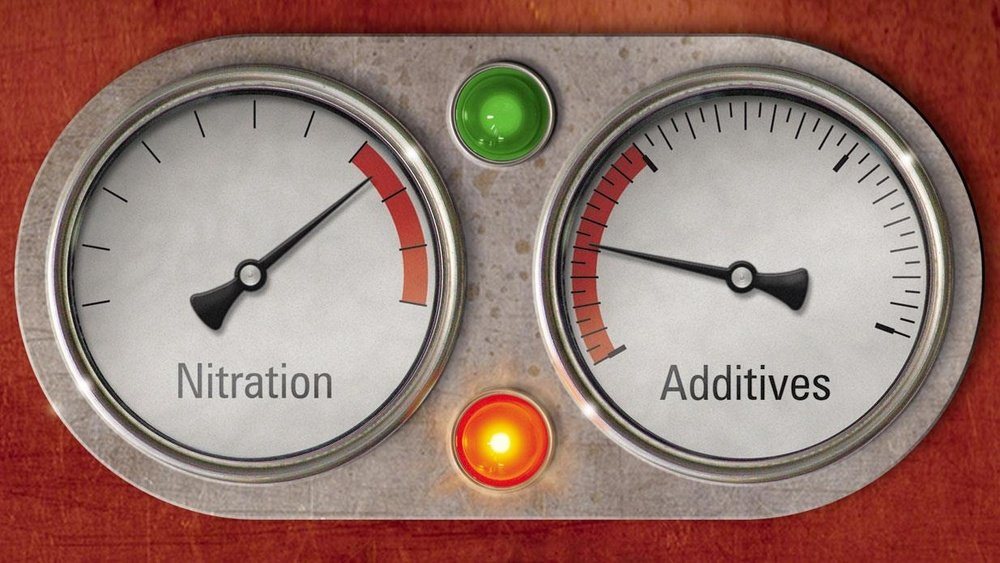
Is your car’s engine oil pressure warning light on? Low engine oil pressure is a serious issue that can damage your engine if you ignore it.
You might wonder what causes this problem and how you can fix it quickly before it gets worse. You’ll discover the most common reasons behind low engine oil pressure and simple ways to solve them. Keep reading to protect your vehicle and avoid costly repairs—you don’t want to miss these important tips!

Symptoms Of Low Engine Oil Pressure
Low engine oil pressure can cause serious damage to your vehicle. Recognizing its symptoms early helps prevent costly repairs. This section explains common signs that indicate low oil pressure.
Warning Lights And Alerts
The oil pressure warning light on the dashboard glows red or yellow. This light signals the oil pressure is too low. Some cars also show messages like “Check Oil Pressure” or “Oil Alert.” Ignoring these warnings risks engine damage.
Engine Noise And Performance Issues
A knocking or ticking noise from the engine may appear. This noise happens because oil is not circulating well. The engine might feel rough or less powerful. Hesitation or stalling can also occur.
Oil Level And Quality Checks
Check the oil level using the dipstick. Low oil level can cause pressure problems. Dark, dirty, or thick oil reduces flow and pressure. Fresh oil helps maintain proper pressure and engine health.

Common Causes Of Low Oil Pressure
Low engine oil pressure can cause serious damage to your vehicle’s engine. Knowing the common causes helps in quick diagnosis and repair. This section explains the main reasons why oil pressure drops and how each issue affects your engine’s health.
Oil Leakages And Low Oil Levels
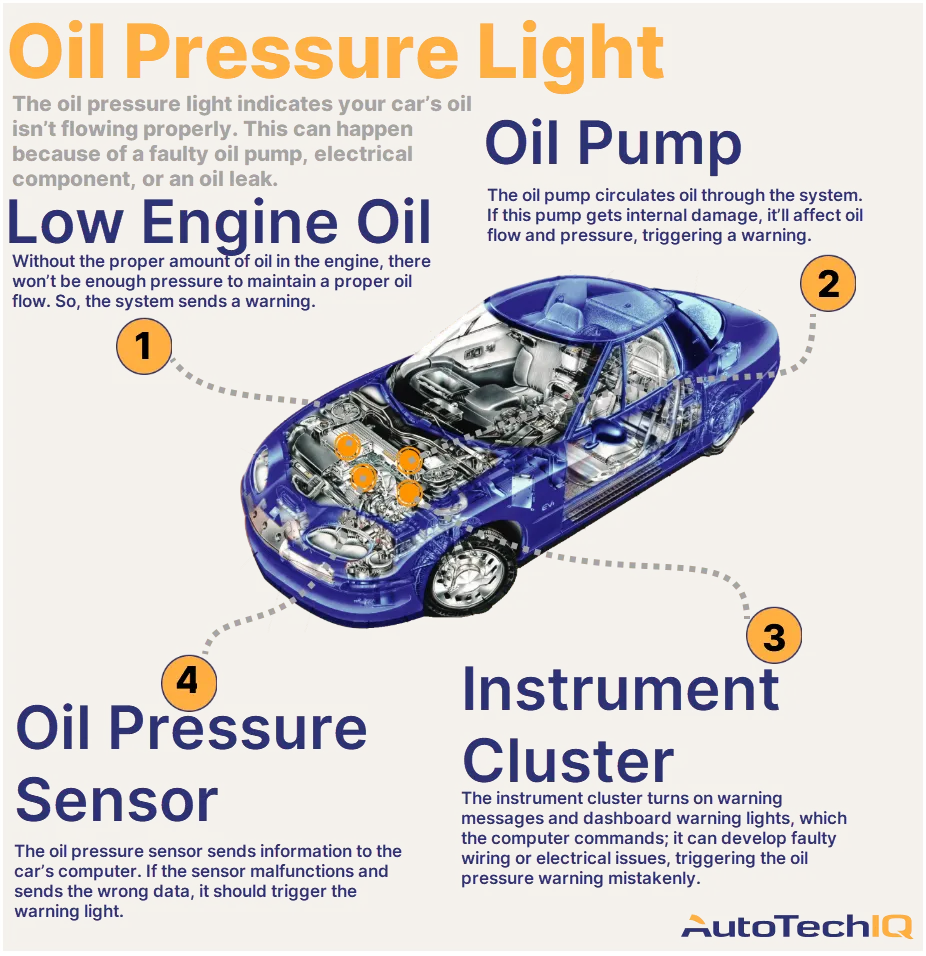
Oil leaks reduce the amount of oil in the engine. Low oil levels make it hard for the oil pump to maintain pressure. Leaks can come from worn gaskets, seals, or damaged oil pans. Check the oil level often and fix leaks immediately to prevent damage.
Worn Engine Bearings
Engine bearings support moving parts inside the engine. Over time, these bearings wear out and create larger gaps. This wear lowers oil pressure because oil flows too easily through the gaps. Worn bearings cause knocking noises and need prompt attention.
Faulty Oil Pump
The oil pump moves oil through the engine to lubricate parts. A faulty or failing oil pump cannot maintain proper pressure. This can happen due to wear, damage, or blockages inside the pump. Replacing the oil pump restores correct oil flow and pressure.
Clogged Oil Filter
The oil filter removes dirt and debris from the oil. A clogged filter restricts oil flow and lowers pressure. Filters should be changed regularly as part of maintenance. Ignoring the oil filter can lead to engine damage from dirty oil.
Oil Viscosity Problems
Oil viscosity means how thick or thin the oil is. Using the wrong viscosity oil affects pressure. Oil that is too thin or too thick does not flow properly. Always use the oil type recommended by the vehicle manufacturer for best results.
Tools And Equipment Needed
Fixing low engine oil pressure requires the right tools and equipment. Having these ready makes the job easier and safer. Each tool has a specific role in diagnosing and fixing the issue.
Oil Pressure Gauge
An oil pressure gauge measures the engine’s oil pressure accurately. It helps confirm if the pressure is truly low. This tool connects to the engine’s oil system. It shows real-time pressure readings. Mechanics use it to find exact problems. Without it, guessing the issue is common.
Wrenches And Screwdrivers
Wrenches and screwdrivers are essential for removing parts. They help open the oil filter and drain plug. Different sizes may be needed depending on the vehicle. These tools allow access to the oil system. They also help tighten or loosen bolts and screws. Always use the right size to avoid damage.
Replacement Oil And Filters
New oil and filters are needed to fix low oil pressure. Old oil can cause pressure drops. Fresh oil improves flow and lubrication. Filters remove dirt and debris from oil. Replacing them ensures clean oil circulates. Use the right type and amount for your engine. This keeps the engine healthy and running smoothly.
Step-by-step Fixing Methods
Low engine oil pressure can harm your engine if ignored. Fixing it requires careful steps. Follow this guide to solve the issue safely and effectively. Each step targets common causes of low oil pressure.
Checking And Refilling Oil
Start by checking the oil level. Use the dipstick to see if oil is low. Add the correct oil type if needed. Avoid overfilling, as it can cause more problems. Regular oil checks keep the engine healthy.
Replacing Oil Filter
A clogged oil filter blocks oil flow. Replace the filter to restore proper pressure. Use the right filter model for your engine. Change the filter during oil changes for best results. Clean oil improves engine performance and longevity.
Inspecting And Repairing Oil Pump
The oil pump moves oil through the engine. Check the pump for damage or wear. Repair or replace the pump if it fails. A working pump ensures steady oil pressure. This step often requires a mechanic’s help.
Addressing Engine Bearing Wear
Worn engine bearings cause oil leaks and low pressure. Inspect bearings for damage during engine repair. Replace worn bearings to restore pressure. Fixing bearings protects engine parts from damage. This repair is crucial for engine health.
Preventive Maintenance Tips
Low engine oil pressure can cause serious engine problems. Preventive maintenance helps avoid these issues. Taking simple steps keeps your engine healthy and running smoothly. Small efforts now save big repairs later.
Regular Oil Changes
Change your engine oil on time. Old oil loses its ability to lubricate. This causes low oil pressure and engine wear. Follow the schedule in your car manual. Fresh oil keeps engine parts moving easily.
Using Correct Oil Type
Use the oil type your car needs. Wrong oil can cause poor pressure and damage. Check the owner’s manual for the right grade. Correct oil flows well and protects engine parts.
Routine Engine Inspections
Inspect your engine regularly for leaks and damage. Check oil levels and watch for warning lights. Early detection prevents low oil pressure issues. A quick check saves your engine from harm.
When To Seek Professional Help
Low engine oil pressure is a serious issue. Knowing when to seek professional help can save your engine from damage. Some signs mean you need a mechanic’s attention right away. Ignoring these signs can cause costly repairs.
Persistent Low Pressure
If the oil pressure stays low even after checking the oil level, it is a warning. Continuous low pressure means the engine parts do not get enough lubrication. This can cause severe engine wear or failure. A mechanic can test the oil pump and pressure system properly.
Unusual Engine Noises
Strange sounds like knocking or ticking from the engine may signal low oil pressure. These noises happen when engine parts rub without enough oil. This condition can lead to engine damage quickly. A professional can inspect and fix the problem before it worsens.
Oil Pressure Sensor Issues
Sometimes the oil pressure sensor itself can fail. This can show false low-pressure warnings on your dashboard. A mechanic can test the sensor and replace it if needed. Fixing sensor problems avoids confusion and ensures real issues get attention.
Frequently Asked Questions
What Are The Common Causes Of Low Engine Oil Pressure?
Low engine oil pressure can be caused by worn bearings, low oil level, clogged oil filter, or a faulty oil pump. Engine wear and oil leaks also contribute to this issue, leading to poor lubrication and potential engine damage.
How Can Low Oil Pressure Affect My Engine?
Low oil pressure reduces lubrication, causing increased friction and heat. This leads to engine wear, overheating, and eventually severe engine damage or failure if not fixed promptly.
What Are The Signs Of Low Engine Oil Pressure?
Signs include oil pressure warning light, engine noise, overheating, and poor engine performance. You may also notice oil leaks or burning oil smell, indicating urgent inspection is needed.
How Do I Fix Low Engine Oil Pressure?
Check and refill oil to the recommended level, replace the oil filter, and inspect for leaks. If issues persist, have a mechanic examine the oil pump and engine bearings.
Conclusion
Low engine oil pressure can harm your car’s engine. Common causes include oil leaks, worn parts, and clogged filters. Fixing these issues keeps the engine running smoothly. Regular oil checks and timely changes help prevent problems. Watch for warning signs like oil pressure lights or strange noises.
Acting fast avoids costly repairs and extends engine life. Keep your engine healthy by staying alert and maintaining it well. Simple care makes a big difference in your car’s performance.


