Have you ever wondered if your dash cam is capturing the right view? The angle at which your dash cam faces can make all the difference between clear, useful footage and blurry, useless video.
Getting this angle right isn’t just about recording your drive—it’s about protecting yourself, your vehicle, and your peace of mind. You’ll discover exactly what angle your dash cam should face to ensure you get the best coverage, every time you hit the road.
Keep reading to make sure you’re not missing out on crucial moments that could save you from headaches later.
Choosing The Right Angle
Choosing the right angle for your dash cam is key to capturing clear and useful footage. The angle affects what the camera records and the quality of the video. A good angle helps record important details like license plates, road signs, and traffic conditions. It also reduces glare and avoids capturing unwanted parts of the car.
Factors Influencing Dash Cam Angle
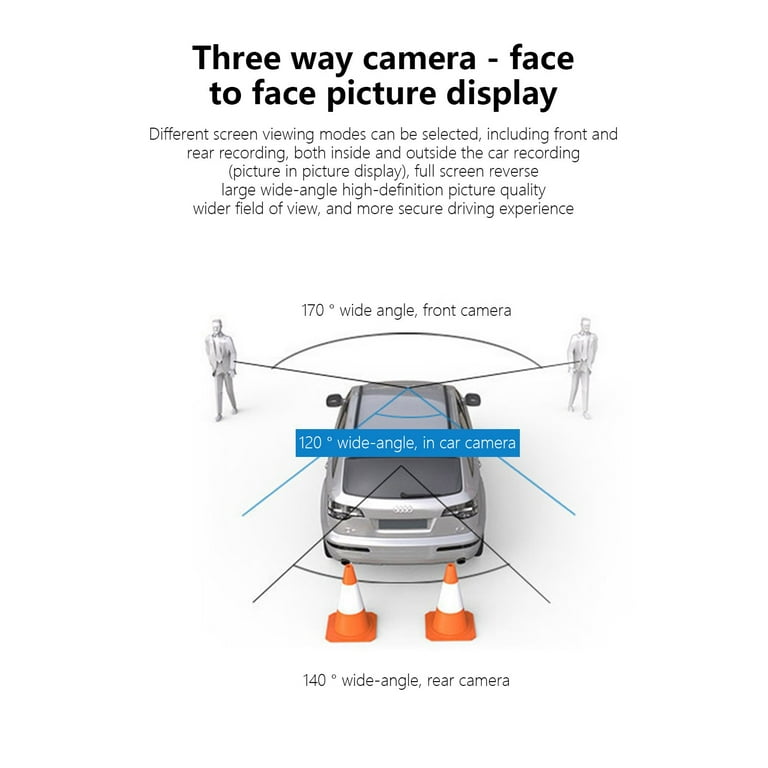
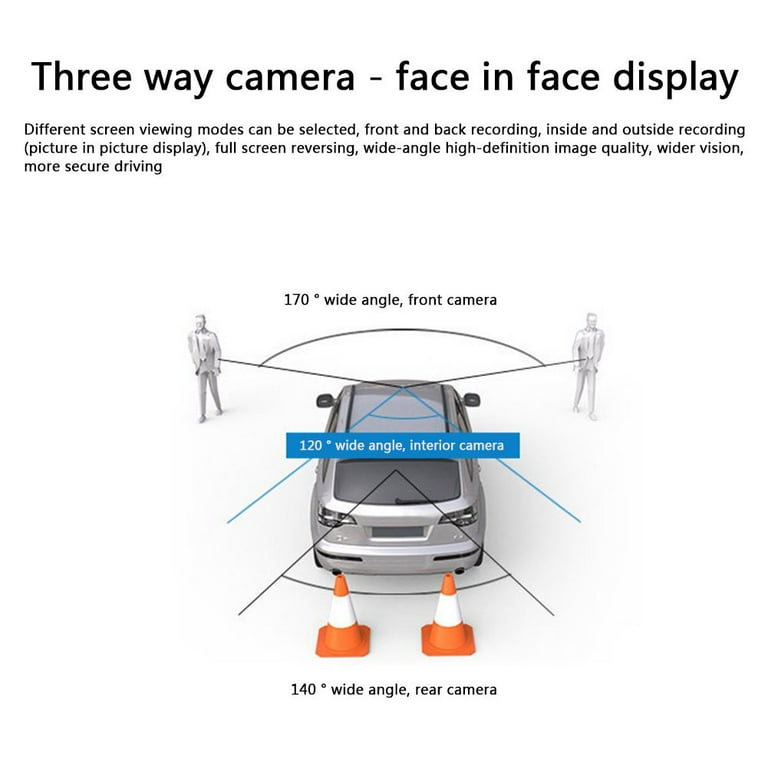
Several factors affect the best angle for your dash cam. The height of your windshield changes the view. A higher mounting point can capture more of the road ahead. The width of the lens also matters. Wide-angle lenses capture more area but may distort images at the edges.
Sunlight direction influences the angle too. Pointing the camera slightly away from the sun reduces glare. The car’s position on the road matters. Cameras should face forward to record traffic and incidents clearly. Some drivers also add a rear camera. This needs a different angle to cover the back view.
Common Mounting Positions
Most drivers mount dash cams near the rearview mirror. This position offers a clear view without blocking the driver’s sight. It also keeps the camera steady and less visible. Some place the dash cam at the center of the windshield. This spot gives a balanced view of both sides of the road.
Others choose the dashboard mount. It is easier to install but may cause reflections. Rear cameras are usually mounted on the rear window, facing backward. This helps record behind the car, useful for parking and accidents.
Optimal Front Dash Cam Angle
The angle of your front dash cam affects the quality of your recordings. Setting the right angle captures clear video of the road ahead. It also helps record important details like license plates and traffic signals. The correct angle prevents glare and reflections that can blur the footage.
Ideal Tilt For Clear Road View
Point the dash cam slightly downward. Aim to capture the road and a bit of the hood. This angle shows what is directly in front of your car. It also records distant objects clearly. Avoid tilting the camera too high or too low. Too high loses road details. Too low shows mostly the car’s interior.
Avoiding Glare And Reflections
Glare from the sun or headlights can ruin your video. Tilt the camera to reduce light hitting the lens directly. Keep the lens away from dashboard reflections. Use a polarizing filter if possible. Place the camera behind the rearview mirror. This spot blocks most reflections and direct sunlight.
Side And Rear Dash Cam Angles
Side and rear dash cams improve your car’s safety by covering areas beyond the front view. They help record events on the sides and behind your vehicle. Proper angle settings ensure clear footage and better protection.
Adjusting these cameras correctly captures important details. It reduces blind spots and shows what happens behind your car during parking or driving.
Capturing Blind Spots
Side dash cams should face slightly outward from the car. This angle captures the lanes next to you. It helps record other vehicles in blind spots. Position the camera to cover the area between your side mirror and rear view. This setup catches fast-moving cars and cyclists. It also records lane changes and side collisions clearly.
Ensuring Rear Visibility
Rear dash cams must point straight back, level with the road. Tilt the camera slightly downward to see the road behind. This angle records cars following you and parking spaces. It also captures accidents that happen at the rear. Keep the lens clean and free from obstructions for a clear view.
Adjusting Angle For Different Vehicles
Adjusting the dash cam angle depends on the type of vehicle. Different vehicles have different heights and windshield shapes. Setting the right angle ensures clear footage of the road. It also captures important details like license plates and traffic signs. The correct angle helps in case of accidents or disputes.
Sedans And Hatchbacks
Sedans and hatchbacks are usually lower to the ground. Position the dash cam near the center of the windshield. Aim it straight ahead, slightly tilted down. This angle shows the road and nearby vehicles clearly. Avoid pointing too high to reduce sky glare. A 15 to 20-degree downward tilt works well for these cars.
Suvs And Trucks
SUVs and trucks sit higher than sedans. Place the dash cam a bit lower on the windshield. Tilt the camera more downward than in smaller cars. This adjustment captures the road in front and smaller vehicles. A 25 to 30-degree tilt suits these taller vehicles best. This angle helps avoid recording too much sky or the hood.
Environmental Considerations
Setting the right angle for your dash cam depends a lot on the environment around your vehicle. The angle must adapt to changing light and weather. These factors affect video clarity and the camera’s ability to record important details. Understanding how light and weather impact your dash cam helps you position it for the best results.
Lighting Conditions
Light plays a big role in how well your dash cam records. Bright sunlight can cause glare or reflections on the windshield. This can blur or block parts of the video. Position the camera to avoid direct sunlight hitting the lens.
At night, the angle should catch enough light from street lamps and headlights. Too low or too high an angle may miss vital details in low light. Adjust the dash cam to balance bright and dark areas in the frame.
Weather Impact On Angle
Rain, snow, and fog reduce visibility and video quality. The dash cam angle must minimize water drops or ice on the lens. Tilt the camera slightly downward to avoid rain streaks.
Fog scatters light and lowers contrast. Position the camera to focus on objects closer to the car. This improves the chance of capturing clear images despite foggy conditions.
Testing And Fine-tuning Angles
Testing and fine-tuning the dash cam angle ensures clear and useful footage. The right angle captures the road and surroundings well. Small adjustments can make a big difference. This process helps avoid blind spots and glare. It improves the dash cam’s overall effectiveness.
Start with a rough position, then test the view. Adjust step by step to find the best angle. Use practical methods to check and improve the camera’s position.
Trial And Error Method
Place the dash cam in an initial position. Record short videos during different drives. Watch the footage and note what is visible. Adjust the angle slightly up or down. Move it left or right as needed. Repeat recording and reviewing until the view is clear. This method takes time but helps find the perfect angle.
Using Apps And Tools For Calibration
Some apps help set the dash cam angle accurately. They show the camera’s current field of view on your phone. Use these tools to see blind spots and adjust accordingly. Calibration apps guide you to get the best coverage. Some dash cams come with built-in angle guides. Use these features for easier setup and better results.
Common Angle Mistakes To Avoid
Setting the right angle for your dash cam is key to capturing clear footage. Many drivers make simple mistakes that reduce video quality. Knowing what to avoid helps you get the best view of the road. Here are common angle errors and how they affect your recording.
Too High Or Too Low Mounting
Mounting the dash cam too high can miss important details on the road. The camera might capture mostly the sky or the car’s roof. This leaves out license plates and pedestrians.
Mounting too low causes the camera to focus on the dashboard. It can block the view of the road ahead. This angle also risks capturing reflections or glare that blur the video.
Place the dash cam at eye level with the road. This angle records a clear, balanced view of traffic and surroundings.
Obstructed Views
Objects like rearview mirrors, sun visors, or stickers can block the camera lens. These obstructions create blind spots or dark patches in the video. The footage may miss key events or details.
Check for anything that might cover the lens before finalizing the mount. Keep the view wide and clear. A clean windshield also improves video quality.
Maintaining Your Dash Cam Angle
Maintaining your dash cam angle is important for clear and reliable footage. A well-set angle captures the road ahead without blind spots. It helps record incidents accurately and protects your interests. Regular care keeps the camera stable and effective over time.
Regular Checks And Adjustments
Check your dash cam angle often. Small shifts can block important views. Adjust the camera to cover the full road and some sky. This balance prevents glare and records clear images. Make adjustments after any bumps or changes to the mount. This keeps your footage useful and sharp.
Secure Mounting Techniques
Use strong mounts to hold your dash cam steady. Clean the windshield before attaching the mount. This helps it stick firmly and avoid slipping. Choose mounts with good grip and flexible positioning. Tighten all screws or clips to stop movement. Secure mounting ensures consistent and clear recordings every time.

Frequently Asked Questions
What Is The Best Angle For A Dash Cam?
The ideal dash cam angle is between 15 to 30 degrees downward. This captures the road clearly without glare. It ensures a wide view of the lane and nearby vehicles, improving evidence quality in case of incidents.
Should Dash Cams Face The Windshield Or The Dashboard?
Dash cams should face the windshield to record the road ahead. Positioning on the dashboard limits the view and increases reflections. Mounting on the windshield ensures a clear, unobstructed video of traffic and road conditions.
How Do I Adjust Dash Cam Angle For Night Driving?
For night driving, angle the dash cam slightly downward to reduce glare from headlights. This helps capture clearer footage without bright spots. Adjusting the angle also minimizes reflections inside the car, improving video quality in low light.
Can Incorrect Dash Cam Angle Affect Video Quality?
Yes, improper angles can cause glare, reflections, or miss critical details. A poorly angled camera may record the sky or dashboard more than the road. Correct alignment ensures clear, useful footage for evidence or insurance claims.
Conclusion
Choosing the right angle for your dash cam is key to clear footage. Aim the camera straight ahead, slightly down, to capture the road well. Avoid pointing too high or too low to keep the view balanced. A good angle helps record important details during driving.
It also protects you in case of accidents. Adjust the dash cam to reduce glare and reflections. Test different positions to find what works best for your car. Keep it steady and secure to avoid shaky videos. A well-placed dash cam gives you peace of mind on the road.