Have you ever wondered how you can pump water without relying on electricity or fuel? Solar water pumps might be the solution you’ve been looking for.
They use the power of the sun to move water efficiently and cheaply. Whether you want to water your garden, supply water to your livestock, or manage a remote water source, understanding solar water pumps can save you money and effort.
Keep reading to discover how these pumps work, why they could be perfect for your needs, and how they can change the way you access water.
Basics Of Solar Water Pumps
Solar water pumps are devices that use sunlight to move water. They offer an eco-friendly and cost-effective way to pump water. These pumps are useful for farms, gardens, and remote places without electricity. Understanding the basics helps in choosing the right pump for specific needs.
How Solar Water Pumps Work
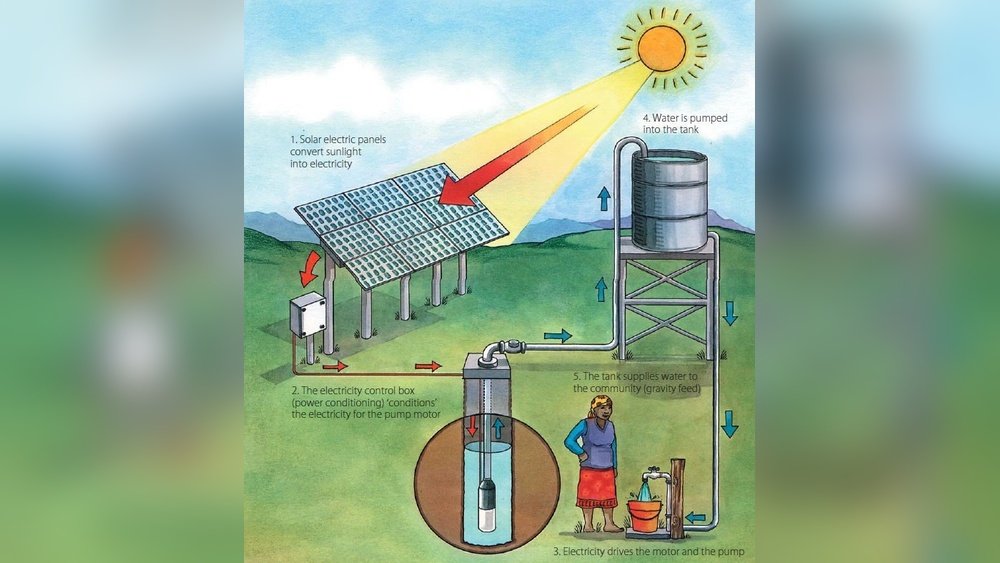
Solar panels capture sunlight and turn it into electricity. This electricity powers the pump motor. The pump moves water from a source like a well or river to the needed place. The system runs only during daylight, saving energy and money.
Types Of Solar Water Pumps
There are two main types of solar water pumps. Surface pumps sit above ground and push water from shallow sources. Submersible pumps go underwater and pull water from deep wells. Each type suits different water depths and uses.
Key Components
A solar water pump system has three key parts. Solar panels collect sunlight and create electricity. The pump moves the water. A controller regulates power and protects the system. These parts work together to ensure smooth operation.

Advantages Of Solar Water Pumps
Solar water pumps offer many benefits that suit both homes and farms. They use energy from the sun, which makes them cost-effective and eco-friendly. These pumps work well in remote areas without electricity. Their design also means less work in upkeep.
Cost Savings
Solar water pumps lower electricity bills. They run on free sunlight, so no fuel costs appear. Installation costs are often recovered quickly through savings. These pumps reduce the need for expensive grid connections. Over time, they save money on energy and repairs.
Environmental Impact
Solar water pumps produce no pollution. They do not burn fuel or emit harmful gases. Using solar energy helps reduce carbon footprints. This technology supports clean and green water solutions. It protects water sources and local ecosystems.
Low Maintenance
Solar pumps need less maintenance than traditional ones. They have fewer moving parts that wear out. Cleaning solar panels occasionally keeps them efficient. These pumps require less frequent repairs and checkups. Their simple design saves time and effort.
Applications Of Solar Water Pumps
Solar water pumps use energy from the sun to move water. They have many uses in daily life and business. These pumps help save money and protect the environment. Their ability to work without electricity makes them useful in many places.
Agricultural Use
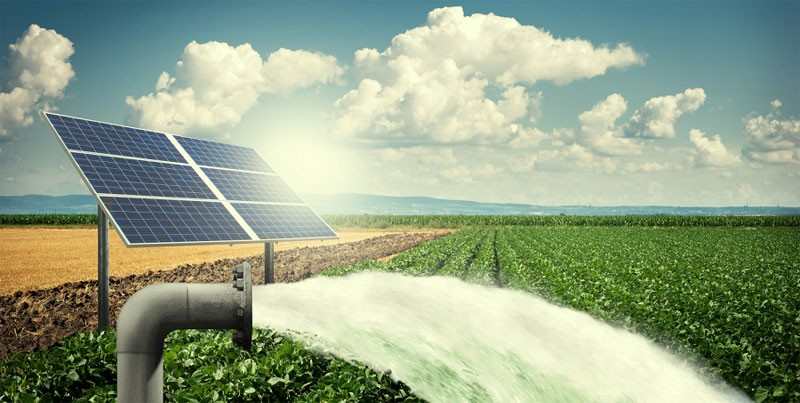
Farmers use solar water pumps to irrigate crops. These pumps bring water from wells or rivers to fields. They work well in remote areas without electricity. Solar pumps help increase crop yield by providing steady water supply. They reduce the cost of fuel and maintenance compared to traditional pumps.
Domestic Water Supply
Solar pumps provide water for homes in rural areas. They can pump water from underground wells or nearby sources. Families get clean water for drinking, cooking, and cleaning. These pumps reduce the effort and time spent on carrying water. They also improve health by supplying safer water.
Industrial Applications
Industries use solar water pumps for processes needing water. These include cooling machines and cleaning equipment. Solar pumps lower energy costs and reduce carbon emissions. They work well in places with limited power access. Industries benefit from reliable water supply with less environmental impact.
Choosing The Right Solar Water Pump
Choosing the right solar water pump is key to getting the best results. The right pump saves energy, reduces costs, and meets your water needs. It depends on several factors, including your water demand, sunlight availability, and budget. Understanding these will help you pick the perfect pump for your home or farm.
Assessing Water Needs
First, measure how much water you need daily. Consider the number of people, animals, or plants that depend on this water. Think about the pump’s flow rate, which shows how fast it moves water. Check the total height the water must travel. This is called the “head.” The higher the head, the stronger the pump required.
Evaluating Solar Potential
Next, check the solar energy available at your location. Look for the average sunlight hours per day. More sunlight means better pump performance. Check for shading from trees or buildings that can block sunlight. A good solar panel setup is crucial for steady water supply.
Budget Considerations
Finally, set a clear budget. Solar water pumps vary in price based on size and features. Think about the initial cost and long-term savings on electricity. Choose a pump that fits your budget but still meets your water needs. A quality pump lasts longer and needs less maintenance.
Installation And Maintenance Tips
Installing and maintaining solar water pumps is simple with the right steps. Proper care helps the system last longer and work better. Follow these tips to keep your pump efficient and trouble-free.
Site Selection
Choose a sunny spot for the solar panels. Avoid shaded areas from trees or buildings. The pump should be near the water source. Check the ground is stable and easy to access. This makes installation easier and saves energy.
System Setup
Set up the solar panels facing south for best sunlight. Connect the pump to the panels using correct cables. Secure all parts firmly to prevent damage. Test the system before final use to ensure smooth operation. Keep wires neat and safe from water.
Routine Care
Clean the solar panels regularly to remove dust and dirt. Check the pump for leaks or blockages. Inspect wires and connections for wear or damage. Replace parts quickly if needed. Keep the area around the pump clear to avoid accidents.
Challenges And Solutions
Solar water pumps offer many benefits but face some challenges. These issues can affect their performance and cost. Understanding these challenges helps find practical solutions. This section explains common problems and ways to solve them.
Weather Dependence
Solar water pumps rely on sunlight to work well. Cloudy or rainy days reduce their power. This causes less water to be pumped. Areas with low sunlight face more problems.
To solve this, users can add battery storage. Batteries store energy for use on dark days. Another option is hybrid systems. These combine solar with other power sources. This ensures constant water supply regardless of weather.
Initial Costs
Buying and installing solar water pumps needs a high upfront cost. This can stop some people from buying them. The price includes solar panels, pump, and installation fees.
Governments and organizations sometimes provide subsidies. These reduce the initial cost for buyers. Long-term savings on electricity make solar pumps cheaper over time. Financing options also help spread the cost into smaller payments.
Technical Issues
Solar water pumps have parts that can fail or break. Problems like motor faults or panel damage reduce efficiency. Lack of local repair services adds difficulty.
Routine maintenance keeps pumps working longer. Training local technicians improves repair services. Using quality parts lowers breakdown chances. Good planning and care reduce technical problems significantly.
Future Trends In Solar Water Pump Technology
Solar water pumps are evolving fast. New trends are shaping their future. These changes make solar pumps more efficient and easier to use. The technology is becoming smarter and more affordable. This section explores key future trends in solar water pump technology.
Innovations In Efficiency
Solar water pumps are using less energy. New designs reduce power loss. Improved solar panels capture more sunlight. Pumps run longer with less sunlight. This means better performance in cloudy weather. Higher efficiency lowers electricity costs for users.
Integration With Smart Systems
Smart technology connects pumps to mobile apps. Users can monitor and control pumps remotely. Sensors adjust water flow based on need. Data helps prevent pump damage and saves energy. Automation reduces manual work for farmers and households.
Government Incentives
Many governments offer financial support for solar pumps. Subsidies and tax breaks lower initial costs. This encourages more people to switch to solar. Incentives help rural areas access clean water easily. Support programs aim to increase solar pump adoption worldwide.

Frequently Asked Questions
What Is A Solar Water Pump?
A solar water pump uses solar energy to power a water pumping system. It operates without electricity or fuel, making it eco-friendly and cost-effective. Solar panels convert sunlight into electricity, which drives the pump motor to move water efficiently.
How Do Solar Water Pumps Work?
Solar panels capture sunlight and convert it into electrical energy. This energy powers the pump motor, which draws water from wells, rivers, or tanks. The system often includes a controller to optimize performance and protect components from damage.
What Are The Benefits Of Solar Water Pumps?
Solar water pumps reduce electricity bills and carbon emissions. They require low maintenance and work in remote areas without grid access. These pumps offer reliable water supply for irrigation, livestock, and domestic use, promoting sustainable water management.
Where Are Solar Water Pumps Commonly Used?
Solar water pumps are widely used in agriculture for irrigation and livestock watering. They are also employed in rural areas for drinking water supply and in remote locations where electricity access is limited or unavailable.
Conclusion
Solar water pumps offer a clean way to move water using sunlight. They save energy and reduce electricity bills. These pumps work well in sunny places and need little maintenance. Many farmers and homeowners choose them for reliable water supply.
They help protect the environment by cutting down on pollution. Choosing a solar water pump can be a smart, cost-effective decision. It supports a greener future and keeps water flowing easily. Simple, efficient, and eco-friendly—solar pumps make sense for many users.


