Are you wondering why so many vehicles and machines run on diesel engines? Understanding the advantages of a diesel engine can help you make smarter choices, whether you’re buying a car, managing a fleet, or simply curious about how engines work.
Diesel engines offer powerful benefits that might surprise you—like better fuel efficiency, longer lifespan, and stronger performance. Keep reading to discover how these advantages can save you money, boost your productivity, and give you peace of mind every time you start the engine.
Fuel Efficiency Benefits
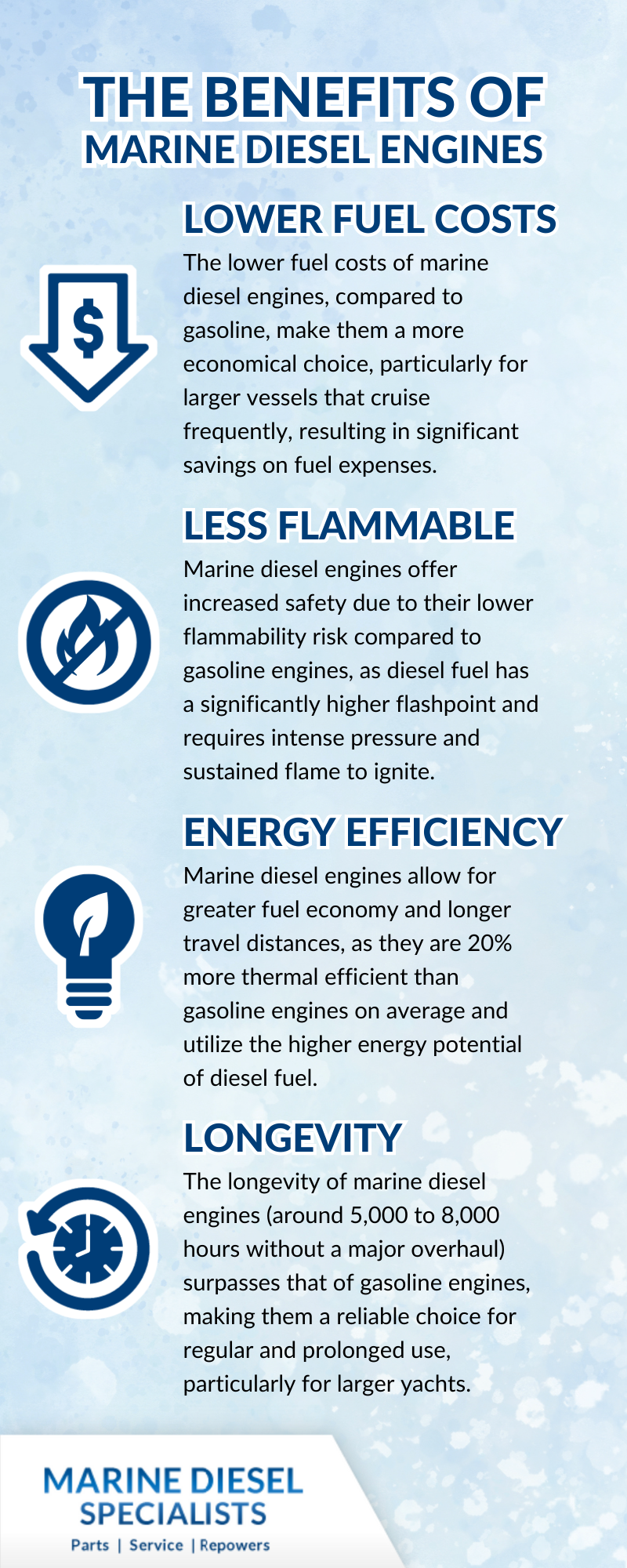
Diesel engines offer clear fuel efficiency benefits that many drivers appreciate. These engines use fuel more effectively, helping to reduce the amount of fuel needed for each trip. This means less frequent stops at the pump and lower overall fuel costs. The design and fuel characteristics make diesel engines stand out in efficiency.
Higher Energy Density
Diesel fuel contains more energy per gallon than gasoline. This higher energy density means diesel engines get more power from the same amount of fuel. As a result, vehicles with diesel engines can travel farther on less fuel. This quality makes diesel a smart choice for those who drive long distances.
Better Fuel Economy
Diesel engines use fuel more efficiently than gasoline engines. They burn fuel slower and at higher pressures, which improves fuel economy. This efficiency helps drivers save money on fuel over time. Many trucks and heavy vehicles prefer diesel for this reason.
Longer Driving Range
Because diesel engines consume less fuel, they offer a longer driving range. Drivers can cover more miles before refueling. This is especially useful for long trips or work vehicles that need to stay on the road longer. The extended range adds convenience and reduces downtime.
Durability And Longevity
Diesel engines are known for their durability and long lifespan. These engines are built to last under tough conditions. Their design and materials help them handle heavy use without breaking down. This makes diesel engines a reliable choice for many vehicles and machines.
Robust Engine Design
Diesel engines have a strong and solid design. They use heavier parts than gasoline engines. The cylinders and pistons are made to handle high pressure. This tough build helps the engine work well for many years. It also makes the engine less likely to get damaged.
Resistance To Wear And Tear
Diesel engines resist wear and tear better than others. The parts inside face less friction and heat. This lowers the chance of damage during use. The fuel also helps keep the engine clean. Less dirt and buildup inside means fewer problems over time.
Extended Engine Life
Diesel engines last longer than most engines. They can run for hundreds of thousands of miles. This long life saves money on repairs and replacements. Many trucks and heavy machines use diesel for this reason. The strong design and fuel efficiency add to the engine’s lifespan.
Performance Advantages
Diesel engines offer notable performance advantages that make them popular in many applications. Their design focuses on power and durability, delivering strong results especially in demanding tasks. These benefits help diesel engines stand out from gasoline engines in several key areas.
High Torque Output
Diesel engines produce high torque at low speeds. This means they can move heavy loads more easily. High torque improves acceleration and pulling power. Vehicles with diesel engines handle tough conditions better. This power is useful for trucks, buses, and large machinery.
Strong Low-end Power
Diesel engines excel at low-end power delivery. They generate strong force even at low RPMs. This makes starting heavy vehicles smoother and easier. Low-end power helps maintain steady speeds on hills or rough terrain. It also improves fuel efficiency during slow driving.
Reliable Under Heavy Loads
Diesel engines perform well under heavy loads for long periods. Their robust construction supports constant stress without breaking down. This reliability is crucial for commercial and industrial use. Diesel engines reduce downtime and maintenance costs. They keep running efficiently in tough work environments.

Cost-effectiveness
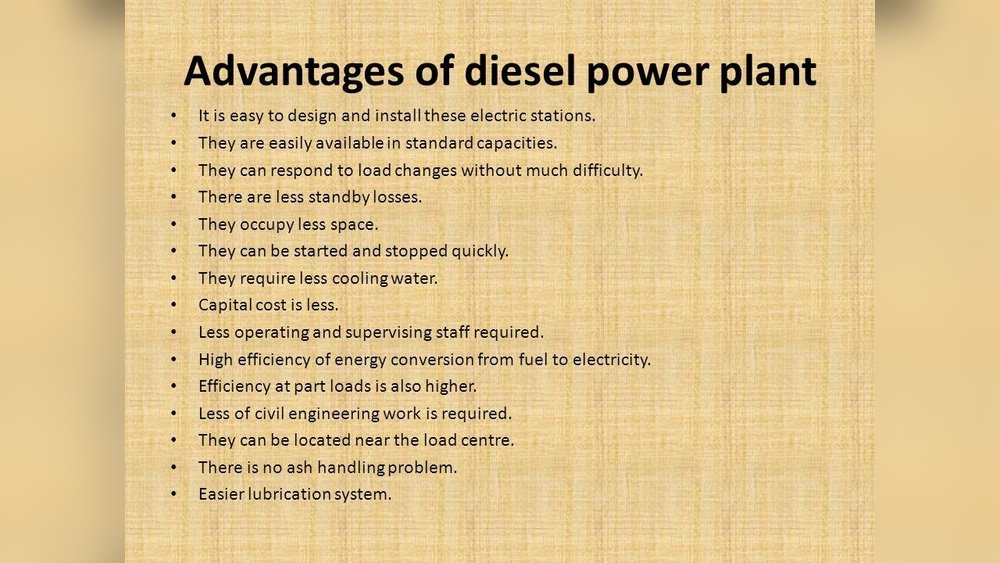
Diesel engines offer strong cost-effectiveness for many users. They save money over time through better fuel use, less frequent repairs, and higher resale prices. These factors make diesel engines a smart financial choice for vehicles and machinery.
Lower Fuel Consumption
Diesel engines use less fuel than gasoline engines. They get more miles per gallon, which cuts fuel costs. This efficiency helps businesses and drivers spend less on fuel every day. Less fuel use also means fewer trips to the gas station.
Reduced Maintenance Frequency
Diesel engines need fewer repairs and less upkeep. They are built to last longer and handle tough work. This durability lowers maintenance costs and saves time. Owners spend less on parts and service over the engine’s life.
Better Resale Value
Diesel vehicles keep their value better than gasoline ones. Buyers often pay more for used diesel engines. This higher resale value helps owners recover more money. It makes diesel engines a good investment for the future.
Environmental Impact
Diesel engines have a notable effect on the environment. Their design and fuel use influence air quality and greenhouse gases. Understanding their environmental impact helps us see their role in reducing pollution and conserving energy. Diesel technology continues to evolve, aiming to lower harmful emissions and support cleaner energy options.
Lower Co2 Emissions
Diesel engines produce less carbon dioxide than gasoline engines. They burn fuel more efficiently, using less fuel per mile. This efficiency results in fewer greenhouse gases released into the air. Lower CO2 emissions help slow climate change and improve air quality.
Advancements In Emission Controls
Modern diesel engines include advanced emission control systems. Technologies like particulate filters and catalytic converters reduce harmful particles. These systems clean exhaust gases before they reach the atmosphere. New rules and innovations keep making diesel engines cleaner and safer.
Use Of Biodiesel Alternatives
Biodiesel is a renewable fuel made from plants or waste oils. Diesel engines can run on biodiesel blends with little or no change. Using biodiesel reduces dependence on fossil fuels and cuts carbon footprints. It burns cleaner and lowers toxic emissions, supporting a healthier environment.

Applications And Versatility
Diesel engines offer great flexibility in their uses. They power many types of machines and vehicles. Their strength and efficiency make them ideal for tough jobs. These engines perform well in various conditions. This section explores where diesel engines find their applications.
Commercial Vehicles
Diesel engines are common in trucks and buses. They provide strong torque for heavy loads. These engines help vehicles run longer distances. Fuel economy is better than many gasoline engines. This saves money on long trips. Diesel engines also last longer under heavy use.
Agricultural Machinery
Many tractors and harvesters use diesel engines. They deliver the power needed for farming tasks. Diesel engines work well in fields and rough terrain. Their durability reduces downtime during busy seasons. Farmers benefit from reliable and efficient machines. This helps increase productivity on farms.
Marine And Industrial Uses
Diesel engines power boats and ships of all sizes. They provide steady power for long journeys at sea. Industries use diesel engines in generators and pumps. These engines run continuously without frequent stops. Their robustness suits harsh environments. Diesel engines keep many operations running smoothly.
Frequently Asked Questions
What Are The Main Benefits Of A Diesel Engine?
Diesel engines offer higher fuel efficiency and better torque than gasoline engines. They provide longer engine life and lower CO2 emissions, making them cost-effective and environmentally friendly.
How Does A Diesel Engine Save Fuel Compared To Gasoline?
Diesel engines use compression ignition, which is more efficient. This process extracts more energy from fuel, resulting in better mileage and reduced fuel consumption.
Why Are Diesel Engines Preferred For Heavy-duty Vehicles?
Diesel engines deliver higher torque at low RPM, ideal for heavy loads. Their durability and fuel efficiency make them perfect for trucks and industrial machinery.
Do Diesel Engines Produce Fewer Emissions Than Petrol Engines?
Diesel engines emit less CO2 but can release more nitrogen oxides (NOx). Modern diesel engines use advanced filters to reduce harmful emissions significantly.
Conclusion
Diesel engines offer strong power and great fuel efficiency. They last longer and need less maintenance. This makes them ideal for heavy work and long trips. Diesel fuel also burns cleaner than before. Many vehicles and machines rely on diesel for these benefits.
Choosing a diesel engine means saving money over time. It also means getting reliable performance every day. These advantages make diesel engines a smart choice. Simple, strong, and efficient—diesel keeps running.


