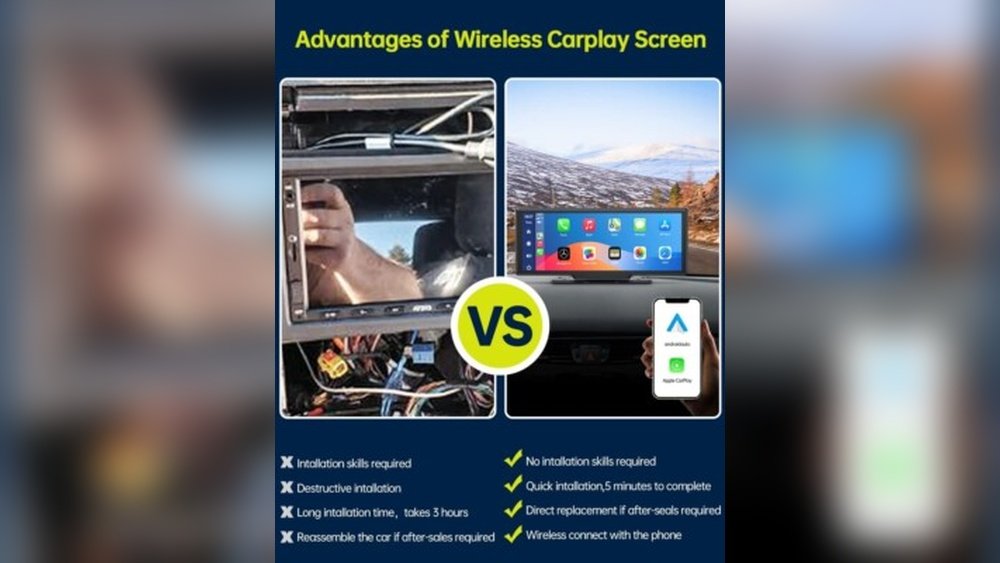
Are you thinking about using Wireless CarPlay in your car? It sounds convenient—no cables, easy access to apps, and hands-free control.
But before you make the switch, it’s important to know that Wireless CarPlay isn’t perfect. There are some hidden downsides that might affect your driving experience more than you expect. If you want to avoid frustration and keep your rides smooth, keep reading.
This article will reveal the key disadvantages of Wireless CarPlay, so you can make the best choice for your car and your safety.
Connectivity Issues
Wireless CarPlay offers convenience but faces connectivity problems. These issues can disrupt your driving experience and cause frustration. Understanding common connectivity problems helps you manage expectations and find solutions.
Frequent Disconnections
Wireless CarPlay often loses connection without warning. This can happen during a call or while using navigation. The constant drop interrupts usage and requires re-pairing. Such disconnections reduce the system’s reliability and comfort.
Limited Range
Wireless CarPlay works best within a short distance. If your phone moves too far from the car’s system, the signal weakens. This limited range means you must keep your device close at all times. Leaving the phone in a bag or pocket far away can cause connection loss.
Interference From Other Devices
Other wireless devices can interfere with CarPlay’s signal. Bluetooth headsets, Wi-Fi routers, and other electronics create signal noise. This interference causes glitches and delays in CarPlay’s response. It makes the connection unstable and affects performance.
Battery Drain Concerns
Wireless CarPlay offers freedom from cables but comes with battery drain concerns. Using it wirelessly means your phone constantly sends and receives data. This process uses more power than a wired connection. Both your phone and car can experience increased energy use. Understanding these effects helps manage device battery life better.
Impact On Phone Battery Life
Wireless CarPlay uses Wi-Fi and Bluetooth simultaneously. These connections consume a lot of battery power. Your phone screen stays on longer while connected. Apps running in the background add to battery use. The phone heats up faster, which also drains the battery. Users often notice shorter phone usage times after long drives.
Increased Power Consumption In Car
Your car’s system works harder to maintain a wireless link. This extra work increases the car’s power use. Some vehicles may show a slight drop in fuel efficiency. The car battery may drain faster if the engine is off. This can cause problems in older cars or those with weak batteries. Keeping this in mind helps avoid unexpected car battery issues.
Compatibility Problems
Wireless CarPlay offers convenience but faces several compatibility problems. These issues affect how well the system works with different cars and devices. Users may find it difficult to enjoy a smooth experience due to these limitations.
Limited Support For Older Vehicles
Many older cars do not support wireless CarPlay. These vehicles often require a wired connection or no CarPlay at all. Upgrading the car’s system can be costly and complicated. This limits who can use wireless CarPlay easily.
Inconsistent Performance Across Devices
Wireless CarPlay does not work the same on every phone. Some models connect faster and stay stable longer. Others may drop the connection or lag. This inconsistency makes the user experience unreliable. Users may need to test their devices before using wireless CarPlay.

Audio And Video Delays
Audio and video delays are common issues with wireless CarPlay. These delays can affect how quickly your commands respond and how smoothly media plays. Such interruptions can make the experience less enjoyable and sometimes frustrating.
Lag In Voice Commands
Voice commands may take longer to register with wireless CarPlay. This lag can cause delays in opening apps or sending messages. The delay happens because data travels wirelessly, which can slow down response time. Users might feel the system is less reliable than wired connections.
Delayed Media Playback
Music and videos can also suffer from delays. Songs might start late or videos can pause briefly. This happens due to wireless signal interference or connection drops. The delay reduces the smoothness of playback and can spoil the entertainment experience.
Security Risks
Wireless CarPlay offers convenience but brings security risks. These risks can affect your personal information and your car’s system. Understanding these issues helps you stay safe while using wireless CarPlay.
Potential For Unauthorized Access
Wireless CarPlay connects through Bluetooth or Wi-Fi. These connections can be vulnerable to hackers. Unauthorized users might access your car’s system without permission. This access could let them control apps or see your location. Public places increase the chance of such attacks.
Data Privacy Concerns
CarPlay shares data between your phone and car. This data includes contacts, messages, and app activity. Wireless transfer can expose this information to interception. Hackers could collect sensitive personal data. Some apps may also collect data without clear user consent.
Higher Costs
Wireless CarPlay offers convenience but comes with higher costs. These expenses can add up quickly and affect your budget. Understanding where these costs come from helps you decide if wireless CarPlay fits your needs.
Expensive Upgrades
Many cars do not support wireless CarPlay out of the box. Upgrading your car’s system can be costly. Some vehicles need a new head unit or infotainment system. These parts often come with a high price tag. Installation fees increase the total cost as well.
Older cars usually require more expensive upgrades. This makes wireless CarPlay less affordable for some drivers. The cost of upgrading can sometimes be close to buying a new car.
Additional Accessories Needed
Wireless CarPlay needs extra accessories for proper function. Some cars require special adapters or dongles. These accessories can cost between $50 to $200 or more. You must also consider the cost of replacement parts over time.
Using third-party accessories may cause connection issues. Choosing reliable products means spending more money. These extra costs make wireless CarPlay less budget-friendly.
Frequently Asked Questions
What Are Common Issues With Wireless Carplay Connectivity?
Wireless CarPlay often faces connectivity drops and delays. Interference from other devices and weak signals cause interruptions. These issues reduce user experience and can be frustrating during navigation or calls.
Does Wireless Carplay Affect Smartphone Battery Life?
Yes, Wireless CarPlay consumes more smartphone battery than wired. Continuous Bluetooth and Wi-Fi use drains power faster, requiring more frequent charging. This can be inconvenient on long trips without charging options.
Can Wireless Carplay Cause Slower Response Times?
Wireless CarPlay may have slight input lag compared to wired connections. Data transfer over wireless networks can introduce delays in commands and app responsiveness. This affects real-time control and media playback smoothness.
Is Wireless Carplay Less Secure Than Wired Carplay?
Wireless CarPlay can be more vulnerable to hacking or unauthorized access. Wireless signals can be intercepted if not properly secured. Wired connections provide a safer, direct link between phone and car system.
Conclusion
Wireless CarPlay offers freedom, but it has clear drawbacks too. Connection can drop, causing frustration on the road. Battery use increases, which may shorten phone life. Sometimes, the setup takes longer than a wired option. Not all cars or phones support wireless CarPlay yet.
Sound quality and response might not always be perfect. Weigh these issues before choosing wireless CarPlay for your car. It’s good to know what to expect for a smooth drive.