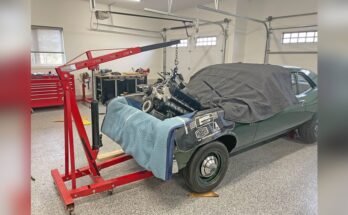
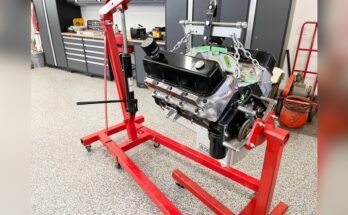
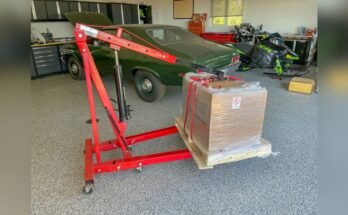
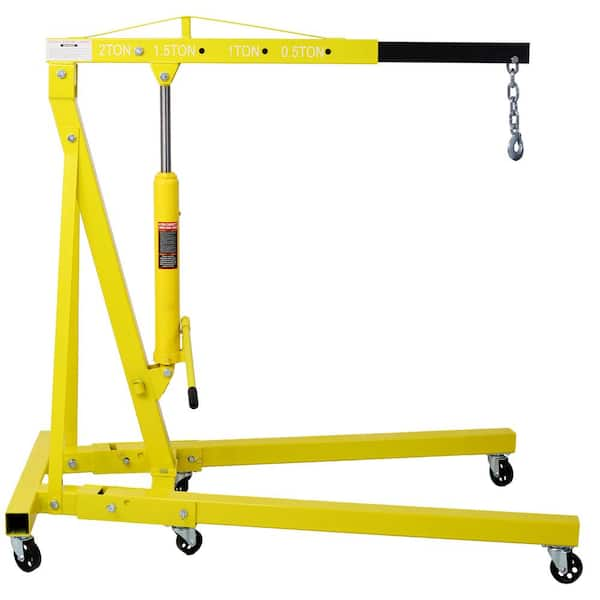
If you’re planning to work on your car engine, you know how important the right tools are. A car engine hoist can make the job much easier and safer, but only if you have the right attachments.
Without them, lifting and moving your engine could turn into a frustrating and risky task. You’ll discover exactly what attachments you need to get the job done smoothly. Keep reading to find out how to make your engine hoist work perfectly for you—saving time, effort, and stress.

Basic Attachments For Engine Hoists
Basic attachments are essential for using a car engine hoist safely and effectively. They help secure the engine and make lifting easier. Without the right attachments, the engine could slip or get damaged. These tools also protect the user by providing better control during the lift.
Lifting Chains And Straps
Lifting chains and straps connect the engine to the hoist. Chains are strong and durable, perfect for heavy engines. Straps are softer and prevent scratches on the engine surface. Both must be rated for the engine’s weight to avoid accidents.
Load Levelers
Load levelers help balance the engine during lifting. They allow you to adjust the angle of the engine. This makes removal and installation easier and safer. A level engine reduces the risk of tipping or falling.
Hooks And Shackles
Hooks and shackles link chains or straps to the hoist. They must be strong and secure to hold the engine weight. Choose hooks with safety latches to prevent slipping. Shackles provide a strong connection and easy attachment.
Specialized Hoist Attachments
Specialized hoist attachments make lifting car engines safer and easier. These tools connect the engine to the hoist in different ways. Each attachment suits a specific task or engine type. Using the right attachment prevents damage and improves control during the lift.
Engine Support Bars
Engine support bars hold the engine from the top. They spread the weight evenly across the engine. This helps avoid pressure on weak spots. The bars attach to the engine’s mounting points. They work well for engines that cannot hang by the lift hook alone.
Engine Cradles
Engine cradles wrap around the bottom of the engine. They provide a secure and stable hold. The cradle supports the engine’s shape and weight. This reduces the risk of slipping or dropping. Cradles are ideal for heavy or irregular-shaped engines.
Adapter Plates
Adapter plates link the hoist hook to the engine’s lifting points. They fit engines with unusual or hard-to-reach mounts. These plates make the hoist compatible with many engine types. They add versatility and safety to engine removal tasks.
Safety Accessories
Safety accessories are essential when using a car engine hoist. They protect you and your vehicle during lifting. These attachments help prevent accidents and keep the engine stable. Using the right safety tools makes the job easier and safer.
Safety Locks And Pins
Safety locks and pins secure the hoist’s moving parts. They hold the arm and chains firmly in place. Without these, the engine might slip or fall. Always check that locks and pins are tight before lifting.
Protective Padding
Protective padding cushions the engine and hoist contact points. It prevents scratches and dents on the engine surface. Padding also absorbs some shock during lifting. Use thick, durable padding for the best protection.
Stabilizing Jacks
Stabilizing jacks keep the hoist steady on uneven floors. They stop the hoist from tipping over during work. These jacks add balance and support for heavy loads. Place jacks under the hoist legs for firm stability.
Choosing The Right Attachments
Choosing the right attachments for a car engine hoist is important for safe and easy work. The right parts help lift engines smoothly and prevent accidents. Each attachment fits different tasks and engine types. Picking the right ones saves time and effort.
Matching Weight Capacity
Check the weight capacity of the hoist and attachments. Attachments must hold the engine’s full weight. Using parts with low capacity risks damage and injury. Always pick attachments rated for at least the engine’s weight. This keeps the lifting process safe and stable.
Compatibility With Engine Types
Different engines need different attachment types. Some engines have unique shapes or mounting points. Choose attachments made for your engine’s design. This ensures a secure hold during lifting. Using the wrong attachment can cause slipping or damage.
Material And Durability
Attachments must be strong and last long. Steel is a common material for durability and strength. Look for parts with rust-resistant coatings. Durable materials handle heavy loads without bending or breaking. This protects your work and equipment over time.
Maintenance And Care For Attachments
Maintaining and caring for car engine hoist attachments is essential for safety and durability. Proper care helps prevent accidents and costly repairs. It also extends the life of your tools. Regular attention keeps the hoist working smoothly and reliably.
Regular Inspection Tips
Check attachments before every use. Look for cracks, rust, or bends. Ensure bolts and pins are tight and secure. Test moving parts to confirm smooth operation. Spot issues early to avoid breakdowns during work.
Cleaning And Storage
Clean attachments after each job. Use a cloth to remove grease and dirt. Avoid harsh chemicals that can damage metal. Store in a dry place to prevent rust. Keep parts organized to find them easily later.
Replacing Worn Parts
Replace worn or damaged parts immediately. Use only manufacturer-approved replacements. Worn hooks, chains, or bolts reduce safety. Regular updates keep the hoist reliable. Don’t ignore small damages; they worsen over time.
Frequently Asked Questions
What Are Essential Attachments For A Car Engine Hoist?
Essential attachments include lifting chains, hooks, and swivel adapters. These secure the engine safely during lifting and removal. Additional items like load levelers help balance the engine for easier handling.
How Do Lifting Chains Improve Engine Hoist Safety?
Lifting chains provide strong, adjustable support for the engine. They prevent slippage and distribute weight evenly. Using quality chains reduces accident risks and ensures stable lifting.
Why Is A Load Leveler Important For Engine Hoists?
A load leveler balances the engine’s weight while lifting. It allows angle adjustment to keep the engine steady. This attachment makes installation and removal more precise and safer.
Can I Use A Car Engine Hoist Without Attachments?
Using a hoist without proper attachments is unsafe. Attachments secure the engine and prevent damage. Always use recommended accessories for safe and effective lifting.
Conclusion
Choosing the right attachments makes engine lifting safe and easy. Chains, hooks, and lifting brackets help hold the engine firmly. Using the proper tools reduces the chance of accidents. Always check that attachments fit your hoist and engine. Proper gear saves time and protects your equipment.
Keep your workspace clean and organized for smooth work. Safety should stay your top priority during every lift. With the correct attachments, engine removal becomes less stressful. Simple steps lead to better results and less damage.