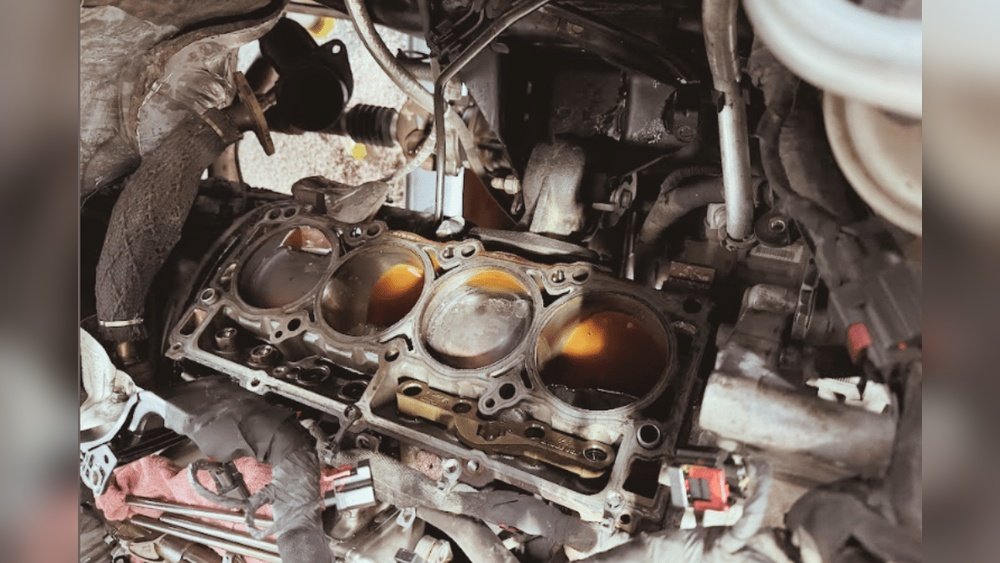
Have you ever wondered what could harm your diesel engine and shorten its life? Knowing what can damage your diesel engine is key to keeping it running smoothly and avoiding costly repairs.
Whether you rely on your diesel vehicle for work or daily driving, understanding the common threats can save you time, money, and frustration. You’ll discover the main factors that can cause serious damage to your diesel engine—and more importantly, how to protect your investment before problems start.
Keep reading to learn what to watch out for and how to keep your engine in top shape.

Fuel Contamination
Fuel contamination is a common cause of diesel engine problems. It harms engine parts and lowers performance. Contaminated fuel clogs injectors and filters. It can cause engine failure and costly repairs. Understanding the types of fuel contamination helps prevent damage.
Water In Diesel Fuel
Water is the most harmful contaminant in diesel fuel. It can enter fuel tanks through condensation or leaks. Water causes rust inside the fuel system. It leads to poor combustion and engine misfires. Water also damages fuel injectors and pumps. Removing water quickly protects the engine.
Dirty Fuel Filters
Fuel filters trap dirt and debris before fuel reaches the engine. Dirty filters block fuel flow and reduce engine power. It causes rough idling and stalling. Regular filter changes keep the fuel clean. Clean filters help maintain smooth engine operation.
Using Wrong Fuel Types
Using the wrong fuel type can severely damage a diesel engine. Gasoline in a diesel engine causes knocking and damage. It damages fuel pumps and injectors. Always use the correct diesel grade. Proper fuel choice ensures engine safety and efficiency.
Poor Maintenance Practices
Poor maintenance practices can cause serious damage to diesel engines. These engines need regular care to run smoothly and last long. Skipping simple tasks can lead to costly repairs and shorten engine life.
Many engine problems start with neglect. Dirt, old oil, and low coolant levels harm engine parts. Regular checks and timely fixes keep the engine healthy and prevent breakdowns.
Irregular Oil Changes
Oil lubricates engine parts and stops wear and tear. Old or dirty oil loses this ability. Irregular oil changes cause sludge build-up, blocking oil flow. This leads to overheating and engine damage.
Changing oil at the right time protects the engine. It keeps parts clean and running smoothly.
Neglecting Air Filters
Air filters stop dust and debris from entering the engine. A clogged filter reduces air flow, making the engine work harder. This lowers fuel efficiency and causes more pollution.
Ignoring air filter maintenance lets dirt damage engine parts. Replacing filters regularly keeps the engine clean and efficient.
Ignoring Coolant Levels
Coolant controls engine temperature and prevents overheating. Low coolant levels cause the engine to run hot. Overheating damages engine components and leads to failure.
Checking and topping up coolant regularly avoids overheating. It keeps the engine at a safe temperature for long life.
Overheating Issues
Overheating issues can severely damage a diesel engine. Heat beyond the normal range causes parts to expand and warp. This leads to poor engine performance and costly repairs. Understanding common causes of overheating helps prevent engine damage. Three main problems often cause overheating: cooling system failures, blocked radiators, and low coolant levels.
Cooling System Failures
The cooling system removes heat from the engine. A failure here stops heat from escaping. Broken water pumps or faulty thermostats block coolant flow. This causes hot spots inside the engine. Over time, these hot spots can crack the cylinder head or damage the gasket. Regular checks of the cooling system keep the engine safe.
Blocked Radiators
Radiators cool hot coolant by passing air through thin fins. Dirt, leaves, or bugs can block these fins. When airflow stops, coolant stays hot. The engine temperature rises quickly. Cleaning the radiator regularly prevents blockages. This simple step protects the engine from overheating risks.
Low Coolant Problems
Coolant carries heat away from the engine. Low coolant means less heat is removed. Leaks or evaporation reduce coolant levels. Without enough coolant, the engine overheats easily. Checking coolant levels often avoids this issue. Always refill with the correct coolant type for your engine.
Lubrication Failures
Lubrication failures cause serious damage to diesel engines. The oil keeps engine parts moving smoothly and stops metal from grinding. Without good lubrication, parts wear out fast and the engine can break down. Understanding common lubrication issues helps protect your engine and save money on repairs.
Using Incorrect Oil
Using the wrong oil harms diesel engines. Oil types vary by thickness and additives. Wrong oil may not flow well or protect parts. It can cause metal wear and overheating. Always use oil recommended by the engine maker. Check the label and oil grade before adding it to the engine.
Oil Leaks And Low Levels
Oil leaks cause the engine to lose lubrication. Low oil levels make parts rub hard against each other. This leads to fast wear and engine damage. Leaks can come from seals, gaskets, or oil pans. Regularly check oil level and look for leaks. Fix leaks quickly to keep the engine safe.
Worn Out Oil Pumps
The oil pump moves oil inside the engine. A worn pump cannot deliver enough oil pressure. This results in poor lubrication of engine parts. Without enough oil, parts overheat and fail. Watch for signs like low oil pressure or strange noises. Replace the pump if it shows wear or damage.
Excessive Engine Loads
Excessive engine loads put a lot of stress on a diesel engine. This stress causes parts to wear out faster. Over time, the engine may lose power or break down.
Many drivers do not realize how certain habits increase engine load. These habits can damage the engine and reduce its life. Understanding these factors helps protect the engine.
Towing Beyond Capacity
Towing more weight than the engine can handle causes strain. The engine works harder to pull the heavy load. This extra effort heats up parts and wears them quickly. Overloading can lead to serious engine damage and costly repairs.
High Rpm Usage
Running the engine at high RPMs for long periods increases wear. High RPM means the engine spins faster than normal. This causes more friction and heat inside the engine. Constant high RPM use reduces engine life and can cause breakdowns.
Frequent Stop-and-go Driving
Stop-and-go traffic makes the engine work harder than steady driving. The engine must restart and accelerate many times. This repeated stress causes parts to wear unevenly. Diesel engines perform best at steady speeds, not in traffic jams.
Turbocharger Damage
The turbocharger is a key part of a diesel engine. It boosts power by pushing more air into the engine. This makes the engine run stronger and more efficient. But the turbocharger can break down. Damage here affects the whole engine’s performance.
Turbocharger damage often happens because of small, avoidable problems. Understanding these issues helps keep the engine safe. Below are common causes of turbocharger damage.
Oil Supply Issues
The turbocharger needs clean oil to work well. Oil cools and lubricates its moving parts. Dirty or low oil can harm the turbo. This causes parts to wear out fast. Oil leaks or blockages stop oil flow. Without enough oil, the turbo overheats and fails.
Foreign Object Damage
Small objects like dust or debris can enter the turbocharger. These items hit the blades inside. The blades bend or break easily. Damaged blades reduce turbo efficiency. This can lead to engine power loss or bigger damage.
Over-speeding The Turbo
The turbo spins very fast to boost engine power. Spinning too fast causes stress on its parts. Over-speeding leads to cracks or broken blades. This can make the turbo stop working. Safe engine use helps avoid this problem.
Faulty Sensors And Electronics
Faulty sensors and electronics can cause serious damage to a diesel engine. These components control important engine functions. When they fail, the engine may run poorly or stop working. Sensors and electronic parts send data to the engine control unit (ECU). The ECU then adjusts fuel delivery, air intake, and other parameters. Faulty signals can lead to wrong engine settings and damage.
Malfunctioning Fuel Injectors
Fuel injectors spray fuel into the engine cylinders. They must work precisely to keep the engine running smoothly. Faulty injectors can cause uneven fuel flow. This leads to poor combustion and engine knocking. Over time, this can damage pistons and valves. Dirty or clogged injectors also reduce engine power and increase emissions. Regular checks can prevent injector problems.
Sensor Failures
Diesel engines have many sensors. Each sensor monitors a specific part of the engine. Common sensors include oxygen sensors, temperature sensors, and pressure sensors. If a sensor fails, it may send wrong data to the ECU. The engine may run too rich or too lean. This causes rough idling, stalling, or increased fuel use. Faulty sensors can also trigger warning lights on the dashboard.
Ecu Problems
The ECU is the brain of the engine. It processes data and controls engine functions. ECU problems can cause poor engine performance. Software glitches or hardware faults disrupt engine timing and fuel injection. This can lead to misfires and loss of power. In some cases, the engine may not start at all. Repairing or replacing the ECU is often needed to fix these issues.
Cold Weather Effects
Cold weather can harm diesel engines in many ways. Low temperatures make engine parts work harder. Diesel fuel and engine oil react differently in cold. These changes can cause serious damage to your engine. Understanding these effects helps keep your engine safe and running well.
Fuel Gelling
Diesel fuel can turn thick and gel in cold weather. This happens because wax crystals form inside the fuel. The crystals block fuel lines and filters. The engine may not get enough fuel to start or run. Using winter diesel or fuel additives can help prevent gelling.
Battery Strain
Cold weather weakens diesel engine batteries. Batteries lose power and struggle to start the engine. The engine needs more power to turn over in cold. A weak battery may fail to start the engine. Checking battery health before winter is very important.
Thickened Oil Issues
Engine oil becomes thicker in cold temperatures. Thick oil moves slower and does not lubricate well. Poor lubrication causes more friction and wear on engine parts. The engine takes longer to warm up and work smoothly. Using the right oil grade for winter protects the engine better.

Frequently Asked Questions
What Common Issues Damage A Diesel Engine?
Common issues include poor maintenance, dirty fuel, overheating, and using low-quality oil. These factors cause wear and reduce engine life.
How Does Dirty Fuel Harm Diesel Engines?
Dirty fuel clogs filters and injectors, causing poor combustion. This leads to engine knocking and reduced performance.
Can Overheating Cause Permanent Diesel Engine Damage?
Yes, overheating can warp engine parts, damage seals, and cause piston failure. It significantly shortens engine lifespan.
Why Is Regular Oil Change Crucial For Diesel Engines?
Regular oil changes remove contaminants and reduce friction. This prevents wear and keeps the engine running smoothly.
Conclusion
Diesel engines face damage from many causes like poor maintenance and bad fuel. Dirt, overheating, and worn parts also harm engine health. Avoiding these problems keeps your engine running strong and long. Regular checks and using quality fuel help prevent damage.
Simple care can save money and time later. Remember, small steps protect your diesel engine every day. Keep it clean, cool, and well-tuned for best results. Your engine will thank you with better performance and longer life.


