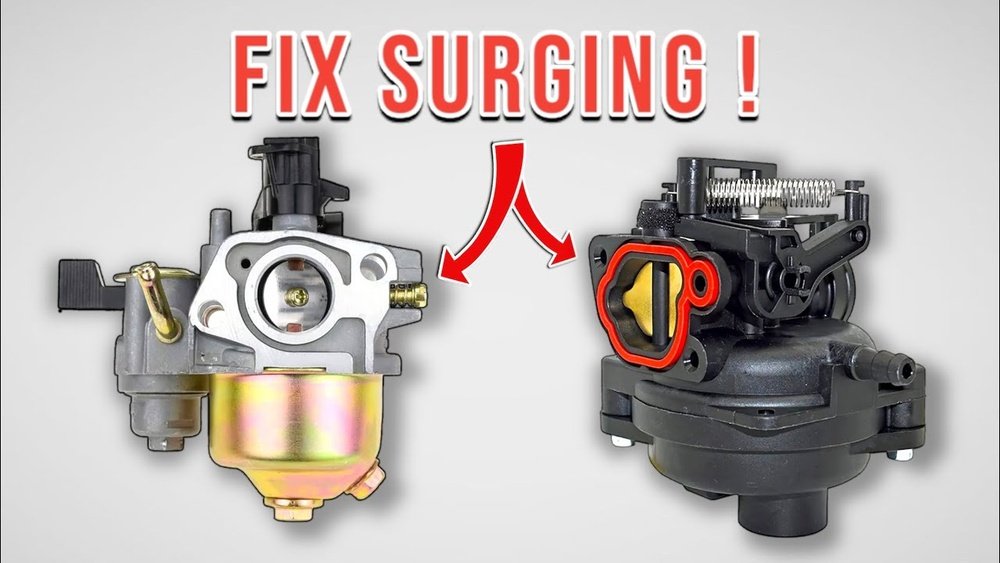
Have you ever felt your car’s engine suddenly speed up and slow down all on its own while you’re driving? That annoying and sometimes scary sensation is called engine surging.
It can make your ride unpredictable and might even signal a deeper problem with your vehicle. But don’t worry—understanding what causes engine surging and knowing how to fix it can save you time, money, and stress. Keep reading, and you’ll discover simple ways to get your engine running smoothly again.
Engine Surging Basics
Engine surging is a common issue that affects many vehicles. It happens when the engine speed rises and falls on its own. This creates a jerking or shaking feeling while driving. Understanding the basics helps you spot the problem early.
Knowing what causes engine surging helps you fix it quickly. It can save you from expensive repairs and keep your car running smoothly.
What Is Engine Surging
Engine surging means the engine RPM changes without pressing the gas pedal. The engine may speed up suddenly and then slow down. This causes uneven power delivery. It often happens at idle or low speeds. Surging can make driving unsafe and uncomfortable.
Common Symptoms
You may notice the engine sounds change suddenly. The car might shake or jerk while driving. Sometimes the RPM gauge moves up and down on its own. The vehicle could stall or hesitate during acceleration. These signs point to engine surging problems.

Key Causes Of Surging
Engine surging happens when the engine speed rises and falls suddenly. This issue makes driving unsafe and uncomfortable. Several parts of the engine can cause this problem. Understanding these key causes helps to fix the surging effectively.
Fuel System Issues
The fuel system delivers fuel to the engine. A clogged fuel filter can block fuel flow. Dirty fuel injectors spray uneven fuel amounts. A faulty fuel pump may cause inconsistent fuel pressure. These problems lead to engine surging and poor performance.
Air Intake Problems
The engine needs clean air to burn fuel properly. A dirty air filter reduces airflow. Leaks in the intake manifold let extra air enter. A bad throttle body can cause uneven air supply. These issues disturb the air-fuel mix and cause surging.
Ignition System Faults
The ignition system creates sparks to burn fuel. Worn spark plugs can misfire or fail to ignite fuel. Faulty ignition coils cause weak or no spark. Bad wiring or connections disrupt the ignition process. These faults cause the engine to surge and hesitate.
Sensor Malfunctions
Engine sensors send data to the computer. A bad oxygen sensor gives wrong air-fuel ratio info. A faulty mass airflow sensor misreads air volume. The throttle position sensor may send incorrect signals. Sensor errors confuse the engine control and cause surging.
Diagnosing Surging Problems
Diagnosing engine surging problems starts with careful observation. Surging happens when the engine speed rises and falls suddenly. Finding the cause requires checking different parts of the engine and its systems. This helps avoid costly repairs and keeps the car running smoothly.
Visual Inspections
Start by checking the engine for obvious issues. Look for loose or broken hoses around the intake and vacuum lines. Check for cracks or leaks in the air filter housing and intake manifold. Inspect spark plugs for wear or damage. Dirty or worn plugs can cause surging. Also, look at the fuel system for leaks or damaged fuel lines.
Using Diagnostic Tools
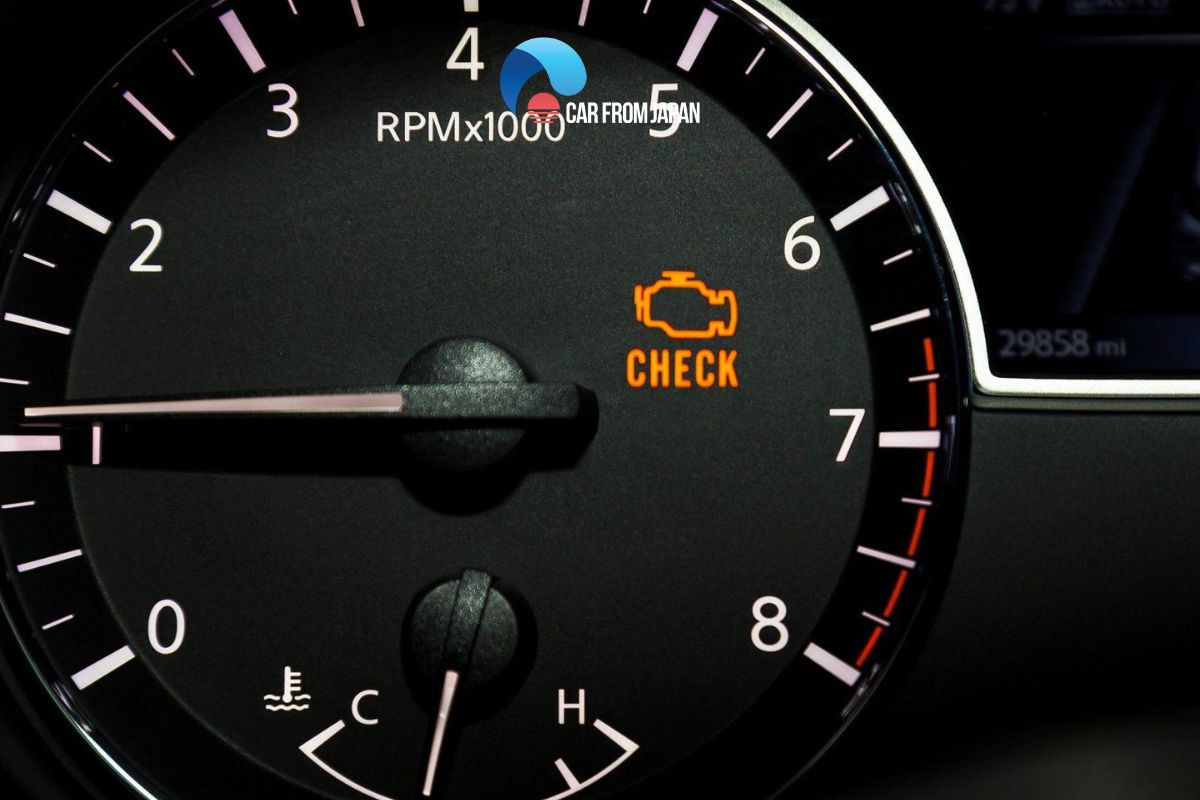
Use an OBD-II scanner to read error codes from the car’s computer. These codes point to specific problems causing surging. Check the oxygen sensor and mass airflow sensor readings. Faulty sensors can send wrong signals, affecting engine speed. Test the fuel pressure with a gauge to ensure proper fuel delivery. Low pressure can cause the engine to surge.
Test Drive Tips
Drive the car in different conditions. Try accelerating, decelerating, and steady cruising. Notice if surging happens during any specific action. Pay attention to engine response and sound. Sudden changes or rough running give clues about the problem. Record these details for better diagnosis and repair.
Fixing Fuel System Issues
Fuel system problems often cause engine surging. The engine may speed up and slow down without control. Fixing these issues can stop the surging and improve car performance.
Fuel system parts must work well to keep the engine steady. Dirt or damage in these parts can disrupt fuel flow. This section covers simple steps to fix common fuel system issues.
Cleaning Fuel Injectors
Fuel injectors spray fuel into the engine. Dirt or buildup can block the spray. Clean injectors help fuel flow smoothly. Use a fuel injector cleaner or visit a mechanic for a deep clean. This improves engine performance and stops surging.
Replacing Fuel Filters
Fuel filters catch dirt before it reaches the engine. A clogged filter reduces fuel flow. Replace the fuel filter every 20,000 to 30,000 miles. A new filter keeps fuel clean and steady. This prevents engine surging and keeps the engine running well.
Fuel Pump Checks
The fuel pump moves fuel from the tank to the engine. A weak or failing pump causes uneven fuel flow. Test the fuel pump pressure with a gauge. Replace the pump if pressure is low. A strong pump ensures smooth fuel delivery and stops surging.
Resolving Air Intake Problems
Air intake problems often cause engine surging. The engine gets too much or too little air, causing it to run unevenly. Fixing these issues helps the engine run smoothly and saves fuel.
Checking Air Filters
Dirty or clogged air filters block airflow to the engine. This makes the engine work harder and can cause surging. Remove the air filter and check for dirt or damage. Replace it if it looks dirty or old. Clean air filters help the engine breathe better and run smoothly.
Inspecting Vacuum Lines
Vacuum lines carry air to different parts of the engine. Cracks or leaks in these lines let extra air in. This confuses the engine’s air sensors and causes surging. Look for cracked, loose, or broken vacuum lines. Replace or fix any damaged lines to keep air flow steady.
Throttle Body Cleaning
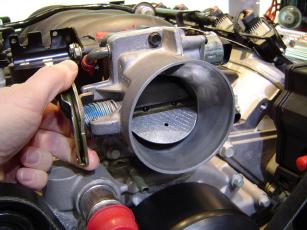
The throttle body controls how much air enters the engine. Dirt and grime can build up here over time. This buildup stops the throttle from opening and closing properly. Remove the throttle body and clean it with a special cleaner. This helps the engine get the right amount of air and stops surging.
Addressing Ignition System Faults
Engine surging often links to problems in the ignition system. This system creates sparks that ignite fuel in the engine. Faults here cause irregular engine speed and poor performance. Fixing these issues stops surging and smooths engine operation.
Check key parts of the ignition system. Replace worn components and test electrical parts. These steps help find and solve ignition faults.
Spark Plug Replacement
Spark plugs wear out over time. Old plugs cause weak sparks and misfires. Replacing them improves spark strength. Use plugs that match your vehicle’s specs. Clean gaps and install plugs properly. This simple fix often stops engine surging.
Ignition Coil Testing
The ignition coil sends electricity to spark plugs. A bad coil causes weak or no spark. Test the coil with a multimeter for resistance. Replace coils that fail tests. Good coils provide consistent sparks. This prevents engine speed from jumping.
Distributor Cap And Rotor
Some cars use a distributor cap and rotor. These parts direct electricity to spark plugs. Cracks or corrosion here disrupt sparks. Inspect the cap and rotor for damage. Replace them if worn or cracked. Proper function ensures steady engine running.
Handling Sensor Malfunctions
Engine surging often ties back to sensor problems. Sensors give the engine data to run smoothly. If one sensor acts up, the engine may surge or hesitate. Fixing sensor issues can stop surging and protect your engine.
Mass Air Flow Sensor
The mass air flow sensor measures air entering the engine. Dirty or faulty sensors send wrong data. The engine gets too much or too little fuel. Clean the sensor gently with a special cleaner. Replace it if cleaning does not help.
Oxygen Sensor
The oxygen sensor checks exhaust gases. It helps control fuel and air mixture. A bad oxygen sensor causes rough idling and surging. Use a scanner to check sensor signals. Replace the sensor if it shows errors.
Throttle Position Sensor
The throttle position sensor tells the engine how much you press the gas pedal. A faulty sensor can confuse the engine control. This causes sudden speed changes or surging. Test the sensor with a multimeter. Replace it if it fails the test.
Preventing Future Surging
Preventing engine surging helps keep your vehicle running smoothly. It also saves money on repairs and avoids sudden breakdowns. Simple habits can reduce the chance of surging and improve engine life. Focus on care and checks to catch issues early. This lowers the risk of damage and keeps your engine steady.
Routine Maintenance Tips
Change your engine oil regularly. Old oil can cause engine parts to wear out faster. Replace air filters on time to keep air flow clean. Check spark plugs and replace them if worn. These small steps stop dirt and wear from causing surging. Stick to your car’s maintenance schedule for best results.
Using Quality Fuel
Use the right fuel grade for your car. Low-quality fuel can cause poor combustion and surging. Buy fuel from trusted gas stations to avoid bad additives. Clean fuel burns better and keeps the engine stable. Avoid letting your fuel tank get too low to prevent debris from entering.
Regular System Checks
Inspect the fuel system and injectors often. Dirty injectors can cause uneven fuel flow and surging. Check for vacuum leaks that disrupt air-fuel mixture. Test sensors like the oxygen sensor and throttle position sensor. Replace faulty parts quickly to keep the engine running smoothly.
Frequently Asked Questions
What Causes Engine Surging In Cars?
Engine surging happens due to inconsistent fuel or air supply. Common causes include dirty fuel injectors, faulty sensors, or vacuum leaks. These issues disrupt engine performance, causing RPM fluctuations and uneven acceleration.
How Can I Fix Engine Surging At Idle?
To fix surging at idle, check for vacuum leaks and clean the throttle body. Inspect spark plugs and fuel injectors. Replacing faulty sensors like the MAF or oxygen sensor may also help stabilize idle speed.
Does A Dirty Fuel Injector Cause Engine Surging?
Yes, dirty fuel injectors can cause engine surging. They disrupt proper fuel delivery, leading to inconsistent engine power. Cleaning or replacing injectors restores smooth fuel flow and improves engine performance.
Can A Faulty Oxygen Sensor Lead To Engine Surging?
A faulty oxygen sensor can cause engine surging by sending wrong data to the engine control unit. This results in incorrect air-fuel mixture adjustments, causing RPM fluctuations and rough engine operation.
Conclusion
Engine surging can cause unsafe driving and damage your car. Common causes include dirty fuel injectors, faulty sensors, or air leaks. Fixing these issues often requires cleaning parts or replacing damaged components. Regular car maintenance helps prevent surging problems. Pay attention to how your engine runs and act quickly.
Keeping your engine steady makes driving smoother and safer. Simple steps can save you money and stress in the long run. Stay aware and keep your car in good shape.


