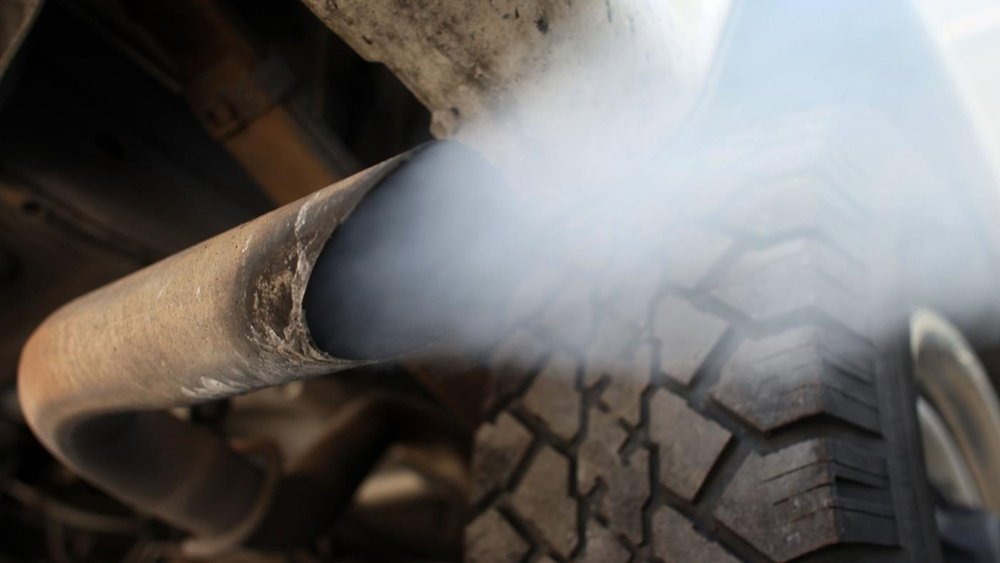
Have you ever noticed white smoke coming from your diesel engine and wondered what it means? Seeing that unexpected puff of white smoke can be worrying, especially if you rely on your vehicle every day.
But don’t panic just yet. Understanding what causes white smoke can help you spot potential problems early and save you from costly repairs. You’ll discover the common reasons behind white smoke from a diesel engine and what you can do to fix it.
Keep reading to protect your engine and keep your ride running smoothly.
Common Signs Of White Smoke
White smoke from a diesel engine often signals a problem. Recognizing the common signs helps you act fast. These signs include how the smoke looks and smells. Also, the timing of the smoke matters. Understanding these signs can prevent bigger engine issues.
Appearance And Odor
White smoke usually looks thick and white. It may have a sweet or fuel-like smell. The smoke can be thin and misty if caused by coolant. A strong fuel odor points to unburned diesel. Noticing these details helps identify the cause.
When Smoke Occurs
White smoke at startup is common in cold weather. It may mean the engine is warming up. Smoke during normal running shows a different problem. It can mean fuel or coolant leaks. Smoke that lasts after warming up is a concern.
Fuel System Issues
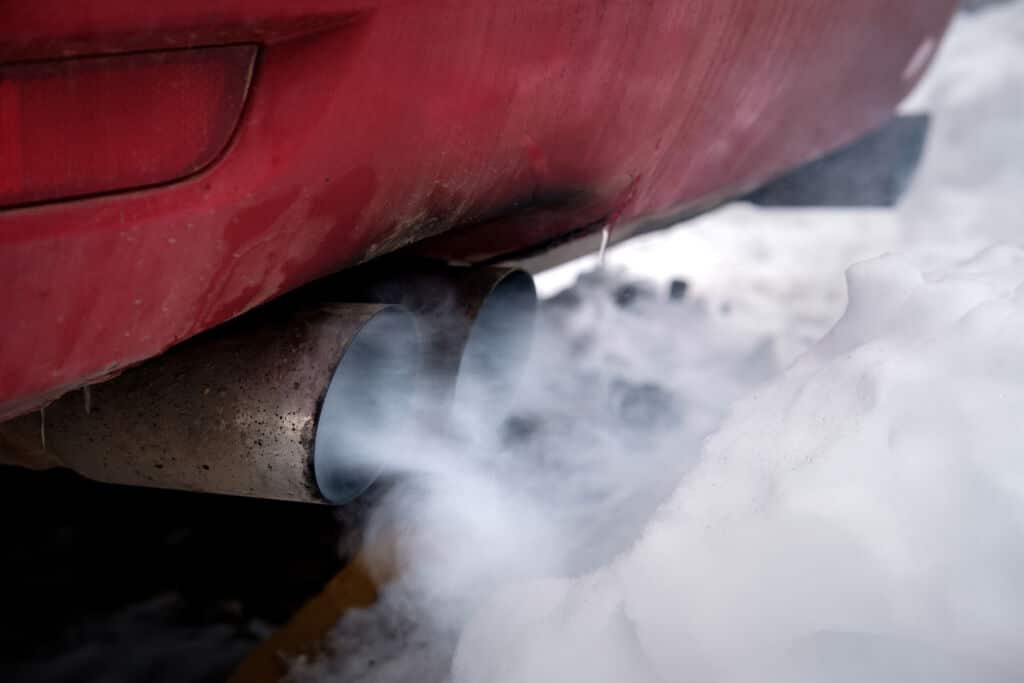
White smoke from a diesel engine often points to problems in the fuel system. This system controls how fuel moves and burns inside the engine. When something goes wrong here, the engine may not burn fuel correctly. This causes white smoke to appear from the exhaust. Understanding common fuel system issues helps find the root cause and fix it fast.
Incorrect Fuel Injection
Fuel injection must be precise. Injectors spray fuel into the engine at the right time and in the right amount. Incorrect injection means fuel enters too early or late. It may also be too much or too little fuel. This disrupts combustion and creates white smoke. Timing and pressure errors often cause this problem.
Contaminated Fuel
Fuel with water, dirt, or other impurities affects engine performance. Contaminated fuel does not burn properly. Water in fuel turns into steam, causing white smoke. Dirt clogs injectors and fuel filters. This leads to poor fuel delivery and more smoke. Clean, quality fuel is essential for smooth engine operation.
Faulty Injectors
Injectors wear out over time. Faulty injectors leak or spray fuel unevenly. This causes poor fuel atomization and incomplete combustion. As a result, white smoke appears from the exhaust pipe. Regular inspection and replacement of injectors keep the engine running clean and efficient.
Engine Coolant Problems
Engine coolant problems are a common reason for white smoke from a diesel engine. Coolant helps keep the engine at the right temperature. When there is an issue with the coolant, it can enter parts of the engine where it does not belong. This causes white smoke to appear from the exhaust pipe. Understanding these problems can help find the cause of the smoke quickly.
Coolant Leaks Into Combustion Chamber
Sometimes, coolant leaks into the combustion chamber. This space is where fuel burns to power the engine. Coolant should never enter this area. When it does, it turns into steam during combustion. This steam leaves the engine as thick white smoke. Coolant leaks here often happen due to cracks or damage in engine parts. Finding and fixing these leaks stops the white smoke.
Blown Head Gasket
The head gasket seals the engine block and cylinder head. It keeps coolant and fuel separate inside the engine. A blown head gasket means this seal is broken. Coolant can flow into the combustion chamber through the gap. This causes white smoke to come from the exhaust. A blown head gasket can also cause engine overheating and poor performance. Repairing or replacing the gasket solves the problem and stops the smoke.
Air Intake And Exhaust Faults
White smoke from a diesel engine often signals issues with air intake and exhaust systems. These faults affect how air and gases move through the engine. Proper air flow is crucial for clean combustion. Any disruption can cause white smoke to appear. Below are common air intake and exhaust faults that cause this problem.
Blocked Air Filters
Air filters stop dust and dirt from entering the engine. A blocked air filter reduces air flow. Less air means poor combustion inside the engine. This causes white smoke to come out of the exhaust. Regularly checking and replacing air filters prevents blockages. Clean air filters help the engine breathe better. This leads to cleaner exhaust smoke.
Exhaust Gas Recirculation Malfunction
The Exhaust Gas Recirculation (EGR) system lowers engine emissions. It recycles some exhaust gas back into the engine. A malfunctioning EGR valve can cause white smoke. Too much exhaust gas enters the engine, affecting combustion. This creates white smoke from unburned fuel. Fixing the EGR system helps reduce white smoke. It also improves engine performance and efficiency.
Cold Start And Weather Effects
White smoke from a diesel engine often appears during cold starts or in cold weather. Low temperatures affect how the engine burns fuel and how moisture behaves inside the exhaust system. Understanding these effects helps explain why white smoke shows up and when it is normal or a sign of a problem.
Condensation In Exhaust
Cold air causes water vapor inside the exhaust to turn into liquid droplets. These droplets mix with exhaust gases and create a white smoke or steam. This smoke usually disappears after the engine warms up. Condensation is a natural result of cold weather and does not mean the engine is damaged.
Cold Engine Operation
When the engine is cold, fuel does not burn completely. The diesel fuel needs a hot cylinder to ignite fully. Cold cylinders cause incomplete combustion, leading to white smoke. The smoke fades as the engine reaches operating temperature and burns fuel better. This effect is common in cold starts and low temperatures.

Mechanical Failures
Mechanical failures in diesel engines often cause white smoke. This smoke results from oil or coolant entering the combustion chamber. Mechanical parts wear out or break, leading to these leaks. Understanding these failures helps identify why white smoke appears.
Worn Piston Rings
Piston rings seal the gap between the piston and cylinder wall. Over time, rings wear out and lose their seal. This allows oil to enter the combustion area. Oil burns with the fuel, creating white smoke. Worn piston rings also reduce engine power and cause rough running.
Valve Seal Damage
Valve seals stop oil from leaking into the combustion chamber. When these seals fail, oil seeps into the cylinders. Burning oil makes white smoke come out of the exhaust. Damaged valve seals also cause increased oil consumption. This problem often needs quick repair to avoid engine damage.
Preventive Measures
Preventing white smoke from a diesel engine starts with simple, regular care. Small steps help avoid big problems. Keep an eye on key areas and take action early. This will keep the engine running clean and smooth.
Follow these basic measures to reduce the chances of white smoke. Consistent care saves money and time on repairs. It also extends the life of the engine.
Regular Maintenance
Check engine parts often. Change oil and filters on time. Use the right oil type for your engine. Clean or replace air filters regularly. Inspect fuel injectors for leaks or clogging. Keep the cooling system in good shape. Coolant levels should be checked often. Clean the engine to remove dirt and grime. Regular maintenance keeps parts working well. It lowers the risk of white smoke.
Using Quality Fuel
Choose diesel fuel from trusted sources. Poor fuel can cause incomplete burning. This leads to white smoke and engine damage. Avoid fuel with water or dirt. Use fuel additives only if recommended. Good fuel keeps the engine clean inside. It helps the engine burn fuel fully. Quality fuel reduces smoke and saves fuel. Always store fuel in clean containers.
When To Seek Professional Help
White smoke from a diesel engine can signal different problems. Some issues may be easy to fix, but others need expert care. Knowing when to seek professional help can save time and money. It also protects your engine from serious damage.
Trusting a skilled mechanic is smart when the smoke does not stop or gets worse. Professionals have tools and knowledge to find and fix the cause safely. Ignoring persistent smoke may lead to costly repairs later.
Persistent Smoke Issues
White smoke that lasts after the engine warms up is a warning sign. It shows fuel or coolant may be entering the combustion chamber wrongly. This could mean bad seals, damaged injectors, or head gasket problems. Persistent smoke lowers engine power and raises fuel use. A professional can check these problems quickly and suggest the best fix.
Diagnostic Testing
Mechanics use special tools to test diesel engines thoroughly. They measure compression, check fuel pressure, and scan for error codes. These tests find hidden faults that cause white smoke. Diagnostic testing saves guesswork and ensures the right repair. Skilled technicians can read results and explain the problem clearly.
Frequently Asked Questions
Why Does My Diesel Engine Emit White Smoke?
White smoke in diesel engines usually indicates unburned fuel. This happens due to incomplete combustion caused by cold starts, faulty injectors, or clogged air filters. It can also mean coolant leakage into the combustion chamber, requiring prompt inspection.
Can White Smoke Damage A Diesel Engine?
Yes, continuous white smoke can harm the engine. It signals issues like coolant leaks or fuel system problems. Ignoring it can lead to engine overheating, corrosion, and reduced performance, increasing repair costs over time.
How To Fix White Smoke From A Diesel Engine?
First, check the fuel injectors and air filters for faults. Inspect for coolant leaks and damaged gaskets. Regular maintenance and timely repairs help prevent white smoke and keep the engine running efficiently.
Is White Smoke Normal During Diesel Engine Startup?
Some white smoke during cold starts is normal. It results from fuel not vaporizing fully in cold conditions. However, persistent white smoke after warm-up indicates an underlying engine problem needing attention.
Conclusion
White smoke from a diesel engine signals an issue needing attention. It often means fuel or air is not right inside the engine. Fixing this early can save money and avoid bigger problems. Regular checks help keep the engine running smooth and clean.
Knowing the cause helps you act fast and keep your vehicle healthy. Stay alert to changes in smoke color and engine sounds. Taking care of your diesel engine keeps it working strong for longer.


