Have you ever turned on your windshield wipers and noticed streaks or missed spots? That frustrating moment could mean your wiper blades are wearing out.
But what exactly causes wiper blades to lose their effectiveness? Understanding why your wiper blades wear out can save you from poor visibility and dangerous driving conditions. You’ll discover the common reasons behind wiper blade wear and how you can keep your blades working smoothly for longer.
Keep reading to protect your safety and get the most from your wipers.
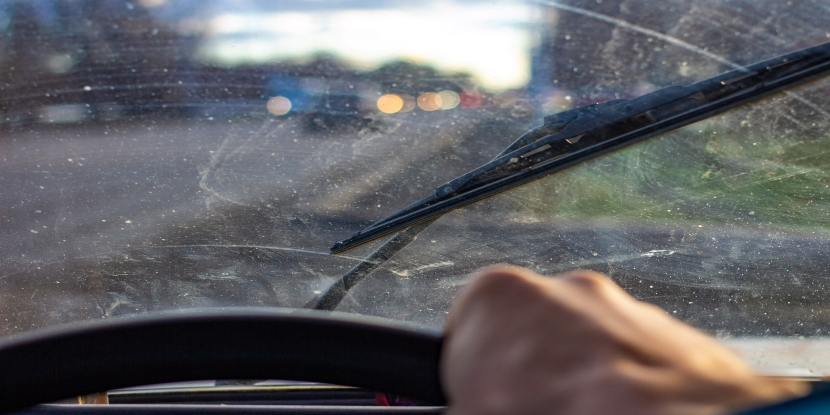
Common Wear Factors
Wiper blades wear out due to several common factors. These factors affect their material and performance. Understanding these causes helps in knowing when to replace them. The main reasons include sunlight, temperature changes, and debris impact.
Exposure To Sunlight
Sunlight causes the rubber on wiper blades to dry out. Over time, UV rays break down the rubber material. This leads to cracks and hardening. Hard blades do not wipe water effectively. They leave streaks and reduce visibility.
Temperature Variations
Cold and hot temperatures affect wiper blades differently. Cold weather can make the rubber stiff and brittle. Hot weather softens the rubber, causing it to lose shape. These changes reduce the blade’s ability to clean the windshield.
Debris And Dirt Impact
Dirt, dust, and small stones hit the wiper blades during use. These particles cause scratches and tears on the rubber edge. Debris can also clog the blades, stopping smooth movement. This damage shortens the blade’s life span.

Material Quality And Design
The quality of materials and the design of wiper blades play a major role in how long they last. Poor materials or weak design cause faster wear. Good quality parts help the blades stay strong and work well for a long time.
Rubber Composition
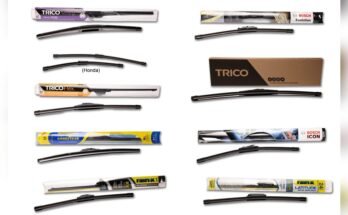
The rubber used in wiper blades must be soft but tough. Natural rubber can crack or dry out quickly under sun and cold. Synthetic rubber often lasts longer and resists weather better. Some blades use silicone rubber, which stays flexible and cleans better in harsh weather. Low-quality rubber wears out fast and leaves streaks on the glass.
Blade Frame Construction
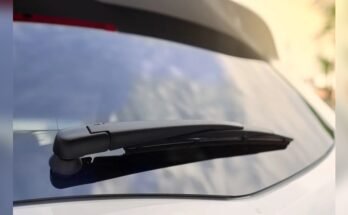
The frame holds the rubber and moves the blade across the windshield. Strong frames keep the blade firm and evenly pressed on the glass. Cheap metal or plastic frames can bend or break easily. A well-built frame allows smooth, quiet wiping and helps the rubber last longer. Designs that protect the rubber from dirt and sun also extend blade life.
Usage Patterns
How you use your wiper blades affects how fast they wear out. Small habits and usage patterns play a big role in their lifespan. Understanding these patterns helps you take better care of them.
Frequency Of Use
The more often you use your wiper blades, the faster they wear down. Frequent wiping wears the rubber and reduces effectiveness. Even dry wiping can cause damage by scraping dirt and debris. Using blades only when needed can help them last longer.
Improper Operation
Using wiper blades incorrectly causes early wear. Running them on a dry windshield creates friction and tears the rubber. Forcing blades over ice or snow can damage the rubber and frame. Always clear heavy debris before using wipers to avoid damage.
Environmental Influences
Wiper blades face many challenges from the environment. These challenges can make them wear out fast. Weather and air quality play big roles in how long your wipers last. Understanding these effects helps you take better care of your blades.
Rain And Snow Effects
Rain and snow put constant pressure on wiper blades. Water and ice can cause the rubber to crack or tear. Cold weather makes the rubber stiff and less flexible. This stiffness makes it hard for blades to clear the windshield smoothly. Snow buildup can also cause extra strain on the wipers. Over time, these conditions break down the rubber. Wiper blades lose their grip and start to streak.
Pollution And Contaminants
Pollution and dirt in the air stick to the wiper blades. Dust, grime, and road salt create rough surfaces on the rubber. These rough surfaces wear down the blade faster. Contaminants can also cause scratches on the glass. This damage affects how well the blades work. Oils and chemicals from pollution can break down rubber materials. This makes the blades weak and less effective over time.
Maintenance Practices
Proper maintenance keeps wiper blades working longer and clears better. Dirt, dust, and grime build up fast on blades. This buildup causes the rubber to crack and wear out. Simple care routines help protect blades from damage and extend their life.
Cleaning Techniques
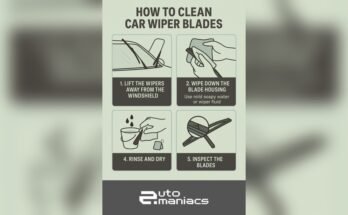
Wipe the blades regularly with a soft cloth. Use a mixture of water and mild soap to remove dirt. Avoid harsh chemicals that can harm the rubber. Clean both the blade and the windshield for best results. This prevents streaks and keeps the rubber flexible.
Storage And Protection
Lift wiper blades off the windshield when parked for long periods. This stops the rubber from sticking to glass and deforming. Park your car in a shaded spot to reduce sun damage. Use a windshield cover to protect blades from dust and ice. Proper storage slows down wear and tear significantly.
Frequently Asked Questions
Why Do Wiper Blades Wear Out Quickly?
Wiper blades wear out quickly due to constant friction against the windshield. Exposure to sunlight, heat, and harsh weather speeds up the deterioration. Dirt and debris also cause scratches, reducing blade effectiveness and lifespan.
How Does Weather Affect Wiper Blade Lifespan?
Extreme weather, like heat, cold, and snow, damages wiper blades. Heat causes rubber to crack, while cold makes it brittle. Snow and ice buildup strain the blades, leading to faster wear and tear.
Can Using Wipers On A Dry Windshield Cause Damage?
Yes, using wipers on a dry windshield increases friction, wearing the rubber prematurely. The lack of moisture causes more resistance, which can lead to streaking and blade damage.
How Often Should Wiper Blades Be Replaced?
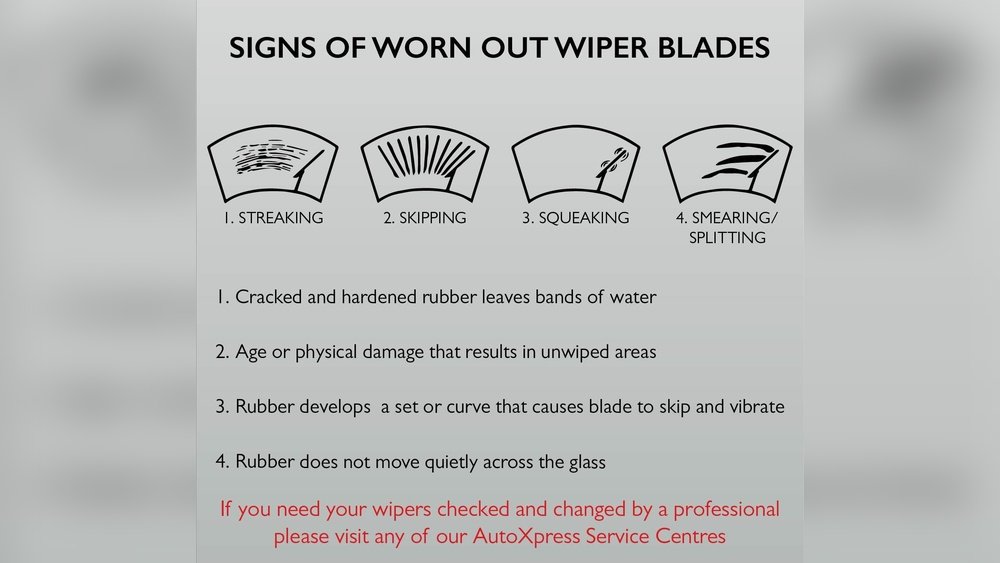
Wiper blades should typically be replaced every 6 to 12 months. Regular inspection for cracks, streaks, or skipping helps determine if replacement is needed sooner.
Conclusion
Wiper blades wear out because of sun, dirt, and weather. These factors break down the rubber over time. Worn blades do not clear your windshield well. This can block your view and cause danger. Regular checks and cleaning help wipers last longer.
Changing them when needed keeps your drive safe. Remember, good wipers mean better visibility in rain or snow. Keep an eye on your wiper blades often. Simple care saves money and keeps you safe on the road.