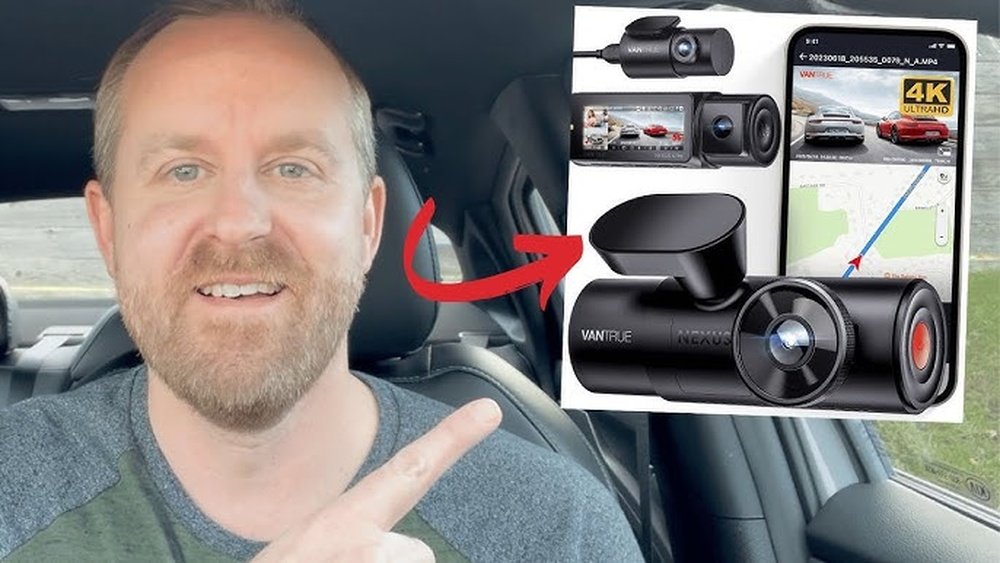
If you drive for a ride-share service, you know how important it is to stay safe and protect yourself on the road. A dash cam can be your best ally, capturing every moment and giving you peace of mind.
But with so many options out there, how do you choose the right one for your needs? You’ll discover which dash cams offer the best features, reliability, and value for ride-share drivers like you. Keep reading to find the perfect match that keeps you covered, no matter what happens behind the wheel.

Key Features For Ride-share Dash Cams
Choosing the right dash cam matters a lot for ride-share drivers. It protects drivers and passengers. It also records important details during trips. Certain features make a dash cam more useful for ride-share work. These features help capture clear videos and keep files safe. They also make the device easy to use. Below are key features that every ride-share dash cam should have.
Video Quality And Resolution
Clear video helps prove what happened in an incident. High resolution, like 1080p or higher, shows more detail. Sharp images help identify faces and license plates easily. Avoid dash cams with low video quality.
Wide-angle Lens Benefits
A wide-angle lens captures more of the road. It records both sides and the front view. This helps cover blind spots and reduces missing important events. A lens with 140 degrees or more is ideal.
Night Vision Capabilities
Many rides happen at night or in low light. Night vision helps record clear videos in dark conditions. Infrared or low-light sensors improve visibility. This feature ensures safety around the clock.
Loop Recording And Storage
Loop recording saves space by overwriting old videos. It keeps the latest footage without manual deletion. Sufficient storage or cloud backup options prevent losing important files.
G-sensor And Impact Detection
The G-sensor detects sudden movements or collisions. It locks and saves the current video automatically. This protects evidence from being deleted or overwritten.
Gps And Speed Tracking
GPS logs the exact location of each trip. Speed tracking shows how fast the vehicle was moving. These details support accurate incident reports and help resolve disputes.
Ease Of Installation
Simple setup saves time and hassle. Dash cams with suction mounts or adhesive make installation quick. Compact design fits well without blocking the driver’s view.
Top Dash Cam Models For 2025
Choosing the right dash cam is important for ride-share drivers in 2025. The best dash cam keeps you safe and records clear videos. It also helps in case of accidents or disputes. Many models offer different features for different budgets and needs.
This guide shows the top dash cam models for 2025. It covers budget-friendly, mid-range, and premium options. Each category has reliable choices that fit various requirements.
Budget-friendly Options
Budget dash cams provide essential features without high costs. Models like the Viofo A119 V3 offer good video quality and easy setup. These cameras record in 1440p resolution and have parking mode. They are compact and do not distract drivers.
Another choice is the Yi Smart Dash Cam. It records in 1080p and has Wi-Fi for quick video sharing. These cameras suit drivers who want basic protection on a budget.
Mid-range Choices
Mid-range dash cams add more features and better video quality. The Garmin Dash Cam 57 stands out with 1440p resolution and voice control. It also has driver alerts for safety.
The Nextbase 322GW offers emergency SOS and intelligent parking mode. It records clear footage and has a user-friendly screen. These models suit drivers wanting extra security and convenience.
Premium Dash Cams
Premium dash cams deliver top video quality and advanced functions. The BlackVue DR900X records in 4K resolution with cloud connectivity. It allows live viewing and remote notifications.
The Thinkware U1000 also offers 4K video and advanced driver assistance. It has parking surveillance and built-in GPS. Premium models are ideal for drivers who want the best protection and features.
Benefits Of Dual-lens Dash Cams
Dual-lens dash cams offer many benefits for ride-share drivers. They record both inside and outside the vehicle. This gives a full view of the driving environment and passenger area.
These cameras help protect drivers and passengers. They provide clear evidence in case of accidents or disputes. Dual-lens dash cams increase safety and peace of mind.
Inside And Outside Coverage
Dual-lens dash cams record the road ahead and inside the car. This means no blind spots. Drivers can capture all important details on the road. At the same time, the inside lens monitors passenger behavior.
This full coverage helps in many situations. It shows what happened outside the car and inside during a ride. This makes it easier to prove facts in case of problems.
Enhanced Security For Drivers
These cameras add an extra layer of security. They deter bad behavior from passengers. Knowing they are recorded can reduce conflicts and damage to the vehicle.
If an incident happens, the footage can be used to protect the driver. It helps with insurance claims and police reports. Drivers feel safer with this kind of protection.
Passenger Interaction Recording
Recording inside the vehicle captures how passengers behave. This can prevent false accusations against drivers. It also shows if passengers follow the ride-share rules.
Good or bad, all interactions are clearly recorded. This helps build trust between drivers and passengers. It also supports fair treatment for everyone during the ride.

Battery Life And Power Solutions
Battery life is a key factor for ride-share drivers choosing a dash cam. Long hours on the road demand reliable power options. A dash cam with poor battery life can stop recording at crucial moments. Finding the right power solution ensures continuous protection and peace of mind. Drivers must understand their options to keep the dash cam running all day.
Hardwiring Vs. Battery Powered
Hardwired dash cams connect directly to the car’s power system. This setup provides steady power without draining the car battery. It allows the dash cam to run even when the engine is off. Battery-powered dash cams rely on an internal battery. They do not need wiring but have limited recording time. Most battery-powered models last 1 to 2 hours off charge. Hardwiring suits drivers who want constant recording. Battery-powered models fit those who want easy installation.
Power Management Tips
Turn off the dash cam during long breaks to save power. Use parking mode sparingly, as it consumes more battery. Check the dash cam’s power settings regularly. Lower screen brightness to reduce power use. Consider a power bank for extra battery support. Regularly inspect wires and connectors for damage. Proper power management extends dash cam life and ensures safety.
Mobile App Integration
Mobile app integration makes a dash cam very useful for ride-share drivers. It connects the camera to your phone. This helps you watch videos, get alerts, and update software easily. A good app saves time and keeps you safe on the road.
Real-time Alerts
Some dash cams send instant alerts to your phone. These alerts warn about sudden impacts or unusual motion. You can react fast if something happens during a trip. This feature helps you stay aware without watching the camera all the time.
Video Access And Sharing
Mobile apps let you view recorded videos right on your phone. You do not need to remove memory cards or connect cables. You can also share videos quickly with customers or insurance if needed. This makes handling incidents simpler and faster.
Firmware Updates
The app can update your dash cam software automatically. Updates fix bugs and add new features. Keeping your dash cam up to date improves performance and security. It is easy to do through the phone app without extra tools.
Legal Considerations For Ride-share Drivers
Ride-share drivers use dash cams to increase safety and protect themselves. Legal rules about recording and using footage vary. Drivers must understand these rules to avoid problems. Knowing the law helps keep drivers and passengers safe.
Recording Consent Laws
Some states require all passengers to agree before recording. Others need just one person’s consent. Ride-share drivers must check local laws. Recording without consent can lead to fines or legal trouble.
Data Privacy And Storage
Dash cams collect personal information about passengers. Drivers should store this data securely. Use password protection and avoid sharing footage without permission. Keeping data safe respects passenger privacy and follows the law.
Using Dash Cam Footage In Disputes
Dash cam videos can prove what really happened in accidents. Courts often accept this footage as evidence. Drivers should keep clear, date-stamped videos. This helps resolve disputes quickly and fairly.
Installation Tips For Ride-share Vehicles
Installing a dash cam in a ride-share vehicle requires careful planning. The goal is clear video without affecting driving safety. Proper setup helps capture important moments and keeps the driver focused.
Optimal Camera Placement
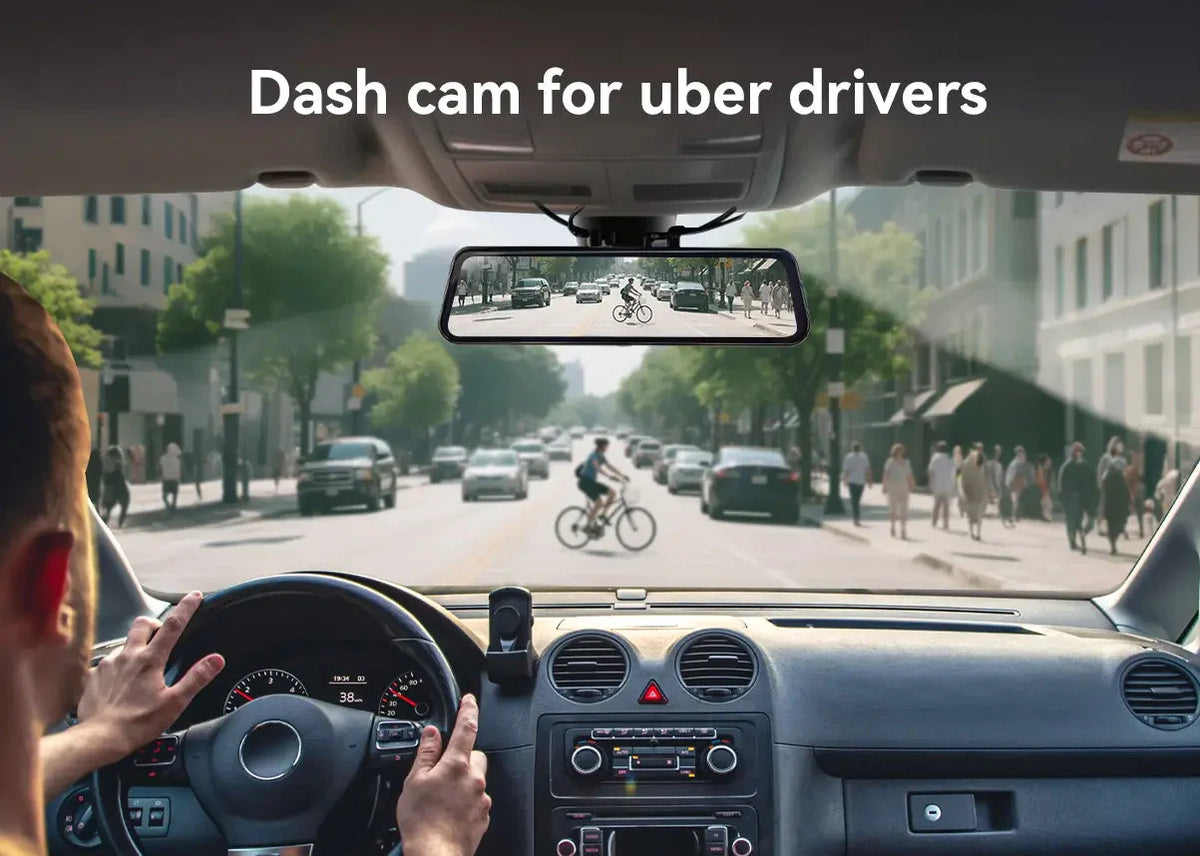
Place the dash cam where it sees the entire road ahead. The center of the windshield, behind the rearview mirror, works best. This spot avoids blocking the driver’s view. It also records the road and passengers clearly.
Avoid placing the camera too low or too high. Too low misses much of the road. Too high may catch too much of the car interior.
Cable Management
Keep cables neat and out of the way. Use clips or adhesive hooks to secure wires along the windshield edges. This stops cables from dangling or distracting the driver.
Run cables along the car’s headliner and down the side panels. This hides them well and prevents tangling. A clean installation looks professional and keeps the car safe.
Avoiding Driver Distraction
Set up the dash cam so it does not distract the driver. Avoid placing it in the direct line of sight. Choose a location that does not interfere with mirrors or controls.
Adjust the screen brightness and volume to low levels. This prevents glare and loud sounds while driving. Test the camera before driving to ensure it stays steady and quiet.
Maintaining And Troubleshooting Your Dash Cam
Keeping your dash cam in good shape is important for ride-share drivers. A well-maintained device records clear videos and works without interruptions. Troubleshooting small problems early stops bigger issues later. Simple steps help your dash cam last longer and stay reliable.
Regular Firmware Updates
Firmware updates improve your dash cam’s performance. They fix bugs and add new features. Check the manufacturer’s website or app often. Download and install updates as soon as they are available. Updated firmware keeps your dash cam running smoothly and safely.
Cleaning And Care
Clean the camera lens regularly for clear videos. Use a soft cloth and gentle cleaner. Avoid harsh chemicals that can damage the lens. Keep the device away from direct sunlight when parked. Store the dash cam safely during long breaks to prevent damage.
Common Issues And Fixes
Sometimes, dash cams may stop recording or freeze. Restart the device to fix minor glitches. Check the memory card for errors or low space. Format the card using the dash cam menu if needed. Loose cables can cause power problems; ensure all connections are tight.
Frequently Asked Questions
What Features Matter Most In A Ride-share Dash Cam?
Key features include wide-angle lens, high resolution, night vision, and loop recording. These ensure clear footage and continuous recording for safety and evidence.
How Does A Dash Cam Protect Ride-share Drivers?
Dash cams record incidents, helping resolve disputes and insurance claims quickly. They provide crucial evidence in accidents or wrongful accusations, ensuring driver protection.
Are Wireless Dash Cams Better For Ride-share Drivers?
Yes, wireless dash cams offer easy installation and fewer cables. They often support cloud storage and remote access, enhancing convenience for busy drivers.
What Is The Ideal Video Quality For Ride-share Dash Cams?
1080p Full HD is ideal, balancing clarity and file size. It captures detailed footage for clear identification without excessive storage use.
Conclusion
Choosing the right dash cam helps protect ride-share drivers every day. Clear video can prove your side in accidents or disputes. Easy-to-use features save time and reduce stress. Consider durability and video quality before buying. A good dash cam offers peace of mind on the road.
Stay safe, stay smart, and drive with confidence.