Have you ever wondered what GPS really does in a dash cam? It’s more than just a fancy feature.
Your dash cam’s GPS can track your exact location, record your speed, and even provide crucial data if something unexpected happens on the road. Understanding this can change how you view your dash cam and the protection it offers. Keep reading to discover why GPS is a game-changer for your driving safety and peace of mind.

Role Of Gps In Dash Cams
GPS plays a key role in modern dash cams. It helps record more than just video footage. This makes the recorded data more useful and reliable. Dash cams with GPS offer detailed information about your drive. This includes your exact route, speed, and time of travel. Such details can help in many situations, like accidents or disputes.
Tracking Location Data
GPS in dash cams tracks your exact location while driving. It records the route you take on a map. This data shows where your car has been at all times. It helps prove your location in case of an accident. It also assists in recovering your car if it gets stolen.
Timestamp Accuracy
GPS provides accurate timestamps for dash cam videos. It records the exact time and date of each event. This helps verify when an incident happened. The correct timestamp adds credibility to the video evidence. It removes doubts about the timing of recorded events.
Speed Monitoring
Dash cams with GPS can measure your vehicle’s speed. They record how fast you are driving at any moment. This data helps confirm if you followed speed limits. It can protect you from false speeding claims. It also helps analyze your driving habits for safety.
Enhancing Evidence With Gps
GPS in a dash cam adds a strong layer of proof to your recordings. It tracks exact locations and times during driving. This data makes video evidence more trustworthy and clear. GPS helps show what really happened in a road incident.
Verifying Incident Locations
GPS shows the exact place of an event. This helps prove where a crash or accident took place. It removes doubts about the location. Police and insurance agents trust this data. It makes reports more accurate and reliable.
Supporting Legal Claims
GPS data supports your case in court or insurance claims. It gives clear proof of your route and speed. This helps show who followed rules and who did not. It can protect you from false accusations. Legal teams value this precise information.
Providing Context To Footage
GPS adds important details to video clips. It shows how fast you were going and where you turned. This context helps explain the situation better. It gives a full picture, not just a video. This makes understanding the event easier for viewers.
Improving Driver Safety
GPS in a dash cam helps make driving safer. It does this by tracking where and how fast a car moves. This information helps drivers stay alert and follow traffic rules. It also helps understand driving habits and plan better routes.
Alerting Speed Violations
GPS in dash cams can warn drivers if they go over the speed limit. It records the exact speed and location. This alert helps drivers slow down before getting into trouble. It also helps avoid accidents caused by speeding.
Monitoring Driving Behavior
GPS tracks driving patterns like sudden stops or fast turns. This data shows if a driver is driving safely or carelessly. Drivers can use this feedback to improve their habits. Safer driving means fewer accidents and less risk on the road.
Assisting In Route Planning
GPS helps find the best and safest routes to a destination. It shows traffic conditions and road hazards. Drivers can avoid dangerous or busy roads. This reduces stress and keeps the journey smooth and safe.
Benefits For Fleet Management
GPS in dash cams offers many benefits for fleet management. It helps fleet managers keep track of vehicles and improve operations. This technology supports better decision-making and increases safety for drivers and cargo. Here are some key benefits of GPS integration in dash cams for fleets.
Real-time Vehicle Tracking
GPS lets managers see where each vehicle is at any time. This helps with quick response to delays or emergencies. Tracking also stops theft and unauthorized use. Managers get live updates on vehicle locations and routes. This visibility improves control over the entire fleet.
Optimizing Routes And Efficiency
GPS data helps find the best routes to save time and fuel. It avoids traffic jams and road closures. Efficient routing lowers costs and boosts delivery speed. Dash cams record routes to analyze and improve future trips. This leads to better use of vehicles and drivers.
Ensuring Compliance And Accountability
GPS tracks driving hours and stops to meet legal rules. It records speeds and driving behavior for safety checks. Managers can prove compliance with transportation laws. GPS data supports fair evaluations of drivers. This builds trust and reduces risks for the fleet.
Technical Features Of Gps Dash Cams
GPS dash cams combine video recording with location tracking. This adds value beyond simple footage. You get detailed data on where and when events happen. Understanding their technical features helps you choose the right model. These features improve safety, evidence, and convenience.
Integration With Mobile Apps
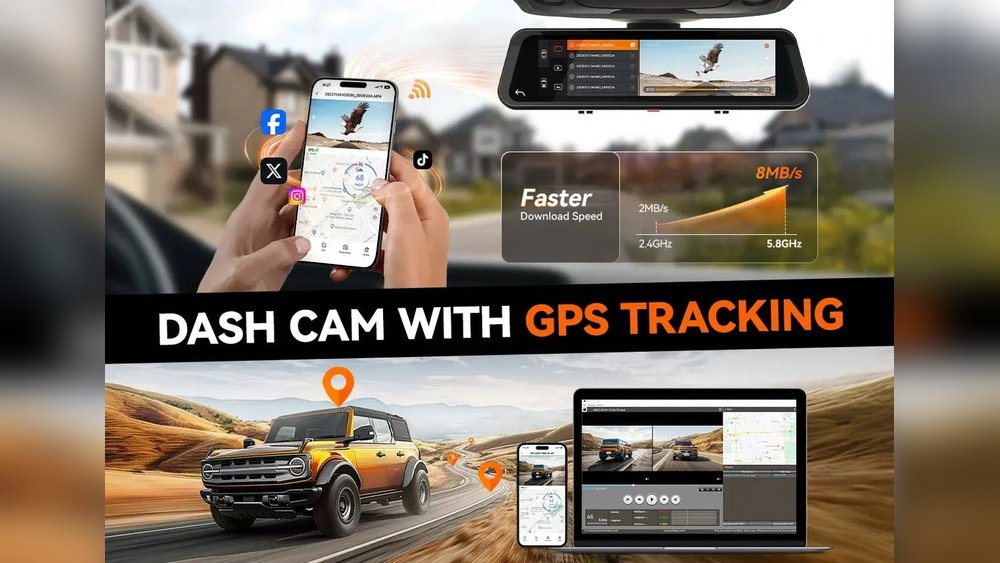
Many GPS dash cams connect to mobile apps. This allows real-time viewing and control from your phone. You can check your car’s location and route easily. Some apps let you download videos directly to your phone. This saves time and makes sharing quick. The app also shows speed and travel history.
Data Storage And Accessibility
GPS dash cams store video and location data together. This information is saved on SD cards or cloud storage. Cloud storage offers easy access from any device. Some models support automatic upload when connected to Wi-Fi. You can review footage and GPS data anytime. This helps with insurance claims and legal proof.
Battery And Signal Considerations
GPS dash cams rely on battery power or car power supply. Battery life varies by model and GPS use. Strong GPS signals need clear sky view outside. Tall buildings or tunnels may block signals. Some dash cams pause GPS tracking in weak signal areas. Always check how the dash cam handles power and signal.
Choosing The Right Gps Dash Cam
Choosing the right GPS dash cam can improve your driving safety and record keeping. A good GPS dash cam tracks your location and speed while recording video. This helps prove what happened during an accident. Picking the right one means balancing features, budget, and reliability. This section guides you through important points for your choice.
Key Features To Look For
Look for accurate GPS tracking with real-time speed and location logging. The dash cam should have clear video quality, day and night. Check if it supports loop recording, so it never stops capturing. A good GPS dash cam also has a G-sensor to detect sudden impacts. Ease of use and a clear display make it better. Consider storage options like microSD card slots for saving footage.
Budget Vs. Functionality
Cheaper models may lack some GPS features or video clarity. Mid-range dash cams often balance price and useful functions. High-end models offer extra features like Wi-Fi and advanced sensors. Decide what features matter most to you. Spending a bit more can mean better reliability and support. Avoid very low-cost options that might fail quickly or lack GPS accuracy.
User Reviews And Recommendations
Check reviews from real users to learn about reliability and performance. Look for comments on GPS accuracy and video quality. Pay attention to feedback on customer service and warranty. Trusted review sites and forums provide honest opinions. Recommendations from drivers can help narrow down choices. User experiences often reveal issues not listed in product descriptions.
Frequently Asked Questions
What Does Gps Do In A Dash Cam?
GPS in a dash cam records your vehicle’s precise location and speed. It helps verify travel routes and times, adding credibility to footage during accidents or disputes.
How Does Gps Improve Dash Cam Footage?
GPS adds location and speed data to videos, providing context to incidents. This info is useful for insurance claims and law enforcement investigations.
Can Gps Track My Vehicle In Real-time?
Most dash cams with GPS log location data but don’t offer real-time tracking. For live tracking, a dedicated GPS tracker is needed.
Does Gps Affect Dash Cam Storage Space?
GPS data requires minimal storage since it’s small text information. It won’t significantly reduce your dash cam’s video storage capacity.
Conclusion
GPS in a dash cam helps track your exact location and speed. It records where and when events happen on the road. This information can be useful for insurance or legal cases. GPS also adds extra details to your video files.
It makes reviewing trips easier and more accurate. Overall, GPS improves the dash cam’s value by giving clear, trusted data. A simple tool but very effective for safe driving.