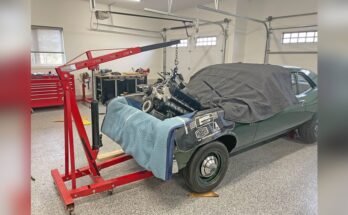
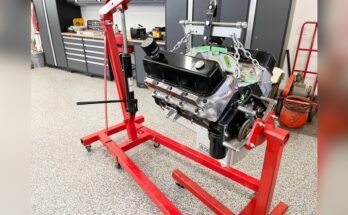
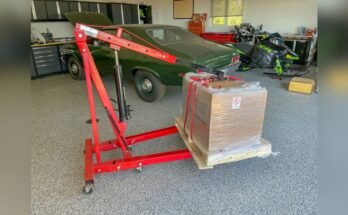
When you’re working on your car, having the right engine hoist can make all the difference. But with so many options out there, how do you know which one is the best fit for your needs?
Choosing the right engine hoist isn’t just about lifting power—it’s about safety, ease, and reliability. You’ll discover the key features you should look for to make your job easier and safer. By the end, you’ll feel confident picking the perfect engine hoist that works for you every time.
Keep reading to find out what really matters when shopping for this essential tool.
Key Specifications
Choosing the right car engine hoist means knowing the key specifications. These details show how well the hoist will work for your tasks. Focus on three main specs to ensure safety and efficiency. Weight capacity, lift height, and build material play a big role in performance.
Weight Capacity
Weight capacity tells you the maximum load the hoist can lift. Always pick a hoist with a capacity higher than your engine weight. This prevents accidents and damage. Check the weight in pounds or kilograms clearly marked on the device. Never overload the hoist beyond its limit.
Lift Height
Lift height means how high the hoist can raise the engine. Different tasks need different heights. A higher lift height helps if you work on tall vehicles or need more clearance. Measure your workspace to find a hoist with enough lift range. Adjustable height options add extra convenience.
Material And Build Quality
The material affects strength and durability. Steel is common for its toughness and long life. Look for thick, solid frames with quality welds. Avoid hoists with flimsy parts or weak joints. Good build quality ensures safety and reliability during heavy lifting.
Types Of Engine Hoists
Engine hoists come in different types. Each type has unique features. Choosing the right one depends on your needs and budget. Understanding the types helps you pick the best hoist for your work.
Hydraulic Hoists
Hydraulic hoists use fluid pressure to lift heavy engines. They have a pump handle to raise and lower the load. These hoists offer strong lifting power and smooth control. They are common in many workshops due to their reliability. Hydraulic hoists require regular maintenance to keep the fluid clean and the system working well.
Electric Hoists
Electric hoists use a motor to lift the engine. They are easier to use because lifting happens with the push of a button. Electric hoists save time and reduce physical effort. They need a power source to work, usually an electrical outlet. These hoists are perfect for frequent use or heavier engines.
Manual Hoists
Manual hoists rely on hand power to lift the engine. They are simple and usually lighter than other types. Manual hoists cost less but require more effort to operate. These hoists are good for small engines or occasional use. They do not need electricity or complex maintenance.
Mobility And Portability
Mobility and portability are key features of a car engine hoist. A hoist that moves easily saves time and effort. It helps you work faster and more safely. Portability means you can store it without trouble. Both features improve your workshop experience.
Wheel Design
Wheels must roll smoothly on different surfaces. Look for wheels made of durable materials like rubber. Larger wheels handle rough floors better. Swivel wheels add easy steering and control. Strong wheels prevent damage to floors and hoist.
Foldability
A foldable hoist takes less space in your garage. Folding parts should be simple to operate. It must lock securely when in use or folded. Compact folding makes transport easier. Choose a hoist that folds quickly and safely.
Storage Options
Storage space is often limited in workshops. A hoist with a small footprint is better. Some models include hooks or holders for tools. Vertical storage saves floor space. Easy storage keeps your workspace neat and organized.
Safety Features
Safety is the top priority when using a car engine hoist. The right safety features protect both the user and the engine. These features prevent accidents and keep the work smooth. Understanding key safety aspects helps pick a reliable hoist. Focus on locking mechanisms, stability, and load control.
Locking Mechanisms
Locking mechanisms hold the engine securely in place. They stop the engine from slipping during lifting or moving. Look for strong, easy-to-use locks. Good locks reduce the risk of sudden drops or shifts. They give confidence while working on heavy engines.
Stability Enhancements
Stability keeps the hoist steady under weight. Wide bases and strong legs improve balance. Some hoists have adjustable feet for uneven floors. Stability features prevent tipping over during use. A stable hoist means safer lifting and less effort.
Load Control
Load control helps manage the engine’s weight safely. Hydraulic systems with smooth operation allow precise lifting. Check for overload protection to avoid lifting beyond limits. Proper load control reduces strain on the hoist and user. It ensures the engine moves smoothly and safely.
Ease Of Use
Ease of use is a key factor in choosing a car engine hoist. A tool that is simple to operate saves time and effort. It also reduces the chance of accidents or mistakes. Comfort and control during use make the job more efficient and less tiring. Focus on features that improve handling and setup.
Adjustable Boom
An adjustable boom allows you to change the hoist length. This helps reach different engine sizes and positions. It makes lifting safer by keeping the load balanced. You can work on various vehicles without needing multiple hoists. Adjustments should be easy and quick.
Handle Design
The handle should offer a good grip and control. A well-designed handle reduces strain on your hands and wrists. Look for padded or textured surfaces to prevent slipping. The handle’s length and shape impact how smoothly you can lift. Good design means less effort and better safety.
Assembly Requirements
Check how much assembly the hoist needs before use. Some models come almost ready, while others need full assembly. Choose one with clear instructions and fewer parts for easy setup. A quick assembly saves time and frustration. It also means you can start work sooner.

Maintenance And Durability
Maintenance and durability are key for a car engine hoist. A hoist that lasts saves money and time. Durable materials and easy upkeep keep the hoist working well. Strong construction means it handles heavy loads without bending or breaking. Regular care helps avoid problems and extends the tool’s life.
Corrosion Resistance
Rust weakens metal and can cause failure. Choose a hoist with corrosion-resistant coatings. Powder coating or paint protects the metal from moisture. Stainless steel parts resist rust better than plain steel. This feature ensures the hoist stays strong even in damp places.
Replaceable Parts
Parts may wear out after long use. A hoist with replaceable parts saves money. Look for models with easy-to-find spare parts. Being able to change wheels, hooks, or bolts keeps the hoist safe. This reduces downtime and avoids buying a new hoist early.
Warranty And Support
A good warranty shows the manufacturer trusts their product. It protects you if the hoist breaks early. Support from the company helps with repairs and questions. Check for clear warranty terms and customer service options. This gives peace of mind and helps maintain the hoist properly.
Budget Considerations
Budget plays a key role in choosing the right car engine hoist. It affects your options and the hoist’s quality. A clear budget helps focus on suitable products. Balancing cost with features is important for smart buying.
Cost Vs Quality
Cheap hoists may save money upfront but often lack durability. Quality hoists use better materials and last longer. Spending a bit more usually brings better safety and performance. Avoid very low-cost models that break easily or fail safety checks.
Brand Reputation
Trusted brands offer reliability and good customer support. They often provide warranties and service options. Check reviews to see how brands perform over time. A well-known brand reduces the risk of poor quality.
Long-term Investment
Think beyond the initial price. A strong hoist can save money on repairs and replacements. Durable models reduce downtime and increase work efficiency. Investing in quality means fewer problems and better results later.


Frequently Asked Questions
What Weight Capacity Should A Car Engine Hoist Have?
Choose a hoist with a weight capacity exceeding your engine’s weight. This ensures safety and prevents equipment failure during lifting tasks.
Why Is Mobility Important In A Car Engine Hoist?
Mobility allows easy positioning and storage of the hoist. Wheels or casters improve maneuverability around tight garage spaces, enhancing convenience.
How Does Adjustable Boom Length Benefit Engine Hoists?
Adjustable booms accommodate different engine sizes and workspace requirements. This flexibility makes the hoist versatile for various lifting jobs.
What Safety Features Are Essential In An Engine Hoist?
Look for safety locks, sturdy construction, and overload protection. These features prevent accidents and improve user confidence during engine removal or installation.
Conclusion
Choosing the right car engine hoist matters a lot. Focus on strong build and good weight capacity. Easy movement and safe locking make work smoother. Check for adjustable height and clear instructions too. A reliable hoist saves time and effort.
It keeps you safe while lifting heavy parts. Pick one that fits your needs and budget. This way, engine work becomes easier and safer for you.