Have you ever struggled with streaky or noisy windshield wipers that just don’t seem to do their job right? If so, you’re not alone.
Your wiper blades play a crucial role in keeping your vision clear and your driving safe, especially when the weather turns bad. That’s why understanding what a frameless wiper blade is can make a big difference for you and your car.
You’ll discover why frameless wiper blades might be the upgrade your vehicle needs—and how they can improve your driving experience every time you hit the road. Keep reading to learn more!
Frameless Wiper Blade Basics
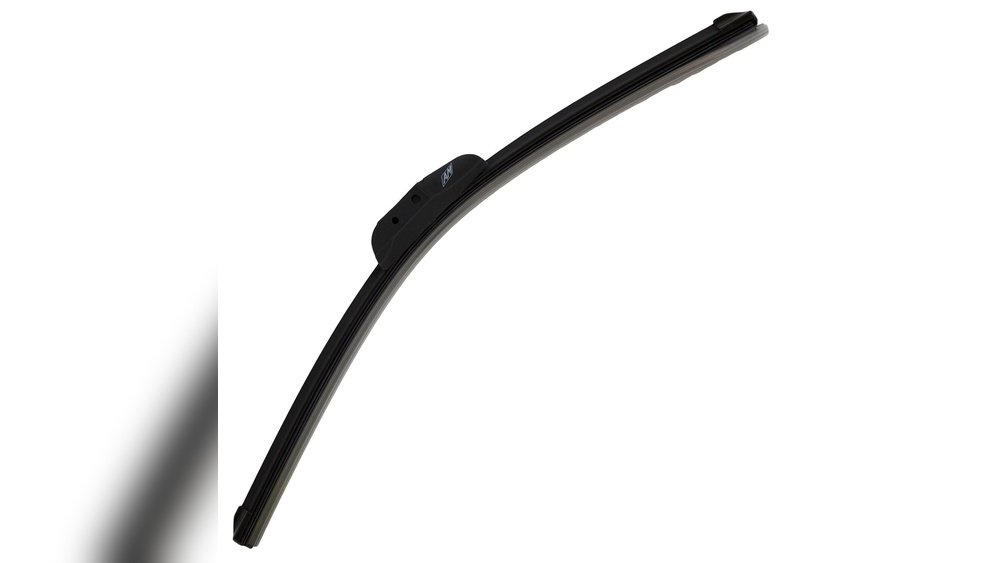
Frameless wiper blades offer a fresh design for car windshields. They look sleek and provide smooth wiping. Without the metal frame, they fit close to the glass. This helps clear rain and dirt better.
These blades work well in strong winds and cold weather. Their simple style means fewer parts can break. Many drivers prefer frameless blades for cleaner, quieter performance.
How Frameless Blades Work
Frameless blades use a flexible rubber strip. This strip presses evenly on the windshield. The pressure removes water and debris in one swipe.
The blade bends to match the curve of the glass. This gives a smooth, streak-free clean. Without a frame, the blade stays close to the glass at all points.
Key Components
The main part is a strong rubber blade. It wipes away water and dirt. A tension spring runs inside the blade. This spring keeps the blade tight and flexible.
The blade attaches to a small plastic or metal connector. This piece links the blade to the wiper arm. These parts work together for steady, reliable wiping.

Benefits Of Frameless Wipers
Frameless wiper blades offer several advantages over traditional ones. Their design improves the overall performance of your vehicle’s windshield wipers. These benefits make driving safer and more comfortable in bad weather. Below are some key benefits of frameless wipers.
Improved Aerodynamics
Frameless wipers have a sleek, low-profile design. This reduces wind resistance during driving. Less wind resistance means quieter operation at high speeds. It also helps the blade stay firmly on the windshield. This improves wiping efficiency and visibility.
Enhanced Durability
Without the metal frame, there are fewer parts to wear out. The flexible rubber design resists cracking and tearing. It also handles extreme weather better than traditional blades. This means frameless wipers last longer and need fewer replacements.
Smoother Operation
Frameless blades apply even pressure across the windshield. This results in cleaner and clearer wiping. They glide smoothly without skipping or streaking. The uniform contact reduces noise and vibration during use. This makes for a more comfortable drive in rain or snow.
Comparing Frameless And Traditional Wipers
Frameless and traditional wiper blades serve the same purpose but differ in design and function. Understanding these differences helps in choosing the right blade for your vehicle. Both types clear water and debris, but their structure affects their performance and maintenance needs.
Design Differences
Traditional wiper blades have a metal frame supporting the rubber blade. This frame holds the blade firmly against the windshield. Frameless blades use a solid piece of rubber without a metal frame. They rely on flexible materials to press evenly across the glass. This design reduces pressure points and allows a smoother wipe.
Performance In Various Conditions
Traditional blades work well in mild weather. Their frame can get clogged by ice or snow. Frameless blades resist ice buildup better because they lack exposed metal parts. They also adapt better to curved windshields. Both types clear rain effectively, but frameless blades tend to leave fewer streaks.
Cost And Maintenance
Traditional blades usually cost less upfront. Their metal frames may need more frequent replacement in harsh weather. Frameless blades cost more but last longer in tough conditions. They require less cleaning since dirt and ice don’t stick easily. Choosing the right blade depends on budget and weather conditions.
Choosing The Right Frameless Blade
Choosing the right frameless wiper blade is important for clear vision and safety. These blades offer a sleek design and better performance. Picking the right one means checking a few key points. Size, material, and brand all play a role in how well the blade works.
Let’s look at what to consider when selecting a frameless wiper blade.
Size And Fit
Size matters for a proper fit on your windshield. Measure your old wiper blade or check your car manual for the right length. Frameless blades come in various sizes. A wrong size may cause poor wiping or damage. Always choose the size that matches your car’s needs.
Material Quality
The quality of the blade material affects durability and performance. Look for blades made with natural rubber or silicone. These materials resist cracking and wear. Silicone blades often last longer and work better in cold weather. Avoid cheap materials that tear or leave streaks.
Brand Recommendations
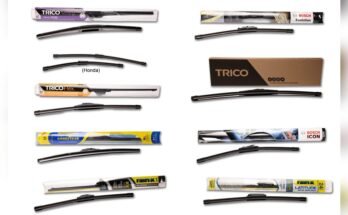
Some brands are known for making reliable frameless blades. Trusted brands often use better materials and designs. Check customer reviews and ratings for real feedback. Popular brands include Bosch, Rain-X, and ANCO. Choosing a well-known brand helps ensure good quality and support.
Installation Tips
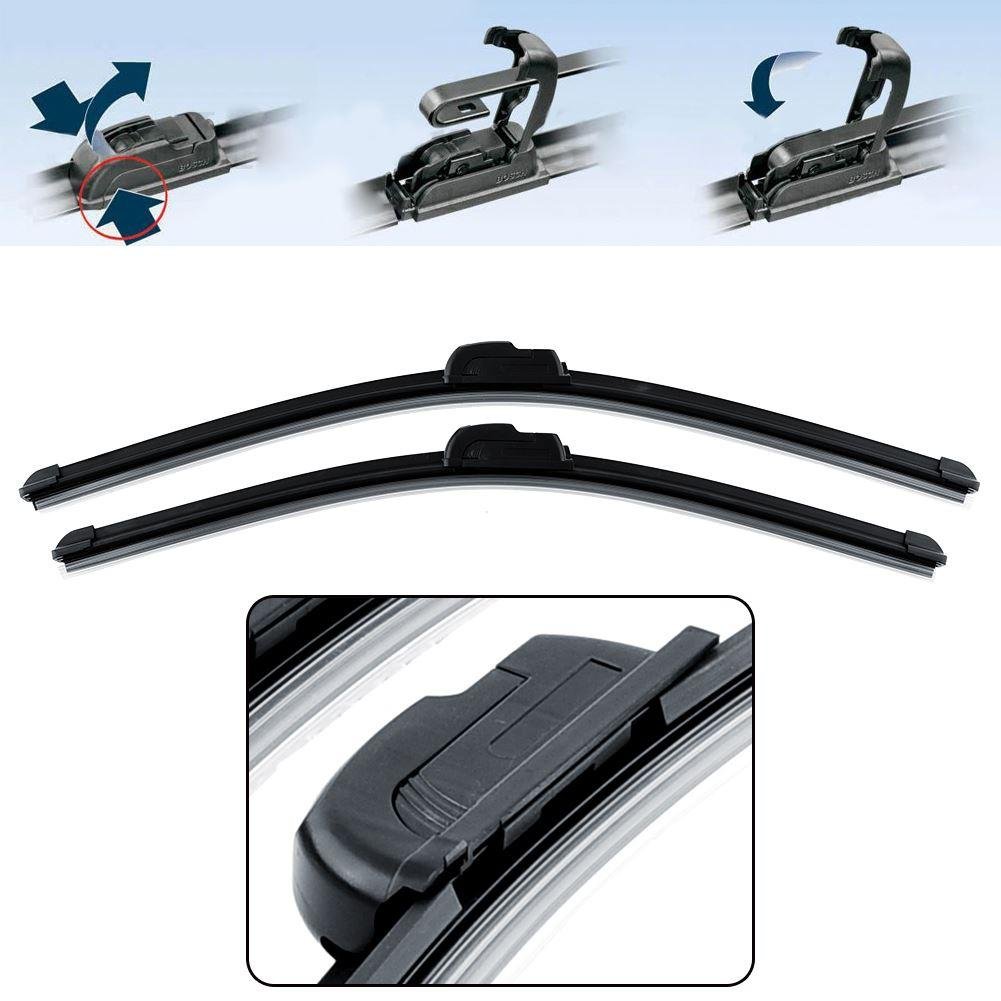
Installing frameless wiper blades is simple with the right steps. Proper installation ensures better performance and longer blade life. Follow clear instructions to avoid damage or poor wiping.
Step-by-step Guide
First, lift the wiper arm away from the windshield carefully. Avoid letting it snap back.
Next, press the small tab or button on the old blade to release it. Slide the blade off the arm.
Take the new frameless blade and align it with the wiper arm hook. Slide it until it clicks into place.
Lower the wiper arm gently back to the windshield. Repeat the process for the other side.
Test the wipers to check for smooth movement and clear wiping.
Common Mistakes To Avoid
Do not force the blade onto the arm. It can break the blade or arm.
Avoid touching the rubber edge of the new blade. Oils from fingers reduce its life.
Never let the wiper arm snap back onto the windshield. It can crack the glass.
Do not mix old and new blades. Both blades should be replaced at the same time.
Make sure the blade is securely locked. Loose blades may fall off during use.

Maintaining Frameless Wipers
Maintaining frameless wipers helps keep your windshield clear and your drive safe. These wipers need care to work well and last longer. Regular checks and simple cleaning can prevent streaks and noise. Understanding how to care for them makes a big difference in performance.
Cleaning Techniques
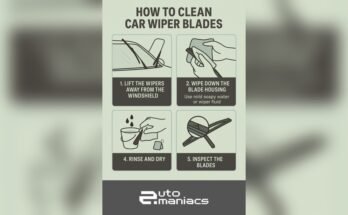
Use a soft cloth or sponge for cleaning. Dampen it with water or mild soap. Wipe the blade gently along its entire length. Avoid harsh chemicals that can damage the rubber. Clean both the blade and the windshield surface. This removes dirt and debris that cause scratches.
Replacement Frequency
Replace frameless wipers every six to twelve months. Check for cracks, tears, or missing pieces before replacing. If the wiper leaves streaks or makes noise, it needs changing. Weather conditions can affect the lifespan. In rainy or snowy areas, replace more often for best results.
Troubleshooting Issues
Frameless wiper blades offer a sleek design and smooth wiping action. Yet, they can face common issues that affect their performance. Knowing how to troubleshoot these problems helps keep your windshield clear and safe.
Noise And Streaking
Noise often means the blade is dirty or worn out. Dirt can stick to the rubber, causing a squeaky sound. Streaks appear when the blade does not wipe evenly. Clean the blade and windshield regularly. Replace the blade if it shows cracks or tears.
Blade Skipping
Skipping happens if the blade loses contact with the glass. This may occur due to poor tension or a bent frame. Check if the blade fits well on the arm. Adjust the arm or replace the blade to fix skipping.
Reduced Visibility
Reduced visibility can be dangerous during rain or snow. It often results from worn rubber or a damaged blade edge. Inspect the blade for any damage. Clean the windshield and blade before driving in bad weather.
Frequently Asked Questions
What Is A Frameless Wiper Blade?
A frameless wiper blade is a sleek, modern wiper without a metal frame. It uses a flexible rubber structure. This design offers better windshield contact and smoother wiping in all weather conditions.
How Do Frameless Wiper Blades Work?
Frameless wiper blades use a tensioned rubber beam. This beam evenly presses the blade against the windshield. It reduces streaking and improves visibility by adapting to curves.
What Are The Benefits Of Frameless Wiper Blades?
Benefits include quieter operation, better aerodynamics, and improved durability. They resist ice and snow buildup. These blades also provide consistent pressure for a cleaner wipe.
Are Frameless Wiper Blades Better Than Traditional Ones?
Yes, frameless blades generally outperform traditional framed blades. They offer enhanced performance in rain and snow. Their flexible design reduces wind lift and noise.
Conclusion
Frameless wiper blades offer a smooth and quiet wipe. They fit closely to the windshield, clearing water effectively. Their simple design means fewer parts can break. Many drivers prefer them for better visibility in rain. Choosing the right wiper blade helps keep your drive safe.
Remember to check your blades often and replace them when needed. Clear windows make driving easier and safer for everyone. Frameless blades combine style and function in one package. A small change that makes a big difference on the road.