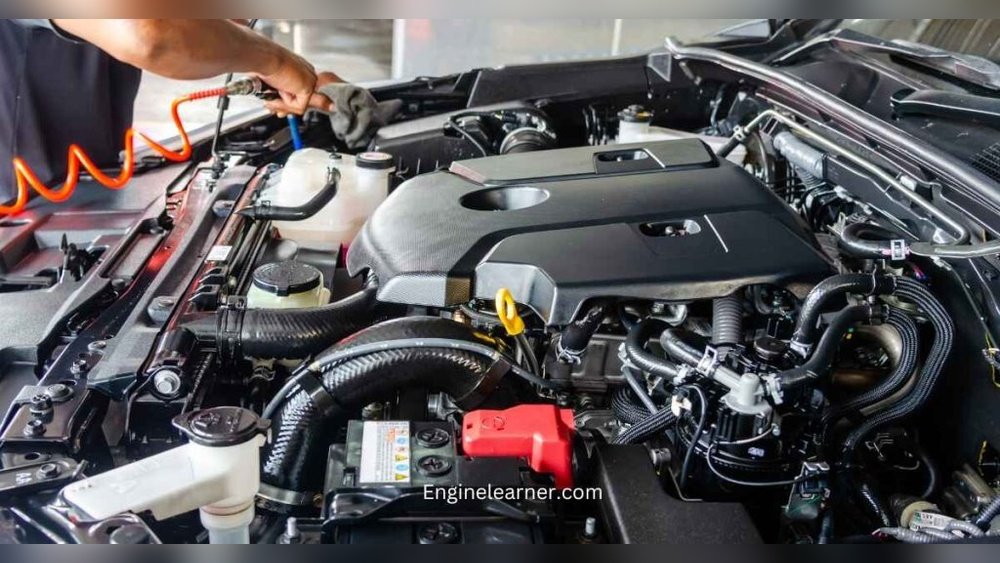
Are you curious about what makes an EcoBoost engine stand out from the rest? If you want a powerful engine that saves fuel and reduces emissions, understanding EcoBoost is key.
You’ll discover exactly how this engine works and why it could be the smart choice for your next vehicle. Keep reading to learn how EcoBoost technology can give you more power without costing you extra at the pump.

Ecoboost Engine Basics
The EcoBoost engine is a type of engine designed to give more power and better fuel efficiency. It combines several technologies to make the engine smaller but strong. This helps cars use less fuel and produce fewer emissions. Understanding the basics of EcoBoost can help you see why it is popular in many vehicles.
The engine uses modern methods to get the most out of every drop of fuel. It does this without making the car slow or less powerful. Let’s look at the main parts that make EcoBoost work.
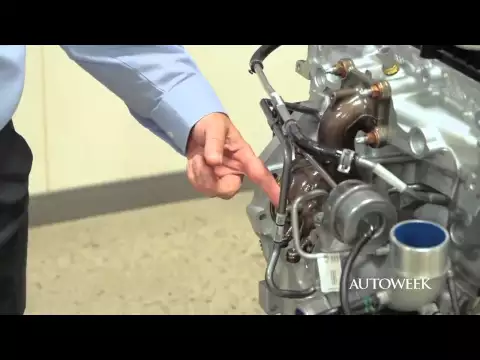
Turbocharging Technology
Turbocharging uses exhaust gases to spin a turbine. This turbine pushes more air into the engine’s cylinders. More air means more oxygen for burning fuel. This creates more power from a smaller engine. Turbochargers help improve performance without using extra fuel.
Direct Fuel Injection
Direct fuel injection sprays fuel directly into the engine’s cylinders. This allows better control of fuel amount and timing. It helps the engine burn fuel more cleanly and efficiently. The result is better power and lower fuel use.
Variable Valve Timing
Variable valve timing changes the timing of engine valves during driving. This improves engine breathing at different speeds and loads. It helps the engine work smoothly and use fuel wisely. Variable timing boosts both power and fuel economy.
Benefits Of Ecoboost Engines
EcoBoost engines offer several benefits that attract many drivers. These engines balance power and fuel economy well. They provide a smoother and more efficient driving experience. The technology inside helps reduce fuel waste and pollution. Here are some key benefits of EcoBoost engines.
Improved Fuel Efficiency
EcoBoost engines use less fuel than traditional engines. They achieve this by combining turbocharging and direct fuel injection. This design helps the engine burn fuel more efficiently. Drivers can save money on gas over time. Fuel efficiency also means fewer stops at gas stations.
Enhanced Power Output
These engines deliver strong power despite their smaller size. Turbocharging boosts engine output without increasing engine size. This gives cars quick acceleration and better performance. Drivers enjoy both power and good fuel economy. It suits city and highway driving well.
Reduced Emissions
EcoBoost engines produce fewer harmful gases. They reduce carbon dioxide and other pollutants. This helps protect the environment and improves air quality. Lower emissions also meet stricter government standards. Many drivers choose EcoBoost for a cleaner ride.
Common Applications
The EcoBoost engine is widely used across different types of vehicles. It offers a balance of power and fuel efficiency. Many drivers prefer it for its performance and lower emissions. This engine is found in cars, trucks, and SUVs. Here are some common applications where EcoBoost engines shine.
Ford Vehicles
Ford uses EcoBoost engines in many of its models. Compact cars like the Ford Focus and Fiesta often have EcoBoost options. Mid-size cars such as the Fusion benefit from this engine too. The EcoBoost helps these vehicles deliver good fuel economy. It also provides enough power for daily driving needs.
Performance Cars
Some sports cars use EcoBoost engines for extra speed and efficiency. The Ford Mustang EcoBoost is a popular example. It combines strong acceleration with better gas mileage. Drivers get a sporty feel without heavy fuel costs. The engine’s turbocharging helps deliver quick power bursts.
Trucks And Suvs
EcoBoost engines also appear in trucks and SUVs. The Ford F-150 uses EcoBoost to offer strong towing power. It still keeps fuel use lower than older engines. SUVs like the Ford Escape and Explorer use EcoBoost too. These vehicles gain better performance on highways and off-road.

Maintenance Tips
Maintaining an EcoBoost engine is key to its long life and strong performance. Regular care keeps the engine running smooth and avoids costly repairs. Simple steps can protect the engine’s parts and improve fuel use.
Oil Change Intervals
Change the oil at the right time. Follow the schedule in your owner’s manual. Fresh oil keeps the engine parts moving well and stops wear. Use the oil grade recommended by the maker. Old or dirty oil can cause engine damage fast.
Turbocharger Care
The turbocharger boosts engine power but needs careful care. Avoid turning off the engine right after hard driving. Let it idle for a minute to cool down. Check for unusual sounds or smoke from the turbo. Regular inspection helps find issues early.
Fuel Quality Importance
Use good quality fuel only. Low-grade fuel can harm the engine and reduce power. Clean fuel helps keep the injectors and combustion chamber clean. Always fill up at trusted stations to avoid bad fuel. This keeps the engine healthy and efficient.
Comparing Ecoboost To Traditional Engines
Comparing EcoBoost engines to traditional engines helps us understand their differences. Both have strengths and weaknesses. This comparison focuses on power, fuel use, and environmental effects.
Power And Performance
EcoBoost engines use turbochargers to boost power. They deliver strong performance from smaller engines. Traditional engines rely on bigger size for power. EcoBoost offers quick acceleration and smooth driving. It balances power with engine size effectively.
Fuel Consumption
EcoBoost engines use less fuel by improving efficiency. Smaller, turbocharged engines burn fuel more slowly. Traditional engines often consume more fuel due to larger cylinders. EcoBoost helps save money at the pump. It suits drivers seeking better mileage.
Environmental Impact
EcoBoost engines produce fewer emissions than many traditional engines. Reduced fuel use means less pollution released. Traditional engines can have higher carbon footprints. EcoBoost supports cleaner air and lower greenhouse gases. It appeals to those caring about the environment.
Future Of Ecoboost Technology
The future of EcoBoost technology is bright and full of promise. It aims to improve fuel efficiency and reduce emissions without losing power. Engineers focus on new ways to make the engine smarter and lighter. These changes will help drivers save money and protect the environment.
Hybrid Integration
EcoBoost engines will work closely with electric motors. This combination boosts power and cuts fuel use. The hybrid system can recover energy during braking and store it for later. It helps the engine run smoother and cleaner in city traffic. More cars will use this tech to meet stricter rules.
Advanced Materials
New materials make engines lighter and stronger. Using metals like aluminum and titanium reduces weight. It also helps the engine handle heat better. Lighter engines improve overall car performance and fuel economy. These materials last longer, which means fewer repairs.
Software Enhancements
Smart software controls the engine more precisely. It adjusts fuel and air mix for the best power and efficiency. Software updates can improve performance without changing hardware. Sensors monitor conditions and adapt the engine in real time. This makes driving smoother and saves fuel on every trip.
Frequently Asked Questions
What Is An Ecoboost Engine?
An EcoBoost engine is a turbocharged, direct-injection gasoline engine. It combines power and fuel efficiency by using smaller displacement with advanced technology.
How Does Ecoboost Improve Fuel Efficiency?
EcoBoost uses turbocharging and direct fuel injection. This boosts power while consuming less fuel compared to traditional engines.
Which Vehicles Use Ecoboost Engines?
Ford primarily uses EcoBoost engines in cars, SUVs, and trucks. Popular models include the Ford F-150, Mustang, and Escape.
Are Ecoboost Engines Reliable Long-term?
Yes, EcoBoost engines are generally reliable if maintained properly. Regular oil changes and proper care extend their lifespan.
Conclusion
The Ecoboost engine offers a smart mix of power and fuel savings. It uses turbocharging to boost engine strength without using more fuel. Many drivers find it delivers good performance and better mileage. Understanding how it works helps you appreciate its design.
This engine suits those who want efficiency and power together. It shows how car makers try to meet today’s needs. Choosing a car with an Ecoboost engine can be a wise decision. Simple, effective, and designed for modern driving demands.


