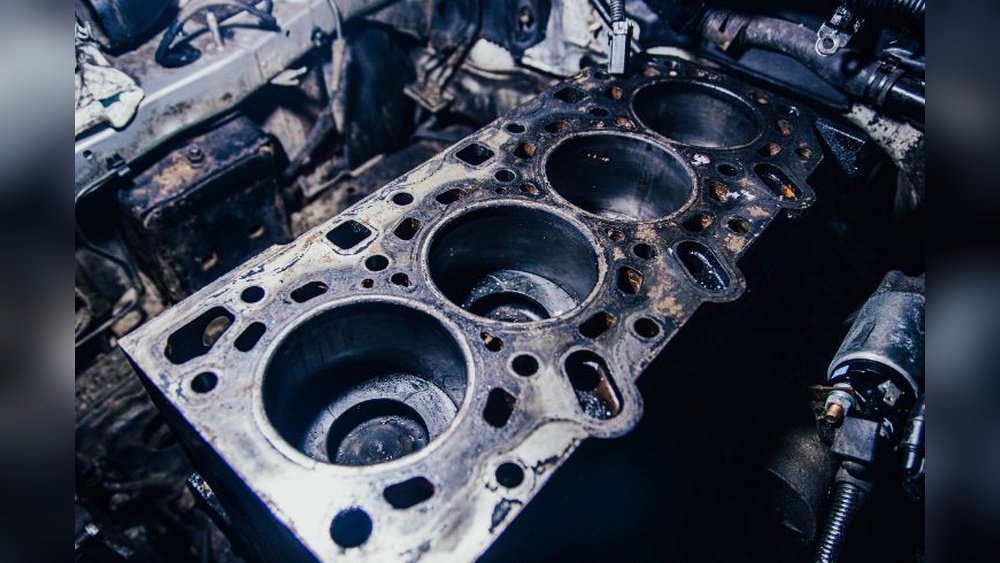
Have you ever wondered what happens when your car’s engine stops running smoothly? Understanding what an engine overhaul is can save you time, money, and stress.
If your vehicle is showing signs of trouble, knowing how an engine overhaul works could be the key to bringing it back to life. You’ll discover exactly what an engine overhaul involves, why it might be necessary for your car, and how it can extend your engine’s lifespan.
Keep reading—this knowledge could be the difference between a costly repair and a smart fix.
Engine Overhaul Basics
An engine overhaul is a major repair process. It restores an engine to good working condition. Overhauling can extend the life of your engine. It helps maintain performance and reliability. Understanding the basics of engine overhaul is important for vehicle owners.
This section explains the purpose, signs, and types of engine overhauls. It provides clear and simple information to help you know when and why an overhaul is needed.
Purpose Of An Overhaul
An engine overhaul fixes worn or damaged parts inside the engine. It cleans and replaces key components like pistons and valves. The goal is to bring the engine back to its original power and efficiency. Overhauling prevents engine failure and expensive breakdowns. It saves money compared to buying a new engine.
Signs Your Engine Needs Overhaul
Several signs show an engine needs an overhaul. Excessive smoke from the exhaust indicates engine wear. Strange noises like knocking or tapping suggest problems inside. Loss of power and poor fuel economy are common symptoms. Frequent overheating or oil leaks also warn about engine damage. Early checks help avoid serious issues.
Types Of Engine Overhauls
There are different types of engine overhauls. A minor overhaul replaces worn parts but keeps the engine mostly intact. A major overhaul involves complete disassembly and repair of all components. Reconditioning focuses on restoring specific parts like the cylinder head. Each type depends on engine condition and damage level.
Key Components Involved
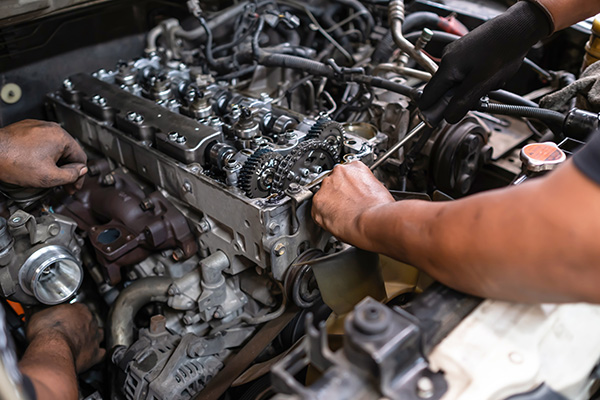
An engine overhaul involves many important parts. Each part must work well for the engine to run smoothly. Knowing these key components helps you understand the process better.
These parts often wear out or get damaged over time. Rebuilding or replacing them restores engine power and efficiency. The main components in an engine overhaul include pistons, cylinder head, crankshaft, and camshaft.
Pistons And Rings
Pistons move inside the engine cylinders. They compress fuel and air to create power. The piston rings seal the gap between the piston and cylinder walls. This prevents gas from escaping and keeps oil out of the combustion chamber. Worn pistons or rings cause loss of power and oil leaks.
Cylinder Head And Valves
The cylinder head sits on top of the engine block. It holds the valves that control air and fuel flow. Valves open to let fuel in and exhaust gases out. Valve seats and guides ensure proper sealing and movement. Damage to these parts leads to poor engine performance and leaks.
Crankshaft And Bearings
The crankshaft converts piston movement into rotational force. It powers the car’s wheels. Bearings support the crankshaft and allow smooth rotation. Worn bearings or a damaged crankshaft cause noise and engine failure. Proper inspection and repair are crucial during an overhaul.
Camshaft And Timing Components
The camshaft controls valve timing and lift. It ensures valves open and close at the right moments. Timing components like chains or belts connect the camshaft to the crankshaft. Faulty timing parts can cause engine misfires or damage. Checking and replacing these parts is vital in an overhaul.
Step-by-step Overhaul Process
The engine overhaul process restores an engine’s performance and extends its life. It involves many careful steps to fix worn or damaged parts. Each step is important to ensure the engine runs smoothly after the overhaul.
Below is a clear guide to the step-by-step overhaul process. This will help you understand what happens during an engine overhaul.
Engine Disassembly
The first step is to take the engine apart. Mechanics remove all parts carefully. This helps find any damaged or worn components. It also gives a clear view of the engine’s condition inside.
Inspection And Diagnosis
After disassembly, each part is checked closely. Mechanics look for cracks, wear, or damage. They measure parts to see if they meet factory standards. This step decides which parts need repair or replacement.
Cleaning And Machining
All parts are cleaned to remove dirt and oil. Some parts need special machining to restore their shape. This may include grinding, polishing, or drilling. Clean and smooth parts help the engine work well.
Parts Replacement
Worn or broken parts are replaced with new ones. Common parts replaced include pistons, rings, and bearings. Using new parts improves engine reliability and performance. This step is key to a successful overhaul.
Reassembly And Testing
Finally, the engine is put back together carefully. Mechanics follow exact instructions to avoid mistakes. After reassembly, the engine is tested for leaks and proper operation. Testing confirms the overhaul was done correctly.
Tools And Equipment Needed
Performing an engine overhaul requires specific tools and equipment. These help ensure the job is done right and safely. Having the correct tools makes the process smoother and prevents damage to engine parts.
Some tools are common and found in most toolboxes. Others are specialized for measuring and machining engine components. Understanding these tools helps prepare for a successful engine rebuild.
Basic Hand Tools
Basic hand tools include wrenches, screwdrivers, and pliers. These tools remove and install bolts, nuts, and screws. Socket sets and ratchets are essential for reaching tight spaces. A hammer and rubber mallet help with loosening stuck parts. These tools form the foundation of any engine overhaul.
Specialized Measuring Instruments
Precision is key during an engine overhaul. Specialized measuring instruments check wear and clearances. A micrometer measures the thickness of engine parts. A dial gauge checks piston and crankshaft runout. Feeler gauges measure small gaps, such as valve clearances. These tools ensure parts meet exact specifications.
Machining Tools
Machining tools restore worn engine parts to original dimensions. A cylinder hone smooths the cylinder walls. Valve grinding tools help resurface valves for a tight seal. A lathe or milling machine may be needed for complex repairs. These tools often require skill and experience to use correctly.
Benefits Of Overhauling Your Engine
Overhauling an engine brings many benefits that improve your vehicle’s overall condition. It fixes worn-out parts and restores the engine to good working order. This process helps maintain your car’s value and keeps it reliable on the road.
Restored Performance
Overhauling replaces damaged parts inside the engine. This repair restores the engine’s power and smooth running. Your car feels stronger and responds better to acceleration.
Improved Fuel Efficiency
A fresh engine runs more efficiently. Overhaul removes buildup that blocks fuel flow. Your car uses less fuel to travel the same distance.
Extended Engine Life
Overhauling removes worn parts and fixes issues early. This care prevents bigger problems and keeps the engine running longer. It adds years to your vehicle’s life.
Cost Savings Compared To Replacement
Engine overhaul costs less than a full replacement. It restores your engine without the high price of a new one. This option saves money while keeping your car reliable.
Common Challenges And Mistakes
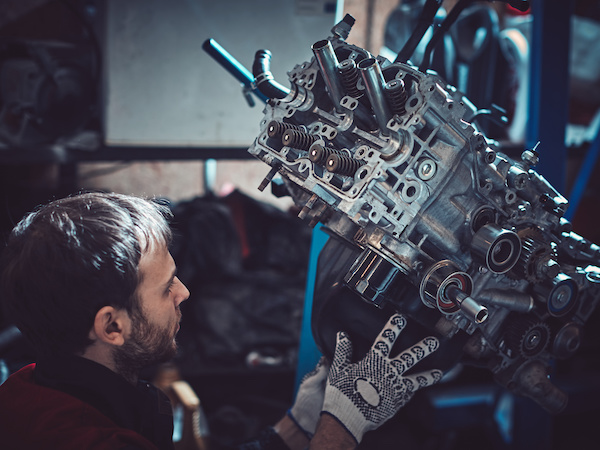
Engine overhaul is a complex task. Many face challenges and make mistakes that affect engine performance. Understanding these common issues can help avoid costly errors. Careful attention and proper techniques lead to better results.
Incorrect Measurements
Accurate measurements are key during an engine overhaul. Small errors in measuring parts like pistons or cylinders cause big problems. These mistakes lead to poor engine fit and reduced efficiency. Always use precise tools and double-check every measurement.
Poor Quality Parts
Using low-quality parts damages engine performance. Cheap parts wear out faster and may not fit well. This causes frequent breakdowns and higher repair costs. Choose parts from trusted brands to ensure durability and proper function.
Improper Assembly
Correct assembly is crucial for engine longevity. Tightening bolts too much or too little can cause leaks or damage. Missing small steps during reassembly leads to engine failure. Follow the manual carefully and assemble parts in the right order.
Ignoring Small Damages
Small cracks or scratches seem harmless but grow worse over time. Ignoring these damages lowers engine reliability and can cause severe failures. Inspect every part closely and fix even minor issues before reassembly.
Professional Vs Diy Overhaul
Deciding between a professional engine overhaul and doing it yourself can be tough. Each option has benefits and challenges. Understanding these can help make the right choice for your engine and wallet.
When To Choose Professional Help
Choose professional help if your engine has severe damage. Professionals have tools and experience to handle complex repairs. They can spot hidden problems quickly. A professional overhaul saves time and reduces risks. For new mechanics, this choice offers peace of mind and better results.
Skills Required For Diy
A DIY engine overhaul needs strong mechanical skills. You must know engine parts and how they work together. Careful attention to detail is crucial. Basic tools are not enough; special tools may be needed. Patience and clear instructions help avoid costly mistakes. Learning from guides or videos is essential before starting.
Cost Comparison
A DIY overhaul can save money on labor. You only pay for parts and tools. But mistakes can lead to expensive repairs later. Professional overhauls cost more upfront. They include parts, labor, and quality checks. Professionals often offer warranties, adding value. Consider both short-term and long-term costs carefully.
Maintenance After Overhaul
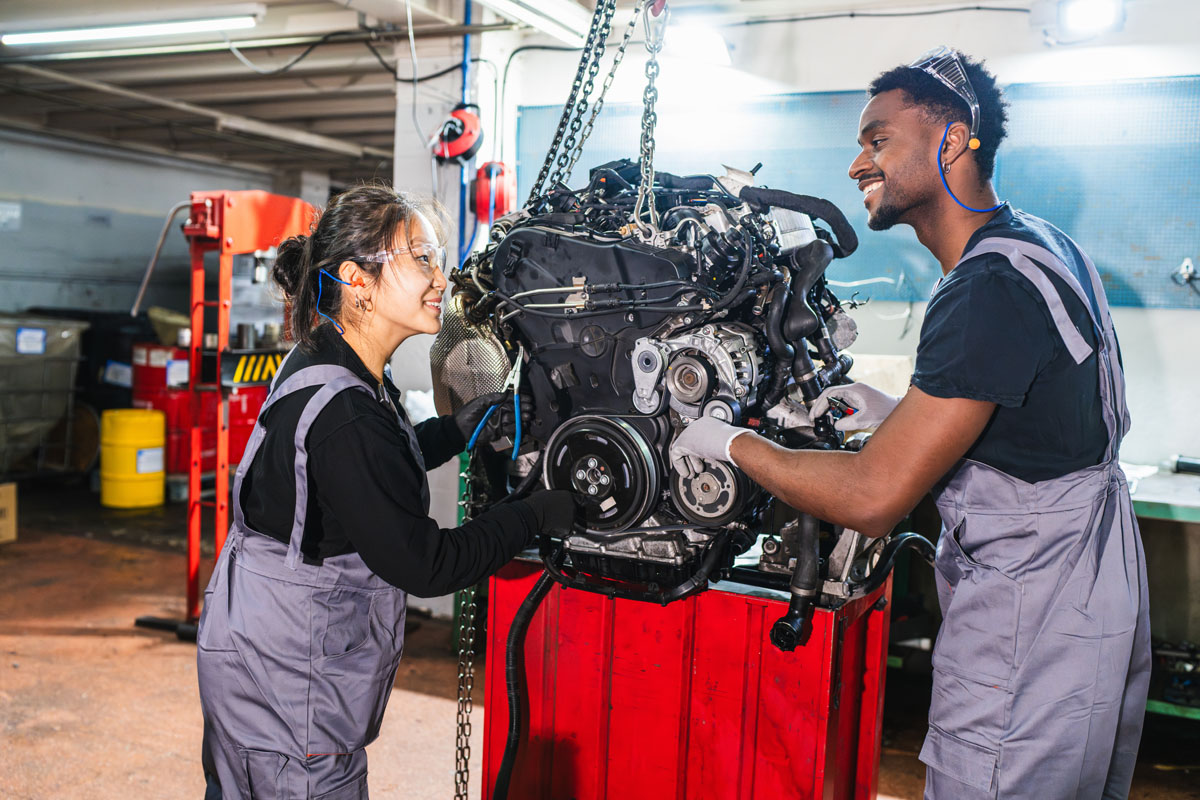
Maintenance after an engine overhaul is very important to keep the engine running well. After the overhaul, the engine parts are new or fixed. This means the engine needs careful care to avoid damage. Proper maintenance helps the engine last longer and perform better.
Break-in Procedures
Break-in is the first few hours of running the overhauled engine. During this time, avoid high speeds and heavy loads. Drive gently to help parts fit together well. Change the oil after the first 500 miles to remove tiny metal bits.
Regular Checks
Check the engine often for unusual sounds or leaks. Look at belts and hoses for cracks or wear. Keep an eye on the temperature gauge. Early checks catch problems before they get worse.
Fluid Changes
Change engine oil and filter regularly to keep parts clean. Replace coolant to prevent overheating and corrosion. Check transmission and brake fluids as they affect engine performance. Clean fluids help the engine work smoothly.
Signs Of Trouble
Watch for smoke from the exhaust or strange noises. Reduced power or rough idling can signal issues. Check for oil leaks or burning smells. Early signs mean quick repair and less damage.
Frequently Asked Questions
What Is An Engine Overhaul In Simple Terms?
An engine overhaul is a comprehensive process of disassembling and rebuilding an engine. It restores engine performance by replacing worn parts. The goal is to extend the engine’s life and improve efficiency. Overhauls fix issues like low compression and excessive oil consumption.
When Should You Consider An Engine Overhaul?
Consider an engine overhaul when your vehicle shows poor performance, unusual noises, or high oil use. It’s needed if compression tests fail or engine parts wear out. Overhauls prevent breakdowns and costly repairs. Timely overhaul keeps your engine running smoothly.
How Long Does An Engine Overhaul Usually Take?
An engine overhaul typically takes 1 to 3 days depending on engine size and damage. Complexity and availability of parts also affect the duration. Skilled mechanics ensure a thorough job. Proper overhaul time guarantees quality and reliability of the rebuilt engine.
What Are The Benefits Of An Engine Overhaul?
Engine overhaul improves power, fuel efficiency, and reduces emissions. It fixes leaks, worn parts, and compression issues. Overhaul extends engine lifespan and avoids expensive replacements. It restores smooth operation and enhances overall vehicle performance.
Conclusion
An engine overhaul means fixing or replacing many engine parts. It helps your car run smoother and last longer. This process can save money compared to buying a new engine. Knowing what an overhaul involves helps you make smart choices.
Keep your engine healthy by watching for signs it needs work. Regular care can avoid costly problems later. Understanding engine overhaul gives you control over your car’s performance. Simple steps now can keep your vehicle reliable for years.


