Imagine a moment when your safety feels uncertain, and you need quick control over your device. That’s where the Emergency Lock feature steps in.
It’s designed to protect your personal information and keep you secure when it matters most. But what exactly is this feature, and how can it help you in a crisis? By understanding Emergency Lock, you gain a powerful tool to safeguard your privacy instantly.
Keep reading to discover how it works and why you should make it a part of your digital safety routine.
Emergency Lock Feature Basics
The Emergency Lock Feature is a safety function found in many devices and systems. It helps protect your information and privacy during urgent situations. Understanding its basics can help you use it correctly and stay secure.
Purpose And Importance
The Emergency Lock Feature stops others from accessing your device or data quickly. It keeps your personal and sensitive information safe. This feature is crucial in moments when you cannot control who tries to see your data. It adds a layer of protection that works fast and without hassle.
How It Works
This feature activates by pressing a specific button or using a code. Once triggered, it locks the device immediately. It may hide notifications or block access to apps and files. Some versions send alerts to trusted contacts or emergency services. The process is designed to be quick and easy for the user.
Types Of Emergency Lock Features
Emergency lock features come in different types. Each type offers unique ways to secure your home or office quickly. These locks help protect you during urgent situations. Understanding these types can help you choose the best option for safety.
Physical Locks
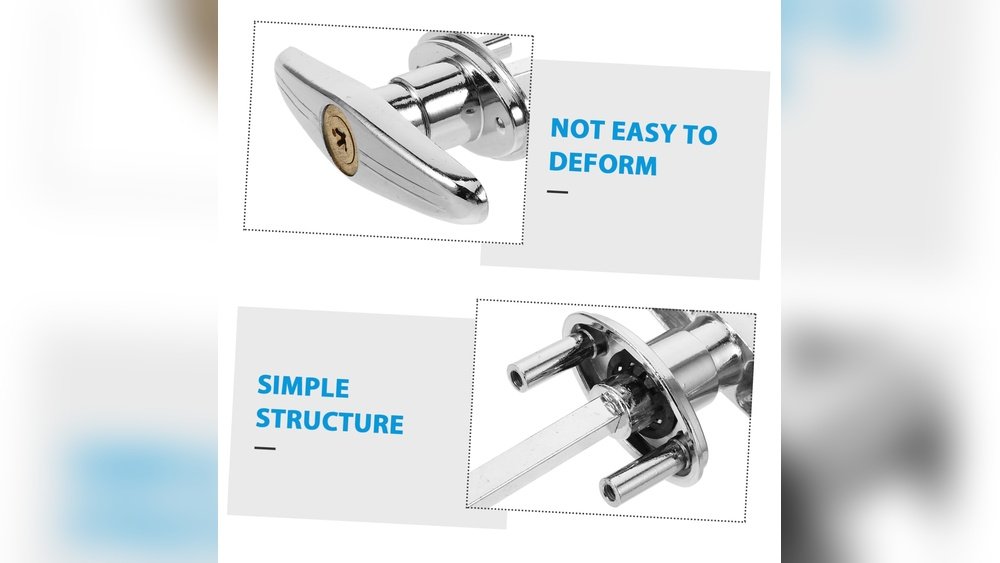
Physical locks are traditional and easy to use. They include deadbolts, padlocks, and chain locks. These locks require a key or combination to open. They provide strong security without electricity or internet. Physical locks work well during power outages or technical failures.
Digital And Smart Locks
Digital and smart locks use technology for quick locking. They often have keypads or fingerprint scanners. You can set codes to lock or unlock doors instantly. Some models send alerts if the lock is tampered with. These locks offer convenience and fast response in emergencies.
Mobile App Integration
Mobile app integration allows control from your smartphone. You can lock or unlock doors remotely. Some apps include emergency lock settings for quick action. This feature helps if you are not near the door. It adds extra security by giving you real-time control.
Benefits Of Emergency Lock
The emergency lock feature offers important benefits for safety and control. It helps protect users during urgent situations. This feature is designed to act quickly and give users peace of mind. Understanding its advantages can help you see why it matters.
Enhanced Security
The emergency lock instantly secures your device or account. It prevents unauthorized access during a crisis. This stops others from seeing private information. You stay protected even if your device is lost or stolen. It adds an extra layer of safety you can trust.
Quick Response In Emergencies
The feature works fast to keep you safe. With one action, it locks down critical functions. This helps stop threats before they grow. Quick response can reduce harm and stress. It ensures you get immediate protection without delays.
User Control And Customization
Users decide how to set the emergency lock. Options let you customize alerts and lock settings. You choose what triggers the lock and what happens next. This control helps match the feature to your needs. It makes the tool more useful and personal.
Common Use Cases
The Emergency Lock feature helps secure doors quickly during urgent situations. It is useful in many places where safety is important. This feature stops unauthorized entry fast. It also keeps people inside safe from outside threats.
Below are common places where the Emergency Lock feature is often used. Each place has unique safety needs that this feature can address effectively.
Home Security
In homes, the Emergency Lock adds a strong layer of protection. It allows residents to lock doors instantly if danger arises. This is helpful during break-ins or suspicious activity nearby. Families feel safer knowing they can act quickly to secure their home. It also helps protect children and elderly at home.
Workplace Safety
Workplaces use Emergency Lock systems to protect staff and property. In emergencies like intruder alerts or violence, doors lock fast. This stops threats from moving through the building. Employees can focus on staying safe without worrying about opening doors. It also helps control access during lockdown drills or real events.
Public Spaces
Public areas such as schools, hospitals, and malls benefit from Emergency Locks. These places have many people and need quick security options. Locking doors instantly can prevent harm from outside dangers. It helps protect large groups during emergencies like threats or disasters. Emergency Locks improve overall safety and calm in busy public spaces.
Setting Up Emergency Lock
Setting up the Emergency Lock feature is important for safety. This feature helps protect your device or home in urgent situations. It stops others from accessing your property or information quickly.
Follow clear steps to install and configure the Emergency Lock properly. Testing it ensures the feature works when needed. Let’s explore how to set it up right.
Installation Tips
Start by choosing the right device or app for Emergency Lock. Check compatibility with your system. Place the device where it is easy to reach in emergencies. Follow the manufacturer’s guide carefully. Use strong power sources for continuous operation. Avoid locations with poor signal or weak power.
Configuration Options
Set up passwords or PINs for extra security. Choose notification settings to alert contacts or authorities. Enable features like automatic locking or remote control. Customize the feature based on your needs. Save all changes before exiting the settings menu. Review options regularly to keep them up to date.
Testing The Feature
Test the Emergency Lock soon after setup. Simulate an emergency to see if it activates properly. Confirm alerts reach the right people or devices. Check if the lock engages without delay. Fix any issues found during testing immediately. Regular tests keep the feature reliable over time.

Potential Limitations
The Emergency Lock Feature offers extra security by locking doors quickly in emergencies. It helps protect people and property. Despite its benefits, this feature has some limits. Understanding these limits helps users use it wisely and avoid problems.
False Alarms
False alarms can happen if the lock activates by mistake. This may cause panic or disturb others. Frequent false alarms reduce trust in the system. They can also waste time and resources for emergency responders.
Technical Glitches
Technical problems may stop the feature from working properly. Software bugs or hardware faults can cause failure. This may leave doors unlocked during an emergency. Regular maintenance and updates are needed to reduce glitches.
User Errors
Users may not know how to use the emergency lock correctly. Mistakes can delay locking or cause confusion. Proper training is important to avoid errors. Clear instructions should be easy to find and follow.
Future Trends
The emergency lock feature is evolving rapidly. New technologies make it smarter and more secure. These changes aim to protect users better in urgent situations. The future holds exciting developments that will improve safety and ease of use.
Ai Integration
Artificial intelligence helps emergency locks respond faster. AI can detect unusual activities and trigger locks automatically. It learns user behavior to reduce false alarms. This technology makes emergency locks more reliable and intelligent.
Biometric Enhancements
Biometric tools like fingerprints and facial recognition improve lock security. Future locks will use multiple biometric checks for better accuracy. These methods make it harder for intruders to bypass locks. Users get quick access during emergencies without sacrificing safety.
Iot Connectivity
Internet of Things connects emergency locks to other devices. Locks can send alerts to phones or security services instantly. Remote control and monitoring become easier and more efficient. This connectivity adds an extra layer of protection for users.

Frequently Asked Questions
What Is The Emergency Lock Feature?
The Emergency Lock feature instantly locks your device during emergencies. It prevents unauthorized access and secures your data quickly. This feature is vital for protecting personal information in urgent situations.
How Does Emergency Lock Enhance Device Security?
Emergency Lock adds an extra security layer by locking your device immediately. It stops unauthorized users from accessing your phone or data. This feature helps safeguard sensitive information during unexpected or risky events.
When Should I Use The Emergency Lock Feature?
Use Emergency Lock during theft, loss, or any emergency. It instantly secures your device, preventing data breaches. Activating it quickly protects your privacy and sensitive information from unauthorized access.
Can Emergency Lock Be Activated Remotely?
Yes, many devices allow remote activation of Emergency Lock. This helps secure your device even if you don’t have physical access. Remote locking ensures your data stays safe during loss or theft.
Conclusion
The emergency lock feature keeps your device safe in critical moments. It stops others from accessing your phone quickly. This tool helps protect your personal information and privacy. Knowing how to use it can bring peace of mind. Always keep your phone updated to use this feature properly.
Stay prepared for unexpected situations with this simple security step. It’s a small action that offers big protection.