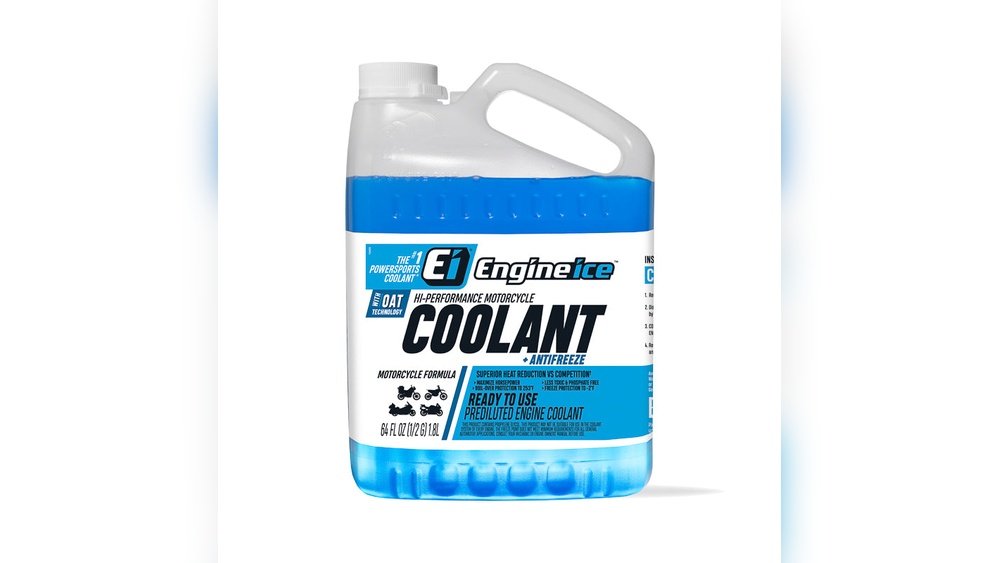
Have you ever wondered what keeps your engine from overheating, especially in freezing weather? That’s where engine ice coolant comes into play.
Understanding what engine ice coolant is and how it works can save you from costly repairs and keep your vehicle running smoothly. You’ll discover the simple science behind this essential fluid and learn why it’s a must-have for your car’s health.
Ready to protect your engine and boost its performance? Keep reading to find out everything you need to know.
Engine Ice Coolant Basics
Engine ice coolant plays a vital role in keeping your engine at the right temperature. It stops the engine from getting too hot or freezing in cold weather. This coolant mixes with water to help transfer heat away from the engine. Understanding the basics of engine ice coolant can help you maintain your vehicle better. It also ensures your engine runs smoothly and lasts longer.
Key Components
Engine ice coolant contains several important parts. The main one is ethylene glycol or propylene glycol. These chemicals lower the freezing point of water and raise the boiling point. This helps the coolant work in very cold and very hot conditions. The coolant also includes corrosion inhibitors. These protect the engine’s metal parts from rust and damage. Some coolants have dyes to identify leaks quickly. Water is mixed with the coolant to make the perfect blend for heat transfer.
Types Of Engine Ice Coolant
There are different types of engine ice coolant available. The most common types are organic acid technology (OAT) and inorganic additive technology (IAT). OAT coolants last longer and are good for newer engines. IAT coolants need to be changed more often. Some coolants combine both types, called hybrid organic acid technology (HOAT). Each type works best for certain vehicles and climates. Choosing the right type helps protect your engine and keeps it running well.

How Engine Ice Coolant Works
Understanding how Engine Ice Coolant works helps explain why it is effective in protecting engines. This coolant uses advanced technology to keep engines at safe temperatures. It prevents overheating and freezing in extreme conditions. The process relies on two main actions inside the engine system.
Cooling Mechanism
Engine Ice Coolant circulates through the engine’s cooling system. It absorbs heat from the engine parts quickly. The coolant flows through small channels and passages, reaching hot spots efficiently. This movement helps lower the engine temperature fast. It also prevents damage caused by heat build-up.
Heat Transfer Process
The coolant carries heat away from the engine to the radiator. In the radiator, the heat moves from the coolant to the air outside. This transfer cools the liquid before it returns to the engine. The cycle repeats to keep the engine temperature steady. This constant heat exchange protects the engine from overheating or freezing.
Benefits Of Using Engine Ice Coolant
Engine Ice Coolant offers several key benefits that improve vehicle health and performance. It helps keep the engine running smoothly. Using this coolant means fewer engine problems and longer engine life.
Enhanced Engine Performance
Engine Ice Coolant helps maintain the right engine temperature. This keeps the engine parts working well. The engine runs more efficiently, using less fuel. Cooler engines perform better and last longer.
Protection Against Overheating
This coolant prevents the engine from getting too hot. Overheating can cause serious damage to engine parts. Engine Ice Coolant absorbs and removes heat quickly. It reduces the risk of engine failure and costly repairs.
Corrosion Prevention
Engine Ice Coolant contains special additives that stop rust. Rust and corrosion damage metal parts inside the engine. The coolant protects the engine’s metal surfaces. This keeps the engine clean and working properly for years.
Choosing The Right Engine Ice Coolant
Choosing the right engine ice coolant is important for your vehicle’s health. Using the correct coolant helps the engine stay cool and avoid damage. It also improves engine performance and extends its life.
Not all coolants work with every engine. Knowing how to pick the right one saves money and prevents problems. Below are key points to consider when choosing an engine ice coolant.
Compatibility With Engine Types
Engines need coolants that match their design. Some coolants work best with gasoline engines. Others suit diesel engines better. Check your vehicle’s manual for recommended coolant types.
Using the wrong coolant can cause corrosion or blockages. Some coolants protect aluminum parts. Others are better for iron or steel engines. Always pick coolant that fits your engine’s material and type.
Concentration And Mixing Tips
Coolants often come as concentrates or pre-mixed solutions. Concentrates need mixing with water before use. Use clean, distilled water to avoid impurities.
Mix the coolant at the right ratio, often 50:50 with water. Too much concentrate can harm the engine. Too little reduces freezing and boiling protection. Follow the instructions on the coolant package carefully.
Maintenance And Replacement
Maintaining and replacing engine ice coolant is key to keeping engines safe and efficient. Coolant breaks down over time and loses its ability to protect the engine. Regular checks help avoid overheating and corrosion inside the engine. Replacing the coolant at the right time keeps the engine running smoothly.
Signs Of Coolant Degradation
Coolant that is old or dirty can cause serious problems. Watch for a change in color, such as a rusty or cloudy look. A bad smell can also mean the coolant is no longer good. Engine overheating or leaks may show the coolant is weak. Testing coolant regularly helps catch issues early.
Proper Disposal Methods
Used coolant is toxic and must be thrown away safely. Never pour it down drains or on the ground. Take the old coolant to a recycling center or an auto shop. Proper disposal protects the environment and keeps water clean. Follow local rules for hazardous waste disposal.
Common Issues And Troubleshooting
Engine ice coolant helps keep your engine at the right temperature. It prevents freezing in cold weather and overheating in hot conditions. Despite its benefits, issues with coolant can still happen. Knowing common problems and how to fix them saves time and money. This guide covers frequent issues and simple ways to troubleshoot.
Coolant Leaks
Coolant leaks cause low fluid levels. Look for puddles under your vehicle. Leaks often come from hoses, the radiator, or the water pump. Check hose connections for cracks or loose clamps. Tighten or replace damaged parts quickly. Low coolant can damage your engine fast.
Overheating Problems
Overheating means coolant is not working well. It may happen if the coolant is old or dirty. Air bubbles in the system can block flow. The thermostat might be stuck closed. Check coolant color and level often. Flush and replace coolant every two years. Replace a faulty thermostat to keep the engine cool.
Environmental Impact
Engine ice coolant plays a vital role in keeping engines cool. However, its environmental impact cannot be ignored. Traditional coolants often contain chemicals harmful to water, soil, and wildlife. Spills or leaks can pollute the environment and cause lasting damage.
Choosing the right coolant and handling it properly helps protect nature. Understanding eco-friendly options and safe practices is essential for responsible use.
Eco-friendly Coolant Options
Eco-friendly coolants use natural or biodegradable ingredients. These coolants reduce pollution risks if spilled. They break down faster in the environment than traditional types. Some use organic acids instead of harmful chemicals. This lowers toxicity to animals and plants. Using eco-friendly coolants helps decrease environmental harm.
Safe Handling Practices
Safe handling stops coolant from contaminating soil and water. Store coolant in sealed containers away from heat. Avoid pouring coolant on the ground or down drains. Clean spills quickly with absorbent materials. Dispose of used coolant at recycling centers. Following these steps keeps the environment safe.
Frequently Asked Questions
What Is Engine Ice Coolant Made Of?
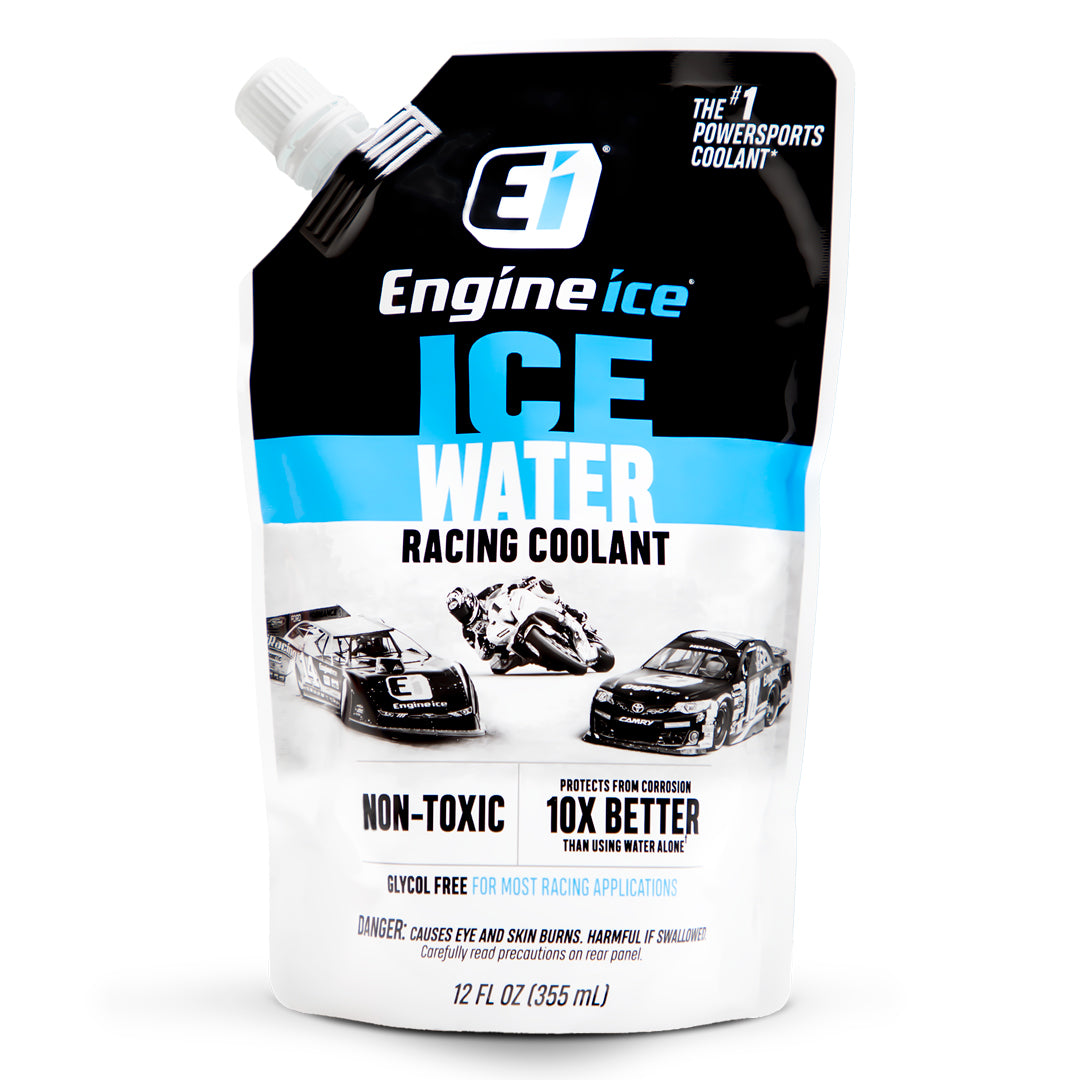
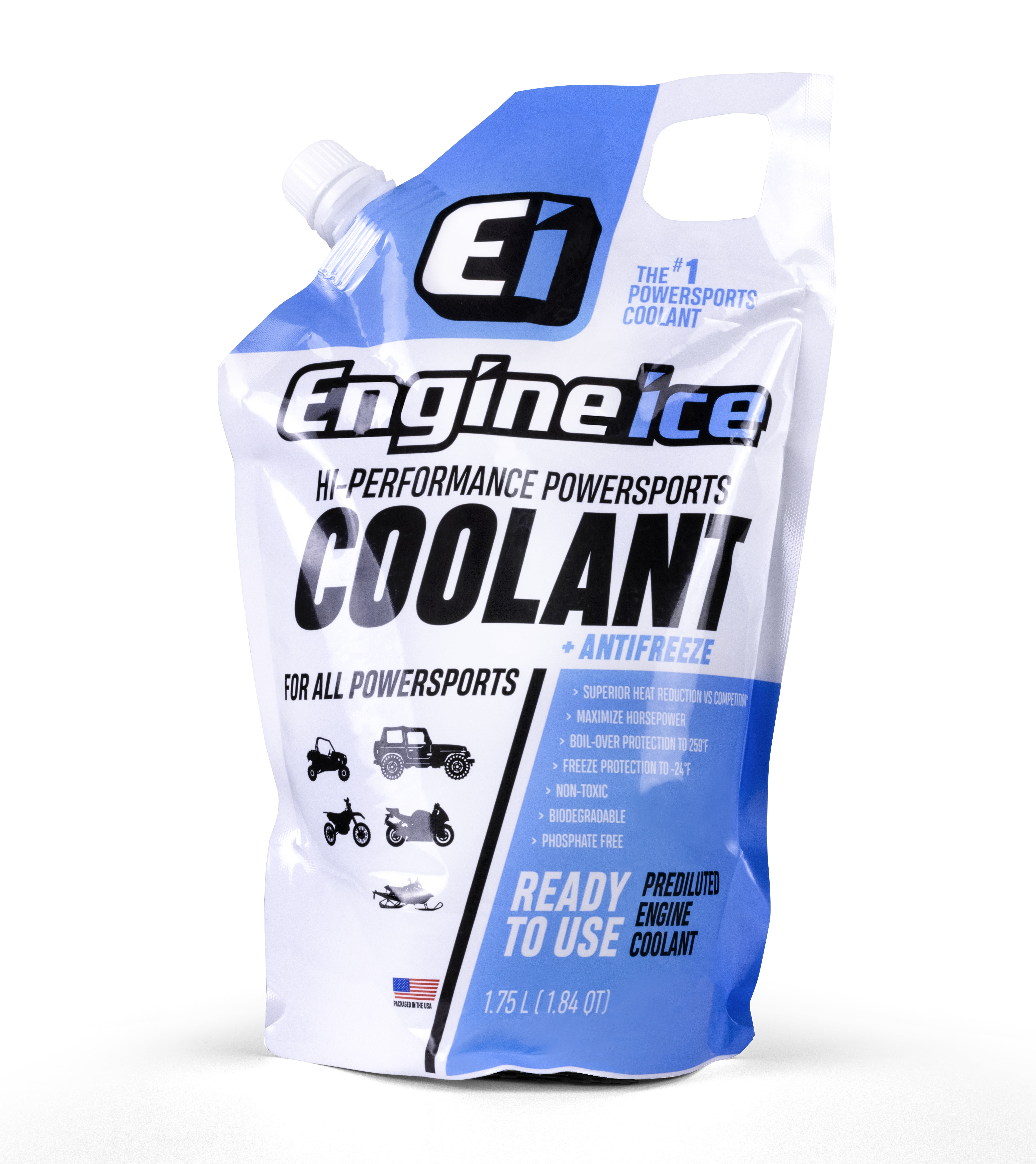
Engine Ice Coolant contains water, propylene glycol, and corrosion inhibitors. It offers superior heat transfer and protects engine parts from rust and corrosion, ensuring efficient cooling and longer engine life.
How Does Engine Ice Coolant Prevent Overheating?
It absorbs engine heat and transfers it to the radiator. The coolant’s unique formula improves thermal conductivity, helping maintain optimal engine temperature and preventing overheating during intense driving conditions.
Can Engine Ice Coolant Be Mixed With Other Coolants?
Yes, Engine Ice Coolant is compatible with most ethylene and propylene glycol-based coolants. However, mixing different types may reduce performance, so it’s best to check manufacturer recommendations before combining fluids.
How Often Should Engine Ice Coolant Be Replaced?
Typically, replace Engine Ice Coolant every 2 to 5 years or 30,000 to 50,000 miles. Regular changes maintain cooling efficiency and prevent buildup of contaminants that can harm the engine.
Conclusion
Engine ice coolant helps keep your engine from overheating. It works by absorbing heat and moving it away from the engine parts. This keeps the engine running smoothly and prevents damage. Using the right coolant also stops freezing in cold weather.
Always check your coolant levels regularly for best results. Understanding how engine ice coolant works can save you costly repairs. A well-maintained cooling system means a longer engine life. Simple, but important to keep your vehicle safe and efficient.


