
Have you ever wondered what keeps your car’s engine running smoothly every time you turn the key? The answer lies in one simple but powerful substance: engine oil.
Understanding what engine oil is and why it’s so important can save you from costly repairs and keep your vehicle performing at its best. You’ll discover how engine oil works, why your car depends on it, and what happens if you ignore it.
Keep reading—your car will thank you!

Engine Oil Basics
Engine oil is a vital part of every vehicle. It keeps the engine running smoothly and protects it from damage. Understanding the basics of engine oil helps you take better care of your car. This section explains what engine oil does, the types available, and how it works.
What Engine Oil Does
Engine oil lubricates moving parts inside the engine. It reduces friction between metal surfaces. This helps prevent wear and tear. Oil also cools the engine by carrying heat away. It cleans the engine by trapping dirt and particles. Without oil, the engine parts would wear out quickly.
Types Of Engine Oil
There are three main types of engine oil: mineral, synthetic, and semi-synthetic. Mineral oil comes from crude oil and is less expensive. Synthetic oil is made in labs and offers better protection. Semi-synthetic oil is a mix of both. Each type suits different engines and driving conditions.
How Engine Oil Works
Engine oil flows through the engine parts. It forms a thin layer between moving metals. This layer stops parts from rubbing directly. The oil also picks up heat and moves it away. Additives in oil help clean and protect the engine. Regular oil changes keep the oil fresh and effective.
Key Functions Of Engine Oil
Engine oil plays several important roles in keeping your car’s engine healthy. It does much more than just lubricate parts. Understanding these key functions helps you see why regular oil changes matter.
Lubrication And Friction Reduction
Engine oil forms a thin layer between moving parts. This layer stops metal parts from rubbing directly. Less friction means less wear and tear. The engine lasts longer and runs smoothly.
Heat Dissipation
Engines get very hot during use. Oil helps carry heat away from parts. This cooling effect prevents overheating. It keeps engine temperature stable and protects parts from damage.
Cleaning Engine Components
Oil picks up dirt and tiny metal particles. It carries these impurities away from engine parts. This cleaning stops build-up that can harm the engine. Clean parts work better and last longer.
Preventing Corrosion
Engine oil creates a barrier against moisture and air. This barrier stops rust and corrosion. Protecting metal parts keeps the engine strong. Corrosion-free parts reduce costly repairs.
Importance Of Engine Oil
Engine oil plays a key role in keeping your vehicle running smoothly. It protects the engine parts and helps the engine work better. Without good engine oil, the engine can wear out faster and use more fuel. Understanding why engine oil is important helps you care for your car better.
Extending Engine Life
Engine oil forms a thin layer between moving parts. This layer stops metal parts from rubbing against each other. Less rubbing means less damage and wear. Clean oil also removes dirt and tiny metal bits. This keeps the engine parts safe and working longer.
Improving Fuel Efficiency
Good engine oil helps the engine run smoothly. When parts move easily, the engine uses less energy. This means your car uses less fuel. Fresh oil keeps the engine clean and reduces friction. Lower friction means better fuel economy for your vehicle.
Maintaining Engine Performance
Engine oil keeps the engine cool by carrying heat away. It also protects parts from rust and corrosion. Clean oil helps the engine run quietly and smoothly. Regular oil changes ensure the engine performs at its best every day.
Choosing The Right Engine Oil
Choosing the right engine oil is key to keeping your car running smoothly. The right oil protects your engine from wear and tear. It also helps your car perform better and last longer. Understanding different types of oil and what suits your car is important.
Viscosity Ratings Explained
Viscosity means how thick or thin the oil is. It affects how well the oil flows inside the engine. Oil with a low viscosity flows easily in cold weather. High viscosity oil works better in hot conditions. The numbers on the oil label, like 5W-30, tell you the viscosity rating. The first number shows how the oil flows in cold temperatures. The second number shows how it flows when hot.
Synthetic Vs Conventional Oil
Synthetic oil is made in a lab and cleans the engine better. It lasts longer and works well in extreme temperatures. Conventional oil comes from crude oil and is cheaper. It works fine for older cars or those with simple engines. Synthetic oil is often best for modern cars. It helps the engine stay clean and run smoother.
Manufacturer Recommendations
Car makers give specific advice about which oil to use. Check your owner’s manual to find the right type and viscosity. Using the recommended oil keeps your warranty valid. It also ensures your engine runs as designed. Following manufacturer rules helps avoid engine damage and saves money on repairs.
Signs Of Engine Oil Problems
Engine oil is vital for your car’s health. It keeps the engine parts moving smoothly. Problems with engine oil can cause serious damage. Recognizing the signs early helps prevent costly repairs. Here are common signs of engine oil problems to watch for.
Low Oil Levels
Check your oil level regularly. Low oil can cause engine overheating. It may lead to engine parts rubbing together. This causes wear and tear. Top up oil if the level is below the minimum mark.
Oil Leaks
Look under your car for puddles of oil. Dark, shiny spots indicate leaks. Leaks reduce oil quantity fast. They also damage the environment. Fix leaks immediately to avoid engine damage.
Dirty Or Contaminated Oil
Clean oil is usually amber or light brown. Dark, thick, or gritty oil signals contamination. Contaminated oil loses its lubrication power. It can clog engine parts and filters. Change the oil if it looks dirty.
Warning Lights
Your dashboard may show an oil warning light. It means low oil pressure or oil level. Do not ignore this light. Stop the car safely and check the oil. Continuing to drive can harm the engine badly.
Engine Oil Maintenance Tips
Proper engine oil maintenance keeps your engine running smoothly. It protects parts from wear and heat. Following simple tips helps extend your engine’s life. These tips are easy to do and save money on repairs.
Regular Oil Changes
Change oil regularly to keep the engine clean. Old oil loses its ability to protect parts. Check your car manual for the right interval. Use the correct oil type to avoid damage.
Checking Oil Levels
Check oil levels often using the dipstick. Low oil can cause serious engine problems. Add oil if the level is low. Never overfill, as it can harm the engine.
Using Quality Oil Filters
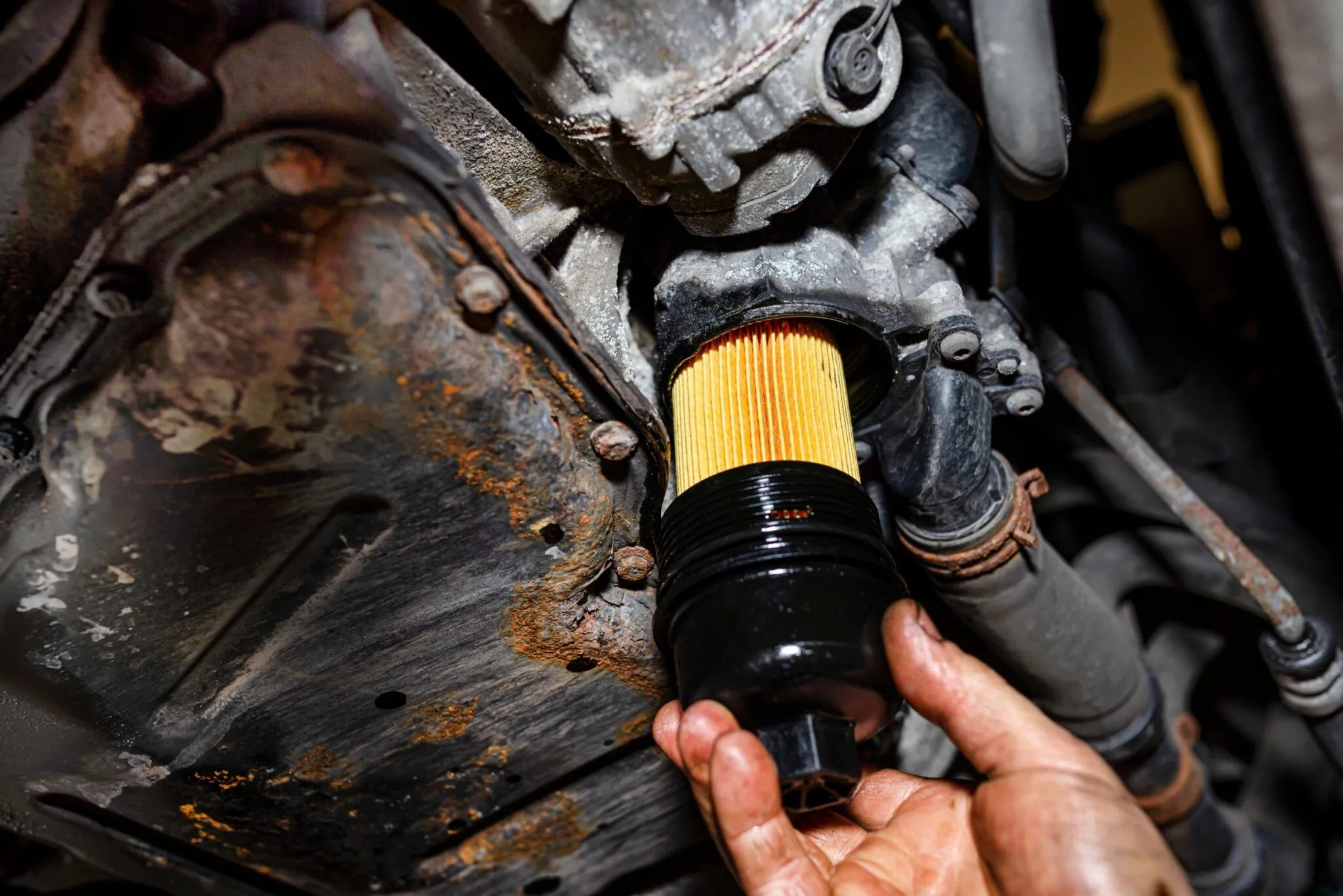
Use good quality oil filters with every oil change. Filters remove dirt and debris from oil. A clogged filter reduces engine performance. Replace filters to keep oil clean and flow steady.

Frequently Asked Questions
What Is Engine Oil Made Of?
Engine oil is primarily made of base oils combined with additives. These additives enhance performance by reducing friction, preventing corrosion, and improving viscosity.
Why Is Engine Oil Important For Vehicles?
Engine oil lubricates moving parts, reducing wear and tear. It also cools the engine and prevents buildup of harmful deposits.
How Often Should Engine Oil Be Changed?
Engine oil should typically be changed every 5,000 to 7,500 miles. This depends on your vehicle type and driving conditions.
Can Engine Oil Improve Fuel Efficiency?
Yes, quality engine oil reduces friction between engine parts. This leads to smoother operation and can improve fuel efficiency slightly.
Conclusion
Engine oil keeps your engine running smoothly and cool. It stops parts from rubbing and wearing out fast. Clean oil helps your car save fuel and reduce pollution. Changing oil regularly protects your engine from damage. Good oil means a longer engine life and fewer repairs.
Always choose the right oil for your vehicle. Remember, engine oil is a small part that makes a big difference. Taking care of it helps your car stay healthy and work better every day.


