Have you ever wondered how your smartphone knows when you’ve dropped it or how cars detect sudden impacts to keep you safe? The secret behind these smart reactions lies in something called a G-Force sensor.
This tiny device measures forces that push or pull on your body or objects around you. Understanding what a G-Force sensor is can open your eyes to how many everyday gadgets protect and assist you without you even noticing. Keep reading, and you’ll discover how this powerful little sensor works and why it matters in your daily life.
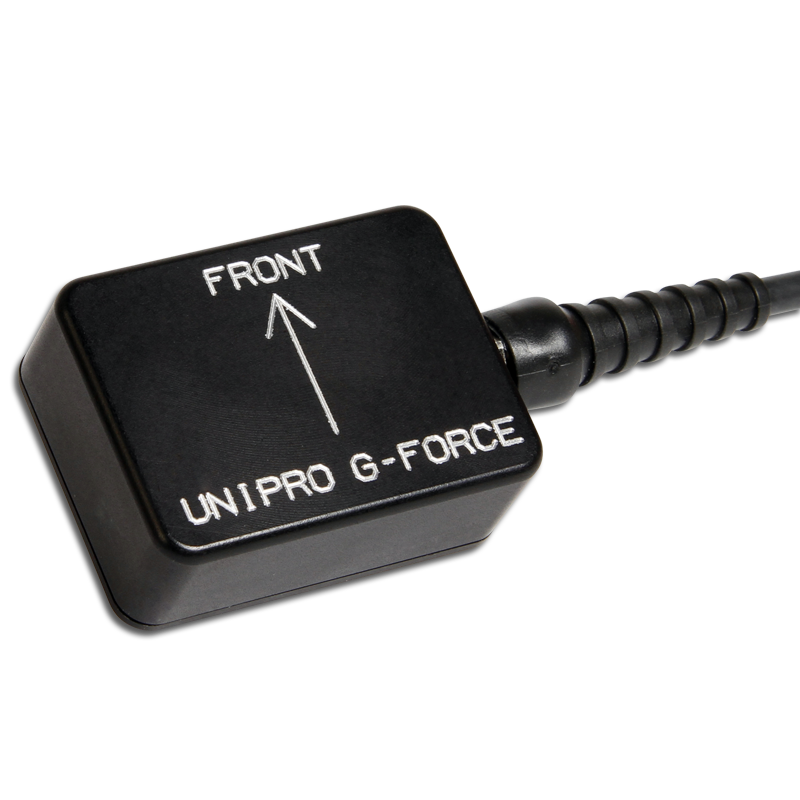
G-force Sensor Basics
Understanding the basics of a G-Force sensor is important. These sensors measure forces acting on objects during movement or acceleration. They help in many fields, such as cars, smartphones, and sports.
Knowing what a G-Force sensor is and how it works can give you a clear idea of its uses. This section explains the key points in simple words.
What Is A G-force Sensor
A G-Force sensor detects acceleration forces. These forces are the result of gravity and motion. It measures how fast something speeds up or slows down. The unit of measurement is “g,” which equals the force of Earth’s gravity.
How G-force Sensors Work
Inside the sensor, a small mass moves when acceleration happens. This movement changes an electrical signal. The sensor reads this signal to find the force strength. The data helps devices understand movement and position.
Types Of G-force Sensors
There are several types of G-Force sensors. The most common are piezoelectric, capacitive, and MEMS sensors. Piezoelectric sensors use crystals that create electricity when pressed. Capacitive sensors measure changes in electrical charge. MEMS sensors are tiny and used in many gadgets.
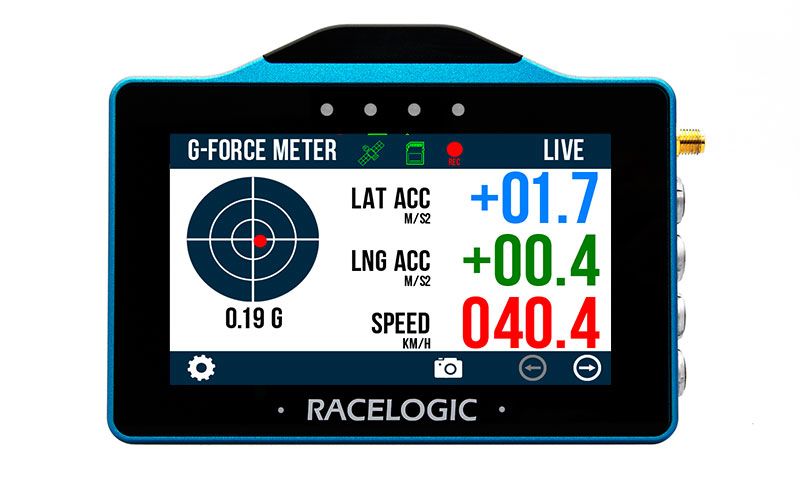
Applications Of G-force Sensors
G-force sensors measure acceleration forces on objects. These sensors find use in many fields. They help improve safety, performance, and user experience. Here are some key areas where g-force sensors make a difference.
Automotive Industry Uses
G-force sensors detect rapid changes in a vehicle’s motion. They trigger airbags during accidents. These sensors help with stability control and anti-lock braking. Car manufacturers rely on them to enhance passenger safety.
Aerospace And Aviation
In aircraft, g-force sensors monitor forces during flight. They help pilots avoid dangerous maneuvers. Sensors also assist in controlling drones and spacecraft. This technology improves flight safety and performance.
Wearable Technology
Wearables use g-force sensors to track movement. They monitor steps, falls, and activity levels. This data helps users stay active and safe. Smartwatches and fitness bands often include these sensors.
Sports And Fitness
Athletes use g-force sensors to analyze their performance. Sensors measure impact and acceleration during training. Coaches use this data to improve techniques. These sensors help prevent injuries by tracking stress on the body.
Industrial And Robotics
G-force sensors monitor vibrations and shocks in machines. They protect equipment from damage by detecting unusual forces. Robots use these sensors to maintain balance and control. This ensures smooth and safe operation in factories.
Key Features And Specifications
The key features and specifications of a G-force sensor define its performance and use. These details explain how the sensor measures force, how fast it reacts, and how much power it needs. Understanding these factors helps users pick the right sensor for their needs.
Measurement Range
The measurement range shows the maximum and minimum forces the sensor can detect. It is usually given in units of “g,” where 1g equals Earth’s gravity. A wider range means the sensor can measure both small and large forces.
Sensitivity And Accuracy
Sensitivity tells how small a force the sensor can detect. Higher sensitivity means the sensor picks up tiny changes in force. Accuracy shows how close the sensor’s reading is to the real force. Good accuracy means reliable data.
Response Time
Response time is the delay between force applied and sensor output. A shorter response time means the sensor reacts quickly to changes. This is important for fast-moving systems or safety devices.
Size And Power Consumption
Size affects where the sensor can be placed. Smaller sensors fit in tight spaces. Power consumption shows how much energy the sensor uses. Low power sensors last longer and work better in battery-powered devices.

Integration And Implementation
Integrating and implementing a G-Force sensor involves connecting the device to other systems and ensuring it works correctly. This process requires careful handling to get accurate and reliable data. Understanding how to connect, calibrate, and interpret the sensor data is key to using the sensor effectively.
Each step plays an important role in making the sensor useful for projects. It helps measure acceleration forces in many applications, from smartphones to drones.
Interfacing With Microcontrollers
G-Force sensors often connect to microcontrollers like Arduino or Raspberry Pi. These controllers read data from the sensor using communication protocols such as I2C or SPI. Proper wiring and software setup allow the microcontroller to receive acceleration values.
Developers write code to collect data continuously or at set intervals. This data then feeds into other systems or triggers specific actions based on force measurements.
Calibration Techniques
Calibration ensures the sensor gives accurate readings. It involves adjusting the sensor output to match known force values. Simple methods include placing the sensor in a stable position to measure gravity’s effect.
More advanced calibration uses reference equipment or software to fine-tune sensor responses. Regular calibration keeps measurements reliable over time and different conditions.
Data Interpretation And Analysis
The raw data from a G-Force sensor shows acceleration in different directions. Users must convert these numbers into meaningful information. This can include detecting motion, impact, or orientation changes.
Data analysis often involves filtering noise and calculating average forces. Visual tools like graphs help understand how forces change during an event or activity.
Future Trends In G-force Sensors
The future of G-Force sensors is full of exciting possibilities. These sensors will become smaller, smarter, and more accurate. They will be used in new and different ways across many industries. Understanding these trends helps us see how technology will change our daily lives.
Advancements In Sensor Technology
Sensor technology is improving rapidly. New materials are making sensors more sensitive and reliable. Smaller sensors can fit into tight spaces. Wireless communication allows real-time data sharing. This leads to faster and better decision-making. Power consumption is dropping, extending sensor life in devices.
Emerging Applications
G-Force sensors are entering new fields. In healthcare, they monitor patient movement and balance. Sports use sensors to track athlete performance and prevent injuries. Automotive safety systems rely on them to detect crashes quickly. Drones and robots use sensors to maintain stability and control. Smart devices integrate sensors to improve user experience.
Challenges And Opportunities
Developers face challenges in making sensors cost-effective. Ensuring accuracy in harsh environments remains a hurdle. Privacy concerns arise with increased sensor data collection. Yet, these challenges offer chances to create better solutions. Collaboration between industries will drive innovation further. The future holds great promise for G-Force sensor technology.
Frequently Asked Questions
What Is A G-force Sensor Used For?
A G-Force sensor measures acceleration forces acting on an object. It helps detect changes in velocity and direction. Commonly used in smartphones, vehicles, and gaming devices, it improves motion detection and safety features.
How Does A G-force Sensor Work?
It uses microelectromechanical systems (MEMS) to detect acceleration. The sensor measures force changes on tiny masses inside it. These changes convert into electrical signals, indicating the acceleration intensity and direction.
Where Are G-force Sensors Commonly Found?
G-Force sensors are found in smartphones, cars, drones, and fitness trackers. They enhance motion sensing, impact detection, and navigation. Their versatility supports various industries like automotive, aerospace, and consumer electronics.
Why Is G-force Measurement Important?
Measuring G-Force helps monitor impacts and vibrations. It improves vehicle safety, sports performance, and device responsiveness. Accurate G-Force data is essential for designing safer and more efficient products.
Conclusion
G-force sensors measure forces that act on moving objects. They help detect speed, direction, and impact changes. These sensors appear in cars, phones, and airplanes. They improve safety and device performance. Understanding G-force sensors shows how technology tracks motion. They play a quiet but important role in daily life.
Learning about them helps appreciate modern devices better. Simple tools with big impacts. That’s the power of G-force sensors.