Have you ever wondered how fighter jets suddenly roar to life and speed up like a rocket? The secret lies in a powerful device called a jet engine afterburner.
If you’re curious about what an afterburner is and how it works to boost a jet’s speed, you’re in the right place. By the end of this article, you’ll understand the fascinating science behind this incredible technology and why it’s a game-changer in aviation.
Ready to unlock the mystery of the jet engine afterburner? Let’s dive in!
Jet Engine Afterburner Basics
The afterburner is a special part of some jet engines. It helps planes fly faster and reach higher speeds. The afterburner adds extra power by burning more fuel after the engine’s main combustion. This process boosts thrust quickly.
Afterburners are simple but powerful. They can increase engine thrust by almost double in a short time. Pilots use afterburners mainly during critical moments like takeoff or combat. Understanding their purpose and use shows how jets achieve incredible speeds.
Purpose Of Afterburners
Afterburners give extra thrust to jet engines. They inject fuel directly into the hot exhaust. This fuel burns again, adding more energy to the jet flow. The extra push helps planes accelerate faster and climb steeply.
They also help jets reach supersonic speeds. Without afterburners, many fighter jets cannot break the sound barrier. The quick burst of power helps planes escape danger or perform fast maneuvers.
Where Afterburners Are Used
Afterburners are common in military aircraft. Fighter jets use them during combat and high-speed chases. Some military bombers and reconnaissance planes also have afterburners.
Civilian aircraft rarely use afterburners. They waste a lot of fuel, which is costly. Afterburners fit best where speed and power are more important than fuel use.
Core Components Of Afterburners
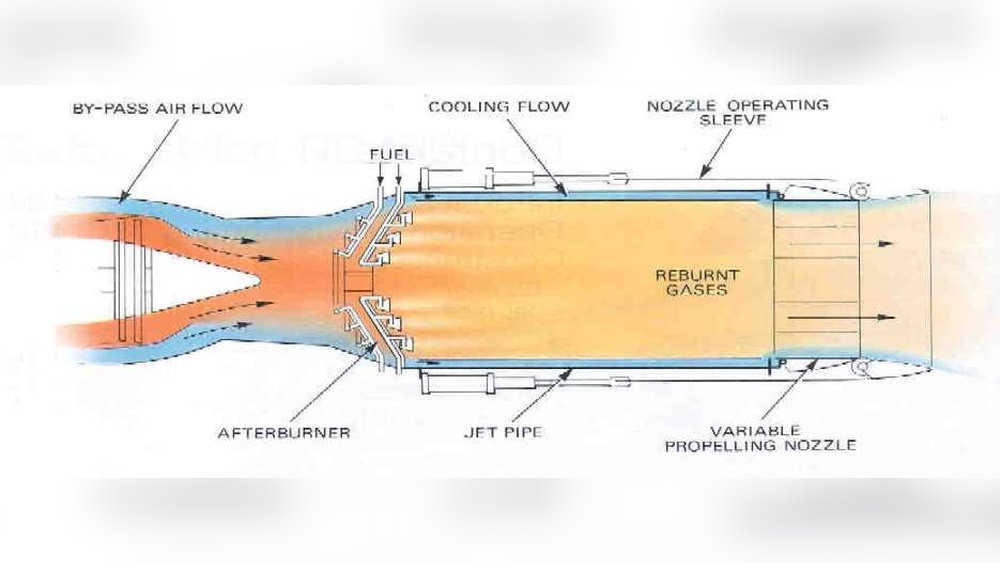
The afterburner is a powerful part of a jet engine that boosts thrust. It works by injecting extra fuel into the engine’s hot exhaust. This creates more thrust and makes the jet fly faster. The afterburner has key parts that help it work well and safely. These parts control fuel, keep the flame steady, and manage airflow. Understanding these parts helps explain how afterburners give jets their extra power.
Fuel Injection System
The fuel injection system sprays fuel into the afterburner. It must spread fuel evenly for a strong flame. Special nozzles atomize the fuel into tiny drops. This helps fuel mix quickly with hot air. Proper fuel flow is vital to avoid engine damage. The system adjusts fuel supply based on speed and power needs.
Flame Holders
Flame holders keep the flame stable inside the afterburner. They create small pockets of low-speed air. These pockets trap the flame and stop it from blowing away. Without flame holders, the flame would go out quickly. The design of flame holders ensures a steady and safe burn. They are shaped to balance airflow and flame stability.
Nozzle Design
The nozzle controls the exhaust flow from the afterburner. It changes size to adjust thrust and speed. A wider nozzle opens during afterburner use to reduce pressure. This helps increase thrust and engine efficiency. The nozzle also directs the exhaust for better jet control. Its design is crucial for smooth and powerful flight.
How Afterburners Work
Understanding how afterburners work helps explain their role in jet engines. Afterburners add extra thrust by burning more fuel in the exhaust stream. This process increases the engine’s power, mainly during takeoff or combat. Let’s explore the key steps that make afterburners effective.
Airflow And Combustion Process
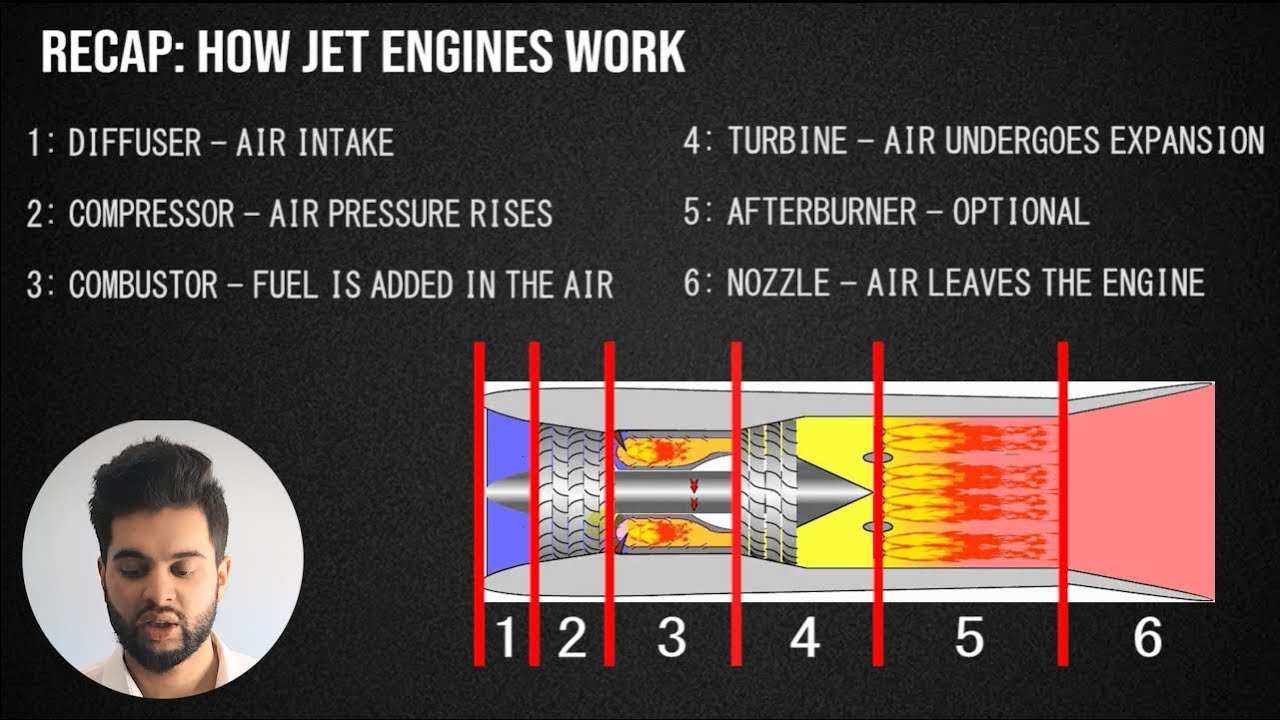
Air flows through the jet engine and passes the turbine section. The turbine normally extracts energy to power the compressor. After this, hot air enters the afterburner section. Here, additional fuel mixes with the hot air. The afterburner provides space for burning this fuel. This extra combustion raises the exhaust temperature and speed.
Fuel Ignition And Flame Stabilization
Special fuel nozzles spray fuel into the afterburner chamber. Igniters light the fuel-air mixture to start combustion. Flame holders keep the flame steady inside the fast-moving airflow. They create small turbulence zones to hold the flame. This stable flame ensures continuous burning and prevents flame blowout.
Thrust Boost Mechanism
The burning fuel produces high-pressure, high-temperature gases. These gases expand rapidly and exit the nozzle at great speed. This expansion increases the jet engine’s thrust significantly. The afterburner can nearly double the thrust compared to normal operation. Pilots use this extra power for quick acceleration and high-speed flight.

Performance Benefits
Afterburners boost jet engine performance in key ways. They provide extra power and speed during critical flight moments. This section explains the main benefits of using afterburners.
Increased Thrust Output
Afterburners inject fuel into the jet pipe behind the turbine. This fuel burns with hot exhaust gases, creating extra thrust. The result is a sudden surge of power. Thrust can increase by 50% or more. This helps jets take off quickly or climb faster.
Speed And Maneuverability Enhancements
The added thrust from afterburners lets aircraft reach supersonic speeds. Pilots can accelerate rapidly during combat or emergencies. It also improves maneuverability, allowing sharp turns and quick changes in altitude. This advantage is vital for fighter jets in battle.
Operational Trade-offs
Afterburners use a lot of fuel in a short time. This limits how long they can operate. Also, the extra heat makes the engine less efficient. Pilots use afterburners only when necessary. They balance performance benefits with fuel consumption and engine wear.
Fuel Consumption And Efficiency
Fuel consumption is a key factor in jet engine afterburner use. Afterburners provide extra thrust but consume more fuel. Pilots use afterburners carefully because of this trade-off. Understanding how fuel use changes helps explain afterburner efficiency.
Fuel Usage During Afterburning
Afterburners inject extra fuel into the engine’s exhaust. This boosts thrust by burning more fuel quickly. The fuel flow rate can double or triple compared to normal operation. This high fuel use lasts only for short bursts. Continuous afterburner use wastes fuel rapidly.
Impact On Flight Range
Using afterburners reduces an aircraft’s flight range. The engine burns fuel faster, leaving less for long flights. Pilots avoid afterburners during cruising to save fuel. Afterburners are mostly for takeoff or combat situations. Efficient fuel management helps keep the plane flying longer.
Balancing Power And Economy
Pilots must balance power needs with fuel economy. Afterburners give quick speed but at a fuel cost. They switch off after reaching the desired speed or altitude. Good flight planning limits afterburner use to save fuel. This balance keeps missions effective and fuel use reasonable.
Applications In Military Aviation
Afterburners play a vital role in military aviation. They give fighter jets extra thrust. This boost helps jets fly faster and perform tough maneuvers. The afterburner is a key tool for pilots in many situations.
The design of afterburners helps jets reach supersonic speeds quickly. They are especially useful during takeoff and combat. The ability to increase speed fast can save lives and complete missions.
Fighter Jets And Supersonic Flight
Fighter jets use afterburners to reach supersonic speeds. Supersonic flight means flying faster than sound. This speed helps pilots avoid enemy fire and chase targets. Without afterburners, many jets would struggle to break the sound barrier.
Afterburners add extra fuel to the jet engine’s exhaust. This creates more thrust and pushes the jet forward. The quick acceleration is crucial in dogfights and fast attacks. It also allows jets to cover large areas quickly.
Role In Takeoff And Combat Scenarios
During takeoff, afterburners help jets leave the runway faster. Heavy military jets need this extra power to become airborne safely. It is especially important on short or rough runways.
In combat, afterburners allow pilots to react quickly. They can speed up to escape danger or catch enemy aircraft. The increased thrust also helps in tight turns and sudden climbs. This edge can determine the outcome of battles.
Technological Advances
Jet engine afterburners have evolved with key technological advances. These improvements help increase efficiency and power. Engineers use smart designs and new materials to make afterburners better. The technology also aims to reduce fuel use and handle extreme heat.
Variable Geometry Nozzles
Variable geometry nozzles adjust their shape during flight. They change size to control air and exhaust flow. This adjustment helps maintain engine performance at different speeds. It improves thrust while saving fuel. The nozzle adapts to afterburner use and normal engine operation.
Materials And Cooling Techniques
Modern afterburners use special heat-resistant materials. These materials can survive very high temperatures. Cooling systems blow air on hot parts to keep them safe. Advanced ceramics and metal alloys protect the engine. These technologies extend the life of afterburner components.
Future Afterburner Innovations
New ideas aim to make afterburners more efficient. Research focuses on better fuel mixing and flame control. Scientists explore electric and plasma-assisted ignition methods. These could reduce fuel waste and emissions. Future designs may use lighter materials for better performance.

Frequently Asked Questions
What Is The Primary Function Of A Jet Engine Afterburner?
A jet engine afterburner increases thrust by injecting fuel into the exhaust stream. This boosts engine power temporarily during takeoff or combat. It significantly enhances aircraft speed and performance but uses more fuel.
How Does An Afterburner Improve Jet Engine Performance?
An afterburner adds extra fuel to hot exhaust gases, creating additional thrust. This process increases velocity and power output. It helps jets reach supersonic speeds and improves acceleration quickly.
When Is An Afterburner Typically Used In Flight?
Afterburners are used during takeoff, combat, and supersonic flight. They provide extra thrust when maximum speed or power is needed. Pilots activate afterburners for short bursts to save fuel.
Does Using An Afterburner Increase Fuel Consumption?
Yes, afterburners consume fuel at a much higher rate. They burn extra fuel to produce additional thrust. This makes afterburners efficient only for short durations, not continuous use.
Conclusion
A jet engine afterburner adds extra thrust for short bursts of speed. It works by injecting fuel into hot exhaust gases, creating more power. Pilots use it during takeoff or combat to gain quick acceleration. This system burns fuel rapidly and lowers fuel efficiency.
Still, it plays a key role in fighter jets and some military planes. Understanding how afterburners work helps appreciate modern aviation technology. The next time you see a jet roar by, you’ll know the power behind that sound. Simple, yet powerful engineering at work.


