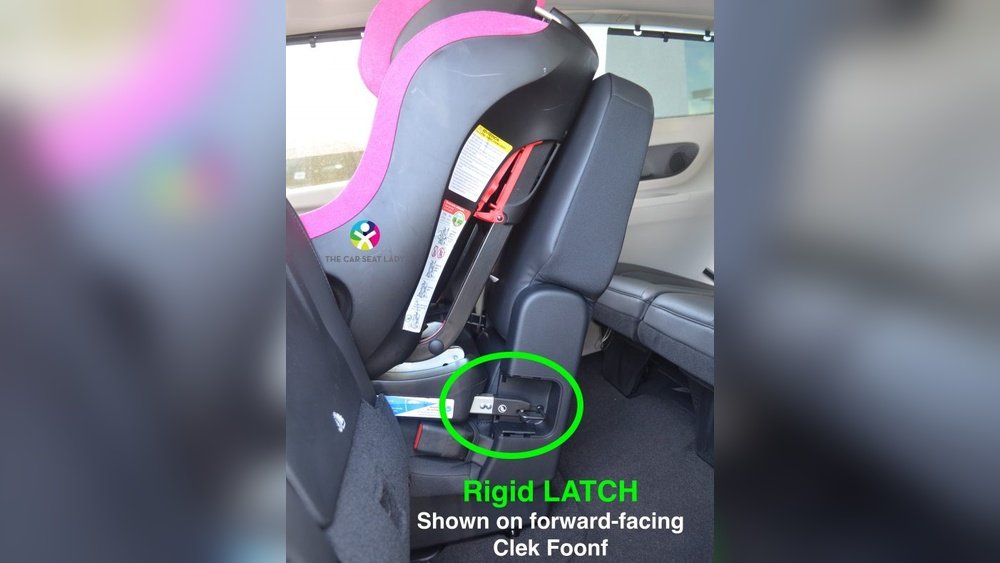
Are you sure your child’s car seat is as safe as it can be? Knowing how the LATCH system works could make all the difference in protecting your little one during every ride.
LATCH isn’t just a fancy term — it’s a simple, effective way to secure car seats without the hassle of seat belts. If you want to make sure your car seat is installed correctly and your child stays safe, understanding LATCH is a must.
Keep reading to discover what LATCH is and how it works to keep your child secure on the road.
Latch System Basics
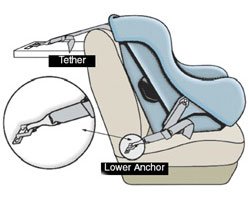
The LATCH system is a safety feature in cars. It helps secure child car seats without using seat belts. This system makes installing car seats easier and safer. Understanding its basics can help keep children safer on the road.
Latch Components
The LATCH system has three main parts. First are the lower anchors found in the car seat bight. Second are the tether anchors located behind the vehicle seat. Last are the connectors attached to the car seat. These parts work together to secure the child seat firmly.
Purpose Of Latch
The LATCH system’s purpose is to improve child safety. It reduces the risk of incorrect installation. This system holds the car seat tightly in place. It limits movement during sudden stops or crashes. This helps protect children from injury.
Compatibility With Car Seats
Most modern car seats have LATCH connectors. They fit easily with LATCH anchors in vehicles. Always check if your car and seat support LATCH. Some older models may not have LATCH parts. Using compatible equipment ensures proper safety.
Installing A Car Seat With Latch
Installing a car seat with LATCH makes securing your child safer and easier. LATCH stands for Lower Anchors and Tethers for Children. It is a system built into most cars and car seats. It helps attach the car seat directly to the vehicle. This reduces the risk of incorrect installation and improves safety during travel.
Locating Latch Anchors
First, find the LATCH anchors in your car. They are metal bars located in the seat crease. Look between the seat back and bottom cushion. Some cars have small labels or symbols showing the anchor spots. Knowing where these anchors are is key to a proper installation.
Attaching Lower Anchors
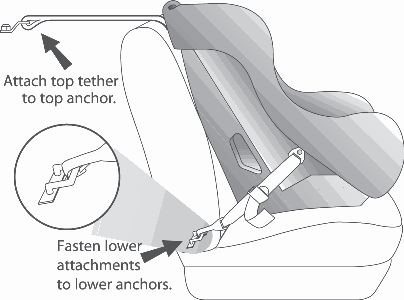
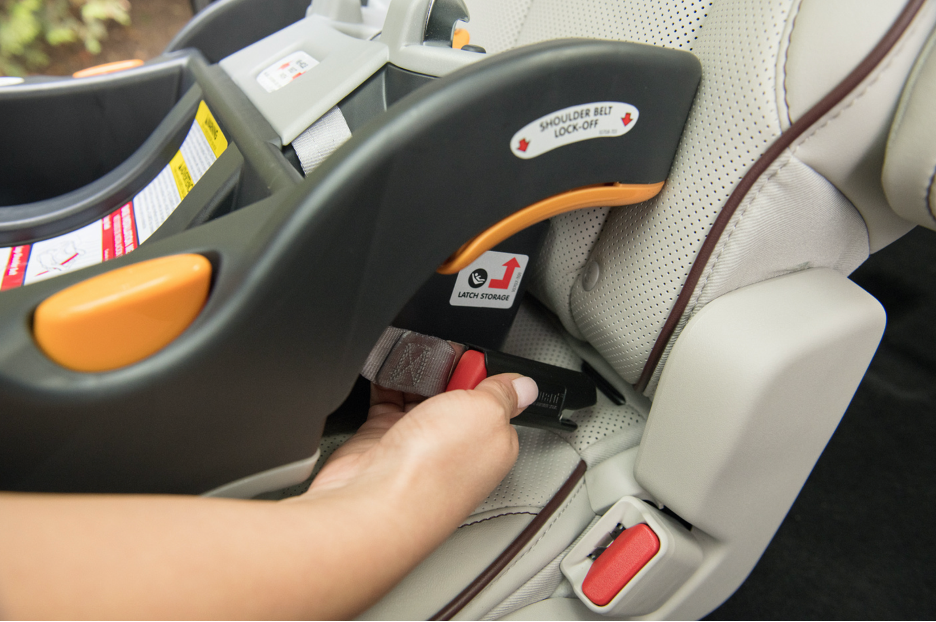
Next, connect the car seat’s lower anchors to the vehicle’s anchors. Press the connectors onto the metal bars until you hear a click. Make sure the connection feels tight and secure. Pull on the straps to remove slack. The car seat should not move more than an inch side to side or front to back.
Using Top Tether
Use the top tether strap for extra security. This strap attaches to a tether anchor behind the vehicle seat. It prevents the car seat from tipping forward in a crash. Clip the tether hook to the anchor and tighten the strap. This step is especially important for forward-facing car seats.
Benefits Of Using Latch
Using LATCH in car seats offers clear advantages for parents and caregivers. It helps secure the car seat firmly and makes sure your child stays safe. Understanding these benefits shows why LATCH is a smart choice for many families.
Improved Safety
Latch keeps the car seat tightly fixed to the vehicle. This strong connection lowers the chance of the seat moving during a crash. It helps protect your child by keeping them secure in their seat. Latch meets strict safety rules to give extra protection.
Ease Of Installation
Latch uses simple hooks that connect easily to anchors in the car. It avoids using seat belts, which can be tricky to fasten correctly. This system saves time and reduces stress for parents. Quick and clear installation means less hassle on every trip.
Reduced Installation Errors
Many car seat problems come from wrong installation. Latch reduces mistakes by guiding parents with clear points to connect. Fewer errors mean the seat works as it should. This increases safety and peace of mind on the road.
Common Mistakes To Avoid
Using LATCH on car seats improves safety but requires care. Many parents make simple errors that reduce protection. Avoiding these mistakes helps keep children safer during travel.
Incorrect Anchor Usage
Each car seat has specific anchor points. Using the wrong anchor weakens the seat’s hold. Always attach the LATCH connectors to the vehicle’s designated anchors. Never use seat belt anchors or other parts not meant for LATCH.
Loose Connections
Connectors must be tight and secure. Loose attachments allow movement and reduce safety. After clicking the connectors in place, pull firmly on the straps. The car seat should not move more than one inch side to side or front to back.
Ignoring Weight Limits
Every car seat and LATCH system has weight limits. Exceeding these limits can cause failure during a crash. Check the car seat manual for maximum combined weight of child and seat. Switch to seat belts if your child is over the LATCH weight limit.
Comparing Latch To Seat Belt Installation
Comparing LATCH to seat belt installation helps parents choose the best method for car seats. Both ways keep children safe during rides. Understanding their differences makes installation easier and safer. Each method has pros and cons. Knowing them helps pick the right option.
Installation Process
LATCH uses special anchors built into cars. You connect car seat hooks to these anchors. It’s quick and often easier than using seat belts. Seat belt installation requires threading the belt through the car seat. Then, you tighten the belt firmly. This can take more time and skill. Some cars have tight spaces that make seat belt use hard. LATCH often fits better in small or crowded cars.
Safety Performance
Both LATCH and seat belts meet safety rules. LATCH holds the car seat firmly to the car frame. It lowers the risk of seat movement during crashes. Seat belts also secure the seat well when used correctly. The key is to make sure the seat is tight. Loose seats can be dangerous no matter the method. Crash tests show both methods protect children well.
When To Choose Each Method
Choose LATCH if your car has anchors and the seat fits well. It’s fast and simple for most parents. Use seat belts when your car has no LATCH anchors. Also pick seat belts if the car seat is too heavy for LATCH limits. Some car seats allow using both methods together. Check your car and seat manual to decide. Safety depends on correct and tight installation.
Maintaining And Inspecting Latch
Maintaining and inspecting the LATCH system on car seats keeps your child safe. Regular care ensures the system works properly. A well-kept LATCH system holds the car seat firmly in place. Neglect can lead to loose connections and reduce safety. Follow simple steps to keep the LATCH system in good shape.
Regular Checks
Check the LATCH straps for any wear or damage. Make sure the connectors latch securely onto the vehicle anchors. Tug gently on the car seat to test its tightness. Inspect the metal hooks for rust or bending. Confirm the straps are not twisted or frayed. Regular checks help spot issues early and prevent accidents.
Cleaning Tips
Keep the LATCH straps clean and free from dirt. Use a damp cloth to wipe the connectors and straps. Avoid harsh chemicals that can weaken the material. Let the parts dry completely before reattaching the car seat. Clean connectors prevent slippage and ensure a strong hold. Avoid soaking the straps to protect their strength.
When To Replace Components
Replace any LATCH parts showing signs of damage or wear. Cracked or bent connectors need immediate replacement. Straps that are frayed or cut must be changed. Follow the car seat manufacturer’s guidelines for parts replacement. Use only approved components for your car seat model. Timely replacement keeps the LATCH system safe and reliable.
Frequently Asked Questions
What Does Latch Mean In Car Seats?
LATCH stands for Lower Anchors and Tethers for Children. It is a system designed to safely secure child car seats without using seat belts. LATCH makes installation easier and reduces the risk of incorrect setup, enhancing child safety during travel.
How Does Latch Improve Car Seat Safety?
LATCH provides a firm connection between the car seat and vehicle. It reduces seat movement during a crash, offering better protection. The system also helps ensure the car seat is installed correctly, minimizing the chance of human error and improving overall safety.
Can I Use Latch With All Car Seats?
Most modern car seats and vehicles support LATCH, but not all. Always check the car seat and vehicle manuals for compatibility. Some car seats may require using seat belts instead, especially for older models or certain vehicle types.
Is Latch Easier Than Using Seat Belts?
Yes, LATCH is generally easier and quicker to use than seat belts. The system has dedicated anchors and connectors, simplifying installation. However, proper use is essential to ensure safety, so always follow the manufacturer’s instructions carefully.
Conclusion
Latch makes car seat installation safer and easier for parents. It uses built-in anchors and hooks to secure the seat tightly. This system reduces errors and keeps children protected during travel. Always check your car and seat manuals before installing.
Using Latch correctly ensures peace of mind on every trip. Safe rides start with proper car seat use.