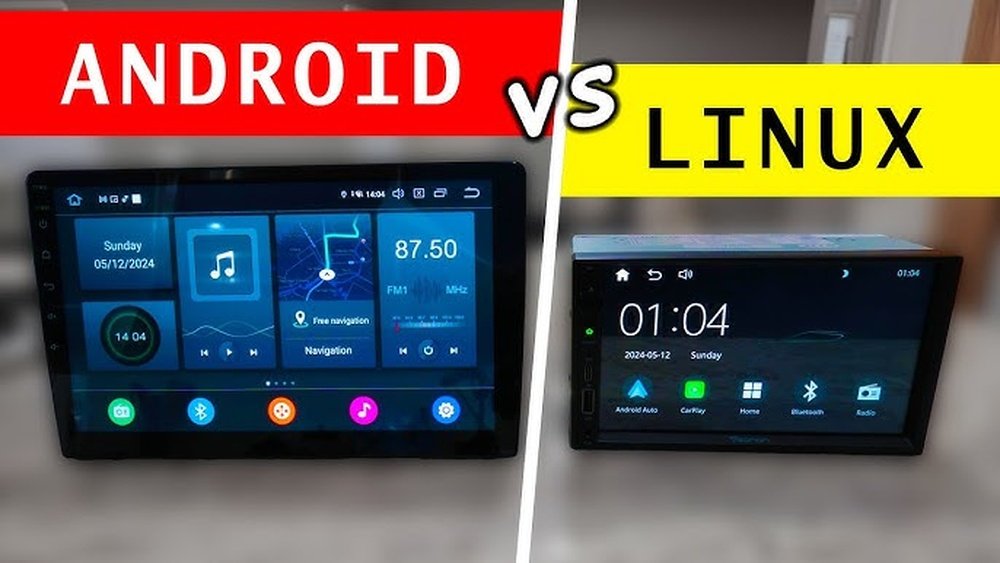
Are you confused about the difference between Android and Linux car stereos? You’re not alone.
Choosing the right system for your car can change how you enjoy music, navigation, and apps on the road. Understanding what sets Android apart from Linux in car stereos will help you make a smart choice that fits your needs.
Keep reading to discover the key differences that could transform your driving experience.
Basics Of Android Car Stereo
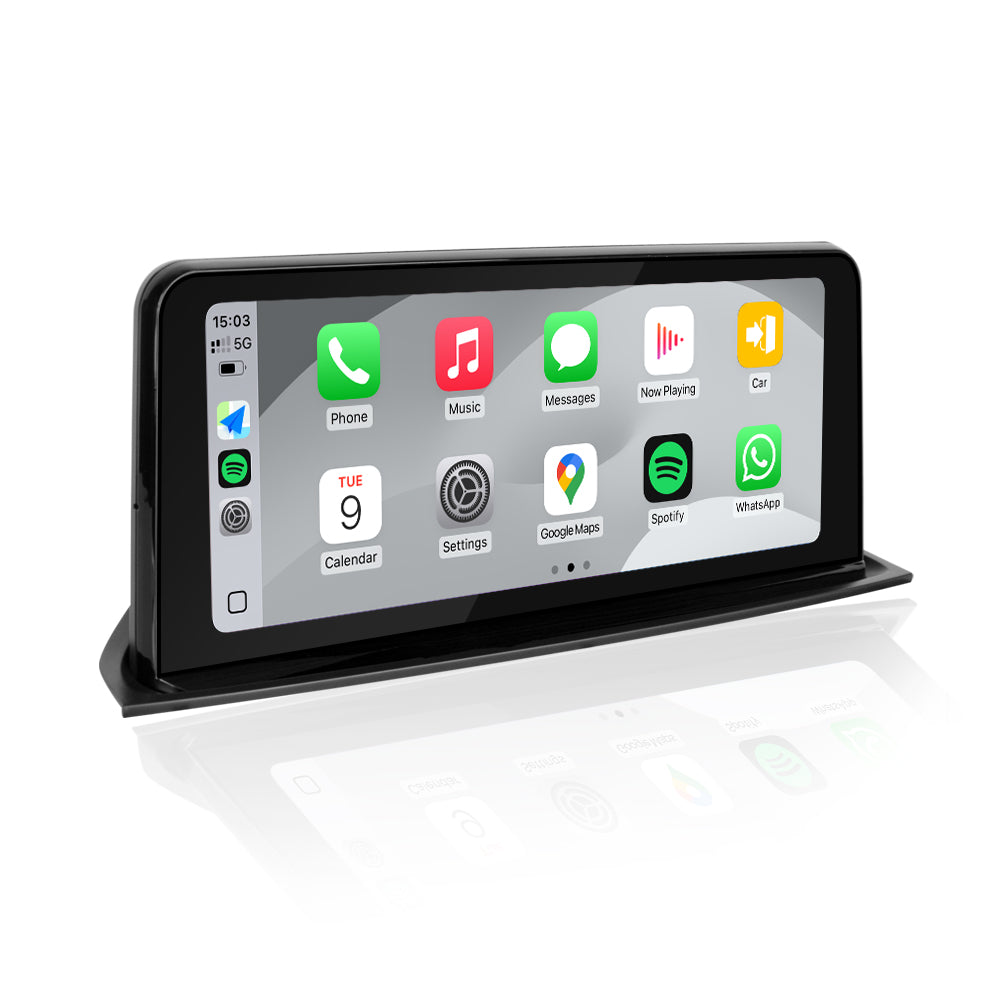
Android car stereos offer a smart way to enhance your driving experience. They run on the Android operating system, which powers many smartphones. This system brings many benefits to your car, such as easy navigation, media playback, and connectivity. Understanding the basics helps you see how Android car stereos work and what makes them different from Linux systems.
Operating System Features
Android car stereos use a version of the Android OS. This system supports touch screens and voice commands. It allows easy access to maps, music, and phone calls. Updates are available to improve performance and add features. The system also supports Bluetooth and Wi-Fi connections. It is designed to work well with different car models.
User Interface Design
The user interface of Android car stereos is simple and clear. Large icons and menus make navigation easy. The screen layout is made for quick use while driving. Many models support voice control to keep your hands free. Customization options let users choose themes and shortcuts. This design focuses on safety and ease of use.
App Ecosystem
Android car stereos can run many apps from the Google Play Store. Apps for music, navigation, and communication are common. Users can download apps like Spotify, Google Maps, and WhatsApp. The system supports apps designed for car use, improving safety. This wide app ecosystem adds flexibility and fun to your drive.
Basics Of Linux Car Stereo
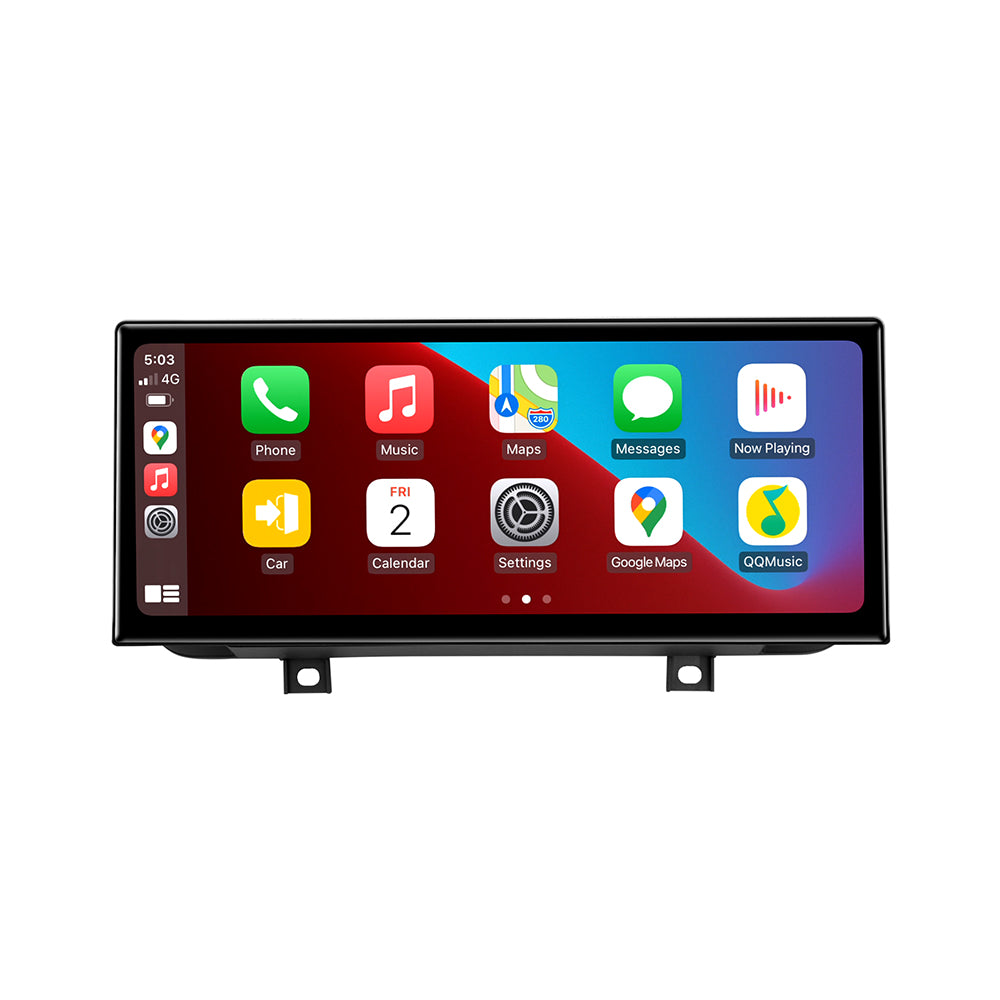
Linux car stereos offer a unique approach compared to other systems. They are built on the Linux operating system, known for its stability and flexibility. This system powers many car stereos, allowing users to customize and control their device deeply.
Understanding the basics helps you see why Linux car stereos attract tech-savvy users. The open-source nature means anyone can modify the software. It also means strong community support and a wide range of features.
Operating System Features
Linux car stereos run on a free and open operating system. This system is lightweight and runs well on limited hardware. It supports many audio and video formats. Security is strong because Linux rarely faces viruses. Updates are frequent and improve system performance.
Customization Options
Linux allows users to change almost every part of the system. You can install different apps and tools easily. Themes and user interfaces can be tailored to personal taste. Developers can add new functions or remove unnecessary ones. This flexibility is rare in other car stereos.
Community Support
A large community of developers and users supports Linux car stereos. Forums and online groups share tips and fixes. Many open-source projects improve the software continuously. Help is often free and quick. This support network helps solve problems fast and keeps systems updated.
Performance Comparison
Performance plays a key role in choosing between Android and Linux car stereos. Drivers expect fast, smooth, and reliable systems during every trip. Comparing their performance helps understand which system fits best for daily use.
Speed And Responsiveness
Android car stereos often run smoother with quick app launches. Their design focuses on user-friendly interaction. Linux car stereos can be slower due to less optimization for touchscreens. Android’s frequent updates improve speed and reduce lag. Linux systems may take longer to respond, especially with complex tasks.
Stability And Reliability
Linux is known for strong stability in many devices. It rarely crashes and runs long without issues. Android can face crashes from app conflicts or updates. Yet, Android’s wide support and regular patches help fix bugs fast. Linux’s stability suits users who want a consistent system without many changes.
Compatibility And Integration
Compatibility and integration are key when choosing between Android and Linux car stereos. They affect how well the stereo works with your car and devices. Understanding these aspects helps you pick a system that fits your needs.
Hardware Support
Android car stereos usually support a wide range of hardware. They work well with many car models and accessories. This is due to Android’s broad use and frequent updates. Linux car stereos may have limited hardware support. They often require specific components to work properly. This can limit your choices for cars and add-ons.
Smartphone Connectivity
Android stereos connect easily with most smartphones. They support features like Android Auto and Bluetooth. This makes playing music and using apps simple. Linux car stereos may not support all smartphone features. Their connectivity options can be less flexible. This might affect your ability to use apps and hands-free calling.
Security Aspects
Security is a key concern for any car stereo system. Android and Linux platforms differ in how they protect user data and system integrity. Understanding these security aspects helps users choose the right system.
Vulnerabilities
Android car stereos face more security risks than Linux systems. They run many apps, increasing exposure to malware and viruses. Android updates often patch these security holes. Linux car stereos have fewer apps, reducing attack chances. Their open-source nature allows quick fixes by the community. Still, both systems need careful use to stay safe.
Update Mechanisms
Android car stereos usually get automatic updates from manufacturers. These updates fix bugs and improve security regularly. Users may install updates without much effort. Linux car stereos rely on community or vendor updates. These updates might require manual installation. Timely updates are crucial to keep the system secure. Without updates, both systems can become vulnerable over time.

Cost And Licensing
Cost and licensing play a big role in choosing between Android and Linux car stereos. These factors affect how much you pay upfront and later for updates or changes. Understanding these costs helps you make a better choice.
Software Costs
Android car stereos usually have higher software costs. This is because many come with proprietary apps and services. These apps might require licenses or subscriptions. Linux car stereos often use open-source software. This reduces the initial software cost. You can also avoid paying for many apps or tools. Still, some Linux versions might need paid support or special licenses.
Customization Expenses
Customizing Android car stereos can be costly. Developers must follow strict rules set by Google. Some custom features may need paid tools or licenses. Linux car stereos offer more freedom to customize. Most tools and software are free or low cost. Still, you might spend money hiring experts. This depends on the complexity of the changes you want. Overall, Linux offers cheaper customization options but may need technical skills.
User Experience And Interface
User experience and interface play a big role in choosing a car stereo system. These affect how easy and pleasant it is to use the stereo while driving. Both Android and Linux car stereos offer unique designs and controls. Understanding their differences helps find the best fit for your needs.
Ease Of Use
Android car stereos offer a familiar look for many users. The design feels like a smartphone screen. Icons are clear and large, making navigation simple. Voice control works well, helping drivers keep their eyes on the road. Menus are straightforward and quick to respond.
Linux car stereos can be less polished in design. Some models may look basic or old-fashioned. Buttons and touch controls might take time to learn. The system can be slower, which might frustrate some users. Yet, Linux systems are often stable and reliable.
Customization
Android systems allow many apps to be installed. Users can change themes, wallpapers, and widgets easily. This makes the interface more personal and fun. Updates add new features and improve performance over time.
Linux car stereos offer deep customization but need technical skills. Users can modify the system through coding or special tools. This suits tech-savvy people who want full control. However, it might be too complex for average users.
Future Trends
The future of Android and Linux car stereos shows many exciting changes. Both systems keep evolving to offer better user experiences and new technologies. Car manufacturers and software developers work hard to improve these systems. The goal is to make driving safer, easier, and more fun.
Upcoming Features
Android car stereos will add more voice control options. Drivers can use simple commands to operate music, navigation, and calls. Linux car stereos will focus on better customization. Users can change settings and apps to fit their needs.
Both systems plan to improve connectivity. Faster Bluetooth and Wi-Fi will help connect more devices. Integration with smart home gadgets will become common. Expect better support for apps that track car health and fuel efficiency.
Industry Adoption
Android car stereos are widely used by many car brands. Their easy app support attracts drivers and manufacturers. Linux car stereos are popular in custom and high-end vehicles. They offer more control to tech-savvy users.
More car makers are exploring Linux-based systems. Open-source nature allows quick updates and security fixes. Android systems benefit from Google’s strong app ecosystem. Both platforms will grow as car tech advances.
Frequently Asked Questions
What Distinguishes Android From Linux Car Stereos?
Android car stereos run on Android OS with user-friendly apps. Linux car stereos use a customizable Linux kernel, often for basic functions and stability.
Are Android Car Stereos More User-friendly Than Linux Ones?
Yes, Android car stereos offer a familiar interface and app ecosystem. Linux stereos focus more on customization and reliability, but may lack some apps.
Can Linux Car Stereos Support Android Apps?
Generally, Linux car stereos do not support Android apps natively. Android stereos are designed for app compatibility, offering a wider app selection.
Which Car Stereo Offers Better Software Updates, Android Or Linux?
Android car stereos usually receive frequent updates from manufacturers. Linux car stereos may have slower or less frequent updates but offer robust performance.
Conclusion
Android and Linux car stereos serve different needs. Android offers a user-friendly interface with many apps. Linux provides more control and customization options. Both have strong points for car audio systems. Choosing depends on your tech comfort and feature needs.
Think about what fits your daily drive best. Both systems can improve your car’s entertainment experience. Now you know the basic difference. Choose smart, and enjoy your ride.