Have you ever wondered why your car has both front and rear wiper blades? You might think they do the same job, but there’s more to it than meets the eye.
Understanding the difference between front and rear wiper blades can help you keep your windshield clear and your driving safe. You’ll discover what sets these wipers apart and why choosing the right one matters for your vehicle. Keep reading to learn how to make the best choice for your car and stay prepared for any weather.
Front Wiper Blades
Front wiper blades play a crucial role in keeping the windshield clear. They help drivers see the road during rain, snow, or dust. These blades are the most used and often larger than rear wipers. Their design and function focus on safety and visibility.
Design And Size
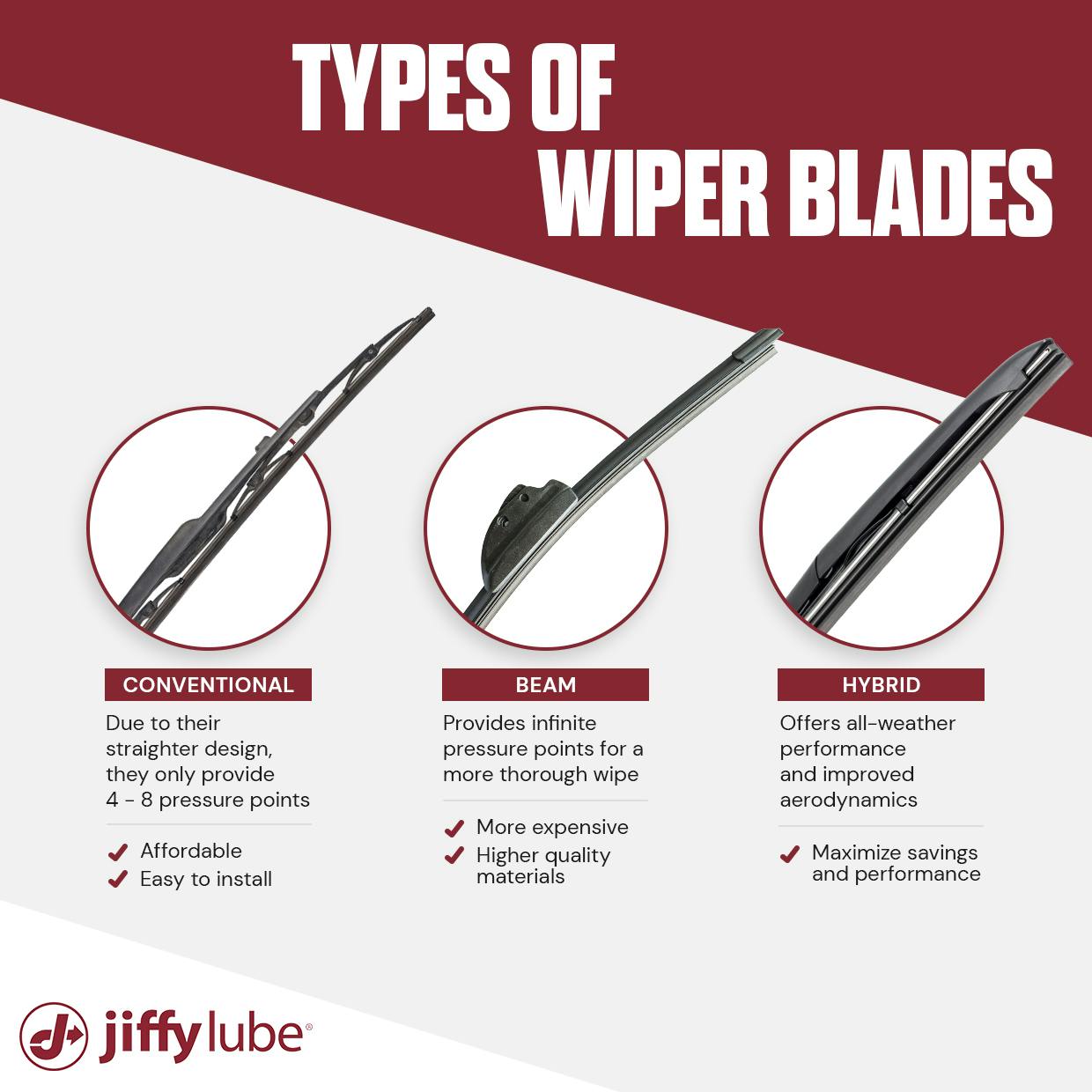
Front wiper blades are longer than rear wipers. Their size varies depending on the vehicle model. Many cars have two blades that cover a wide area of the windshield. This helps remove water and debris quickly. The design often includes a curved frame to fit the windshield shape.
Functionality
These blades sweep across the windshield in a back-and-forth motion. They clear rain, snow, and dirt from the driver’s view. Some front wipers have multiple speed settings for light rain or heavy storms. Their main job is to keep the windshield clean for safe driving.
Common Materials
Most front wiper blades use rubber or silicone for the wiping edge. Rubber is flexible and removes water well. Silicone blades last longer and resist cracking from the sun. The frame is usually made of metal or plastic. These materials help the blade stay strong and flexible.
Rear Wiper Blades
Rear wiper blades help keep the back window clear. They improve visibility and safety while driving. These wipers are different from front wipers in size and function.
Understanding rear wiper blades helps you choose the right replacement. It also ensures your rear view stays clear in rain or snow.
Design And Size
Rear wiper blades are smaller than front wipers. They are designed to fit the rear window shape. Their size usually ranges from 10 to 16 inches.
The design is simple and straight. This helps them cover the rear glass area efficiently. Some rear blades have a single arm, unlike front wipers with two arms.
Functionality
Rear wipers clear rain, snow, and dirt from the back window. They improve rear visibility, especially in bad weather. Rear wipers usually move slower than front wipers.
They work with a single wiping motion. Some cars have intermittent settings for rear wipers. This helps save the blade life and battery power.
Common Materials
Rear wiper blades often use rubber or silicone for the wiping edge. Rubber is common and affordable. It works well but may wear out faster.
Silicone blades last longer and resist weather better. The frame is usually made of metal or plastic. Plastic frames are light and resist rust.
Performance Differences
Performance differences between front and rear wiper blades affect visibility and safety. Each blade type serves a unique role based on its position. Understanding these differences helps in choosing the right wiper for your vehicle.
Coverage Area
Front wiper blades cover a larger glass area than rear blades. They clear the windshield, which is bigger and more curved. Rear wipers focus on a smaller window, usually the rear hatch or back glass. This means front blades must have a wider reach and flexible design.
Speed And Pressure
Front wipers move faster than rear wipers. They clear rain and debris quickly from the windshield. Rear blades work slower to avoid streaks on the smaller rear window. Front blades also press harder against the glass to remove dirt effectively. Rear wipers use lighter pressure to prevent damage to the rear window.
Durability Factors
Front wiper blades face more wear due to constant use. They endure harsh weather, dirt, and road debris. Rear blades last longer because they work less and face fewer challenges. Materials and build quality vary, with front blades often needing stronger rubber or silicone. Replacing front blades more often keeps visibility clear and safe.
Installation Tips
Installing wiper blades correctly ensures clear visibility and safe driving. Front and rear wiper blades differ in size and attachment types. Knowing the right method helps avoid damage and poor performance. Follow these simple tips for smooth installation and long-lasting use.
Choosing The Right Blade
Select blades that fit your vehicle’s make and model. Front wipers usually need longer blades than rear ones. Check your owner’s manual or measure the old blades. Use blades designed for your car’s specific attachment style. Avoid mixing front and rear blades due to different designs.
Installation Steps
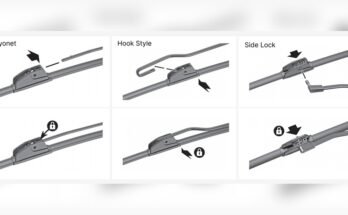
Lift the wiper arm away from the glass gently. Remove the old blade by pressing the release tab or sliding it off. Align the new blade with the arm’s hook or connector. Push the blade until you hear a click or feel it lock. Lower the arm carefully back to the windshield or rear window. Test the new wipers to ensure they move smoothly and clear water well.
Maintenance Practices
Clean blades regularly with a damp cloth to remove dirt. Check for cracks or splits and replace damaged blades promptly. Avoid using wipers on a dry windshield to reduce wear. Remove snow or ice gently to prevent bending the blades. Replace blades every six to twelve months for optimal performance.
Common Issues
Wiper blades are essential for clear vision during rain or snow. Both front and rear wipers face common problems over time. These issues affect how well they clean your windshield and rear window. Understanding these problems helps keep your wipers working well and your driving safe.
Wear And Tear Signs
Wiper blades wear out from daily use and weather conditions. Cracks, splits, or missing rubber show clear signs of wear. Front wipers tend to wear faster due to larger size and more use. Rear wipers also wear but often slower. Check blades regularly for any damage or stiffness.
Noise And Streaking
Wiper noise means the blades are not sliding smoothly. Squeaking or chattering sounds occur when rubber hardens or dirt builds up. Streaks or spots on the glass show poor cleaning. Both front and rear blades can cause noise and streaking. Clean blades and windshield often to reduce these problems.
Replacement Frequency
Front wiper blades usually need replacing every 6 to 12 months. Rear blades last longer, often 12 to 18 months. Harsh weather or heavy use shortens blade life. Replace blades sooner if they leave streaks or noise persists. Timely replacement ensures clear visibility and safer driving.


Frequently Asked Questions
What Are The Main Differences Between Front And Rear Wiper Blades?
Front wiper blades are larger and designed for the windshield. Rear wiper blades are smaller and fit the rear window. They have different shapes and mounting styles to match their specific window curves and cleaning needs.
Why Do Front Wipers Wear Out Faster Than Rear Wipers?
Front wipers face more exposure to rain, dirt, and debris. They also cover a larger surface area. Rear wipers operate less frequently and have less impact from weather, leading to slower wear.
Can I Use Front Wiper Blades On The Rear Window?
No, front wiper blades won’t fit or perform well on rear windows. Rear blades are specifically sized and shaped for smaller rear glass surfaces. Using the wrong blade reduces cleaning efficiency and may damage the wiper arm.
How Often Should Front And Rear Wiper Blades Be Replaced?
Front wipers typically need replacement every 6 to 12 months. Rear wipers can last longer, around 12 to 18 months. Regular inspection ensures clear visibility and safe driving in all weather conditions.
Conclusion
Front and rear wiper blades serve different purposes on your car. Front blades clear the windshield for safe driving. Rear blades keep the back window clean and visible. Both need regular checks and replacements. Using the right type improves your view in rain or snow.
Remember, good wipers help prevent accidents. Choose blades that fit your vehicle well. Keep both front and rear blades in good shape. Clear vision means safer trips every time. Simple care makes a big difference on the road.