Are you thinking about upgrading your car’s stereo but feeling confused by terms like OEM and aftermarket? You’re not alone.
Choosing the right stereo can make a big difference in your driving experience, sound quality, and even your wallet. But what exactly sets an OEM stereo apart from an aftermarket one? Understanding these differences will help you make the best choice for your needs and avoid costly mistakes.
Keep reading, and by the end, you’ll know exactly which option suits your car and your lifestyle perfectly.

Oem Stereo Basics
OEM stereos come installed by the vehicle maker. These stereos fit the car’s style and function perfectly. They focus on ease of use and reliability. Understanding their basics helps you see their value.
OEM stereos often differ from aftermarket ones in design and features. Knowing these differences helps you decide which stereo suits your needs best.
Manufacturer’s Role
The car maker chooses the OEM stereo. They work with audio brands or make their own. This ensures the stereo matches the car’s brand quality. The manufacturer tests the stereo for durability and sound.
Design And Integration
OEM stereos fit the car’s dashboard exactly. They match the car’s interior style and controls. The system connects smoothly with other car electronics. This integration offers a simple user experience and fewer issues.
Standard Features
OEM stereos include basic features like radio, CD player, or Bluetooth. They support car controls such as steering wheel buttons. Some models add navigation or voice commands. These features focus on safety and ease of driving.

Aftermarket Stereo Essentials
Aftermarket stereos offer many choices beyond what OEM stereos provide. They allow car owners to change their audio system to fit personal needs. These stereos bring new features and improvements that OEM systems may not have. Understanding the key points of aftermarket stereos helps in making the right decision for your car audio setup.
Many people choose aftermarket stereos for the chance to upgrade their music experience. These systems focus on better sound, extra functions, and a style that matches the car owner’s taste. The essentials of aftermarket stereos include customization options, performance enhancements, and wide availability.
Customization Options
Aftermarket stereos let you pick features that fit your style. You can choose screen size, touch controls, and color themes. Some models support smartphone integration for easier access to apps. Equalizer settings allow you to adjust sound to your liking. This freedom to customize makes the audio system unique to each user.
Performance Enhancements
These stereos often deliver better sound quality than OEM units. They support higher power outputs and clearer audio. Many systems work well with external amplifiers and subwoofers. This helps produce deeper bass and richer tones. The overall sound experience improves with these upgrades.
Variety And Availability
Aftermarket stereos come in many brands and price ranges. You can find simple models or advanced units with many features. They fit a wide range of vehicles, from older cars to new models. Online stores and local shops both offer many choices. This variety makes it easy to find a stereo that matches your budget and needs.
Comparing Sound Quality
Sound quality plays a big role in choosing between OEM and aftermarket stereos. Both types offer different experiences. Understanding how they differ helps in making the right choice for your car audio system.
Speaker Compatibility
OEM stereos are built to match your car’s original speakers. This ensures they work well together. Aftermarket stereos may need extra parts to connect with your speakers. Some aftermarket models support a wider range of speakers. This allows for easier upgrades and better sound options.
Audio Clarity
OEM stereos usually provide clear and balanced sound. They are designed for everyday listening. Aftermarket stereos often offer higher audio clarity. They use advanced technology to reduce distortion. This results in sharper sound and better music detail.
Noise Reduction
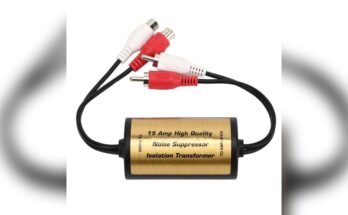
OEM stereos have basic noise reduction features. They minimize background sounds to some extent. Aftermarket stereos often include better noise reduction tech. They block road and engine noise more effectively. This helps create a cleaner listening experience inside the car.

Installation Differences
Installation differences between OEM and aftermarket stereos affect your experience. Knowing these can save time and effort during setup. Each type has unique steps and challenges to consider.
Ease Of Setup
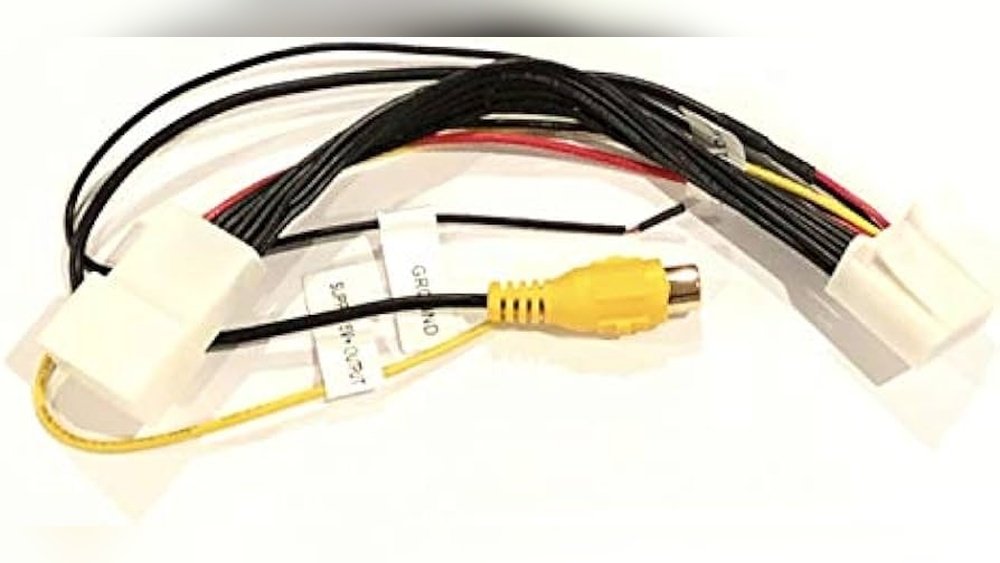
OEM stereos fit perfectly in your car’s dashboard. They often come with pre-set mounts and connectors. This makes installation quick and straightforward. Aftermarket stereos may need extra adapters or brackets. This can add time to the setup process.
Wiring And Connections
OEM stereos use factory wiring harnesses. You just plug them in without extra work. Aftermarket stereos may require cutting or splicing wires. Sometimes, you need special adapters to connect everything. Incorrect wiring can cause problems with sound or power.
Professional Vs Diy
Installing an OEM stereo is usually easy for DIY users. The parts are made to fit your car exactly. Aftermarket stereos may need professional help. Experts ensure wiring is safe and the stereo works well. DIY installation of aftermarket units can be tricky for beginners.
Cost Considerations
Cost plays a big role in choosing between OEM and aftermarket stereos. Understanding the costs helps you pick the right option for your budget. The price is not just about buying the stereo. Think about the total cost over time. This includes installation, repairs, and possible upgrades. Let’s look at the main cost factors to consider.
Initial Investment
OEM stereos often cost more upfront. They come directly from the car maker. This means they fit perfectly with your vehicle. Aftermarket stereos usually cost less at first. They offer many options and features. You can find budget-friendly models or premium ones. The price varies depending on brand and quality.
Long-term Value
OEM stereos might last longer without problems. They match your car’s system well. This can save money on repairs later. Aftermarket stereos may offer better sound or features. But some models need more care and fixing. Think about how long you plan to keep your car. This helps decide which stereo gives better value.
Warranty And Support
OEM stereos often come with strong warranties. The car manufacturer supports them directly. This means easier service and parts replacement. Aftermarket brands may have shorter or limited warranties. Support can vary widely between brands. Check warranty details before buying. Good support can save money and stress later.
Technology And Features
Technology and features play a big role in choosing between OEM and aftermarket stereos. Both types offer different tools and functions. These differences affect how you use your car’s audio system every day.
Understanding these features helps you pick the best stereo for your needs. Let’s explore key areas like touchscreen controls, connectivity, and software updates.
Touchscreen And Controls
OEM stereos usually have simple, user-friendly touchscreens. They match the car’s style and use familiar controls. The buttons and menus feel consistent with other car parts.
Aftermarket stereos often offer larger, brighter touchscreens. They come with more control options and customizable layouts. You can change the screen look and add shortcuts for quick access.
Connectivity Options
OEM stereos support basic connections like Bluetooth and USB. They connect well with phones and some music apps. But options can be limited to what the car maker provides.
Aftermarket stereos offer more ways to connect. They support Wi-Fi, multiple Bluetooth devices, and screen mirroring. Many allow easy connection to popular apps and streaming services.
Updates And Compatibility
OEM stereos get updates from the car manufacturer. These updates focus on stability and safety. New features arrive slowly and depend on your car model.
Aftermarket stereos often have frequent updates. You can update the system yourself using Wi-Fi or USB. They support a wider range of apps and devices, keeping the system fresh longer.
Aesthetic And Fit
The look and fit of a car stereo affect the overall car interior feel. A stereo that fits well looks neat and feels part of the car. This section explains the difference between OEM and aftermarket stereos in terms of how they fit and look inside your vehicle.
Dashboard Integration
OEM stereos are made by the car maker or their partner. They fit perfectly in the dashboard slots. Their design matches the car’s interior style and colors. This creates a smooth, factory-like look. Aftermarket stereos may not fit the dashboard exactly. They can leave gaps or need extra parts to fit right. This can affect the clean look of the dashboard.
Custom Fit Kits
Aftermarket stereos often need custom fit kits to fit well. These kits include brackets and panels made for specific car models. They help the stereo sit properly and look neat. Without these kits, the stereo may feel loose or look odd. OEM stereos do not need such kits because they are made for the car from the start.
Visual Appeal
OEM stereos have a simple and uniform design. They blend well with the car’s interior. Aftermarket stereos offer many styles and colors. Some look modern and flashy, while others are basic. This gives car owners more choices but may not always match the car’s original look. Visual appeal depends on personal taste and the car’s style.
Resale And Vehicle Value
Resale and vehicle value depend on many factors. One key factor is the stereo system inside the car. Choosing between an OEM or an aftermarket stereo can affect how much your car sells for. Understanding this difference helps you make smart decisions about your vehicle.
Impact On Resale Price
OEM stereos usually keep the car’s value stable. They match the car’s original design and function. Buyers see OEM systems as reliable and high quality.
Aftermarket stereos might lower the resale price. Some buyers worry about installation quality or compatibility. Others may like upgrades but often at a lower price.
Buyer Preferences
Many buyers prefer OEM stereos. They like the system made by the car maker. It feels original and fits perfectly. This can make the car easier to sell.
Some buyers prefer aftermarket stereos. They want better sound or extra features. But this group is smaller and more specific.
Documentation And Authenticity
OEM stereos come with full documentation. This proves the stereo is original and authentic. It adds trust and value for buyers.
Aftermarket stereos often lack official documents. This can cause doubts about quality and warranty. Lack of proof may reduce buyer confidence.
Frequently Asked Questions
What Does Oem Stereo Mean?
OEM stereo refers to the original equipment manufacturer stereo. It is the factory-installed audio system. OEM stereos match your vehicle’s design and wiring perfectly. They ensure compatibility and maintain the car’s warranty. OEM units often have limited features compared to aftermarket options.
How Does Aftermarket Stereo Differ From Oem?
Aftermarket stereos are third-party audio systems installed after purchase. They offer advanced features like Bluetooth, touchscreen, and customizable sound. Aftermarket units can improve audio quality significantly. However, installation may require modifications and might affect the vehicle warranty. They provide more options but need careful selection.
Are Oem Stereos Better Than Aftermarket Ones?
OEM stereos offer reliable fit and integration with your car. They maintain the original look and function without issues. Aftermarket stereos provide more features and customization. The better choice depends on your priorities: factory consistency or enhanced audio experience.
Can Aftermarket Stereos Fit All Vehicle Models?
Most aftermarket stereos are designed to fit a wide range of vehicles. However, compatibility depends on size, wiring, and dashboard design. Installation kits often help adapt the stereo to your car. It’s important to check compatibility before purchase to avoid fitment problems.
Conclusion
Choosing between OEM and aftermarket stereos depends on your needs and budget. OEM stereos fit perfectly and keep your car’s original look. Aftermarket stereos offer more features and customization options. Both have pros and cons to consider. Think about sound quality, price, and installation ease.
Your choice will affect your driving experience. Take time to compare before buying. This way, you get the stereo that suits you best.