Are you tired of struggling to clean your car’s interior and wondering which vacuum is the right choice for you? Choosing between a wet and a dry car vacuum can be confusing, but it doesn’t have to be.
Understanding the key differences will help you keep your car spotless without wasting time or money. You’ll discover exactly how wet and dry car vacuums work, what makes each one unique, and which one fits your cleaning needs best. Keep reading to make sure you pick the perfect vacuum that keeps your car looking fresh and clean every time.

Credit: www.scrumptiouscateringkc.com
Wet Car Vacuums
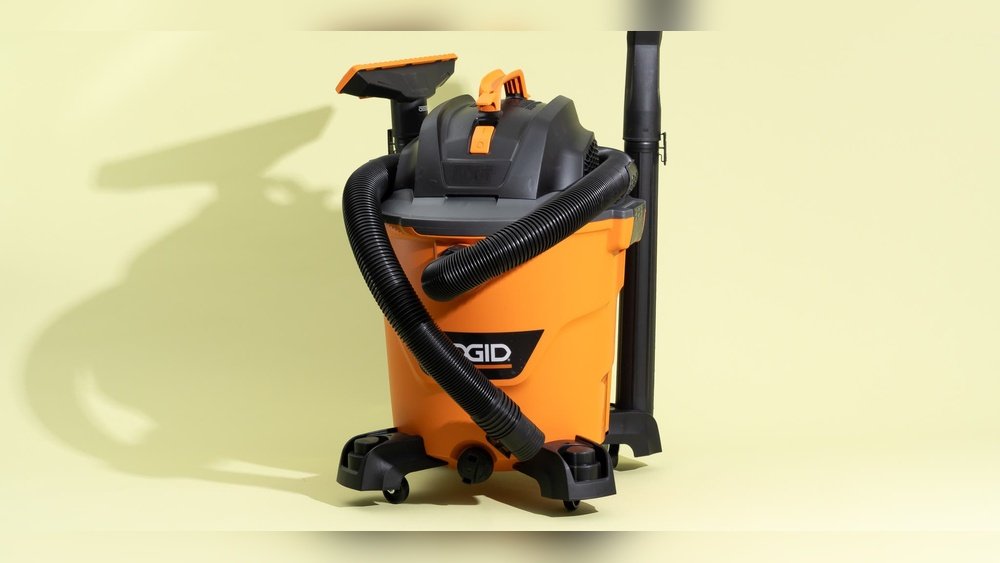
Wet car vacuums are specially made to clean both wet and dry messes inside a vehicle. They handle spills, mud, and dirt without damage. These vacuums are strong and can deal with liquids safely. Many car owners prefer them for a thorough clean.
Design And Features
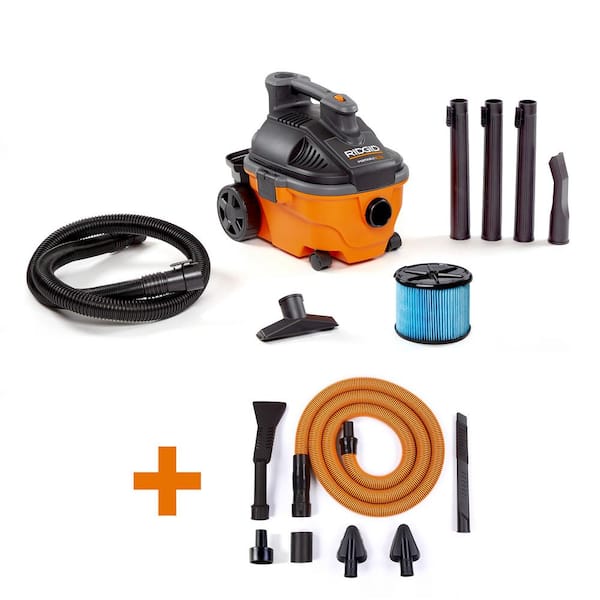
Wet vacuums have a sealed motor to avoid water damage. They come with large tanks to hold liquids and dirt. Some models include filters that stop water from reaching the motor. They often have multiple nozzles for different cleaning tasks. The design keeps wet and dry waste separate.
Cleaning Capabilities
Wet vacuums pick up water, mud, and dust easily. They dry wet carpets and seats faster. The suction power is strong enough for sticky messes. They work on spills without spreading the liquid around. These vacuums also remove pet hair and crumbs effectively.
Suitable Surfaces
Wet vacuums clean fabric seats, carpets, and floor mats well. They also work on leather and vinyl without harm. They handle both hard and soft surfaces inside the car. These vacuums are perfect for fresh spills and deep dirt. Using them keeps the car interior fresh and clean.
Maintenance Tips
Empty the tank after each use to avoid bad smells. Rinse filters and let them dry completely before reuse. Check hoses for blockages regularly. Store the vacuum in a dry place to keep it safe. Follow the manufacturer’s cleaning instructions for best results.

Credit: www.amazon.com
Dry Car Vacuums
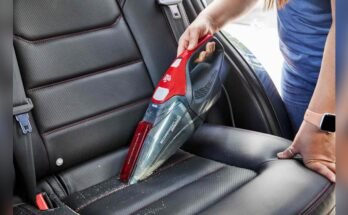
Dry car vacuums are common tools for keeping car interiors clean. They work by suctioning up dust, dirt, and small debris without using water. These vacuums are lightweight and easy to handle. They help maintain a tidy car cabin quickly and efficiently.
Design And Features
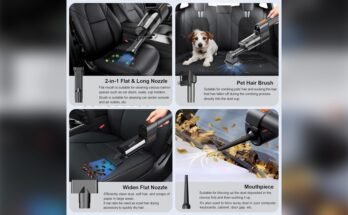
Dry car vacuums have a simple design. They often include a long nozzle to reach tight spaces. Many come with different attachments like brushes or crevice tools. Their filters trap small dust particles to avoid release back into the air. Most models run on battery or car power sockets.
Cleaning Capabilities
These vacuums clean dry dirt well. They pick up dust, crumbs, pet hair, and small trash. They cannot handle liquids or wet messes. Dry vacuums work best on surfaces without moisture. Regular use keeps your car fresh and free from dirt buildup.
Suitable Surfaces
Dry vacuums work well on carpets and fabric seats. They also clean floor mats and upholstery. Hard surfaces like plastic or leather can be cleaned too. Using the right nozzle attachment improves cleaning on different surfaces. Avoid using dry vacuums on wet or sticky stains.
Maintenance Tips
Empty the dust container after each use. Clean or replace filters regularly for better suction. Check attachments for blockages to keep performance high. Store the vacuum in a dry place to avoid damage. Routine care extends the vacuum’s life and efficiency.
Key Differences
Understanding the key differences between wet and dry car vacuums helps you pick the right tool. Each type has unique features that suit different cleaning needs. Knowing these differences makes your choice easier and your car cleaner.
Functionality Comparison
Dry vacuums clean dust, dirt, and small debris. They cannot handle liquids. Wet vacuums pick up both dry dirt and spills. They work well for messy cleanups inside cars. Wet vacuums often have filters to separate water from debris.
Power And Suction
Dry vacuums usually have strong suction for dust and crumbs. Wet vacuums need extra power to handle liquids. They often come with more powerful motors. This helps them suck up water and dirt at the same time.
Portability And Size
Dry vacuums are often smaller and lighter. Easy to carry and store in your car. Wet vacuums tend to be bigger. They have tanks to hold liquids, which adds to the size and weight.
Cost And Durability
Dry vacuums are usually less expensive. They have fewer parts and simpler designs. Wet vacuums cost more due to added features. They are built tough to handle water without damage.
Choosing The Right Vacuum
Choosing the right car vacuum is important for keeping your vehicle clean. Different vacuums serve different purposes. Selecting the right one saves time and effort. It also ensures the best cleaning results for your needs.
Based On Cleaning Needs
Think about what you need to clean. Dry vacuums work well for dust and dirt. Wet vacuums handle spills and wet messes. Some vacuums can do both. Pick one that matches the types of messes you face most.
Budget Considerations
Set a budget before buying. Dry vacuums are usually cheaper. Wet or wet-dry vacuums cost more. Compare prices and features. Choose a vacuum that fits your budget and offers good value.
Frequency Of Use
How often will you use the vacuum? For regular cleaning, a simple dry vacuum is enough. If you clean your car less often or need deep cleaning, consider a wet-dry vacuum. It is more versatile for occasional heavy messes.
Additional Features
Look at extra features like attachments and power options. Some vacuums have special nozzles for tight spaces. Others offer cordless use for convenience. Features can make cleaning easier and faster. Choose what suits your habits best.
Tips For Effective Vacuuming
Vacuuming your car helps keep it clean and fresh. Using the right methods makes cleaning easier and more effective. Follow simple tips for better results with both wet and dry car vacuums. Proper preparation, correct techniques, and safety matter a lot.
Preparation Before Vacuuming
Remove all large trash and items from the car interior. Open doors or windows for good air flow. Choose the right vacuum type for the job. Check vacuum filters and bags. Make sure the vacuum is clean and ready.
Best Practices For Wet Vacuums
Use wet vacuums for spills or damp messes only. Avoid vacuuming dry dirt with wet vacuum tools. Empty the water tank often to keep suction strong. Clean filters and hoses after use. Allow the vacuum to dry fully before storing.
Best Practices For Dry Vacuums
Use dry vacuums for dust, dirt, and dry debris. Change vacuum bags or empty containers regularly. Use attachments to reach tight spaces and corners. Move slowly to pick up more dirt. Avoid vacuuming liquids or wet spots with dry vacuums.
Safety Precautions
Unplug the vacuum before cleaning or changing parts. Avoid vacuuming sharp objects that can damage the vacuum. Keep cords away from water and wet areas. Use grounded outlets to prevent shocks. Store the vacuum in a dry, safe place.
Credit: www.homedepot.com
Frequently Asked Questions
What Are The Main Uses Of Wet Car Vacuums?
Wet car vacuums clean both liquid spills and solid debris inside cars. They handle water, mud, and dirt efficiently. These vacuums are ideal for deep cleaning after rain or snow. Their versatility makes them suitable for various car cleaning tasks.
How Do Dry Car Vacuums Differ From Wet Vacuums?
Dry car vacuums only pick up dry dirt, dust, and debris. They cannot handle liquids or wet messes. These vacuums are lighter and often more portable. Dry vacuums are perfect for everyday cleaning of dry car interiors.
Can Wet Vacuums Damage My Car’s Interior?
No, wet vacuums are designed to safely clean wet spills without harming surfaces. They use specialized filters to prevent moisture damage. Proper use ensures your car’s upholstery and electronics stay protected during cleaning.
Which Vacuum Type Is Better For Car Detailing?
Wet vacuums are better for thorough car detailing, especially with spills. Dry vacuums work well for regular dust and dirt removal. Many professionals prefer wet-dry vacuums for their flexibility in detailed cleaning jobs.
Conclusion
Choosing between wet and dry car vacuums depends on your cleaning needs. Wet vacuums handle spills and liquids easily. Dry vacuums work well for dust and dirt. Both types keep your car tidy. Think about what you clean most often.
This helps pick the right vacuum for your car. A good vacuum keeps your car fresh and neat. Simple tools make car care easier every day.