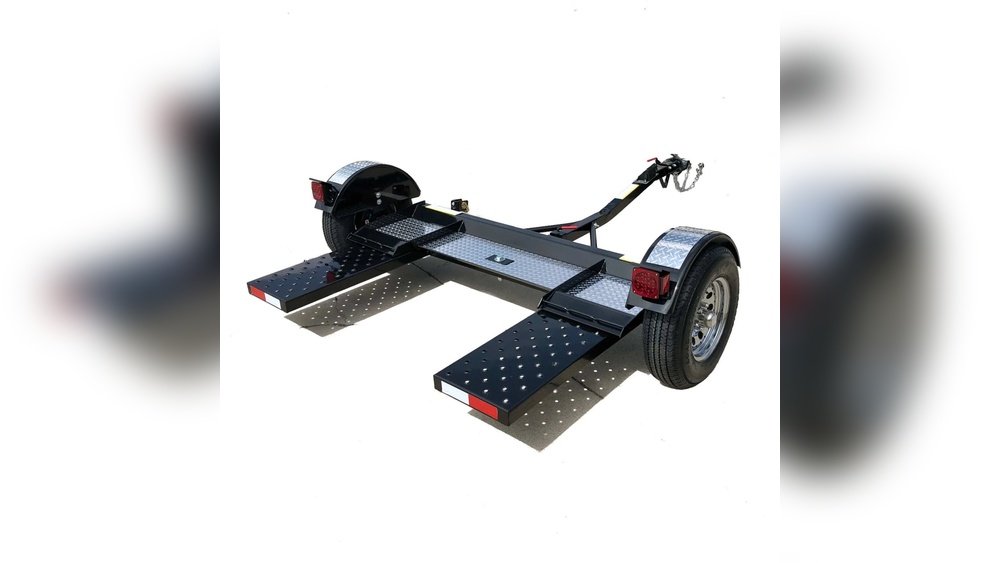
If you’re using heavy-duty car dollies, you probably want to know how long they’ll last. After all, these tools are an important investment for moving or storing vehicles safely.
Knowing their lifespan helps you plan better, avoid unexpected costs, and keep your cars protected. You’ll discover what affects the durability of car dollies and how to get the most out of yours. Keep reading to find out everything you need to know to make your dollies work harder and last longer.

Factors Affecting Dolly Lifespan
The lifespan of heavy-duty car dollies depends on several important factors. These factors influence how long the dolly will last under different conditions. Understanding them helps in choosing and caring for the right dolly. This section explains the main elements that affect dolly lifespan.
Material Quality
The type of material used in a dolly affects its strength and durability. Steel dollies last longer than those made from cheaper metals. High-quality materials resist rust and damage better. Strong welds and solid frames also improve lifespan. Poor materials wear out quickly under heavy loads.
Usage Frequency
The more often a dolly is used, the faster it wears out. Daily use can shorten its life compared to occasional use. Heavy-duty dollies designed for frequent use handle wear better. Consistent use causes parts like wheels and axles to degrade faster. Proper use reduces premature damage.
Load Capacity
Each dolly has a maximum weight limit it can carry. Exceeding this load stresses the frame and parts. Overloading causes bending, cracks, or wheel failure. Using a dolly within its load capacity ensures longer life. Matching the dolly to the car’s weight is crucial.
Maintenance Practices
Regular maintenance keeps a dolly in good condition. Cleaning off dirt and grease prevents rust and wear. Lubricating moving parts reduces friction and damage. Checking for loose bolts or worn parts helps avoid accidents. Well-maintained dollies last much longer than neglected ones.
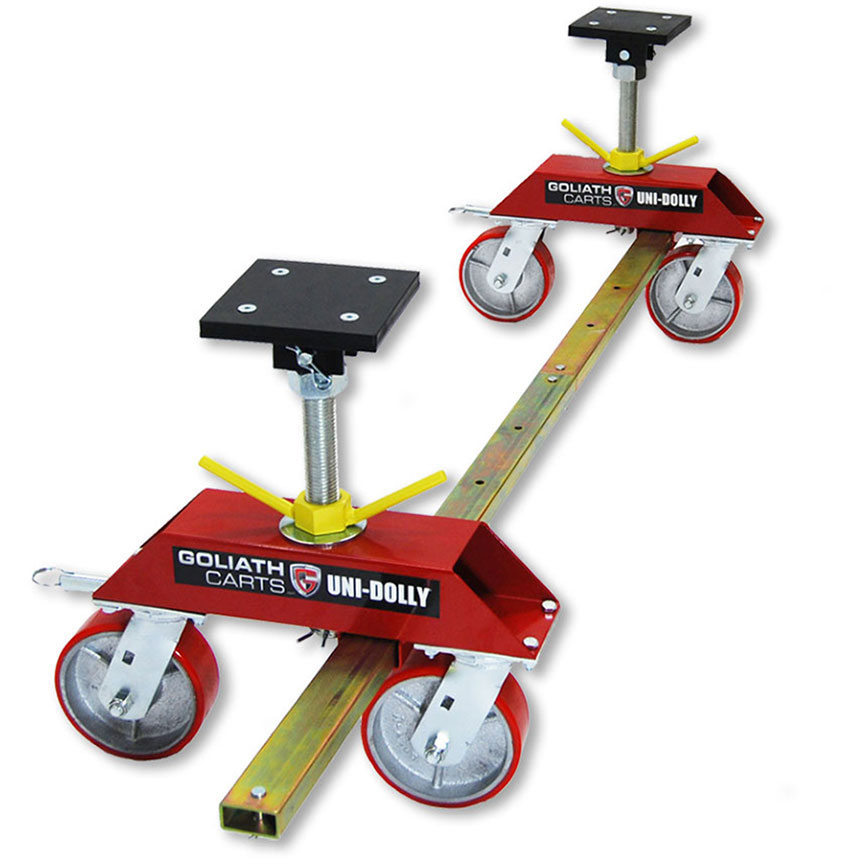
Signs Of Wear And Tear
Heavy-duty car dollies face tough conditions during use. Over time, signs of wear and tear appear. Spotting these signs early helps keep the dollies safe and functional. Regular checks can prevent accidents and costly repairs.
Wheel Damage
Wheels take the most stress. Look for cracks, flat spots, or chunks missing. Damaged wheels cause uneven movement and strain the dolly. Replace wheels that show clear signs of damage.
Frame Integrity
The frame holds the entire structure. Check for bends, cracks, or loose welds. A weak frame can collapse under heavy loads. Frames with visible damage need immediate attention or replacement.
Rust And Corrosion
Metal parts are prone to rust, especially in wet areas. Rust weakens the dolly and makes it unsafe. Clean and protect metal surfaces regularly. Deep rust spots require part replacement.
Bearing Performance
Bearings help wheels turn smoothly. Listen for grinding noises or feeling rough turns. Worn bearings increase wear on wheels and frame. Lubricate bearings often and replace if needed.
Maintenance Tips To Extend Lifespan
Heavy-duty car dollies face tough conditions. Dirt, rust, and wear can shorten their lifespan. Simple maintenance can keep them working longer and safer. Follow these tips to protect your investment and avoid costly replacements.
Regular Cleaning
Remove dirt and grime after each use. Use a brush or cloth to clean wheels and metal parts. Avoid water buildup to stop rust. Clean dollies last longer and work smoothly.
Lubrication
Apply grease or oil to moving parts regularly. Focus on wheel bearings and joints. Lubrication reduces friction and prevents wear. Smooth movement means less stress on the dolly.
Proper Storage
Store dollies in a dry, covered place. Keep them off the ground to avoid moisture. Proper storage protects from rust and damage. It also keeps dollies ready for use anytime.
Timely Repairs
Check for cracks, loose parts, or worn wheels often. Fix small problems quickly to avoid bigger issues. Replace damaged parts with quality components. Timely repairs extend the dolly’s life and ensure safety.
Comparing Brands And Models
Choosing the right heavy-duty car dolly depends a lot on the brand and model. Each brand has different strengths. Models vary in design and materials. These factors affect the dolly’s lifespan and performance. Comparing brands and models helps you find the best value. It also shows which dollies last longer under tough use.
Durability Ratings
Durability ratings show how well a dolly holds up over time. Experts test materials, welds, and wheels. Some brands use stronger steel or better coatings. High durability ratings mean less rust and bending. Choose dollies with good ratings for heavy loads and rough surfaces.
User Reviews
User reviews reveal real experiences with car dollies. Buyers share how long their dollies lasted. They report common problems or strengths. Look for patterns in reviews. Many users praising one model suggests reliable quality. Pay attention to comments on wear and tear.
Warranty And Support
A strong warranty protects your purchase. It covers defects and early failures. Top brands offer longer warranties and easy claims. Good customer support helps fix issues quickly. Check warranty length and service reputation before buying. This adds peace of mind to your investment.
Cost Vs. Longevity Considerations
Cost and lifespan are key factors when choosing a heavy-duty car dolly. Balancing these can save money and reduce hassle. Spending more upfront might mean fewer problems later. Cheaper models may wear out quickly and need replacement. Understanding these trade-offs helps make smarter buying decisions.
Initial Investment
Heavy-duty car dollies vary widely in price. High-quality models cost more at first. They use stronger materials and better parts. This investment often means better durability and safety. Low-cost dollies may seem affordable but might break sooner. Choosing the right dolly depends on your budget and needs.
Long-term Savings
Spending more initially can lower repair and replacement costs. Durable dollies last longer and need less maintenance. This reduces downtime and extra expenses. Poor-quality dollies may require frequent repairs. Long-lasting equipment saves money over time. Consider how long you plan to use the dolly.
Replacement Frequency
Cheap dollies usually wear out faster. This means buying new ones more often. Frequent replacements add up and cost more. High-quality dollies can last many years. They handle heavy loads without damage. Think about how often you want to replace your dolly. This helps choose the best option for your situation.

Frequently Asked Questions
What Factors Affect Heavy-duty Car Dollies Lifespan?
The lifespan depends on material quality, usage frequency, and maintenance. Proper care and storage can extend their durability significantly.
How Long Do Heavy-duty Car Dollies Typically Last?
With regular use and maintenance, heavy-duty car dollies can last 5 to 10 years or more.
Can Heavy-duty Car Dollies Wear Out Faster?
Yes, overloading, poor maintenance, and harsh conditions cause faster wear and reduce lifespan.
How To Maintain Heavy-duty Car Dollies For Longevity?
Regular cleaning, lubrication of moving parts, and checking for damages help keep dollies functional longer.
Conclusion
Heavy-duty car dollies last longer with proper care and use. Regular maintenance keeps them working well for years. Quality materials and good construction add to their lifespan. Avoid overloading to prevent damage and wear. Simple checks before each use help catch problems early.
Investing time in care saves money on repairs. Choosing the right dolly for your needs also matters. A well-kept dolly can serve reliably for a long time. Keep these tips in mind to get the most life from your car dolly.


