Have you ever wondered what those numbers and letters on your engine oil bottle really mean? Understanding engine oil grade is more important than you might think.
It’s not just a label—it’s the key to keeping your engine running smoothly and avoiding costly repairs. If you want to protect your vehicle and get the best performance, you need to know exactly what engine oil grade means and why it matters for your car.
Keep reading, and you’ll discover simple, clear answers that will help you make smarter choices every time you change your oil.

Engine Oil Grade Basics
Engine oil grade tells you about the oil’s thickness and performance. It helps match the oil to your engine’s needs. Knowing the basics of oil grades keeps your engine running smoothly. It also protects engine parts from wear and tear.
Choosing the right oil grade improves fuel efficiency and engine life. Understanding the numbers and letters on oil bottles is important. These codes show how the oil behaves in different temperatures and conditions.
What Oil Grades Indicate
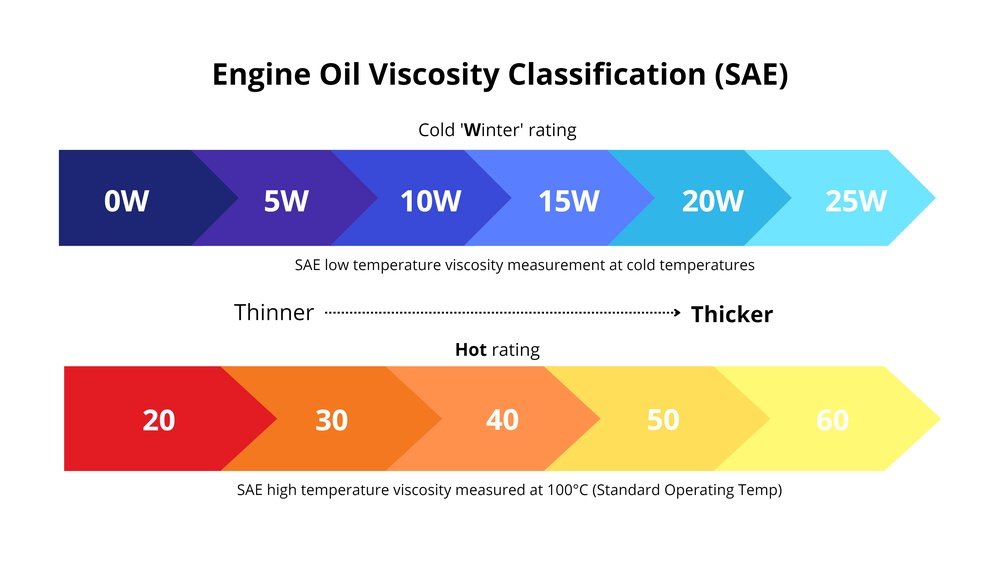
Oil grades show the oil’s viscosity or thickness. Lower numbers mean thinner oil. Thinner oil flows easily in cold weather. Higher numbers mean thicker oil. Thicker oil protects better at high temperatures.
Oil grades have two numbers. The first number ends with a “W” for winter. It shows oil’s flow in cold weather. The second number shows oil thickness at engine temperature. Both numbers help pick oil that works all year.
Common Oil Grade Standards
Most oils follow the SAE (Society of Automotive Engineers) grading system. Common grades include 5W-30, 10W-40, and 0W-20. These numbers tell you how oil behaves in cold and hot conditions.
API (American Petroleum Institute) and ACEA (European Automobile Manufacturers’ Association) set performance standards. They ensure oils meet engine protection and efficiency needs. Look for these labels on oil containers for quality assurance.
Viscosity And Its Role
Viscosity is a key factor in engine oil grades. It shows how thick or thin the oil is. This thickness affects how well the oil flows inside the engine. Viscosity helps protect engine parts by keeping them lubricated. It also affects engine performance and fuel efficiency. Understanding viscosity is important for choosing the right oil for your vehicle.
Understanding Viscosity Numbers
Viscosity numbers tell you how thick the oil is at different temperatures. These numbers are part of the oil grade, like 5W-30. The first number with a “W” stands for winter and shows how the oil flows in cold weather. The second number shows how thick the oil stays when the engine is hot. Lower numbers mean thinner oil, which flows easier. Higher numbers mean thicker oil, which protects better at high temperatures.
How Temperature Affects Viscosity
Temperature changes oil thickness. Cold weather makes oil thicker and slower to move. Hot weather makes oil thinner and easier to flow. Good engine oil keeps a stable viscosity in both cold and hot conditions. This balance helps the engine start smoothly and stay protected during use. Proper viscosity prevents engine wear and improves fuel use.
Types Of Engine Oil Grades
Engine oil grades define how well the oil performs under different temperatures. These grades help you choose the right oil for your vehicle’s engine. There are two main types of engine oil grades: single-grade and multi-grade oils. Understanding these types helps keep your engine running smoothly and lasting longer.
Single-grade Oils
Single-grade oils have one viscosity number. This number shows the oil’s thickness at a specific temperature. For example, SAE 30 means the oil is measured at high temperature only. Single-grade oils work best in consistent, stable temperatures. They do not perform well in cold starts or extreme heat changes.
Multi-grade Oils
Multi-grade oils have two viscosity numbers separated by a “W” (like 10W-30). The first number shows how the oil flows in cold weather. The “W” stands for winter. The second number shows the oil’s thickness at high temperature. Multi-grade oils work well in both cold and hot conditions. They protect the engine better during temperature changes.
Choosing The Right Oil Grade
Choosing the right engine oil grade is very important for your vehicle’s health. The oil grade affects how well the engine runs and how long it lasts. Using the wrong oil grade can cause engine wear or poor fuel efficiency. Understanding the right oil grade helps keep your engine clean and working smoothly.
Many factors influence the best oil grade for your car. Two main points to consider are the manufacturer’s guidelines and your driving conditions. Both help you pick the oil that suits your engine perfectly.
Manufacturer Recommendations
Car makers test engines with specific oil grades. They suggest the best grade for normal use. Check your owner’s manual for the exact oil grade. Following these recommendations keeps your warranty valid. It also protects your engine from damage.
Manufacturers consider engine design and local climate. Using the recommended oil grade helps with starting your engine. It also reduces wear and improves fuel use. Never ignore the manual’s advice on oil grade.
Driving Conditions Impact
How you drive affects which oil grade you need. Frequent short trips or stop-and-go traffic may need different oil. Extreme temperatures also change oil needs. Hot weather might require thicker oil. Cold weather needs oil that flows easily.
Heavy loads or towing put more stress on the engine. This may call for a higher-grade oil. Adjust your oil choice based on your usual driving habits. This keeps your engine safe in all conditions.
Oil Grade And Engine Performance
Oil grade plays a key role in engine performance. It tells you about the oil’s thickness and how it flows at different temperatures. Using the right oil grade helps the engine run smoothly and last longer.
Choosing the correct oil grade can affect how well your engine works every day. It impacts fuel use and protects engine parts from wear. Understanding these effects helps you keep the engine healthy.
Fuel Efficiency Considerations
The oil grade influences fuel efficiency by controlling friction inside the engine. Thinner oils reduce friction and help the engine use less fuel. Thicker oils may cause more resistance, leading to higher fuel consumption.
Using oil with the recommended grade ensures the engine runs at optimal speed. This balance helps save fuel and lowers emissions. Fuel savings add up over time with the right oil choice.
Engine Protection Benefits
The oil grade affects how well the oil protects engine parts. Thicker oils form a strong layer to prevent metal parts from rubbing. This reduces wear and extends engine life.
Cold weather needs oil that flows easily to protect the engine at start-up. The correct oil grade keeps all parts lubricated in different temperatures. This prevents damage and costly repairs.

Decoding Oil Labels
Understanding engine oil labels can feel confusing. Each label carries important information about the oil’s quality and performance. Decoding these labels helps you choose the right oil for your engine. This section breaks down the most common oil grading systems.
Interpreting Sae Ratings
SAE stands for Society of Automotive Engineers. This rating shows the oil’s thickness or viscosity. Numbers like 5W-30 tell you how the oil behaves at different temperatures. The first number with “W” means winter grade, showing cold weather flow. The second number indicates the oil’s thickness at hot engine temperatures. Lower numbers mean thinner oil. Thinner oils flow easier when cold but may not protect well at high heat.
Api And Acea Classifications
API stands for American Petroleum Institute. It rates oil based on engine type and performance. API labels have letters like “SN” or “SP” for gasoline engines. Diesel oils have a “C” rating. ACEA is a European system. It uses letters like A, B, or C to show oil quality for different engines. These classifications ensure the oil meets certain standards. They guide you to pick oil that fits your car’s engine needs.
Common Myths About Oil Grades
Many people have wrong ideas about engine oil grades. These myths can lead to poor choices and harm your car’s engine. Understanding the truth helps you pick the right oil and keep your engine safe.
Higher Grade Means Better
Some believe a higher oil grade always means better performance. That is not true. Oil grades show thickness or viscosity at certain temperatures. Higher numbers mean thicker oil, not better quality. Using a thicker oil than recommended can cause engine strain. Follow your car maker’s advice for the correct grade.
Mixing Different Grades
Many think mixing oil grades is harmful. In fact, mixing small amounts of different grades usually does no harm. Oils blend well and still protect the engine. Still, using the right single grade is best. Mixing grades often can reduce oil performance and cause problems.

Frequently Asked Questions
What Does Engine Oil Grade Mean?
Engine oil grade indicates the oil’s viscosity and performance level. It helps match oil to engine needs and temperature conditions.
Why Is Engine Oil Grade Important?
Using the right oil grade ensures proper lubrication, protects engine parts, and improves fuel efficiency. It prevents wear and overheating.
How To Read Engine Oil Grade Numbers?
Oil grades show viscosity at cold and hot temperatures. For example, 5W-30 means low-temp flow (5W) and high-temp thickness (30).
Can Using Wrong Oil Grade Harm Engines?
Yes, wrong oil grade can cause poor lubrication, increased friction, and engine damage. It reduces performance and can void warranties.
Conclusion
Understanding engine oil grade helps protect your vehicle’s engine well. It shows the oil’s thickness and how it performs in different temperatures. Choosing the right grade keeps the engine running smoothly and avoids damage. Always check your car manual for the recommended oil grade.
Using the correct grade improves fuel efficiency and engine life. Remember, simple care leads to better performance. Engine oil grade matters more than you think. Keep it in mind for a healthier engine and safer driving.


