Have you ever wondered what keeps your car’s engine running smoothly every time you turn the key? The answer lies in something simple but powerful: engine oil.
Without it, your engine would quickly wear out, overheat, or even fail completely. Understanding the purpose of engine oil is not just for mechanics—it’s essential for you as a car owner who wants to protect your investment and avoid costly repairs.
You’ll discover exactly why engine oil is so important, how it works, and what happens if you don’t give it the attention it deserves. Keep reading to learn how this everyday fluid plays a vital role in your car’s health and performance.
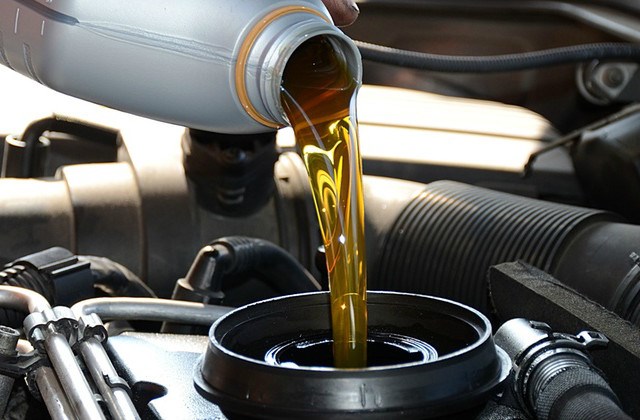
Role Of Engine Oil
Engine oil plays a key role in keeping a car’s engine healthy and running smoothly. It does more than just fill a container. Engine oil supports many important tasks inside the engine. These tasks help the engine work efficiently and last longer. Understanding the role of engine oil helps car owners care for their vehicles better.
Lubrication Of Engine Parts
Engine oil forms a thin layer between moving parts. This layer stops metal parts from rubbing directly against each other. Without this oil, parts would wear out quickly. Lubrication reduces friction and prevents damage. It also helps the engine run quietly and smoothly.
Heat Dissipation
Engines produce a lot of heat while running. Engine oil helps carry heat away from hot parts. This keeps the engine from overheating. By moving heat, the oil helps keep the engine at a safe temperature. This prevents parts from warping or breaking.
Protection Against Wear
Engine oil protects the engine from wear and tear. It forms a protective shield on metal surfaces. This shield guards parts against corrosion and rust. The oil also cushions parts during sudden impacts or pressure. It extends the life of the engine.
Cleaning Engine Components
Engine oil picks up dirt and tiny metal particles inside the engine. It carries these impurities away from sensitive parts. The oil keeps engine components clean and free from buildup. Clean parts work better and last longer. This helps the engine perform well.

Types Of Engine Oil
Engine oil is not just one type. There are several kinds of engine oil. Each type serves different needs and car engines. Choosing the right oil helps your engine run smooth and last longer.
Conventional Oil
Conventional oil is made from crude oil. It is the most basic and affordable option. It works well for older cars or simple engines. It needs to be changed more often than other oils. It protects the engine but wears out faster.
Synthetic Oil
Synthetic oil is made in labs with pure base oils. It lasts longer and handles heat better than conventional oil. It keeps the engine cleaner and protects parts well. It is ideal for modern cars and tough driving conditions. It costs more but gives better performance.
Synthetic Blend Oil
Synthetic blend oil mixes synthetic and conventional oils. It offers some benefits of synthetic oil at a lower price. It improves engine protection and lasts longer than conventional oil. It suits drivers who want better performance but have a smaller budget.
High-mileage Oil
High-mileage oil is made for cars with over 75,000 miles. It has special additives to reduce engine wear and leaks. It helps older engines run smoother and last longer. It keeps seals soft and reduces oil burning. It is a smart choice for aging vehicles.
How Engine Oil Enhances Performance
Engine oil plays a key role in making a car run smoothly. It helps the engine perform better by keeping its parts working well. This section explains how engine oil improves a car’s performance and protects the engine.
Reducing Friction
Engine oil forms a thin layer between moving parts. This layer stops metal surfaces from rubbing directly. Less friction means the engine parts move easily. It lowers heat and wear inside the engine. This keeps the engine running quietly and smoothly.
Improving Fuel Efficiency
When engine parts move freely, the engine uses less fuel. Engine oil reduces resistance inside the engine. This helps the car use fuel more efficiently. Better fuel efficiency saves money and reduces pollution. Clean oil also helps the engine burn fuel well.
Extending Engine Life
Engine oil protects the engine from damage. It prevents rust and corrosion on metal parts. The oil carries away dirt and tiny metal bits. Regular oil changes keep the engine clean and healthy. This helps the engine last longer and work better over time.
Signs Of Engine Oil Issues
Engine oil keeps your car running smoothly. It protects parts from wear and stops overheating. Knowing the signs of oil problems helps avoid costly repairs. Watch for these common issues below.
Oil Leaks
Oil leaks appear as dark spots under your car. They happen when seals or gaskets wear out. Leaks reduce oil levels, risking engine damage. Check for fresh oil on the ground or engine parts.
Low Oil Pressure
Low oil pressure means oil is not circulating properly. It may cause a warning light on your dashboard. This problem harms engine parts quickly. Regular oil checks can catch pressure drops early.
Unusual Engine Noises
Engine oil lubricates moving parts to stop noise. Lack of oil causes knocking, ticking, or grinding sounds. These noises mean metal parts rub together. Fix oil issues fast to avoid engine damage.
Smoke From Exhaust
Blue or gray smoke from the exhaust signals oil burning. It may result from oil leaking into the combustion chamber. This issue wastes oil and pollutes air. Have a mechanic check the engine if smoke appears.
Maintaining Engine Oil
Maintaining engine oil is key to keeping a car engine healthy. Clean oil reduces wear and keeps parts moving smoothly. It also cools the engine and stops dirt buildup. Regular care of engine oil helps the car last longer and run better.
Choosing The Right Oil
Select oil based on your car’s manual. Use the right grade and type for your engine. Synthetic oils last longer and protect better in extreme temperatures. Conventional oils suit older engines well. The correct oil improves fuel efficiency and engine life.
Oil Change Intervals
Change oil at regular intervals to keep the engine clean. Most cars need oil changes every 3,000 to 7,500 miles. Newer cars with synthetic oil might go longer. Follow the manufacturer’s schedule for best results. Timely changes prevent sludge and engine damage.
Checking Oil Levels
Check oil levels often with the dipstick. Do this when the engine is cool and parked on level ground. Low oil means less protection for the engine. Add oil if the level is below the minimum mark. Regular checks help spot leaks or burning oil early.
Disposing Of Used Oil Safely
Used oil can harm the environment if not disposed properly. Collect the old oil in a clean container. Take it to a recycling center or auto shop. Never pour oil on the ground or in drains. Safe disposal protects water and soil from pollution.
Frequently Asked Questions
What Is The Main Function Of Engine Oil In A Car?
Engine oil lubricates moving parts, reducing friction and wear. It also helps cool the engine and prevents rust.
How Does Engine Oil Protect My Car’s Engine?
Engine oil forms a protective layer on engine parts. This layer prevents metal-to-metal contact, reducing damage and extending engine life.
Why Is Engine Oil Important For Engine Cooling?
Engine oil absorbs heat from engine parts. It carries heat away, helping to maintain optimal engine temperature and prevent overheating.
When Should I Change My Car’s Engine Oil?
Change engine oil every 5,000 to 7,500 miles or as recommended. Regular changes ensure proper lubrication and engine protection.
Conclusion
Engine oil keeps your car’s engine running smoothly. It cleans and protects moving parts inside. Oil reduces friction and stops overheating. It also prevents rust and corrosion. Regular oil changes help your engine last longer. Choose the right oil for your car’s needs.
Check oil levels often to avoid damage. Good engine oil means better performance and fuel efficiency. Take care of your engine with proper oil use. Simple steps lead to a healthy car engine.


