Have you ever struggled to see clearly through your windshield during rain or snow, only to find streaks ruining your view? Those annoying streaks can make driving dangerous and frustrating.
But what if your wiper blades could wipe away every drop without leaving a single mark? Understanding what makes a wiper blade streak-free can transform your driving experience and keep your vision crystal clear. You’ll discover the key features and tips to ensure your wiper blades perform perfectly every time.
Keep reading to find out how to say goodbye to streaks for good.
Types Of Wiper Blades
Wiper blades come in different types, each designed to clear your windshield effectively. Knowing these types helps you pick the best blade for streak-free wiping. Each style has unique features that affect how well it cleans and lasts.
Conventional Blades
Conventional blades have a metal frame with a rubber strip. The frame presses the rubber evenly against the glass. These blades work well on most cars and are easy to replace. They may leave streaks if the rubber wears out.
Beam Blades
Beam blades have a single, curved piece without a metal frame. This design helps the blade follow the windshield’s shape closely. Beam blades resist snow and ice better than conventional blades. They provide a smooth, streak-free wipe in many conditions.
Hybrid Blades
Hybrid blades combine features of conventional and beam blades. They have a metal frame covered by a plastic shell. This shell improves aerodynamics and protects the blade. Hybrid blades offer strong wiping power and often last longer than other types.

Materials Behind Streak-free Performance
The materials used in wiper blades play a key role in achieving streak-free performance. These materials must be flexible, durable, and able to maintain smooth contact with the windshield. The right composition ensures clear vision and safe driving in wet conditions. Understanding these materials helps explain why some wipers work better than others.
Rubber Composition
Traditional wiper blades often use natural or synthetic rubber. This rubber is soft and flexible, allowing it to conform to the glass surface. It wipes away water and dirt without scratching the windshield. Quality rubber resists cracking and hardening from sun exposure. This durability keeps the blade smooth and effective over time.
Good rubber blades maintain steady pressure across the glass. This even contact prevents streaks and smears. The rubber’s ability to bend with the windshield shape helps reach all areas. Soft rubber also reduces noise during wiping, making the drive more comfortable.
Silicone Advantages
Silicone wiper blades offer several benefits over rubber ones. Silicone is more resistant to heat, cold, and UV rays. This means the blade stays flexible longer in different weather conditions. Silicone also repels water, creating a thin protective layer on the glass.
This water-repellent feature improves wiping performance and visibility. Silicone blades tend to last longer and leave fewer streaks. They glide smoothly across the windshield without sticking or chattering. For drivers in harsh climates, silicone blades provide reliable, clear wiping.
Design Features That Enhance Clarity
Design plays a big role in making wiper blades work well. Clear vision depends on how the blade touches and cleans the glass. Good design stops streaks and lets rain slide off quickly. Each part of the blade has a purpose. It must fit the windshield shape and move smoothly. The blade’s design keeps the glass clear during rain or snow.
Blade Shape And Flexibility
The blade shape helps it hug the windshield. Curved blades follow the glass curves better. Flexible blades bend easily without breaking. This lets the blade clean the whole surface evenly. A flat blade can cover more area than old-style frames. Flexibility stops gaps between the blade and glass.
Pressure Distribution
Even pressure matters for streak-free wiping. If one spot presses too hard, it can leave marks. If pressure is low, water stays on glass. Good blades spread pressure along the whole edge. This balance keeps the blade in close contact. The result is a smooth, clean wipe every time.
Aerodynamics And Wind Resistance
Wind can lift the blade at high speeds. Aerodynamic design cuts air resistance. It helps the blade stay pressed on the glass. Some blades have spoilers to push them down. This stops skipping and uneven wiping. Less wind lift means better clarity and safety.

Installation And Maintenance Tips
Proper installation and regular maintenance keep your wiper blades working well. These steps help prevent streaks and improve visibility. Follow simple tips to make your wipers last longer and clear better.
Proper Installation Techniques
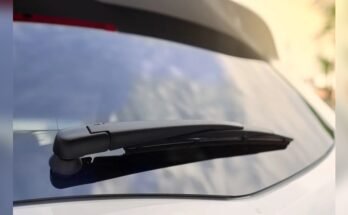
Start by checking the wiper blade size for your vehicle. Remove the old blade carefully to avoid damage. Align the new blade with the arm hook or pin. Push or click it into place firmly. Test the blade by moving the wiper lever. Make sure it moves smoothly without gaps.
Cleaning And Care
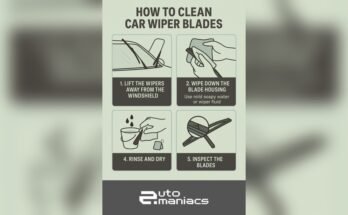
Clean wiper blades often to remove dirt and dust. Use a soft cloth and mild soap with water. Wipe the rubber edge gently to avoid tearing. Clean your windshield too. Dirt on glass can cause streaks. Avoid using harsh chemicals or hot water on blades.
Signs It’s Time To Replace
Look for cracks, tears, or rough edges on the blade. Listen for squeaking or chattering sounds during use. Notice any streaks or missed spots on your windshield. If the blade skips or leaves water, replace it. Regular checks keep your view clear and safe.
Environmental Factors Affecting Wiper Efficiency
Environmental factors play a big role in how well wiper blades work. These factors can cause streaks, reduce visibility, and lower safety on the road. Understanding these influences helps keep your windshield clear and your drive safe.
Weather Conditions
Rain, snow, and fog can make wiper blades less effective. Heavy rain can push water unevenly, causing streaks. Snow may stick to the blade, blocking its movement. Fog can leave a thin layer of moisture, making wiping harder. Each weather type challenges the blade’s ability to clear the glass smoothly.
Road Debris And Dirt
Dirt, dust, and small debris on the windshield wear down wiper blades. These particles act like sandpaper, scratching and damaging the rubber edge. Debris can also get stuck on the blade, causing uneven wiping. Clean blades and windshields work best for streak-free performance.
Temperature Effects
Extreme heat or cold changes the rubber’s flexibility. Hot weather can make rubber soft and sticky, leading to smears. Cold weather can harden the rubber, causing it to crack or skip. Proper blade material and regular checks help maintain smooth wiping in all temperatures.

Technological Innovations In Wiper Blades
Wiper blades have come a long way with new technology. These innovations help keep your windshield clear and streak-free. They improve safety and visibility during rain or snow. Technology makes wiping smooth and effective.
Heated Blades
Heated wiper blades melt ice and snow quickly. This stops freezing on the blade edge. They keep the rubber soft for better contact with glass. Clear vision is easier in cold weather.
Water-repellent Coatings
Special coatings on wiper blades repel water fast. They spread water into tiny droplets that roll off the glass. Less water stays on the windshield. Wiping is smoother and streaks disappear.
Smart Sensors
Smart sensors detect rain and adjust wiping speed. They know how much water is on the glass. The blade moves faster or slower for clear vision. Sensors save energy and reduce noise too.
Choosing The Right Wiper Blade For Your Vehicle
Choosing the right wiper blade for your vehicle ensures clear vision in rain or snow. A good fit helps the blade work smoothly without streaks or noise. Several factors affect the choice of wiper blades that keep your windshield clean and safe.
Size And Fit
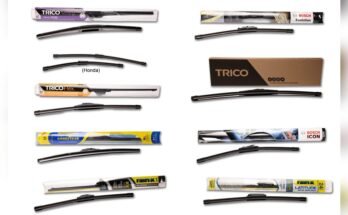
Wiper blades come in different sizes. Check your vehicle’s manual for the correct length. Using the wrong size can leave parts of the windshield uncleared. Proper fit means the blade touches the glass evenly. This prevents streaks and reduces wear on the blade.
Brand Reputation
Brands with good reputations offer reliable wiper blades. Well-known brands test their blades to last longer and clear better. Reviews from other drivers can guide your choice. Trusted brands usually use better materials for smooth wiping.
Budget Considerations
Wiper blades come at various prices. Cheaper blades might wear out fast or streak more. Mid-range blades often balance cost and quality well. Spending a bit more can mean better performance and safety. Think about how often you want to replace your blades.
Frequently Asked Questions
What Causes Wiper Blade Streaks On Windshields?
Wiper blade streaks occur due to dirt, grime, or worn rubber. Old or damaged blades fail to clean evenly. Proper maintenance and regular blade replacement reduce streaks and improve visibility.
How Does Rubber Quality Affect Wiper Performance?
High-quality rubber provides better flexibility and grip on glass. It resists cracking and wear, ensuring smooth wiping. Superior rubber materials help eliminate streaks for clear vision during rain.
Why Is Blade Design Important For Streak-free Wiping?
Modern blade designs distribute pressure evenly across the windshield. This prevents missed spots and streak lines. Aerodynamic shapes also reduce wind lift, enhancing consistent contact and streak-free cleaning.
How Often Should Wiper Blades Be Replaced?
Replace wiper blades every 6 to 12 months. Frequent use and weather conditions wear blades faster. Timely replacement ensures optimal performance and prevents streaking on the windshield.
Conclusion
A streak-free wiper blade clears your view and keeps you safe. Quality rubber, proper design, and good installation all matter. Clean blades wipe smoothly without leaving marks or smears. Regular checks help spot wear and tear early. Replace blades when they start to skip or streak.
Clear vision helps you react faster on the road. Choose blades that fit your car and weather needs. Small steps make a big difference in driving comfort. Keep your windshield clean and your blades in top shape. Safe driving starts with a clear, streak-free windshield.