
Using a car dolly can make moving your vehicle easier, but it also comes with risks if you don’t take the right safety steps. You might think it’s simple, but one small mistake can cause damage or even injury.
So, what safety precautions should you follow when using car dollies? You’ll discover easy-to-follow tips that keep you, your vehicle, and everyone around you safe. Keep reading to learn how to handle your car dolly with confidence and avoid costly accidents.
Choosing The Right Dolly
Choosing the right car dolly is key to safe vehicle transport. The right dolly fits your car and meets safety needs. Picking the proper dolly helps avoid damage and accidents.
Types Of Car Dollies
Car dollies come in several types. Some hold only the front wheels, while others support all four wheels. Flatbed dollies carry the whole car off the ground. Choose a dolly type that fits your transport style and vehicle type.
Weight Capacity Limits
Every dolly has a weight limit. This limit shows the maximum weight the dolly can safely carry. Check your vehicle’s weight before choosing a dolly. Using a dolly with too low a limit risks breaking or bending it.
Compatibility With Vehicle Size
Car dollies vary in size and shape. Match the dolly size with your vehicle’s size. Small dollies work best for compact cars. Large dollies fit SUVs and trucks better. Proper fit keeps your car steady during movement.
Preparing Your Vehicle
Preparing your vehicle is key for safe use of car dollies. This step helps prevent damage and accidents. Follow these simple checks before loading your car onto the dolly. It makes the process smooth and secure.
Inspecting Tires And Brakes
Check your tires for proper air pressure and no visible damage. Flat or weak tires cause problems during transport. Also, test your brakes to ensure they work well. Faulty brakes increase risk while moving the dolly.
Removing Loose Items
Clear out all loose items inside and outside the vehicle. Loose objects can shift and cause damage during transit. Take out personal belongings, floor mats, and any exterior attachments. This keeps your car safe and clean.
Securing The Parking Brake
Engage the parking brake firmly before placing the car on the dolly. A secured brake stops the vehicle from rolling off. Double-check the brake’s hold to avoid accidents. This simple step adds a strong layer of safety.
Loading The Vehicle Safely
Loading a vehicle onto a car dolly requires care and attention. The process must be safe to avoid damage or injury. Follow clear steps to secure the vehicle properly on the dolly. This section covers important safety tips to help you load your vehicle with confidence.
Positioning The Dolly Correctly
Place the dolly on a flat, stable surface. Avoid slopes or uneven ground to keep the dolly steady. Align the dolly straight with the vehicle’s wheels. This alignment prevents the vehicle from shifting during loading and transport. Double-check the dolly’s position before moving the vehicle onto it.
Using Ramps And Supports
Use strong ramps to drive the vehicle onto the dolly. The ramps should be secure and stable. Test the ramps for any movement before use. Use wheel chocks or blocks to support the dolly and vehicle once loaded. This prevents rolling or slipping during loading and transit. Never rush this part; take your time to ensure safety.
Ensuring Proper Wheel Placement
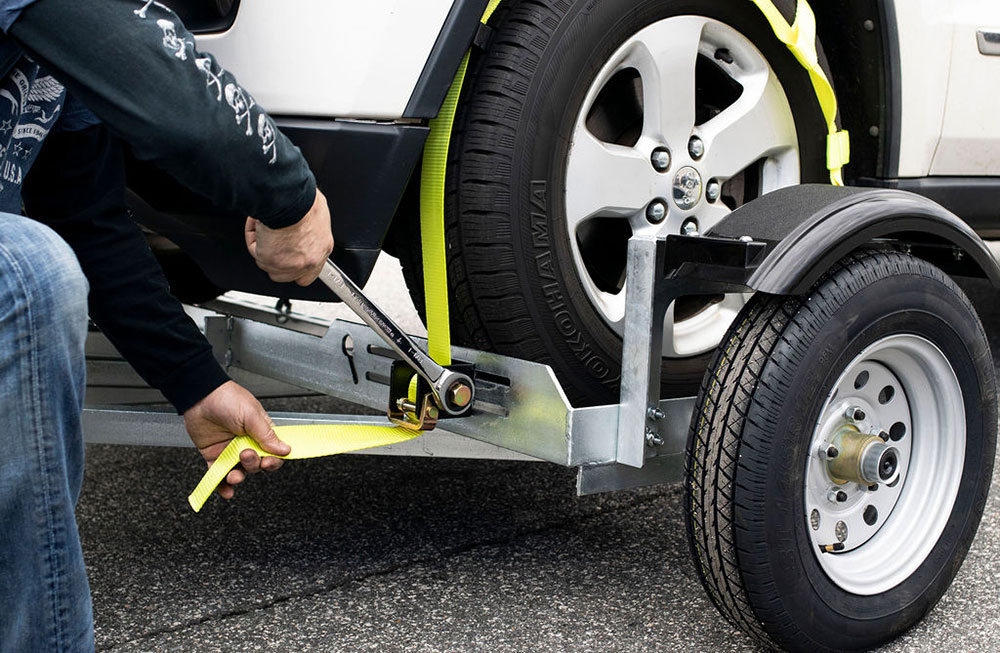
Place the vehicle’s wheels firmly in the dolly’s wheel trays. Center each wheel to avoid imbalance. Check that the wheels fit snugly without excess space. This helps keep the vehicle stable during transport. Secure the wheels with straps or chains as instructed. Proper wheel placement reduces risks of accidents or damage.
Securing The Vehicle On The Dolly
Securing the vehicle on the dolly is a critical step for safe towing. Proper attachment keeps the car stable during transport. It prevents accidents and damage to both the vehicle and the dolly. Taking time to secure the car correctly ensures a smooth and safe trip.
Using Straps And Chains
Use strong straps or chains to hold the vehicle on the dolly. Attach them to solid parts of the car frame. Avoid weak or flexible parts that might break. Tighten the straps or chains evenly on all sides. This stops the car from moving or shifting during transit.
Checking Tightness Regularly
Check the straps or chains often during your trip. Vibration and bumps can loosen them over time. Stop at safe places to inspect and tighten as needed. Keeping the vehicle firmly secured reduces risk of accidents on the road.
Avoiding Damage To The Car Frame
Protect the car frame by placing padding where straps or chains touch. Use soft materials like cloth or foam to avoid scratches. Do not hook or attach straps to fragile parts. Secure only to strong, metal sections of the frame to prevent damage.
Driving With A Car Dolly
Driving with a car dolly requires careful attention. The dolly changes how your vehicle handles. You must adjust your driving to keep control and stay safe on the road. Understanding the right speed, turns, stops, and distance is key to avoid accidents and damage.
Adjusting Driving Speed
Drive slower than usual with a car dolly attached. The added weight affects acceleration and braking. High speeds increase the risk of sway and loss of control. Keep your speed steady and moderate for better stability.
Taking Turns And Stops Carefully
Take turns wider and slower than normal. Sudden turns can cause the dolly to shift or tip. Apply brakes gently to prevent jerking. Smooth stops reduce stress on the dolly and your vehicle.
Maintaining Safe Following Distance
Increase the space between your vehicle and others. The extra length means you need more time to stop. A safe following distance helps avoid collisions. Always be ready to react calmly and early.
Maintaining The Dolly
Maintaining the car dolly is important for safety and performance. Proper care helps the dolly last longer and work smoothly. Neglecting maintenance can cause accidents or damage to your vehicle. Simple steps keep the dolly in good condition and ready for use.
Regular Inspection Of Dolly Components
Check all parts of the dolly before each use. Look for cracks, rust, or loose bolts. Tires should be free of damage and fully inflated. Inspect the frame for bends or breaks. Replace any worn or broken parts right away. Regular checks prevent failures during transport.
Lubricating Moving Parts
Apply lubricant to all moving parts often. Focus on wheels, hinges, and pivot points. Proper lubrication reduces friction and wear. Use a lubricant that suits metal and rubber parts. Avoid over-lubricating to prevent dirt buildup. Smooth operation lowers the risk of accidents.
Storing The Dolly Properly
Store the dolly in a dry, clean place. Keep it away from moisture to avoid rust. If possible, cover it to protect from dust and debris. Store it on a flat surface to prevent bending. Proper storage keeps the dolly ready and safe to use.
Common Mistakes To Avoid
Using a car dolly can make moving vehicles easier. Yet, many people make mistakes that cause accidents or damage. Avoiding these common errors keeps you and your vehicle safe. Pay close attention to dolly use rules. Follow them carefully for smooth transport.
Overloading The Dolly
Do not exceed the dolly’s weight limit. Overloading can break the dolly frame or wheels. It also makes the dolly hard to control. Check the dolly’s maximum load before use. Always stay within this limit to avoid accidents.
Ignoring Dolly Condition
Inspect the dolly before every use. Look for cracks, rust, or worn parts. Broken parts can fail during transport. Fix or replace damaged parts immediately. A well-maintained dolly works better and lasts longer.
Neglecting Proper Vehicle Positioning
Place the vehicle correctly on the dolly. Misaligned vehicles can slip off or unbalance the dolly. Center the vehicle’s weight for stability. Secure the vehicle with straps to prevent movement. Proper positioning keeps the load steady on the road.


Frequently Asked Questions
What Are The Basic Safety Steps For Using Car Dollies?
Always check the dolly’s weight limit and tire condition. Secure the vehicle with straps and chocks. Use a flat, stable surface to prevent shifting. Follow manufacturer guidelines strictly for safe operation.
How Do I Secure A Car Properly On A Dolly?
Use heavy-duty straps to tie down the wheels firmly. Ensure the straps are tight but not damaging the tires. Double-check the attachment points before moving the dolly. Proper securing prevents accidents during transport.
Can I Tow Any Vehicle With A Car Dolly?
Most vehicles can be towed, but check the dolly’s weight capacity. Some all-wheel-drive cars need special handling to avoid damage. Always verify compatibility with your vehicle manual and dolly instructions.
What Should I Avoid When Using A Car Dolly?
Avoid overloading the dolly beyond its rated capacity. Do not tow on uneven or steep surfaces. Avoid sharp turns or sudden stops to prevent vehicle shifts. Following these helps maintain safety and equipment integrity.
Conclusion
Using car dollies safely protects you and your vehicle. Always check the equipment before use. Secure the car tightly to avoid slips or falls. Drive slowly and avoid sharp turns. Stay alert and follow all safety rules. These steps help prevent damage and accidents.
Safe driving with dollies ensures a smooth experience. Remember, safety comes first every time you use them. Keep these tips in mind for worry-free car moves. Safety matters, so handle dollies with care and attention.


