If you’re planning to work on your car’s engine, choosing the right engine hoist is one of the most important steps. But how do you know what size engine hoist you need?
Picking the wrong size can make your job harder, or even unsafe. You’ll discover exactly how to find the perfect hoist for your car. By the end, you’ll feel confident and ready to lift your engine with ease. Keep reading to avoid costly mistakes and get the job done right.
Choosing The Right Capacity
Choosing the right capacity for an engine hoist is crucial. It ensures safe lifting and prevents damage. The hoist must support the engine’s weight comfortably. Picking the right size makes the job easier and safer. Let’s explore how to decide on the proper capacity.
Common Engine Weights
Engines vary in weight depending on type and size. Small car engines weigh around 200 to 400 pounds. Larger V6 or V8 engines can weigh 400 to 700 pounds. Diesel engines often weigh more, sometimes over 1,000 pounds. Knowing your engine’s weight helps pick the right hoist.
Safety Margin Importance
Never choose a hoist that matches the engine weight exactly. Always add a safety margin of 20 to 30 percent. This extra capacity prevents overloading and potential accidents. A hoist with a higher capacity lasts longer and works better. Safety matters most when lifting heavy parts.
Matching Hoist To Engine Size
Match the hoist capacity to your engine size plus the safety margin. For example, a 500-pound engine needs a hoist rated for at least 600 pounds. Avoid using a hoist too small for the engine. Choose a hoist slightly bigger to handle any extra weight safely.

Types Of Engine Hoists
Engine hoists come in different types. Each type suits specific tasks and needs. Choosing the right one depends on the car size and engine weight. Understanding these types helps pick the best fit for your work.
Hydraulic Hoists
Hydraulic hoists use fluid pressure to lift engines. They are strong and reliable. Most mechanics prefer them for heavy jobs. These hoists need manual pumping to raise the engine. They offer smooth and steady lifting action.
Electric Hoists
Electric hoists run on power and lift engines fast. They reduce physical effort during engine removal. These hoists are ideal for frequent use. They often come with remote controls for easy handling. Electric hoists save time and energy.
Foldable And Portable Hoists
Foldable hoists are easy to store and move. They fit well in small garages or workshops. Portable hoists are lighter but still strong enough for most cars. These hoists are perfect for occasional use. They offer flexibility without sacrificing power.
Key Features To Consider
Choosing the right engine hoist means knowing what features matter most. These features affect safety, ease of use, and how well the hoist works for your car. Understanding them helps you pick a hoist that fits your needs exactly.
Focus on these key features before making a decision. They guide you to the best size and type of engine hoist for your vehicle.
Load Capacity
Load capacity is the maximum weight the hoist can lift. Always pick a hoist with a higher capacity than your engine’s weight. This ensures safety and prevents damage. Check your engine’s weight before buying.
Lift Height
Lift height is how high the hoist can raise the engine. It must be tall enough to clear your car’s frame. Higher lift height makes it easier to remove and install the engine. Measure your car’s clearance to choose properly.
Mobility And Storage
Mobility means how easy it is to move the hoist around. Look for hoists with wheels or casters for smooth movement. Storage is also important. A foldable or compact hoist saves space in your garage.
Build Material And Durability
Strong materials like steel offer durability and long life. Check for solid welds and thick metal parts. A durable hoist handles heavy loads safely over time. Avoid lightweight or flimsy hoists that may fail.
Calculating Engine Weight
Calculating the engine weight is the first step in choosing the right engine hoist. Knowing the exact or estimated weight helps avoid accidents and equipment damage. It ensures the hoist can lift the engine safely. Engine weight varies by car model, engine type, and accessories. Careful calculation keeps your project safe and efficient.
Finding Manufacturer Specs
Check the car’s manual or manufacturer website for engine weight details. These specs are the most accurate source. Look for the engine model number to find exact weight. Sometimes, weight is listed in pounds or kilograms. If you cannot find this info, try other methods.
Estimating Weight By Engine Type
Different engines have typical weight ranges. A small four-cylinder engine usually weighs between 200 and 300 pounds. A V6 engine can weigh 300 to 450 pounds. V8 engines are heavier, often 400 to 700 pounds. Diesel engines weigh more due to stronger parts. Use these estimates if you lack exact data.
Adding Accessories And Fluids
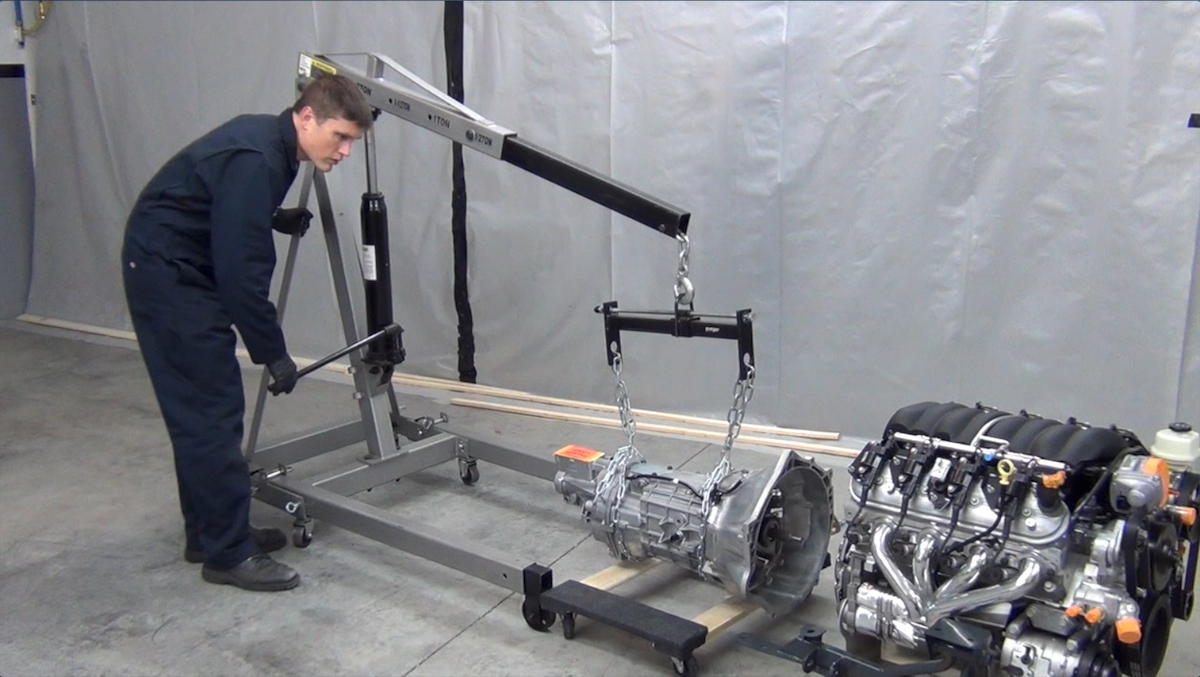
Engines rarely lift alone. Accessories like the transmission, exhaust manifold, or alternator add weight. Fluids such as oil and coolant also add pounds. Add at least 50 pounds to your total weight estimate. This buffer ensures the hoist can manage the full load safely.
Common Hoist Sizes And Their Uses
Engine hoists come in different sizes to match various car engines and tasks. Choosing the right size is important for safety and ease. Smaller hoists work well for light engines. Bigger hoists handle heavier loads and larger vehicles.
Understanding common hoist sizes helps you pick the best one. Below are typical hoist sizes and what they are used for.
1-ton Hoists
1-ton hoists lift engines up to 2,000 pounds. They suit small cars and light engines. These hoists are easy to move and store. Perfect for hobbyists and light repair work.
2-ton Hoists
2-ton hoists handle engines up to 4,000 pounds. They fit most standard cars and some trucks. This size offers a good balance of power and size. Common choice for many car repairs.
3-ton And Larger Hoists
3-ton and larger hoists lift heavy engines and parts. They work well for trucks, SUVs, and industrial engines. These hoists are strong but take more space. Ideal for professional garages and heavy-duty tasks.
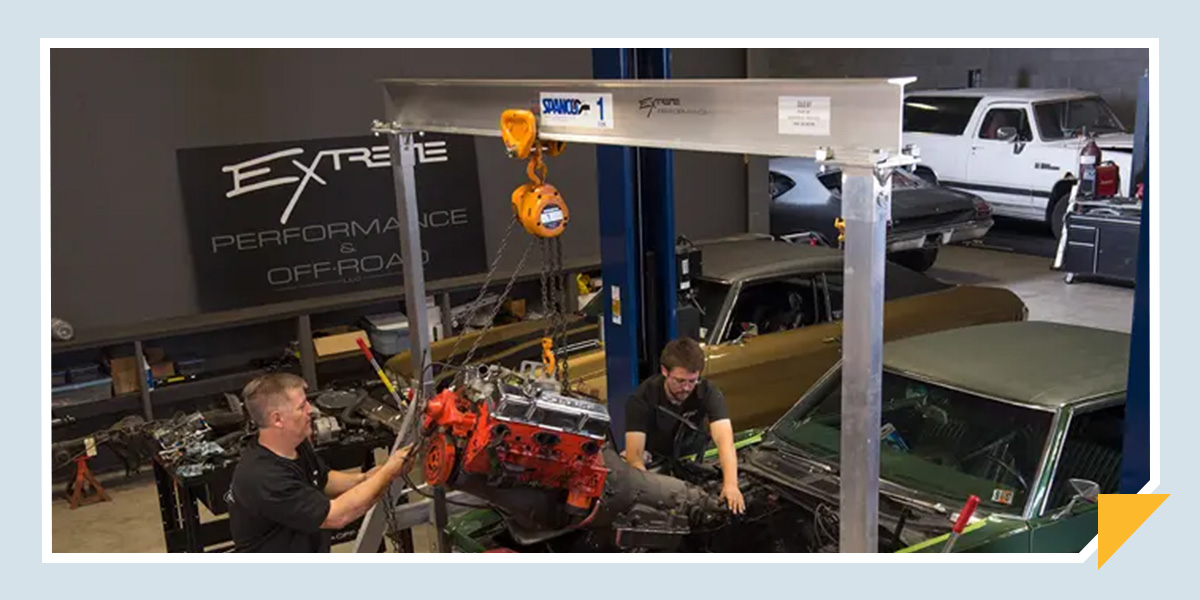
Safety Tips For Using Engine Hoists
Using an engine hoist can be risky without proper care. Safety is the top priority. Follow key tips to protect yourself and others.
Proper Setup And Inspection
Place the hoist on a flat, solid surface. Check wheels and legs for damage. Make sure all bolts are tight. Inspect the chains and hooks for cracks or rust. Replace any worn parts before use.
Weight Limits And Overloading
Know the hoist’s weight limit. Never lift more than the stated capacity. Overloading can cause the hoist to fail. Always check your engine’s weight before lifting.
Safe Lifting Techniques
Attach the engine securely using the correct lifting points. Lift slowly and steadily. Avoid sudden movements or jerks. Keep your body clear from under the load at all times.
Maintaining Your Engine Hoist
Maintaining your engine hoist is key to keeping it safe and working well. Regular care helps avoid breakdowns and extends the tool’s life. Simple steps can keep your hoist ready for any job.
Regular Inspection
Check your engine hoist before each use. Look for cracks, rust, or loose bolts. Test the hydraulic system for leaks or weak pressure. Inspect chains and hooks for wear or damage. Early spotting of issues prevents accidents and costly repairs.
Lubrication And Cleaning
Keep moving parts well-lubricated to reduce wear. Use oil or grease on joints, wheels, and pivot points. Clean the hoist after use to remove dirt and grease build-up. A clean and lubricated hoist works smoothly and lasts longer.
Storage Recommendations
Store the hoist in a dry, covered place to avoid rust. Keep it off the ground to prevent moisture damage. Fold or disassemble it as the manual suggests. Proper storage saves space and keeps the hoist safe for the next job.
Budgeting For Your Hoist
Buying an engine hoist needs a clear budget plan. You must know how much you want to spend before shopping. Costs change based on the hoist’s size and strength. A good budget helps you find a hoist that fits your needs and wallet.
Keep in mind, spending a bit more may mean better safety and durability. Cheap hoists may save money now but cause issues later. Think of your hoist as a long-term tool. Planning your budget well keeps your project smooth and safe.
Price Ranges By Capacity
Small engine hoists with 1 to 2 tons capacity cost around $100 to $200. Medium hoists with 2 to 3 tons capacity range from $200 to $400. Larger hoists above 3 tons can cost $400 or more. Prices vary based on brand and features. Choose a hoist that matches your car’s engine weight.
Balancing Cost And Quality
Cheap hoists may feel like a good deal but often lack strength. Stronger hoists last longer and keep you safe during lifts. Look for sturdy materials and good reviews. Avoid hoists with unclear weight limits. A fair price with good quality saves money in the long run.
Where To Buy
Buy engine hoists from trusted hardware stores or online retailers. Online sites offer many choices and prices. Check customer reviews before buying. Local stores let you see the hoist before purchase. Compare prices and return policies. Choose a seller with good support and warranty.
Frequently Asked Questions
What Size Engine Hoist Do I Need For A Car?
Choose an engine hoist with a lifting capacity 25-30% higher than your engine’s weight. Most car engines weigh 400-700 pounds, so a 1-ton hoist suits most needs safely.
Can A 1-ton Engine Hoist Lift All Car Engines?
A 1-ton (2,000 lbs) hoist lifts most car engines comfortably. For heavy or truck engines, consider a 2-ton hoist to ensure safe lifting.
How To Determine The Engine Weight Before Buying A Hoist?
Check your car’s manual or manufacturer specs for engine weight. Online forums and engine model listings also help estimate accurate weights.
Is Portability Important When Choosing An Engine Hoist?
Yes, portability matters if you need to move the hoist frequently. Look for hoists with wheels and foldable designs for easy storage and transport.
Conclusion
Choosing the right engine hoist size keeps your work safe and easy. Know your engine’s weight first. Pick a hoist that handles more than the engine’s weight. This prevents accidents and damage. A good hoist saves time and effort. It helps lift engines smoothly.
Always check the hoist’s capacity before buying. A proper choice makes your car repairs better. Simple steps lead to better results. Your engine and your safety both matter most.