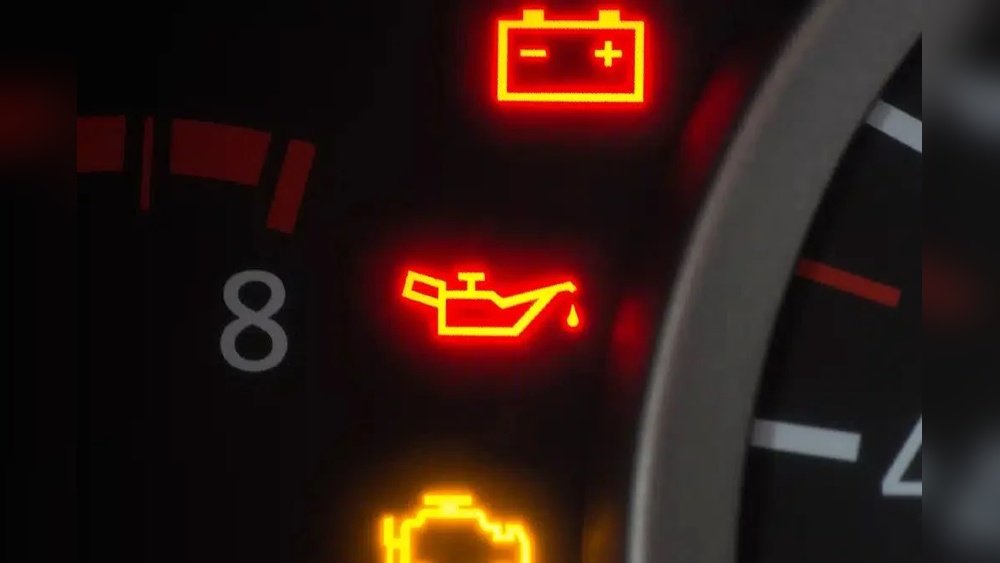
Has your car’s engine oil pressure dropped unexpectedly? Low oil pressure can be a serious warning sign that something is wrong under your hood.
If you ignore it, you risk costly damage or even engine failure. But don’t panic—you’re in the right place. You’ll discover exactly what steps to take when your engine oil pressure is low. By understanding the causes and quick fixes, you can protect your engine and keep your vehicle running smoothly.
Keep reading to learn how to act fast and save yourself from expensive repairs.
Signs Of Low Oil Pressure
Low engine oil pressure can cause serious damage to your car’s engine. Early signs often help catch the problem before it worsens. Knowing these signs can save you time and money. Watch for changes in your car’s behavior and sounds. Your attention can prevent costly repairs.
Dashboard Warning Lights
The oil pressure warning light is the first sign of trouble. It looks like an oil can on your dashboard. This light turns on if oil pressure drops too low. Do not ignore this warning. Stop your car and check the oil level immediately.
Unusual Engine Noises
Low oil pressure makes the engine noisy. You might hear knocking or ticking sounds. These noises come from metal parts rubbing without enough oil. The engine may sound louder than usual. Such noises mean the engine is not properly lubricated.
Overheating Symptoms
Low oil pressure can cause the engine to overheat. Oil helps cool the engine parts while lubricating them. When oil pressure is low, heat builds up quickly. You may see the temperature gauge rise. Smoke or a burning smell can also appear.

Common Causes
Low engine oil pressure can signal serious engine trouble. It often means the engine parts do not get enough lubrication. This lack of oil flow can cause damage quickly. Understanding common causes helps spot problems early. It also guides the right steps to fix them.
Oil Level Issues
Too little oil is a major cause of low oil pressure. Oil leaks or not topping up regularly reduce the oil level. Without enough oil, the pump can’t push oil through the engine. Check the oil level with the dipstick. Add oil if it is low.
Oil Pump Problems
The oil pump moves oil throughout the engine. A worn or broken pump lowers oil pressure. The pump may fail due to age or damage. It needs to be inspected and replaced if faulty. A bad pump puts the engine at risk.
Clogged Oil Filter
The oil filter cleans dirt and debris from the oil. A clogged filter blocks oil flow and reduces pressure. Filters should be changed regularly as part of maintenance. A dirty filter strains the engine’s oil system.
Worn Engine Bearings
Engine bearings support moving parts inside the engine. When bearings wear out, they create bigger gaps. Oil flows too quickly through these gaps, dropping pressure. Worn bearings need professional repair to avoid severe engine damage.
Immediate Actions To Take
Low engine oil pressure can signal a serious problem. Acting fast can prevent engine damage. Follow these steps immediately to protect your vehicle.
Check Oil Level
Start by checking the engine oil level. Use the dipstick to see if oil is low. Add oil only if the level is below the minimum mark. Use the type of oil recommended by your car’s manual. Do not overfill the engine with oil.
Avoid Driving
Stop driving the vehicle right away. Low oil pressure means the engine is not lubricated properly. Driving can cause severe engine damage. Let the engine cool down before further inspection or repair.
Inspect For Leaks
Look under the car for oil puddles or wet spots. Check around the engine for signs of oil leaks. Oil leaks can cause pressure to drop fast. Fix leaks before restarting the engine to avoid damage.

Diy Fixes
Low engine oil pressure can harm your engine. Fixing it early helps avoid costly repairs. Some basic checks and fixes you can do yourself. Simple steps often solve the issue quickly. Understanding these fixes saves time and money.
Topping Up Engine Oil
Check the oil level using the dipstick. Add the right type of oil slowly. Avoid overfilling, as it may cause damage. Make sure the oil cap is tight after filling. This step often restores proper oil pressure.
Replacing Oil Filter
An old oil filter can block oil flow. Replace the filter every oil change. Use the correct filter for your car model. Lubricate the new filter gasket before installation. This ensures a good seal and smooth oil flow.
Cleaning Oil Passages
Oil passages can get clogged with sludge and dirt. Use an engine flush product before oil change. It helps remove deposits inside the engine. Regular cleaning keeps oil flowing freely. This step improves oil pressure and engine health.
When To Seek Professional Help
Low engine oil pressure can harm your vehicle. Knowing when to seek professional help saves time and money. Some signs mean you should visit a mechanic without delay. This section explains clear signals that need expert attention.
Persistent Warning Lights
The oil pressure light stays on or flashes constantly. This is a strong sign of trouble. Do not ignore this warning. It means oil pressure is too low for safe driving. A mechanic can find the exact cause and fix it quickly.
Unusual Engine Performance
The engine runs rough, stalls, or makes strange noises. These symptoms often link to low oil pressure. Oil keeps engine parts moving smoothly. Without enough pressure, damage happens fast. Professionals can check and repair engine issues safely.
Frequent Oil Pressure Drops
Oil pressure rises and falls many times during driving. This irregular behavior shows a possible serious problem. It might be a faulty sensor or worn engine parts. A skilled technician uses tools to diagnose the real cause. Timely help prevents engine failure.
Preventive Measures
Keeping engine oil pressure stable is vital for your car’s health. Preventive steps help avoid low oil pressure issues early on. These steps protect your engine and extend its life.
Regular Oil Changes
Change your engine oil on time. Old oil loses its ability to lubricate parts well. This can cause low oil pressure. Follow the manufacturer’s schedule for oil changes. Fresh oil keeps the engine running smoothly.
Using Quality Oil
Choose the right oil type and quality for your vehicle. Good oil maintains pressure better than cheap alternatives. Check your owner’s manual for recommended oil grades. High-quality oil reduces wear and keeps pressure steady.
Routine Engine Inspections
Check your engine regularly for leaks and damage. Inspect oil filters and pressure sensors. Catch problems before they cause low oil pressure. Routine checks help spot early signs of trouble. Fix small issues fast to avoid costly repairs.

Frequently Asked Questions
What Causes Low Engine Oil Pressure?
Low engine oil pressure can result from worn bearings, a failing oil pump, or low oil levels. Dirty oil or clogged filters also reduce pressure. Addressing these issues early prevents engine damage and ensures smooth operation.
How To Check Engine Oil Pressure Safely?
Use a mechanical oil pressure gauge connected to the engine block. Check the oil level first and warm up the engine. Follow your vehicle manual for specific pressure ranges and steps to avoid damage.
Can Low Oil Pressure Damage The Engine?
Yes, low oil pressure can cause severe engine damage. Insufficient lubrication leads to increased friction, overheating, and possible engine seizure. Immediate action is essential to avoid costly repairs.
When Should You Consult A Mechanic For Oil Pressure Issues?
Consult a mechanic if the oil pressure warning light stays on or pressure readings are consistently low. Early professional diagnosis prevents major engine problems and ensures safe driving.
Conclusion
Low engine oil pressure can damage your car quickly. Check the oil level and quality first. Replace old or dirty oil to improve pressure. Inspect the oil pump and sensors for faults. Fix leaks or worn parts to keep pressure steady.
Regular oil changes help prevent problems. Act fast to avoid costly repairs later. Keep your engine healthy and running smoothly. Small steps now save big troubles ahead. Stay alert to warning signs and maintain your vehicle well.


