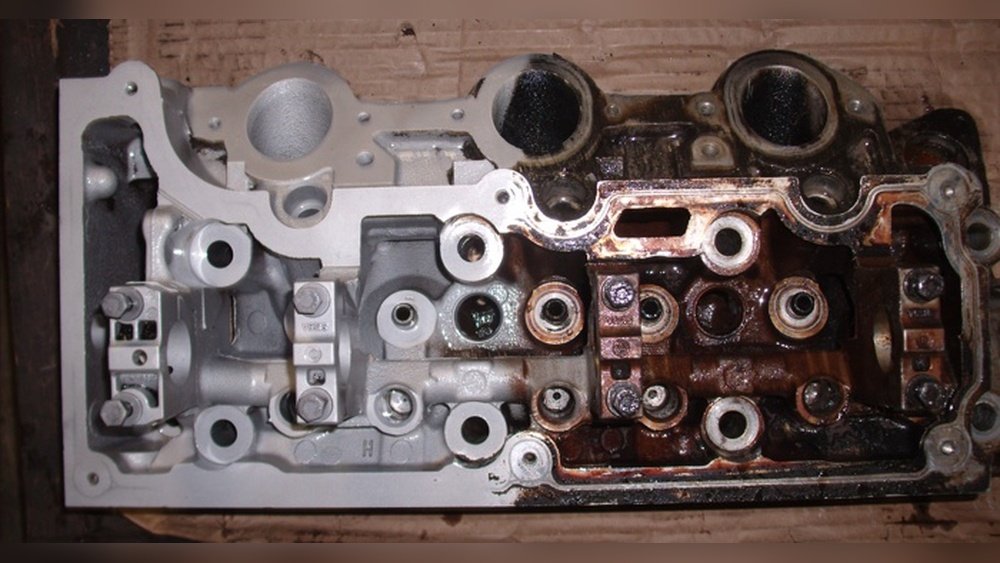
When it comes to keeping your engine running smoothly, cleaning its parts is one of the most important tasks you can do. But what should you use to clean engine parts effectively without causing damage?
Choosing the right cleaning method and products can save you time, money, and frustration. You’ll discover simple, safe, and proven ways to clean your engine parts like a pro. Whether you’re a beginner or have some experience, these tips will make your engine maintenance easier and more effective.
Keep reading to find out exactly what works best for your engine.
Types Of Engine Parts Cleaners
Cleaning engine parts is important for vehicle performance and longevity. Different cleaners suit various engine components and dirt types. Choosing the right cleaner helps remove grease, dirt, and grime effectively. It also protects the parts from damage. Below are common types of engine parts cleaners used in workshops and garages.
Solvent-based Cleaners
Solvent-based cleaners dissolve oil and grease quickly. They work well on metal parts with heavy dirt. These cleaners evaporate fast, leaving no residue behind. Use them in well-ventilated areas due to strong fumes. They clean carburetors, fuel injectors, and engine blocks effectively.
Water-based Cleaners
Water-based cleaners use water and detergents to remove dirt. They are safer for the environment and less toxic. These cleaners suit light to moderate grime on engine parts. They rinse off easily, making them ideal for routine maintenance. Use warm water for better cleaning power.
Degreasers
Degreasers break down tough grease and oil on engine surfaces. They come in spray, gel, or liquid forms. Degreasers work well on greasy engine bays and components. They help prevent engine wear and overheating. Always rinse parts after using degreasers to avoid residue.
Brake Cleaners
Brake cleaners remove brake fluid, grease, and dirt from brake parts. They dry quickly and leave no oily residue. Use brake cleaners on brake discs, drums, and pads. These cleaners improve brake performance and safety. Avoid contact with painted surfaces to prevent damage.
Ultrasonic Cleaners
Ultrasonic cleaners use sound waves to clean engine parts deeply. They reach small crevices and remove stubborn dirt. These cleaners are ideal for carburetors, fuel injectors, and small parts. Ultrasonic cleaning is gentle and protects delicate components. This method saves time and improves cleaning results.

Choosing The Right Cleaner
Choosing the right cleaner for engine parts is important. The wrong cleaner can damage parts or leave dirt behind. Picking the right product saves time and keeps your engine in good shape. Focus on the material, type of grime, environmental impact, and safety.
Material Compatibility
Engine parts are made from different materials. Metals, rubber, and plastics need different cleaners. Some cleaners can corrode metals or weaken rubber. Always check the cleaner label to match the material. Test on a small spot if unsure.
Type Of Dirt And Grime
Different dirt needs different cleaning power. Grease and oil require strong degreasers. Dust and light dirt can be removed with mild cleaners. Know what type of grime is on your parts. This helps pick a cleaner that works well without extra effort.
Environmental Considerations
Some cleaners contain harsh chemicals that harm the environment. Use eco-friendly cleaners when possible. These break down easily and cause less pollution. Dispose of used cleaners safely to avoid soil and water damage.
Safety Precautions
Cleaners can be harmful to skin and eyes. Wear gloves and safety glasses during cleaning. Work in a well-ventilated area to avoid breathing fumes. Follow all safety instructions on the cleaner label carefully.
Essential Tools For Cleaning
Cleaning engine parts requires the right tools for best results. Using proper tools saves time and keeps parts safe. It also helps remove dirt, grease, and grime effectively. The right tools make the cleaning process easier and more thorough.
Brushes And Picks
Brushes and picks help reach tight spots on engine parts. Wire brushes remove rust and stubborn dirt. Nylon brushes work well on delicate surfaces. Picks clear out small crevices and holes. These tools provide precision and control during cleaning.
Compressed Air
Compressed air blasts away dust and debris quickly. It reaches areas that brushes cannot. Air pressure dries parts after washing. It prevents water spots and rust. Use compressed air carefully to avoid damage.
Cleaning Cloths
Soft cleaning cloths wipe away grease and residue. Microfiber cloths are gentle and absorbent. Avoid rough fabrics that scratch surfaces. Clean cloths keep engine parts shiny and clean. Use different cloths for different cleaning steps.
Safety Gear
Safety gear protects you during engine cleaning. Wear gloves to keep hands safe from chemicals. Eye protection prevents dust and splashes in your eyes. Masks stop inhaling harmful fumes. Safety gear ensures cleaning is safe and healthy.

Step-by-step Cleaning Process
Cleaning engine parts is important to keep your engine running smoothly. Dirt, grease, and grime can build up and cause problems. A proper cleaning process removes these contaminants effectively. Follow these simple steps to clean engine parts safely and thoroughly.
Preparation And Disassembly
Start by preparing your workspace. Use gloves and safety glasses for protection. Remove the engine parts carefully. Keep track of small pieces and screws. Lay parts on a clean surface for easy access.
Applying Cleaner
Choose a good engine cleaner or degreaser. Spray or apply the cleaner evenly on all parts. Let the cleaner sit for a few minutes. This breaks down grease and dirt. Avoid using too much cleaner to prevent damage.
Scrubbing And Soaking
Use a brush with stiff bristles to scrub parts. Focus on areas with heavy grime or buildup. For stubborn dirt, soak parts in cleaner solution. This helps loosen tough deposits. Repeat scrubbing if needed until parts look clean.
Rinsing And Drying
Rinse parts with warm water to remove cleaner and dirt. Use a hose or bucket for thorough rinsing. Dry parts completely with a clean cloth or air dryer. Ensure no moisture remains to avoid rust. Reassemble parts once they are fully dry.
Tips For Sparkling Results
Cleaning engine parts takes care and the right approach. The goal is to get parts clean without causing any harm. Following simple tips can help achieve sparkling results every time.
These tips keep parts in great shape for longer. They help avoid damage, maintain cleanliness, and store parts safely. Clean parts perform better and last longer.
Avoiding Damage
Use gentle cleaners suited for engine parts. Harsh chemicals can damage metal and seals. Always read labels before applying any cleaner. Use soft brushes or cloths to scrub parts. Avoid using hard tools that can scratch surfaces. Take care with electrical parts and avoid soaking them.
Regular Maintenance
Clean engine parts regularly to prevent buildup. Dirt and grime can cause parts to wear faster. Routine cleaning makes inspection easier. Spot issues like cracks or rust early. Follow a cleaning schedule based on engine use. Keep cleaning simple to avoid overdoing it.
Proper Storage Of Cleaned Parts
Dry parts completely before storing to prevent rust. Store parts in a clean, dry place. Use containers or bags to protect from dust. Label parts clearly for easy identification. Keep parts away from direct sunlight and moisture. Proper storage keeps parts ready for use.
Common Mistakes To Avoid
Cleaning engine parts is a task that needs care and attention. Many people make mistakes that can damage the parts or reduce their performance. Avoiding these common errors helps keep the engine in good shape and saves money on repairs.
Knowing what mistakes to avoid makes the cleaning process smoother and safer. It also ensures the parts last longer and work better.
Using Harsh Chemicals
Strong chemicals can harm engine parts. They may eat away metal or damage seals. Always choose cleaners made for engine use. Mild solvents are safer and clean well without damage.
Skipping Protective Gear
Cleaning engine parts involves chemicals and dirt. Not wearing gloves or eye protection risks injury. Use gloves and goggles to protect skin and eyes. Safety must come first during cleaning.
Not Removing Loose Dirt First
Jumping straight to deep cleaning is a mistake. Loose dirt can scratch parts if not removed. Use a brush or air blower to clear loose dirt. This step prevents damage during cleaning.
Using Water On Sensitive Parts
Water can cause rust or short circuits in some parts. Avoid using water on electrical components or bare metal. Use dry cleaners or special sprays designed for engines. This keeps parts safe and dry.
Not Drying Parts Properly
Leaving parts wet invites rust and corrosion. Always dry parts completely after cleaning. Use compressed air or clean cloths to remove moisture. Proper drying protects the engine from damage.
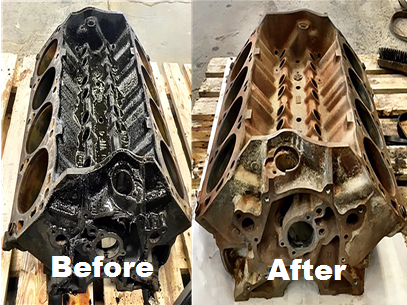
Frequently Asked Questions
What Is The Best Cleaner For Engine Parts?
The best cleaner for engine parts is a degreaser specifically designed for automotive use. It removes oil, grease, and dirt effectively without damaging metal surfaces. Always choose non-corrosive, biodegradable formulas for safety and environmental benefits.
Can I Use Household Cleaners On Engine Parts?
Household cleaners are not recommended for engine parts. They may contain harsh chemicals that damage metal or leave residues. Use automotive-grade cleaners designed to safely clean and protect engine components for optimal results.
How Do I Clean Engine Parts Without Damaging Them?
To clean engine parts safely, use a gentle degreaser and soft brushes. Avoid abrasive tools and harsh chemicals. Rinse thoroughly with water and dry completely to prevent rust and corrosion.
Are Ultrasonic Cleaners Effective For Engine Parts?
Yes, ultrasonic cleaners are highly effective for engine parts. They use high-frequency sound waves to remove dirt and grease from hard-to-reach areas. This method is gentle and thorough, preserving delicate components.
Conclusion
Cleaning engine parts needs the right tools and materials. Use safe, effective cleaners for best results. Avoid harsh chemicals that can damage parts. Always follow instructions carefully to protect your engine. Regular cleaning helps your engine run smoother and last longer.
Keep your workspace clean and organized during the process. Good care means better performance and fewer problems. Simple steps make a big difference. Take time to do it right. Your engine will thank you.


