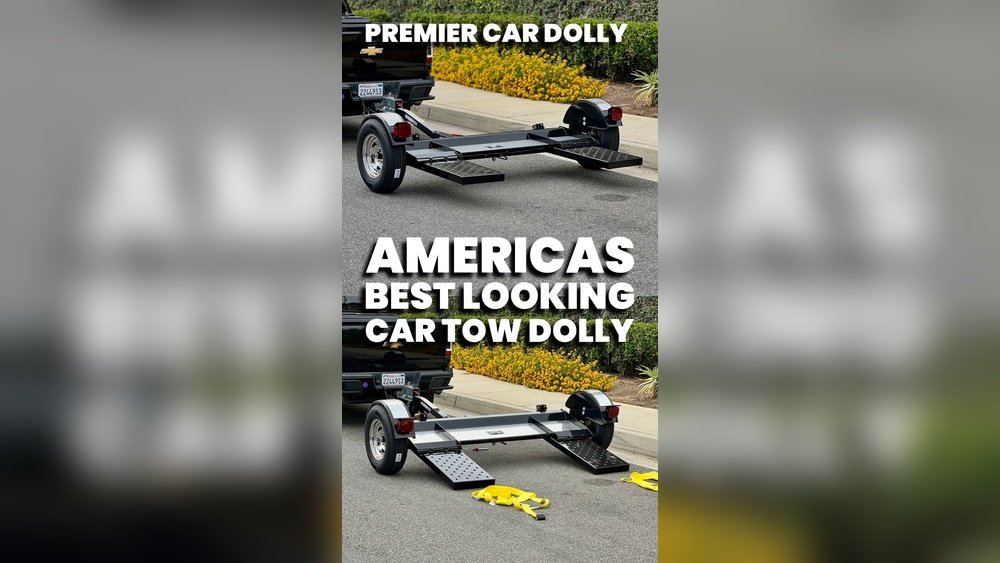
Choosing the right wheels for your car dolly can make all the difference in how smoothly and safely you move your vehicle. You want wheels that offer stability, durability, and easy maneuverability.
But with so many options out there, how do you know which type suits your needs best? Keep reading to discover the key factors that will help you pick the perfect wheels for your car dolly—and avoid costly mistakes that could slow you down or cause damage.
Your car, your time, and your peace of mind deserve nothing less.

Types Of Car Dolly Wheels
Car dollies need wheels that suit different surfaces and loads. The wheel type affects how smoothly the dolly moves and how much weight it can carry. Choosing the right wheels helps protect your floors and makes moving cars easier.
Steel Wheels
Steel wheels are strong and last a long time. They handle heavy loads well. These wheels work best on smooth concrete or asphalt. They are noisy and can damage soft floors. Steel wheels are good for outdoor use.
Rubber Wheels
Rubber wheels offer good grip and smooth movement. They protect floors from scratches and marks. These wheels absorb shocks and reduce noise. Rubber wheels work well on most surfaces, including indoors.
Polyurethane Wheels
Polyurethane wheels are tough and wear-resistant. They roll smoothly on rough and smooth surfaces. These wheels protect floors and carry heavy weights. Polyurethane wheels last longer than rubber but cost more.
Plastic Wheels
Plastic wheels are light and cheap. They work for light loads and short moves. These wheels can crack under heavy weight. Plastic wheels are best for occasional use on smooth floors.
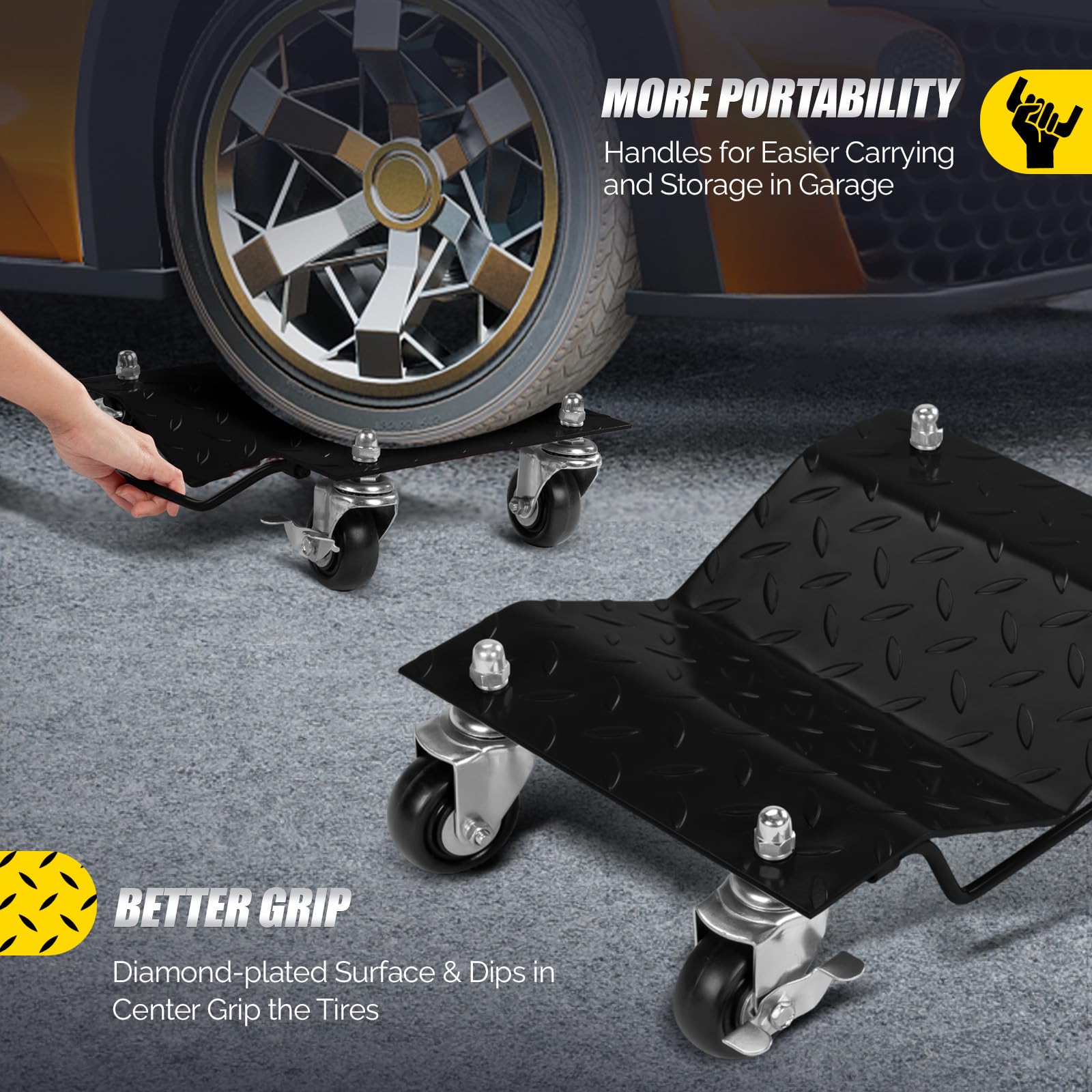
Factors Affecting Wheel Choice
Choosing the right wheels for car dollies depends on several important factors. These factors help ensure safety, ease of use, and long-lasting performance. Understanding each aspect will guide you to the best wheel choice for your needs.
Load Capacity
Wheels must support the weight of the car and dolly combined. Check the load capacity before buying. Overloading wheels can cause damage and unsafe conditions. Choose wheels with a higher load rating than your car’s weight for safety.
Surface Compatibility
Consider the type of surface where you will use the dolly. Hard surfaces like concrete need different wheels than soft or uneven ground. Soft rubber wheels work well on rough surfaces. Hard plastic or metal wheels suit smooth floors. Match the wheel material to the surface for better movement.
Durability
Durability affects wheel lifespan and performance. Look for wheels made of strong materials that resist wear and tear. Durable wheels reduce replacement costs and prevent breakdowns. Quality wheels handle rough use and harsh conditions better.
Maneuverability
Maneuverability is key for easy moving and positioning. Swivel wheels offer better turning ability. Fixed wheels provide straight movement and stability. Use a mix of swivel and fixed wheels for smooth control. Choose wheels that roll easily to reduce effort.
Pros And Cons Of Each Wheel Type
Choosing the right wheels for car dollies affects how well they move and last. Each type of wheel has its own benefits and drawbacks. Understanding these helps pick the best wheel for your needs. Below is a clear look at the pros and cons of common wheel types.
Steel Wheel Benefits And Drawbacks
Steel wheels are very strong and can hold heavy loads easily. They work well on smooth surfaces like concrete. Steel wheels do not wear out quickly. They resist damage from sharp objects.
These wheels can be noisy on hard floors. They may cause scratches or marks on delicate surfaces. Steel wheels offer less grip, so they can slip on wet or uneven ground. They also provide a rougher ride.
Rubber Wheel Advantages And Limitations
Rubber wheels give a smooth and quiet ride. They grip surfaces better than steel wheels. Rubber wheels protect floors from damage. They work well on rough or uneven surfaces.
Rubber wheels wear out faster than steel. They can get flat spots if left still for long. These wheels are not good for very heavy loads. Heat and chemicals may damage rubber over time.
Polyurethane Wheel Strengths And Weaknesses
Polyurethane wheels combine strength and smoothness. They carry heavy loads and resist wear well. These wheels roll quietly and protect floors. They resist oils and chemicals better than rubber.
Polyurethane wheels can be stiff on very rough surfaces. They cost more than rubber or plastic wheels. In very hot conditions, these wheels may soften or deform.
Plastic Wheel Features And Issues
Plastic wheels are lightweight and affordable. They work well on smooth, clean floors. Plastic wheels need little maintenance and resist water damage.
These wheels are not strong for heavy loads. They wear out quickly on rough surfaces. Plastic wheels can crack or break under stress. They offer poor traction compared to other wheels.

Best Wheels For Different Applications
Choosing the right wheels for car dollies depends on where and how you use them. Different wheels work better for indoor floors, rough outdoor surfaces, heavy loads, or lighter tasks. Picking the correct wheel improves movement, safety, and durability of the dolly.
Below are wheel types best suited for various uses. Each type matches a specific need for smooth operation and long-lasting performance.
Indoor Use
Soft rubber wheels work best on indoor floors. They protect surfaces from scratches and reduce noise. These wheels roll easily on smooth concrete or tiled floors. They also provide good grip and prevent slipping.
Outdoor Use
Harder wheels made of polyurethane or solid rubber suit outdoor use. They handle rough surfaces like asphalt, gravel, and dirt better. These wheels resist damage from debris and uneven ground. They also offer better stability on bumpy terrain.
Heavy-duty Tasks
Steel or heavy-duty polyurethane wheels are ideal for heavy loads. They support high weight without bending or breaking. These wheels have strong cores and thick treads for extra durability. They work well in garages and workshops.
Light-duty Tasks
Plastic or nylon wheels fit light-duty applications. They are lightweight and cost-effective. These wheels work on smooth surfaces with low weight. They are easy to maneuver but not designed for rough use or heavy loads.
Maintenance Tips For Car Dolly Wheels
Maintaining car dolly wheels is key for smooth movement and safety. Regular care keeps wheels in good shape and helps avoid damage.
Simple maintenance steps can extend wheel life and improve performance. Check wheels often and act quickly on any issues.
Cleaning And Inspection
Remove dirt and debris from wheels after each use. Clean wheels with a damp cloth and mild soap. Dry them well to stop rust and wear.
Inspect wheels for cracks, flat spots, or wear. Look closely at the wheel surface and edges. Check for loose parts or damage that can affect performance.
Lubrication
Apply lubricant to wheel bearings regularly to reduce friction. Use grease or oil made for wheel parts. Avoid over-lubricating, which attracts dirt and dust.
Spin the wheels to spread lubricant evenly. Proper lubrication keeps wheels rolling smoothly and prevents squeaking sounds.
Replacement Signs
Replace wheels if they show cracks, deep wear, or flat spots. Wheels that wobble or do not roll straight need changing. Loud noises or rough movement also signal wheel problems.
Check wheel bearings and mounts too. Worn or damaged bearings reduce wheel life and affect dolly control. Replace parts as needed to keep the dolly safe and easy to use.
Expert Recommendations
Choosing the right wheels for car dollies is key for safe and smooth movement. Experts suggest focusing on quality, durability, and ease of use. The best wheels help protect your vehicle and make transport easier. This section shares top brands, buying tips, and installation advice.
Top Wheel Brands
Look for brands known for strong, reliable wheels. Some trusted names include Harbor Freight, Pro-Lift, and Torin. These brands offer wheels made from tough rubber or polyurethane. Such materials resist wear and handle heavy loads well. Quality brands also provide good customer support.
Buying Tips
Check the wheel size to match your car dolly frame. Larger wheels roll smoothly over bumps and cracks. Confirm the load capacity fits your vehicle weight. Choose wheels with ball bearings for easy turning. Also, pick wheels with good tread for grip on different surfaces.
Installation Advice
Install wheels on a clean, flat surface. Use the right tools like wrenches and screwdrivers. Tighten bolts firmly but avoid over-tightening. Test wheel movement before loading the car. Regularly check wheels for damage or looseness during use.
Frequently Asked Questions
What Wheels Are Best For Heavy Car Dollies?
Steel wheels with polyurethane tires are best for heavy car dollies. They offer high durability and smooth movement on various surfaces.
Are Rubber Wheels Suitable For Car Dollies?
Yes, rubber wheels provide excellent grip and shock absorption. They work well on smooth and uneven surfaces.
How Do Wheel Sizes Affect Car Dolly Performance?
Larger wheels improve maneuverability and handle rough terrain better. Smaller wheels offer more stability on flat surfaces.
Can Swivel Wheels Enhance Car Dolly Usage?
Swivel wheels increase maneuverability and ease of turning. They are ideal for tight spaces and precise positioning.
Conclusion
Choosing the right wheels for car dollies makes moving cars easier and safer. Hard wheels work well on smooth surfaces. Soft wheels handle rough ground better and reduce noise. Consider the surface you will use most. Also, think about durability and weight capacity.
Good wheels save time and effort during transport. Pick wheels that fit your needs and budget. The right choice keeps your car and floor safe. Simple choices lead to smooth moves every time.


