Are you planning to move your car with dollies but unsure about what weight capacity you need? Choosing the right weight capacity is crucial to keep your vehicle safe and avoid costly damage.
If you pick a dolly that can’t handle your car’s weight, you risk accidents and extra expenses. On the other hand, going too heavy might mean spending more than necessary. You’ll discover exactly how to find the perfect weight capacity for your car dollies, so you can tow with confidence and ease.
Keep reading to make the smartest choice for your vehicle and your budget.
Car Dolly Basics
Understanding the basics of car dollies helps you choose the right one. Car dollies move vehicles safely and easily. Knowing their types and features lets you pick the best fit for your needs.
What Is A Car Dolly?
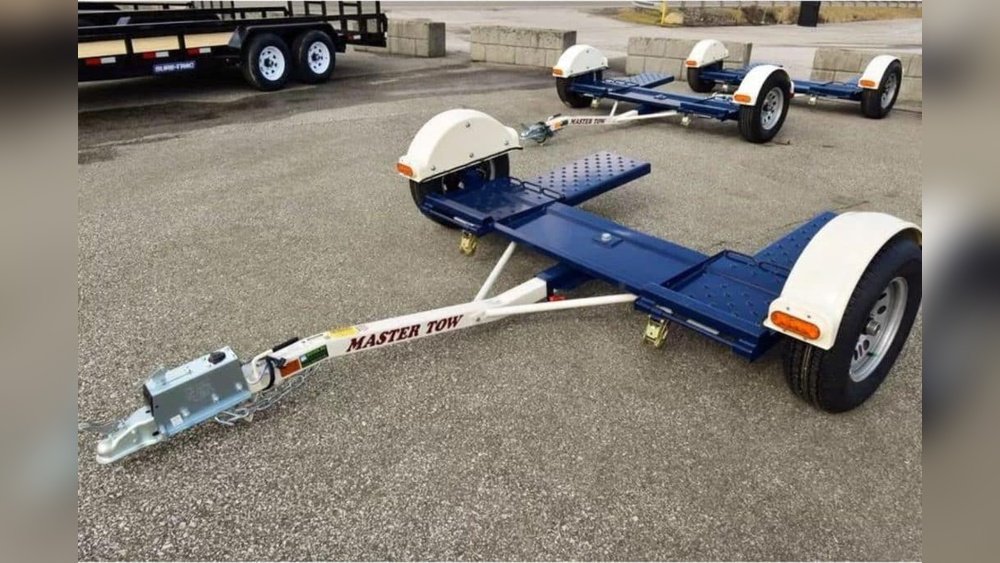
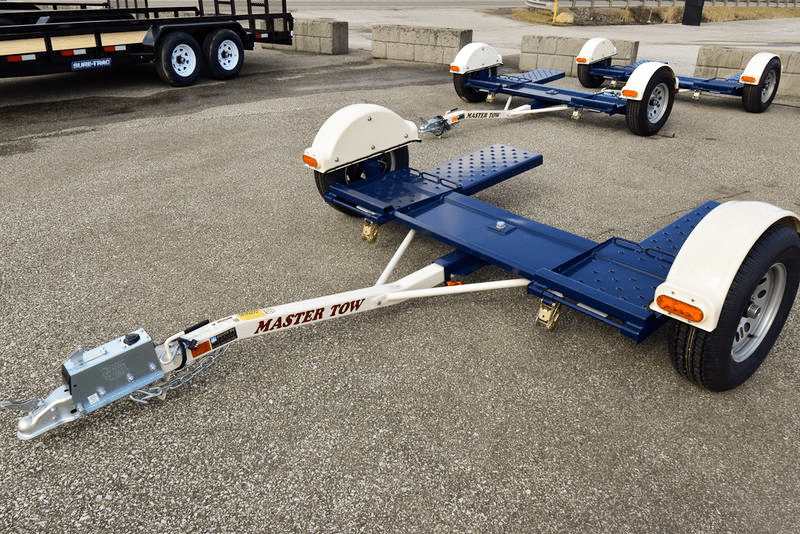
A car dolly is a small trailer that lifts and carries a car. It holds either the front or rear wheels off the ground. This tool helps tow cars behind trucks or other vehicles. It makes moving cars easier and safer.
Types Of Car Dollies
There are several types of car dollies. Some lift only two wheels, leaving the other two on the road. These are called two-wheel dollies. Others lift all four wheels off the ground. These are called flatbed or four-wheel dollies. Each type serves different towing needs and vehicle types.
Key Features To Consider
Weight capacity is the most important feature. It must hold your vehicle’s weight safely. Check the dolly’s frame strength and tire quality. Look for easy loading and unloading options. Safety chains and brakes add extra security. These features protect your vehicle during transport.
Weight Capacity Explained
Understanding the weight capacity of car dollies is key for safe and efficient use. Weight capacity tells you how much weight the dolly can hold without breaking or causing accidents. This information helps prevent damage to the dolly and the vehicle.
Choosing a dolly with the right weight capacity ensures smooth movement and avoids costly repairs. Let’s explore how weight capacity is measured and what affects it.
How Weight Capacity Is Measured
Weight capacity is measured in pounds or kilograms. Manufacturers test dollies by placing heavy weights on them to find the maximum load they can support. The number you see on the dolly label shows the safe limit. This limit includes the weight of the car and any added equipment.
Tests also check for balance and stability under weight. Proper testing ensures the dolly won’t bend or break during use. Always use dollies that match or exceed the weight of your vehicle.
Factors Affecting Weight Limits
Several factors affect a dolly’s weight capacity. The material used to make the dolly plays a big role. Steel dollies usually hold more weight than those made from aluminum or plastic. The design also matters; wider frames and stronger joints increase capacity.
Wheel size and type impact weight limits as well. Larger, heavy-duty wheels can support more weight and handle rough surfaces better. The condition of the dolly matters too. Worn parts or rust can lower the safe weight limit.
Choosing The Right Weight Capacity
Choosing the right weight capacity for car dollies is key to safe towing and transport. The dolly must support the vehicle’s weight without strain. Selecting a dolly with insufficient capacity risks damage to the dolly and vehicle. Too much capacity can be costly and less efficient. Understanding the vehicle weight and load factors helps pick the proper dolly. This ensures a smooth and secure move every time.
Matching Dolly Capacity To Vehicle Weight
Start by knowing your vehicle’s curb weight. This is the weight of the car without passengers or cargo. Choose a dolly with a weight capacity equal to or greater than this number. Never pick a dolly with a capacity lower than your car’s weight. Check the dolly specifications carefully before buying. This match prevents overloading and unsafe conditions.
Considering Additional Load Factors
Think about extra weight on the vehicle during towing. Passengers, fuel, and cargo increase the total weight. Add these weights to the vehicle’s curb weight. Use this total to choose a dolly capacity. Also, consider the weight of any accessories on the dolly. Make sure the dolly can handle all combined weight safely. This step avoids surprises on the road.
Common Weight Capacity Ranges
Car dollies come in different weight capacities. Choosing the right range ensures safety and ease. Knowing common weight ranges helps match the dolly to your vehicle.
Weight capacity depends on the size and type of the dolly. Some are made for small cars, others for larger vehicles. Here are the common weight capacity ranges for car dollies.
Light-duty Dollies
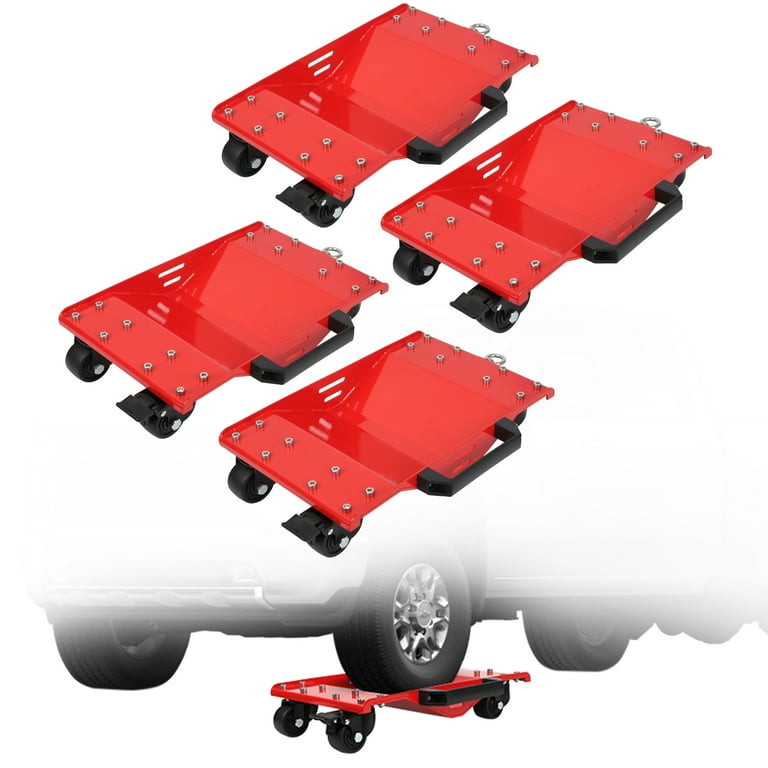
Light-duty dollies usually hold up to 1,000 pounds per dolly. They work well for small cars or light vehicles. These dollies are easy to move and store. Perfect for cars like compact sedans or small trucks.
Medium-duty Dollies
Medium-duty dollies support between 1,000 and 2,000 pounds each. They suit larger cars, SUVs, and small trucks. These dollies balance strength and mobility. Ideal for most everyday vehicles you might tow.
Heavy-duty Dollies
Heavy-duty dollies hold more than 2,000 pounds per dolly. Made for heavy trucks, SUVs, or vans. They offer strong frames and bigger wheels. Best choice for heavy or larger vehicles towed regularly.
Safety Tips For Using Car Dollies
Using car dollies safely protects your vehicle and prevents accidents. Following safety tips helps you avoid damage and injury. Each step matters for secure towing and easy handling.
Preventing Overloading
Check your dolly’s weight capacity before loading any vehicle. Never exceed this limit. Overloading causes damage to the dolly and risks accidents. Know your car’s weight and compare it with the dolly’s capacity. Stay within safe limits for smooth towing.
Proper Loading Techniques
Position the vehicle’s wheels correctly on the dolly. Center the car to balance weight evenly. Use safety straps to secure the vehicle firmly. Avoid sharp turns or sudden stops to keep the load stable. Follow the dolly’s instructions for loading to prevent issues on the road.
Regular Maintenance Checks
Inspect your dolly regularly for wear and tear. Check tires, brakes, and lights before every trip. Tighten bolts and replace damaged parts immediately. Proper upkeep extends the dolly’s life and ensures safe use. Keep a maintenance log to track repairs and checks.
Expert Recommendations
Choosing the right weight capacity for car dollies is vital. Experts advise focusing on material quality, wheel strength, and trusted brands. These factors ensure safety and durability during use.
Following expert tips helps avoid accidents and damage to your vehicle.
Selecting Durable Materials
Strong materials make car dollies last longer. Steel and heavy-duty aluminum are common choices. They resist bending and cracking under heavy loads. Avoid cheap metals that can fail quickly. Durable materials keep your vehicle stable during moves.
Importance Of Quality Wheels
Wheels carry the load and affect mobility. Look for wheels made from solid rubber or polyurethane. These materials provide smooth movement and resist wear. High-quality wheels handle rough surfaces better. Low-quality wheels can break or get stuck easily.
Brands Known For High Capacity Dollies
Some brands are trusted for their strong car dollies. Examples include Pro-Lift, Torin, and Hein-Werner. These brands use quality materials and good designs. They offer dollies with high weight limits. Choosing well-known brands gives confidence in safety and performance.
Frequently Asked Questions
What Is The Ideal Weight Capacity For Car Dollies?
The ideal weight capacity depends on your vehicle’s weight. Choose a dolly that supports at least 25% more than your car’s gross weight. This ensures safety and durability during towing or moving.
How To Calculate Weight Capacity For A Car Dolly?
Add your vehicle’s curb weight and cargo weight. Multiply by 1. 25 to get a safe dolly weight capacity. This buffer prevents overloading and ensures stable handling.
Can Car Dollies Handle Heavy Trucks Or Suvs?
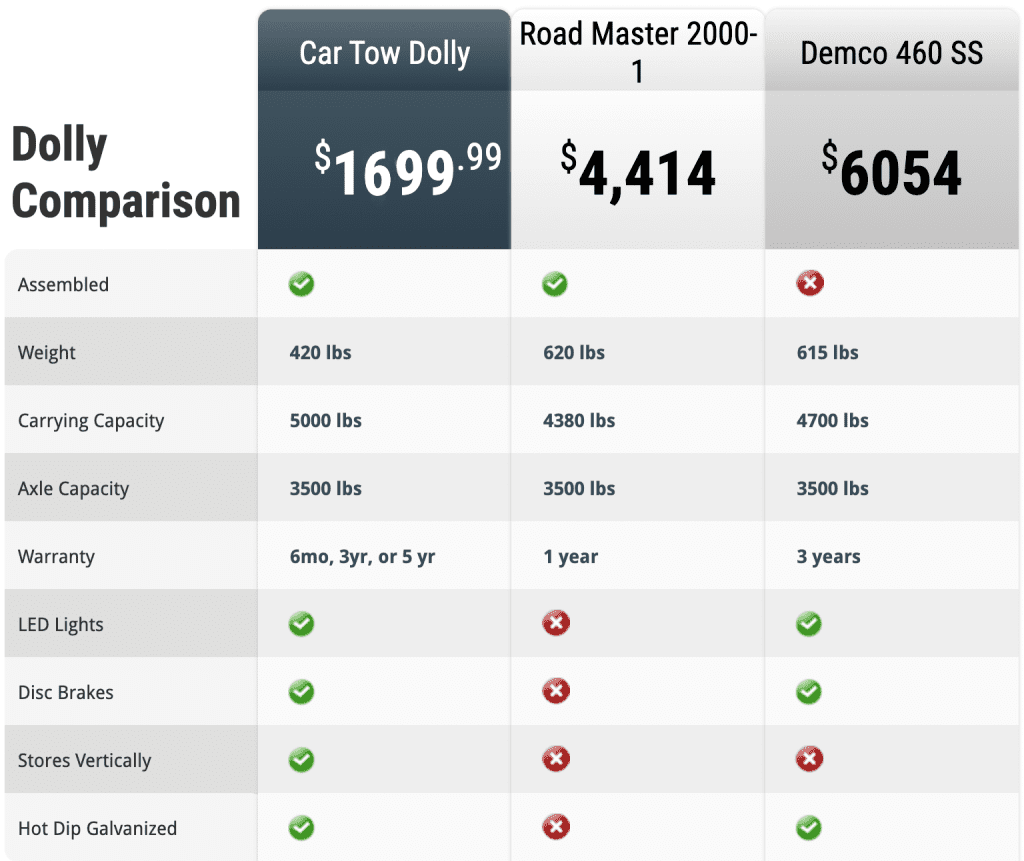
Most standard car dollies support up to 3,500 pounds. For heavy trucks or SUVs, select dollies with higher capacities, often 5,000 pounds or more. Always verify the dolly’s rating before use.
Why Is Weight Capacity Important For Car Dollies?
Weight capacity prevents damage and ensures safe transport. Overloading can cause dolly failure, accidents, or vehicle damage. Always match the dolly’s capacity to your vehicle’s weight.
Conclusion
Choosing the right weight capacity keeps your car dolly safe and stable. Always check your vehicle’s weight before buying a dolly. A dolly with enough strength helps avoid accidents and damage. Think about the heaviest load you might carry. This way, you pick a dolly that fits your needs.
Safe towing means less stress and smooth trips. Remember, the right dolly makes your job easier and safer. Keep these points in mind for smart, worry-free towing.


