You want to keep your child safe every time you hit the road. But knowing when to switch from an infant car seat to a convertible car seat can be confusing.
Are you unsure if your baby is ready for the next step? Making the right choice now can protect your little one and give you peace of mind. Keep reading to find out exactly when and why you should make the switch, so your child stays secure and comfortable on every ride.
Signs To Switch Car Seats
Knowing when to switch from an infant car seat to a convertible car seat is important for your child’s safety. Several clear signs tell you it is time to make the change. These signs are based on your child’s size, age, and physical growth. Paying attention to these clues helps keep your child secure during every ride.
Weight And Height Limits
Every car seat has weight and height limits. Infant seats usually hold babies up to about 30 pounds. They also have a height limit, often around 30 inches. When your child reaches or nears these limits, it is time to switch. Convertible seats can hold bigger children and last longer.
Age Recommendations
Car seat makers give age guidelines too. Most recommend using an infant seat until your baby is about one year old. After that, a convertible seat is safer. Age is a good sign but should not be the only one to decide. Always check the child’s size first.
Physical Development
Watch your child’s body changes. If your baby’s head is too tall for the infant seat, it is unsafe. Also, if your child’s legs start to bend awkwardly at the seat edges, change seats. Convertible car seats offer more space for growing babies.
Types Of Car Seats
Choosing the right car seat helps keep your child safe. Understanding the main types of car seats makes the decision easier. Each type fits different ages and sizes. Knowing this helps you pick the best seat for your child’s needs.
Infant Car Seats
Infant car seats are made for newborns and small babies. They face the rear of the car for safety. These seats usually come with a handle for easy carrying. They fit babies up to about 22 to 35 pounds. Parents like them for their convenience and safety for tiny infants.
Convertible Car Seats
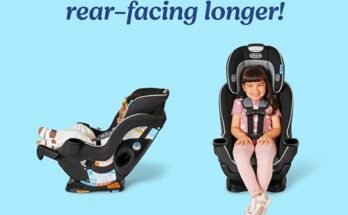
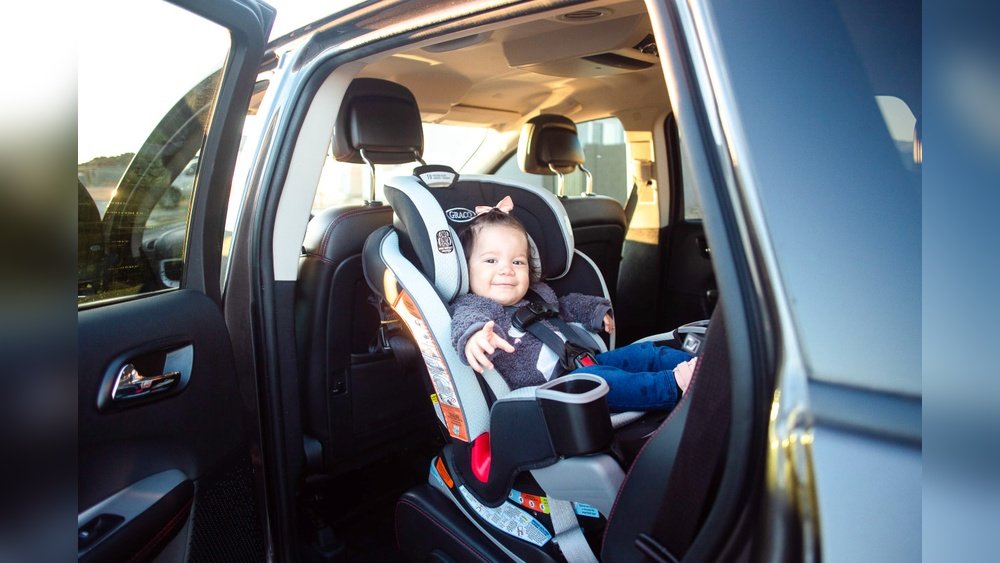
Convertible car seats grow with your child. They start as rear-facing seats for babies. Later, they switch to forward-facing for toddlers. These seats can hold children up to 65 pounds or more. They stay in the car longer than infant seats. This means fewer seat changes and more use.
All-in-one Car Seats
All-in-one car seats combine many features. They work as rear-facing, forward-facing, and booster seats. This type suits children from infancy to early school years. They save space and money by lasting many years. These seats offer a long-term car safety solution.
Safety Considerations
Safety is the most important factor when switching car seats. Choosing the right seat and using it correctly protects your child from injury. Parents must know when to change from an infant car seat to a convertible one. This section covers key safety points to consider for a smooth transition.
Rear-facing Vs Forward-facing
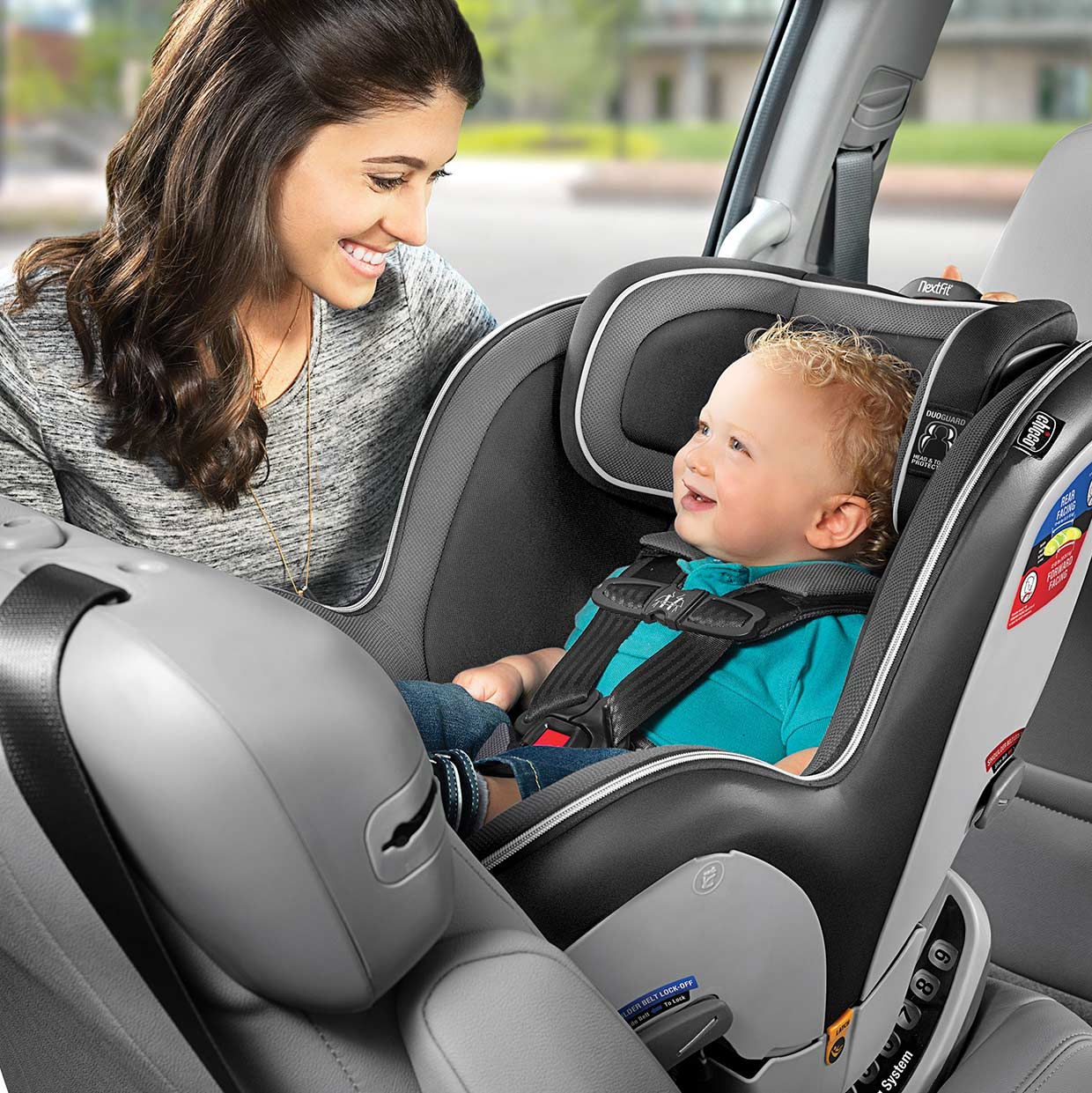
Children should ride rear-facing as long as possible. Rear-facing seats support the head, neck, and spine better during a crash. Many experts suggest keeping kids rear-facing until at least age two. Convertible car seats allow rear-facing use for a longer time. Forward-facing seats are only for older children who meet height and weight limits.
Proper Installation Tips
Correct installation is critical for safety. Always read the seat manual carefully before installing. Use the vehicle’s seat belt or LATCH system to secure the seat tightly. The seat must not move more than one inch side-to-side or front-to-back. Check the harness straps fit snugly on your child. The chest clip should be at armpit level. Regularly inspect the seat to ensure everything stays secure.
Expiration Dates And Wear
Car seats have expiration dates for safety reasons. Materials weaken over time and may fail in a crash. Check the label on your seat for its expiry date. Never use a seat that has passed this date. Inspect the seat for cracks, frayed straps, or missing parts. Replace the seat if it shows signs of damage. Using a safe, well-maintained seat is essential for your child’s protection.
Benefits Of Convertible Car Seats
Convertible car seats offer many benefits for parents and children. They provide safety and comfort for longer periods. These seats grow with your child, saving money and effort. Understanding their advantages helps you decide the right time to switch.
Extended Rear-facing Use
Convertible car seats allow children to stay rear-facing longer. Rear-facing seats are safer in crashes. Most convertible seats support rear-facing up to 40 pounds or more. This extra time improves protection for your child’s head and neck.
Cost Efficiency
One convertible seat replaces multiple infant seats. No need to buy a new seat every few months. This saves money in the long run. You buy once and use the seat for years. It reduces waste and clutter at home too.
Adaptability For Growing Children
Convertible seats adjust to fit toddlers and older kids. They change from rear-facing to forward-facing easily. Many have adjustable harnesses and headrests. This ensures a secure fit as your child grows. No need to rush to buy another seat.
Common Mistakes To Avoid
Switching from an infant car seat to a convertible car seat is a big step for your child’s safety. Many parents make simple mistakes during this change. These errors can reduce protection or cause discomfort. Knowing what to avoid helps keep your child safe and comfortable.
Switching Too Early
Some parents switch seats before their child is ready. Infant car seats are designed for babies under a certain weight and height. Moving too soon can expose your child to risk. Always check your child’s size. Follow safety limits before changing seats.
Incorrect Seat Positioning
Convertible car seats can be tricky to install. Placing the seat at the wrong angle can cause harm. Rear-facing seats must recline properly to support the head and neck. Forward-facing seats need a firm, upright position. Take time to read the instructions carefully. Double-check the seat’s angle and tightness every ride.
Ignoring Manufacturer Guidelines
Every car seat has specific rules. These include weight, height, and installation methods. Ignoring these rules puts your child at risk. Always read the manual fully. Follow all guidelines to the letter. Manufacturer instructions are there to protect your child.

Expert Recommendations
Choosing the right time to switch from an infant car seat to a convertible car seat is important for your child’s safety. Experts suggest following clear advice and safety rules. This helps parents make the best decision for their child’s comfort and protection during car rides.
Experts focus on three main areas: safety guidelines, proper installation, and watching your child’s growth. Understanding these points can make the switch easier and safer.
Consulting Safety Guidelines
Always check the car seat’s weight and height limits. Infant car seats have lower limits than convertible seats. Follow the instructions from the car seat maker and safety groups. These rules protect your child and keep them secure.
Professional Installation Help
Installing a car seat correctly is tricky. Many parents ask for help from trained experts. These professionals ensure the seat fits tightly and is at the right angle. Proper installation lowers the risk of injury in accidents.
Monitoring Child’s Growth
Watch your child’s size closely. When they outgrow the infant seat’s limits, it’s time to switch. Growth includes weight, height, and head size. A convertible car seat offers more room and longer use.

Frequently Asked Questions
When Is It Safe To Switch To A Convertible Car Seat?
Switch to a convertible car seat once your infant outgrows the rear-facing infant seat. Usually, this is around 12 to 15 months or when your baby reaches the seat’s height or weight limit. Always follow the car seat manufacturer’s guidelines for safety.
What Are The Benefits Of A Convertible Car Seat?
Convertible car seats offer longer use as they grow with your child. They support rear-facing and forward-facing positions, providing enhanced safety and comfort. This flexibility makes them cost-effective and convenient for parents.
How Do I Know If My Baby Is Ready For A Convertible Seat?
Check if your baby exceeds the infant seat’s height or weight limit. Also, ensure the baby can sit up unassisted comfortably. If these conditions are met, it’s a good time to switch to a convertible car seat.
Can I Keep My Child Rear-facing In A Convertible Seat?
Yes, convertible seats allow extended rear-facing use. Experts recommend keeping children rear-facing as long as possible, ideally until age 2 or beyond. Rear-facing provides better protection for your child’s head, neck, and spine in a crash.
Conclusion
Choosing the right time to switch car seats keeps your child safe. Watch your baby’s weight and height closely. Most infants move to a convertible seat after outgrowing their infant seat. A convertible seat lasts longer and offers more comfort.
Always follow the car seat’s manual for proper use. Safety checks can help avoid common mistakes. Switching too early or too late can cause risks. Trust your instincts and keep your child’s safety first. Your careful decision makes every ride safer and more comfortable.