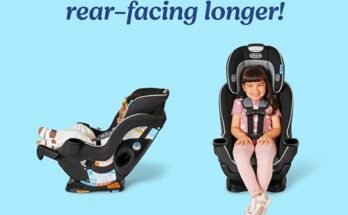
Are you wondering when it’s the right time to switch your child’s car seat from rear-facing to forward-facing? This decision is more important than you might think.
Making the change too soon could put your little one at risk, while waiting too long might feel inconvenient. You want to keep your child safe and comfortable on every ride, but the rules and recommendations can be confusing. You’ll discover clear, simple guidelines to help you make the best choice for your child’s safety and your peace of mind.
Keep reading to learn exactly when and how to make this important switch.
Rear-facing Car Seat Basics
Choosing the right position for your child’s car seat is very important. Rear-facing car seats keep babies and toddlers safe in the event of a crash. Understanding the basics of rear-facing seats helps parents make smart decisions about car seat safety.
Many safety experts agree that children should stay rear-facing as long as possible. This position supports their head, neck, and spine better than forward-facing seats. Knowing when to switch depends on age, weight, and height limits set by car seat makers.
Benefits Of Rear-facing Seats
Rear-facing seats protect the head and neck in a crash. The seat absorbs most of the impact, reducing injury risk. Babies’ bones are soft and still growing, making this protection critical. This position also spreads the crash forces across the child’s back. It lowers the chance of serious injury during sudden stops.
Recommended Age And Weight Limits
Most safety groups suggest keeping children rear-facing until at least age 2. Some car seats allow children to stay rear-facing until they weigh 40 pounds or more. Parents should follow the car seat instructions closely. The child’s height is important too. Once the child outgrows the rear-facing limits, it is time to switch seats.
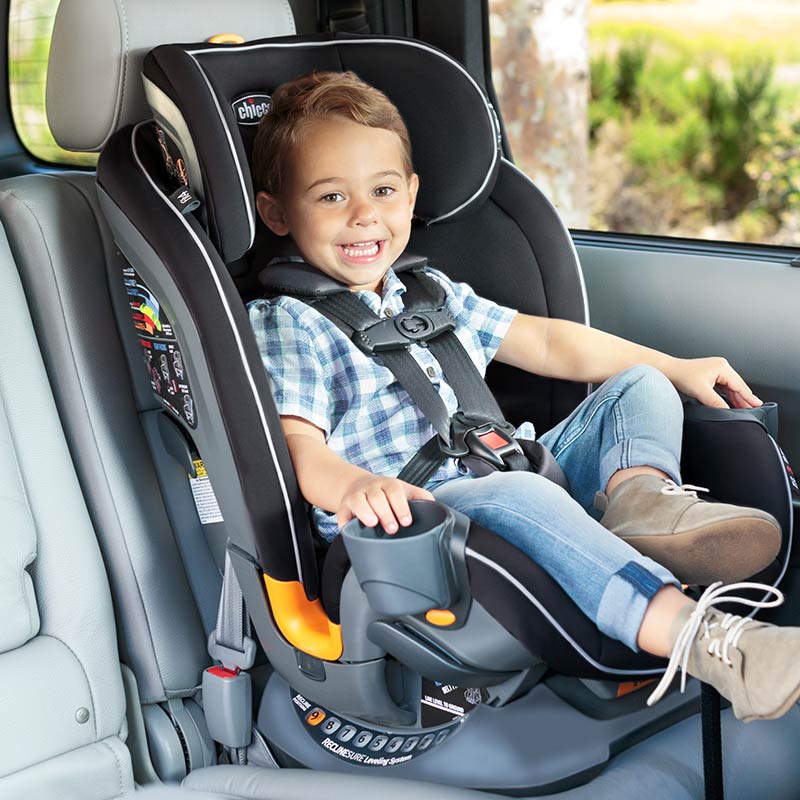
Signs To Switch To Forward-facing
Knowing when to turn your child’s car seat from rear-facing to forward-facing is important. It keeps your child safe during car rides. Watch for key signs that show your child is ready for this change. These signs help you decide the right time.
Many parents wonder about the right moment to switch. Safety experts give clear guidelines to make this easier. This section explains the main signs to watch for.
Child’s Weight And Height Milestones
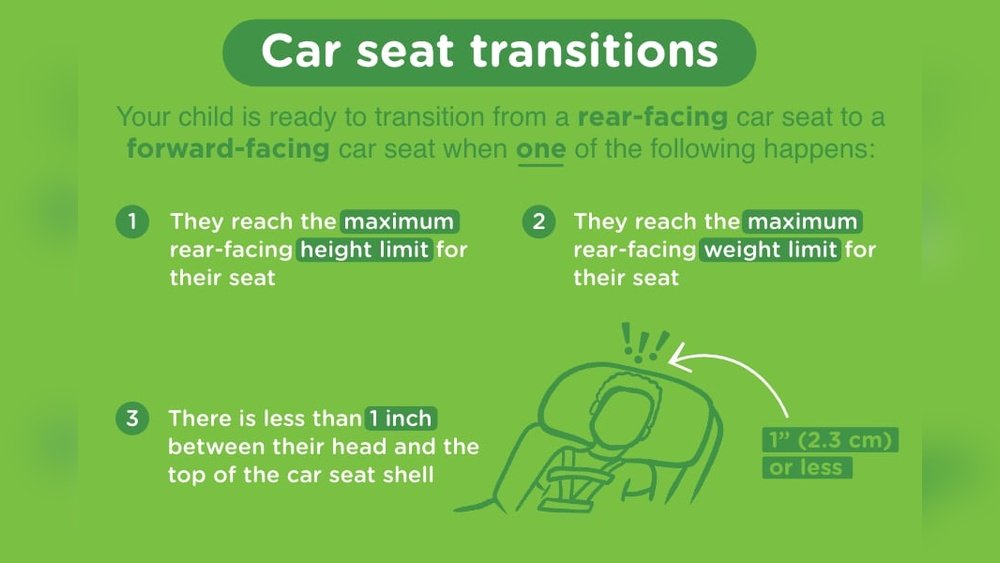
Check your child’s weight and height before switching seats. Most rear-facing seats have limits. These limits often range from 40 to 50 pounds.
Height is also important. Your child’s head should not be near the top of the seat. The seat’s manual will have exact numbers to follow.
Do not switch too early. Staying rear-facing longer protects your child’s head and neck. Wait until your child grows past the seat’s rear-facing limits.
Age Guidelines From Safety Experts
Experts recommend keeping children rear-facing until at least age 2. Some say even longer is better for safety. The American Academy of Pediatrics suggests this too.
Age is a helpful guide but not the only factor. Weight and height are just as important. Always check your car seat’s rules before switching.
Remember, safety rules may vary by country. Follow the rules where you live for the best protection.
Safety Risks Of Early Transition
Turning a car seat from rear-facing to forward-facing too soon can cause serious safety risks for your child. The rear-facing position protects a child’s head, neck, and spine better in a crash. Early transition puts these body parts at higher risk of injury. Understanding these dangers helps parents keep their children safe on the road.
Increased Injury Risks
Rear-facing seats spread crash forces over the child’s entire back. This reduces stress on the neck and spine. Forward-facing seats do not offer the same level of protection for young children. Changing too early exposes a child to greater risk of head and spinal injuries during a crash. Studies show children in forward-facing seats before the right age face more severe injuries. The safest choice is to keep the seat rear-facing as long as possible.
Common Mistakes Parents Make
Many parents switch to forward-facing seats once their child reaches the minimum weight or age limit. This limit is often the bare minimum and not the safest option. Some parents think bigger children need to face forward for comfort. Others believe their child wants to see out of the window more. These reasons do not outweigh safety concerns. Not following the car seat manual or local laws also leads to early transitions. Always check the seat’s guidelines and keep the seat rear-facing until your child outgrows it safely.
Choosing The Right Forward-facing Seat
Choosing the right forward-facing car seat is important for your child’s safety. After turning from rear-facing, the new seat must fit your child well. It should offer good support and protection for their growing body.
Safety features and ease of use matter too. The right seat keeps your child safe and makes travel easier for you.
Harness Types And Features
Look for a five-point harness. It secures your child at the shoulders, hips, and between the legs. This type spreads crash forces over the strongest parts of the body.
Adjustable harness heights help the seat grow with your child. Padded straps add comfort. Some seats have easy-to-use harness adjusters for quick fitting.
Check for side-impact protection. This helps protect your child’s head and chest in a crash. Removable covers are good for cleaning.
Installation Tips For Maximum Safety
Follow the car seat manual carefully. Use either the seat belt or the LATCH system, not both unless allowed.
Make sure the seat is tightly installed. It should not move more than an inch side to side or front to back.
Angle the seat correctly. The seat base should be flat or slightly reclined to keep your child safe and comfortable.
Double-check the harness fit. It should be snug with no slack. The chest clip must be at armpit level.
Legal Requirements And Recommendations
Knowing the legal rules and expert advice helps parents decide when to turn a car seat forward. The laws and guidelines aim to keep children safe during car rides. These rules vary by location and are based on child safety research. Following them ensures your child gets the best protection.
State And Country Laws
Each state and country sets its own car seat laws. Some require children to stay rear-facing until age two or more. Others have height or weight limits for rear-facing seats. Police may issue fines if rules are broken. Always check local laws before changing the seat direction. Laws often reflect the latest safety findings.
Expert Safety Organization Guidelines
Safety groups like the American Academy of Pediatrics give clear advice. They recommend keeping children rear-facing as long as possible. Usually, this means until at least age two or when the child reaches the seat’s limit. Rear-facing seats protect the head and neck better in crashes. Experts say forward-facing seats increase injury risk for young children.

Adjusting To The Forward-facing Seat
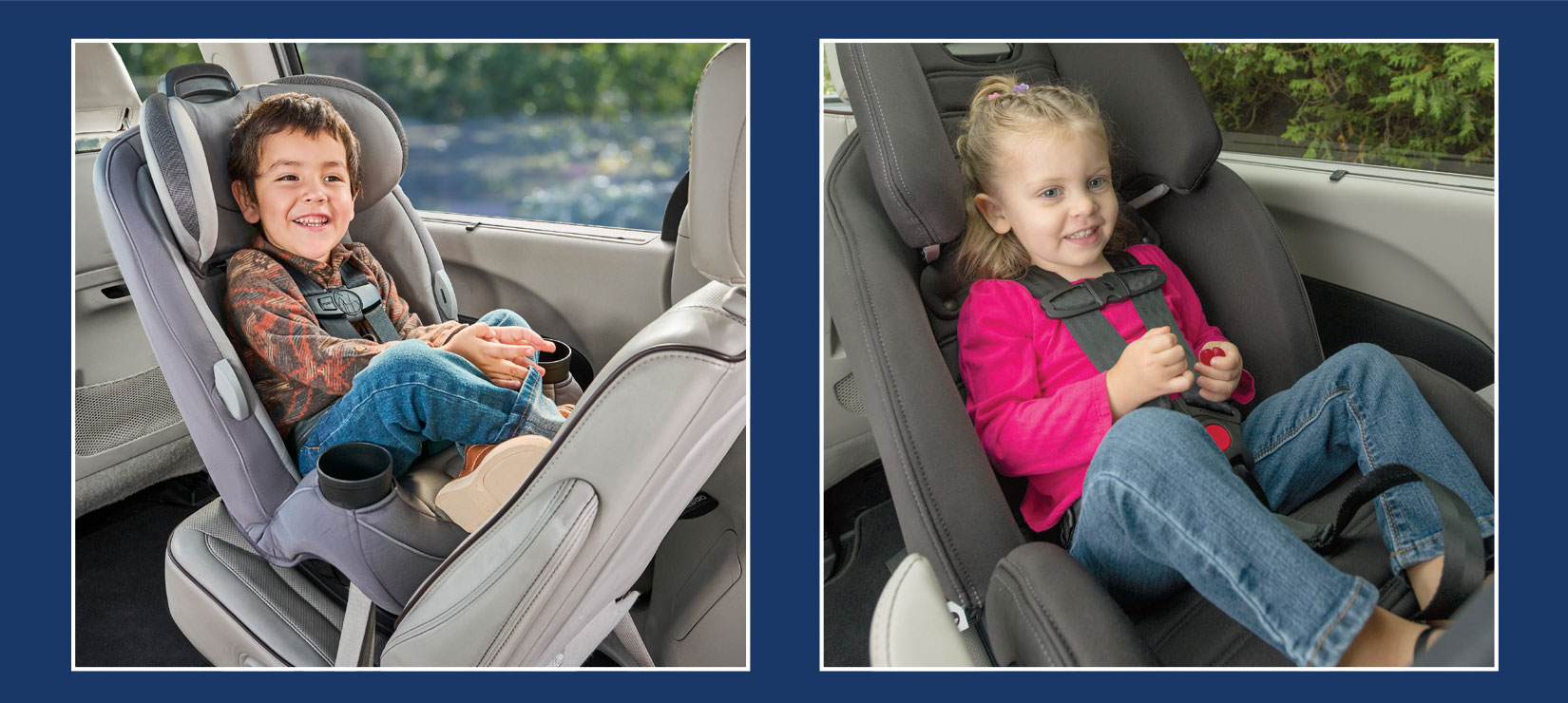
Switching your child from a rear-facing to a forward-facing car seat is a big step. It can feel strange for both of you at first. Your child needs time to get used to the new position. Comfort and safety come first during this change. Helping your child adjust smoothly makes rides safer and more pleasant.
Helping Your Child Feel Comfortable
Start by explaining the change in simple words. Tell your child why the seat is different now. Bring favorite toys or blankets to the car. These items offer comfort and familiarity. Let your child explore the seat before driving. Sitting in the seat while the car is still helps, too. Praise your child for sitting calmly and safely.
Ensuring Proper Fit And Positioning
Check the car seat manual for correct installation steps. The harness should fit snugly over your child’s shoulders. Make sure the chest clip is at armpit level. Adjust the seat height as your child grows. The seat should not move more than an inch side to side. Proper fit keeps your child secure and comfortable on every trip.
Common Questions From Parents
Many parents ask about the right time to change their child’s car seat from rear-facing to forward-facing. Safety rules and child growth guide this decision. Understanding these helps parents keep kids safe on the road.
Parents also want to know when to switch to booster seats. They often wonder how to deal with kids who don’t want to change seats. These common questions help parents feel more confident and prepared.
When To Move To Booster Seats
Booster seats come after forward-facing seats. Most children need a booster when they outgrow the forward-facing seat’s height or weight limit. Usually, this happens around age 4 to 7 years.
Booster seats help kids sit correctly with the car’s seat belt. The belt fits better over their shoulder and lap. This reduces injury risk in crashes. Parents should check the booster seat instructions for exact limits.
How To Handle Resistance From Kids
Kids often resist changing seats. They feel safe in their current seat or find new ones uncomfortable. Parents can explain why the change is important for safety.
Let kids choose a seat color or design. Making the switch fun helps. Praise them for sitting properly. Patience and clear rules make the process easier.
Frequently Asked Questions
When Is It Safe To Turn A Car Seat Forward-facing?
It is safe to turn a car seat forward-facing once your child meets the height and weight limits set by the car seat manufacturer. Most experts recommend keeping children rear-facing until at least age 2 for optimal safety.
What Are The Height And Weight Limits For Rear-facing Seats?
Rear-facing seats typically have height limits around 40 inches and weight limits up to 40 pounds. Always check your specific car seat’s manual to ensure your child remains within these limits before transitioning.
Why Keep Children Rear-facing As Long As Possible?
Rear-facing seats better protect a child’s head, neck, and spine during crashes. They reduce injury risk by distributing crash forces more evenly across the body compared to forward-facing seats.
Can Premature Transition To Forward-facing Increase Injury Risk?
Yes, turning a car seat forward-facing too early increases injury risk in accidents. Children’s bodies are not fully developed to handle forward-facing impacts, making rear-facing the safest position for longer.
Conclusion
Keep your child in a rear-facing seat as long as possible. This position offers the best protection during a crash. Check the car seat manual for height and weight limits. Once your child outgrows these limits, switch to a forward-facing seat.
Always follow safety guidelines to keep your child safe. Regularly inspect the car seat for proper installation. Safety matters most. Your careful attention makes a big difference.