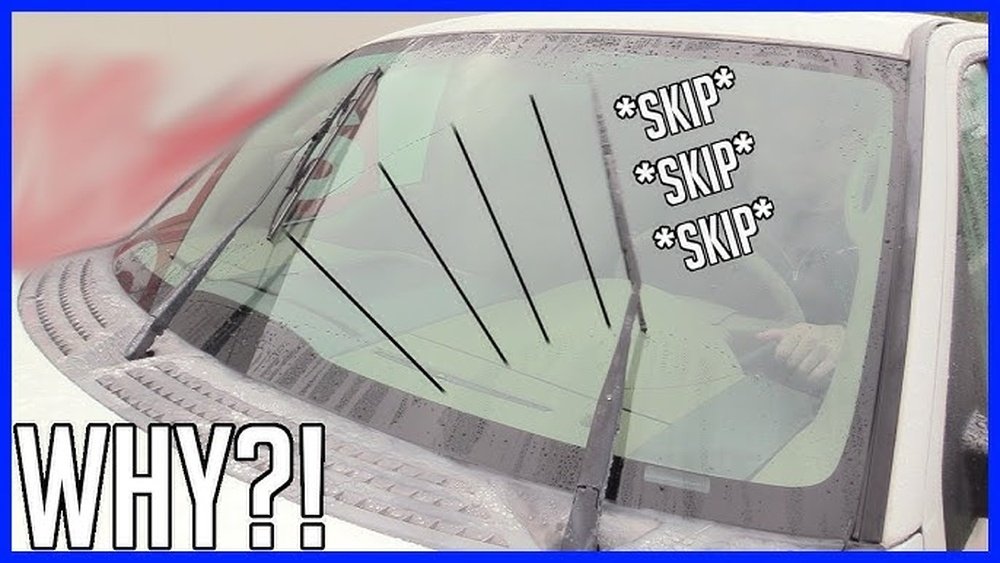
Have you ever been caught in the rain, only to find your wiper blades skipping across the windshield? It’s frustrating and can make driving unsafe.
You might wonder, “Why are my wiper blades skipping? ” The answer isn’t always obvious, but it’s important to know so you can fix the problem quickly. You’ll discover the common reasons behind skipping wiper blades and simple steps you can take to get a clear, streak-free view every time you drive.
Keep reading—your safety and comfort on the road depend on it.
Common Causes Of Skipping Wiper Blades
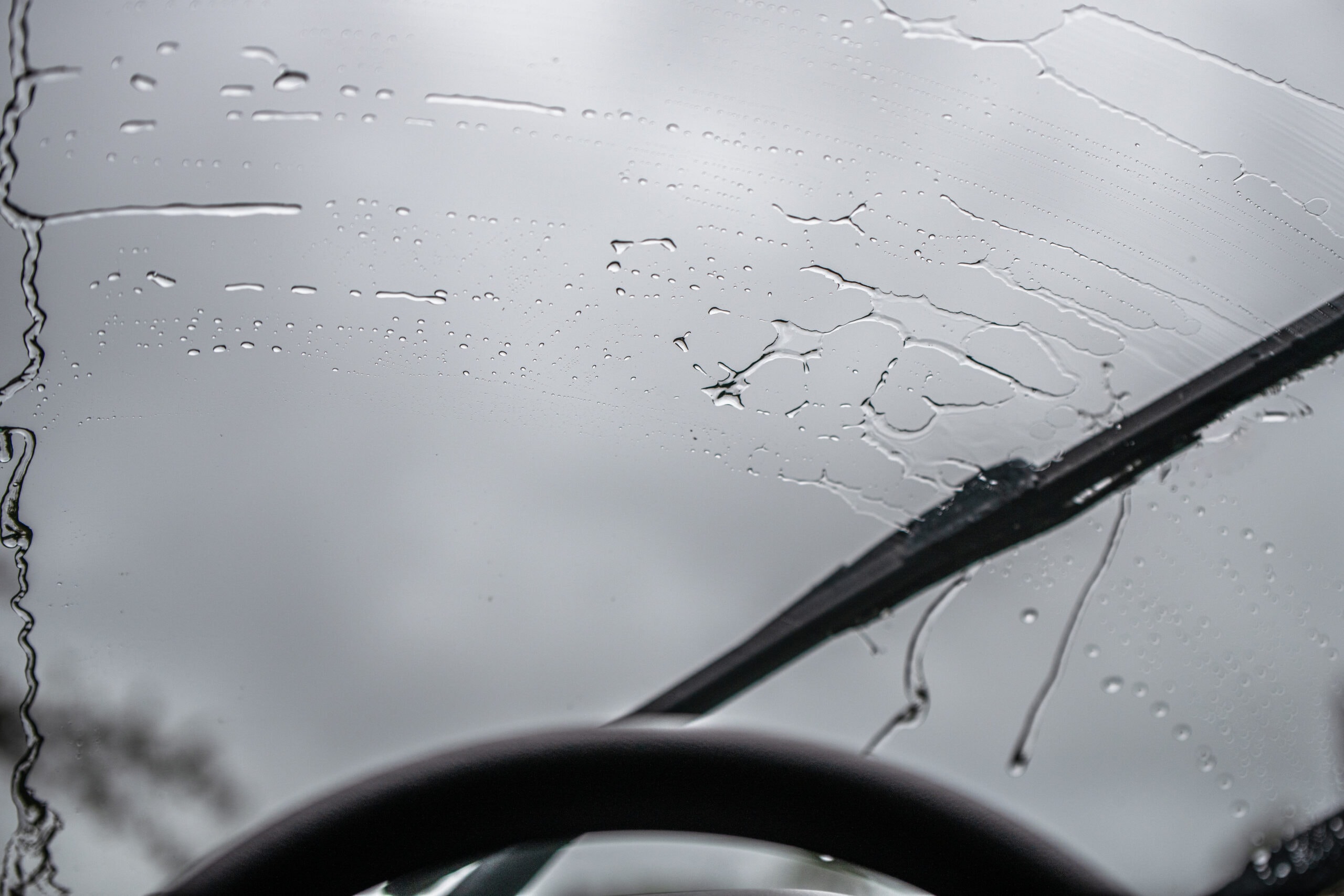
Wiper blades skipping across the windshield is a common problem. It makes driving unsafe and annoying. Understanding the causes helps fix the issue quickly. Several factors can lead to skipping wipers. These range from blade condition to weather effects.
Worn Or Damaged Blades
Old or cracked blades lose their grip. Rubber dries out and splits over time. This causes uneven contact with the glass. Worn blades skip and leave streaks behind.
Dirty Windshield Or Blades
Dust, dirt, and grime build up on both blades and windshield. This creates friction and prevents smooth wiping. Clean blades and glass help blades move properly.
Incorrect Blade Size
Using the wrong blade size causes poor contact. Blades too long or short do not fit well. This results in skipping and missing spots.
Damaged Wiper Arms
Bent or loose wiper arms affect blade pressure. Uneven force makes blades skip across the glass. Check arms for damage or weakness.
Improper Installation
Blades not installed correctly slip during use. Misaligned blades fail to sweep the windshield evenly. Proper installation ensures smooth blade movement.
Extreme Weather Conditions
Heat can warp blades and cold can harden rubber. Ice or snow buildup also causes skipping. Weather changes affect blade flexibility and performance.
Signs Your Wiper Blades Need Attention
Wiper blades are important for clear visibility during rain or snow. Noticing signs that your wiper blades need attention helps keep your windshield clean and safe. Watch for changes in how your blades work or look. These signs point to problems that need fixing or replacement.
Streaking And Smearing
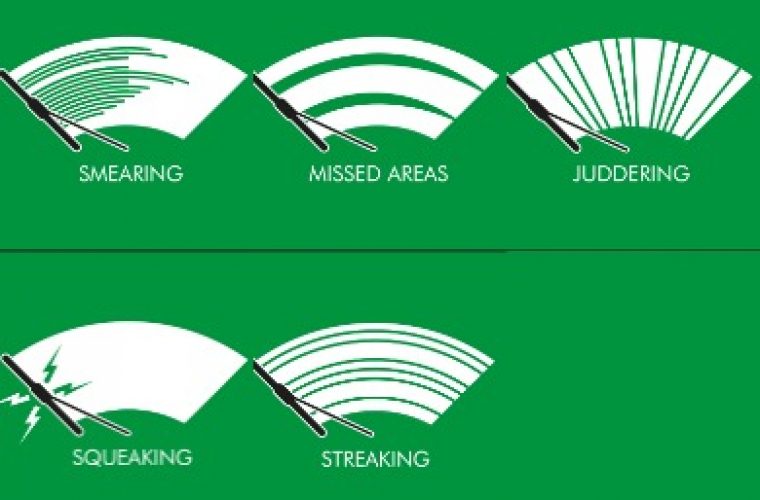
Wiper blades should wipe your windshield clean in one swipe. Streaks or smears show the blades are not working properly. Dirt, old rubber, or damage cause streaking. This reduces your view and can be dangerous.
Chattering Or Skipping Sounds
Listen for unusual sounds when your wipers move. Chattering or skipping noises mean the blades are not sliding smoothly. This happens when the rubber hardens or the blade bends. Noises warn that the blades need care.
Uneven Contact With Windshield
Blades must touch the windshield evenly from end to end. Uneven contact leaves spots uncleared. This happens if the frame bends or the rubber wears out. Check your blades for smooth and full contact.
Visible Cracks Or Tears
Look closely at the rubber edges of your wiper blades. Cracks, tears, or missing pieces mean the blades are damaged. Sun, cold, and use cause this wear. Damaged blades cannot clean properly and need replacing.
Quick Fixes For Skipping Wiper Blades
Skipping wiper blades can be annoying and dangerous. They reduce visibility and distract you while driving. Fixing them quickly can restore clear vision and safety. These quick fixes often solve the problem without much effort or cost.
Clean Blades And Windshield
Dirty blades or windshield cause skipping. Dirt, grime, and debris block smooth movement. Wipe blades with a damp cloth. Clean the windshield using glass cleaner. This removes buildup and helps blades glide smoothly.
Replace Worn Blades
Old blades lose flexibility and wear out. Cracked or stiff blades skip on glass. Change blades every six months or when damaged. New blades improve contact and stop skipping.
Adjust Wiper Arm Tension
Too loose or too tight wiper arms cause skipping. Check the arm’s pressure on the windshield. Adjust it gently for firm but not harsh contact. Proper tension keeps blades flat and prevents skipping.
Check And Correct Blade Size
Wrong blade size can cause poor wiping. Blades too long or short skip or miss spots. Verify the correct size for your vehicle. Replace blades with the right length for better contact.
Proper Installation Tips
Incorrect installation leads to skipping blades. Make sure blades snap into place securely. Follow the vehicle manual or instructions carefully. Proper fit keeps blades steady and effective.

Preventing Future Skipping Issues
Preventing wiper blade skipping helps keep your windshield clear and safe. Skipping blades reduce visibility and cause frustration. A few simple steps can stop skipping before it starts. These tips help your blades last longer and work better.
Regular Maintenance Routine
Check your wiper blades every two weeks. Clean the blades with a soft cloth and mild soap. Remove dirt and grime that cause skipping. Replace blades at the first sign of wear or damage. Regular checks stop small problems from growing.
Use Quality Replacement Blades
Choose blades made from durable materials. Cheap blades wear out fast and skip more. Quality blades fit well and wipe smoothly. Invest in good blades for better performance and safety. Proper fit prevents skipping and streaks.
Protect Blades From Sun Damage
Sunlight can dry out and crack rubber blades. Park your car in the shade when possible. Use a windshield cover to shield blades from heat. Keep blades flexible by avoiding long sun exposure. Healthy blades wipe clean without skipping.
Seasonal Blade Changes
Change blades with the seasons for best results. Winter blades resist ice and snow buildup. Summer blades handle heat and rain better. Switching blades ensures clear vision in all weather. Seasonal care reduces skipping and blade damage.
Frequently Asked Questions
Why Do My Wiper Blades Skip On The Windshield?
Wiper blades skip due to hardened rubber or dirt buildup. Skipping happens when blades lose flexibility or the windshield is dirty. Regular cleaning and timely replacement prevent skipping and improve visibility during rain.
How Often Should I Replace Skipping Wiper Blades?
Replace wiper blades every 6 to 12 months or when skipping starts. Worn blades lose contact with the glass, causing streaks and skipping. Timely replacement ensures clear vision and safe driving in wet conditions.
Can Dirty Windshields Cause Wiper Blade Skipping?
Yes, dirt and debris on the windshield cause skipping. They create uneven surfaces, making blades jump or skip. Regularly cleaning your windshield helps maintain smooth blade contact and better wiping performance.
Does Using The Wrong Wiper Blade Size Cause Skipping?
Using incorrect blade size can cause skipping and poor contact. Blades that are too long or short don’t fit well, leading to uneven wiping. Always choose the right size for your vehicle for optimal performance.
Conclusion
Wiper blades skip mostly due to dirt, wear, or poor fit. Clean your blades and windshield regularly for smooth wiping. Replace old or damaged blades to avoid streaks and noise. Check the blade angle and pressure to ensure proper contact.
Taking these simple steps keeps your view clear in rain or snow. Clear vision means safer driving for you and others. Don’t ignore skipping blades—they affect your safety on the road. Keep your wipers in good shape and drive with confidence.