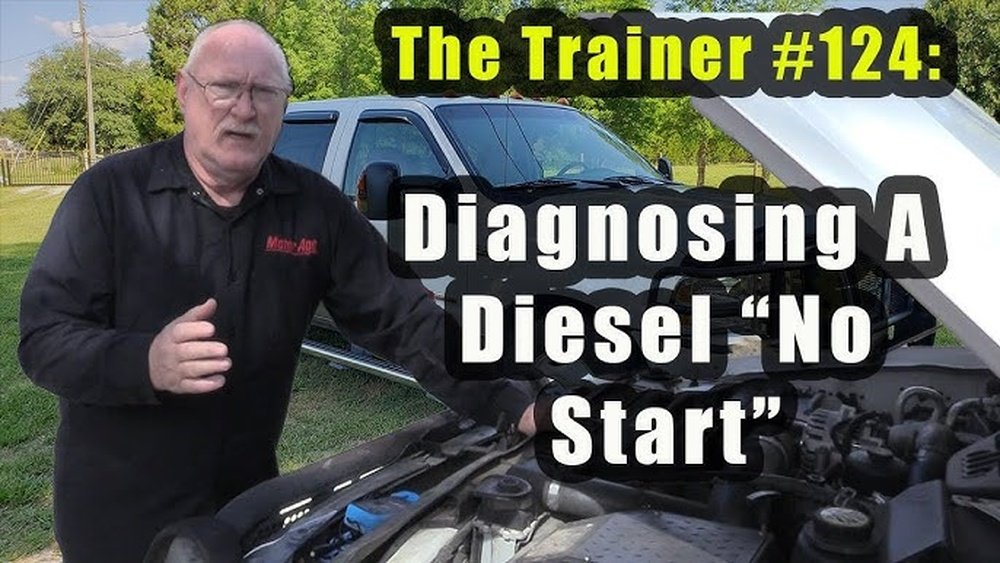
Have you ever faced the frustration of turning the key in your diesel engine, only to hear silence or a weak click instead of the powerful roar you expect? When your diesel engine won’t start, it can throw a wrench into your day and leave you wondering what went wrong.
Understanding the common reasons behind this problem can save you time, money, and stress. You’ll discover the main causes that stop your diesel engine from firing up and simple steps to get it running again. Keep reading—you’re just a few insights away from solving this puzzle and getting back on the road with confidence.
Common Causes
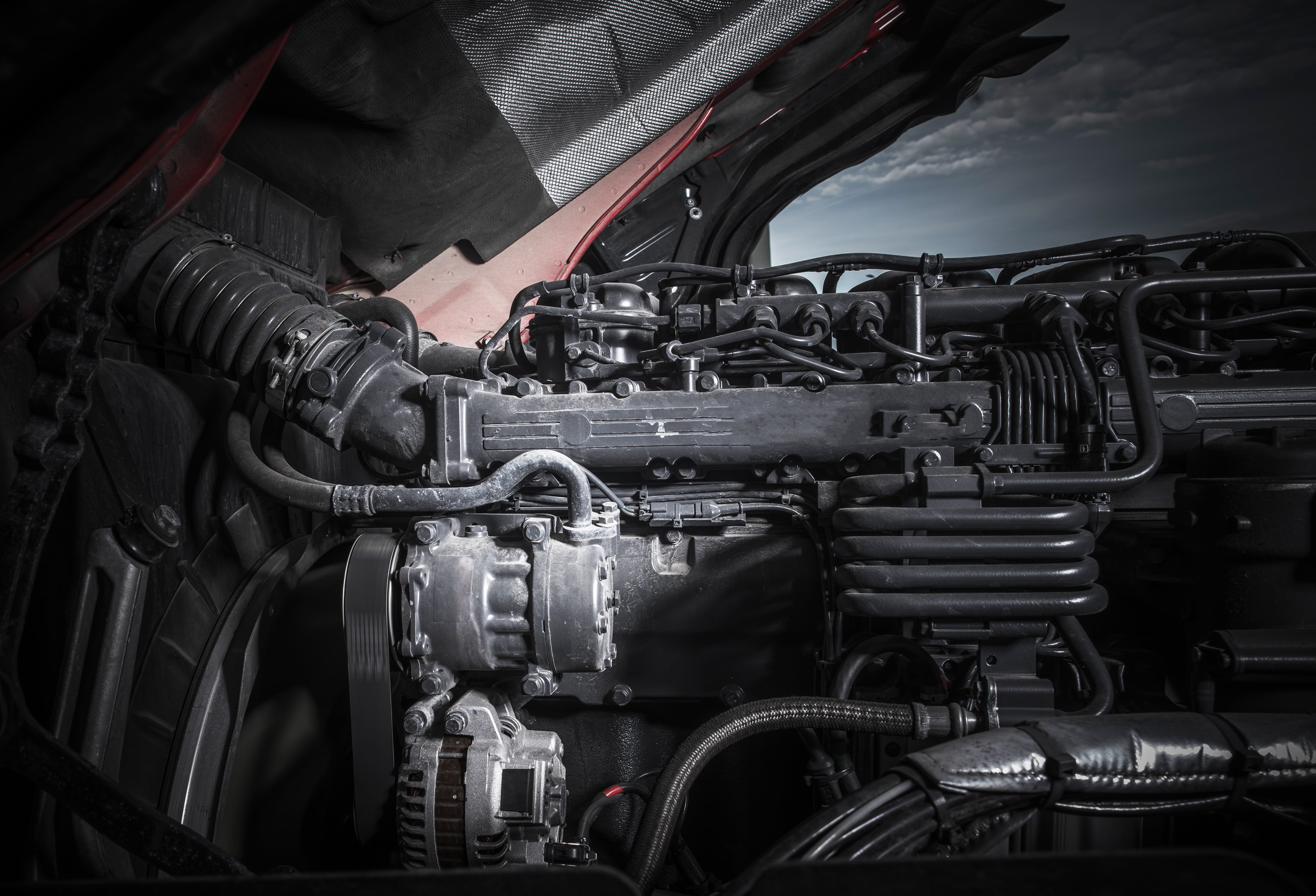
Diesel engines can fail to start for several common reasons. Understanding these helps in quick diagnosis and repair. Many problems come from key engine parts that affect starting power. Below are the most frequent causes of a diesel engine not starting.
Fuel System Issues
Diesel engines need clean fuel to run. Dirty or clogged fuel filters stop fuel flow. Air in the fuel lines also blocks fuel delivery. Fuel pump failure can prevent fuel from reaching the engine. Low fuel levels cause the engine to stall or not start.
Battery Problems
The battery provides power to start the engine. A weak or dead battery cannot turn the engine over. Loose or corroded battery connections reduce power. Cold weather can lower battery performance. Regular battery checks keep the engine ready to start.
Glow Plug Failures
Glow plugs heat the diesel fuel for easy ignition. Faulty or damaged glow plugs make cold starts hard. The engine may crank but not catch fire. Glow plug timers or relays can also fail. Testing glow plugs helps find starting problems.
Starter Motor Faults
The starter motor turns the engine to start it. A broken starter motor will not spin the engine. Faulty solenoids or wiring cause starter failures. Clicking sounds often mean starter motor issues. Fixing or replacing the starter motor restores starting power.
Air Intake Blockages
Engines need clean air to burn fuel. Blocked air filters reduce airflow to the engine. Dirt or debris in the intake stops air from entering. Poor air supply causes the engine to stall or not start. Checking and replacing air filters prevents this issue.
Engine Compression Loss
Diesel engines rely on high compression to ignite fuel. Low compression means weak or no combustion. Worn piston rings or valves cause compression loss. Cylinder head gasket leaks also reduce compression. Compression tests help find this hidden problem.

Diagnosing The Problem
Diagnosing why a diesel engine won’t start requires a step-by-step check of several key components. Each part plays a vital role in getting the engine running. Skipping any step may lead to wrong guesses and wasted time. Following a clear process helps find the real cause fast.
Checking Fuel Supply
Fuel is the heart of any diesel engine. Start by making sure there is enough diesel in the tank. Next, check the fuel lines for leaks or blockages. Air trapped in fuel lines can stop the engine from starting. Bleed the lines if you see air bubbles or hear sputtering sounds.
Testing The Battery
The battery provides power to start the engine. A weak or dead battery can cause starting problems. Use a voltmeter to test the battery voltage. It should read around 12.6 volts when fully charged. Clean battery terminals and ensure tight connections to avoid power loss.
Inspecting Glow Plugs
Glow plugs help warm the engine for easier starting. Faulty glow plugs make cold starts difficult. Remove each glow plug and test its resistance with a multimeter. Replace any glow plug that shows no continuity or very high resistance.
Examining The Starter Motor
The starter motor turns the engine over to start it. Listen for clicking sounds when turning the key. A clicking noise with no engine movement may mean a bad starter motor. Check the wiring and connections to the starter for corrosion or damage.
Assessing Air Filters
Clean air is essential for combustion. A dirty air filter can block airflow and prevent starting. Remove the air filter and inspect it for dirt or debris. Replace the filter if it looks clogged or damaged. Proper airflow helps the engine ignite fuel properly.
Measuring Engine Compression
Compression is crucial for diesel engines to start. Low compression means the engine cannot ignite fuel effectively. Use a compression tester on each cylinder. Compare the readings to the manufacturer’s specifications. Low compression may indicate worn piston rings or valves.
Quick Fixes
Diesel engines may fail to start for several reasons. Quick fixes can help get your engine running without much delay. These simple steps often solve common problems. Let’s explore some easy solutions.
Refilling Or Replacing Fuel
Check the fuel tank first. Running out of diesel is a common issue. Sometimes, old or contaminated fuel causes starting problems. Drain old fuel and refill with fresh diesel. This small step can save time and money.
Jump-starting Or Replacing Battery
A weak or dead battery stops the engine from cranking. Try jump-starting the battery to see if it works. If the battery won’t hold charge, replace it. A strong battery is essential for diesel engines.
Cleaning Or Replacing Glow Plugs
Glow plugs help the engine start in cold weather. Dirty or faulty glow plugs cause hard starting. Remove the glow plugs and clean them carefully. Replace any plugs that are broken or worn out. This improves starting power.
Repairing Starter Motor
The starter motor turns the engine over. If it fails, the engine won’t start. Listen for clicking sounds when you turn the key. No sound means the starter may be faulty. Repair or replace the starter motor to fix this.
Clearing Air Intake
Blocked air filters reduce airflow to the engine. This makes starting difficult. Check the air filter and clean or replace it if dirty. Clean air helps the engine ignite the fuel properly.
Addressing Compression Issues
Diesel engines need high compression to start. Low compression can cause failure to start. Common causes include worn piston rings or valves. Have a mechanic check the compression and fix any problems found.
Preventive Tips
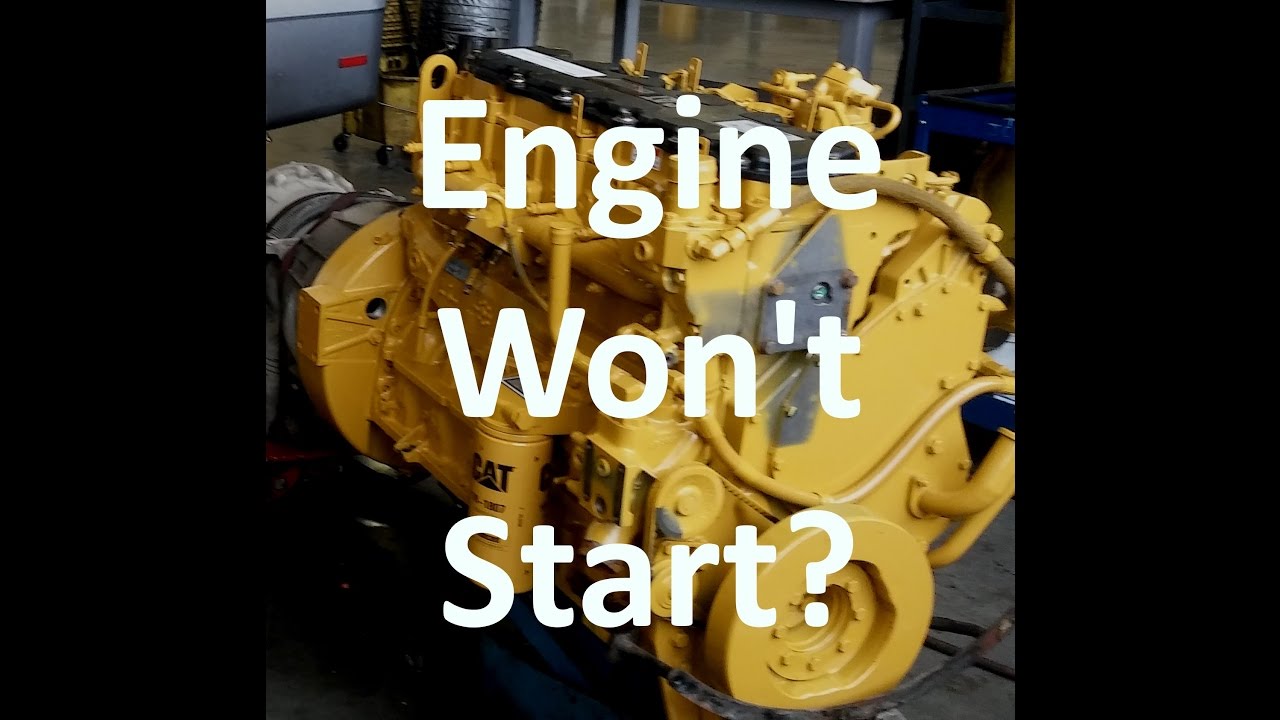
Preventing a diesel engine from failing to start saves time and money. Simple care steps keep your engine healthy. These tips help avoid common problems that stop your diesel engine from running.
Following a few easy rules can keep your diesel engine ready to start every time. Regular checks and simple actions make a big difference.
Regular Maintenance Schedule
Stick to the maintenance plan in your owner’s manual. Change oil and filters on time. Regular tune-ups keep parts working well. This prevents wear that can cause starting issues.
Using Quality Fuel
Use clean, high-quality diesel fuel. Poor fuel clogs injectors and filters. It also causes engine knocking and hard starts. Always buy fuel from trusted stations.
Battery Care
Check your battery regularly. Clean battery terminals and keep connections tight. Replace weak batteries before they fail. A strong battery ensures quick engine cranking.
Glow Plug Checks
Test glow plugs often, especially in cold weather. Faulty glow plugs make starting difficult. Replace worn plugs to help the engine warm up fast.
Air Filter Replacement
Change air filters on schedule. Dirty filters reduce airflow to the engine. This causes poor combustion and starting problems. Clean air supports smooth engine running.
Routine Engine Inspections
Look over the engine regularly for leaks or damage. Check hoses, belts, and fuel lines. Fix small issues early to avoid bigger starting troubles.
Frequently Asked Questions
Why Won’t My Diesel Engine Start In Cold Weather?
Cold weather thickens diesel fuel and oil, making it hard to ignite. Glow plugs help warm the engine for easier starting. Use winter-grade diesel fuel and keep the battery fully charged to improve cold starts.
How Does A Faulty Fuel Pump Affect Diesel Starting?
A faulty fuel pump can’t deliver fuel efficiently to the engine. This causes low fuel pressure, leading to difficult or no starts. Replacing or repairing the pump usually solves the problem quickly.
Can A Dead Battery Cause A Diesel Engine Not To Start?
Yes, diesel engines need a strong battery to power the starter and glow plugs. A dead or weak battery prevents proper cranking, resulting in no start. Always check battery health before troubleshooting further.
Why Is Air In The Fuel Line A Problem For Diesel Engines?
Air in the fuel line disrupts fuel flow to the engine. It causes hard starts or engine stalling. Bleeding the fuel system removes air and restores proper fuel delivery for smooth starting.
Conclusion
Diesel engines can fail to start for many reasons. Fuel issues, battery problems, or clogged filters often cause trouble. Regular checks help spot these problems early. Keeping parts clean and fuel fresh improves engine health. Quick action saves time and money.
Knowing common causes helps you fix issues faster. Don’t ignore warning signs or strange noises. Taking care of your diesel engine keeps it running strong. Simple steps prevent most starting problems. Stay alert, stay safe, and keep your engine ready.


