Have you ever noticed your car’s engine smoking or the oil level dropping faster than usual? If so, you might be dealing with an engine that’s burning oil.
This can be frustrating and confusing, especially if you’re not sure why it’s happening or what it means for your vehicle. Understanding why your engine burns oil is important—it can save you from costly repairs and keep your car running smoothly.
You’ll discover the main reasons behind this issue and learn how to spot the warning signs early. Keep reading to find out what’s going on under your hood and how you can protect your engine.
Signs Of Oil Burning
Oil burning in an engine is a serious issue. It can cause damage and reduce engine life. Recognizing the signs early helps prevent costly repairs. Here are some clear signs your engine might be burning oil.
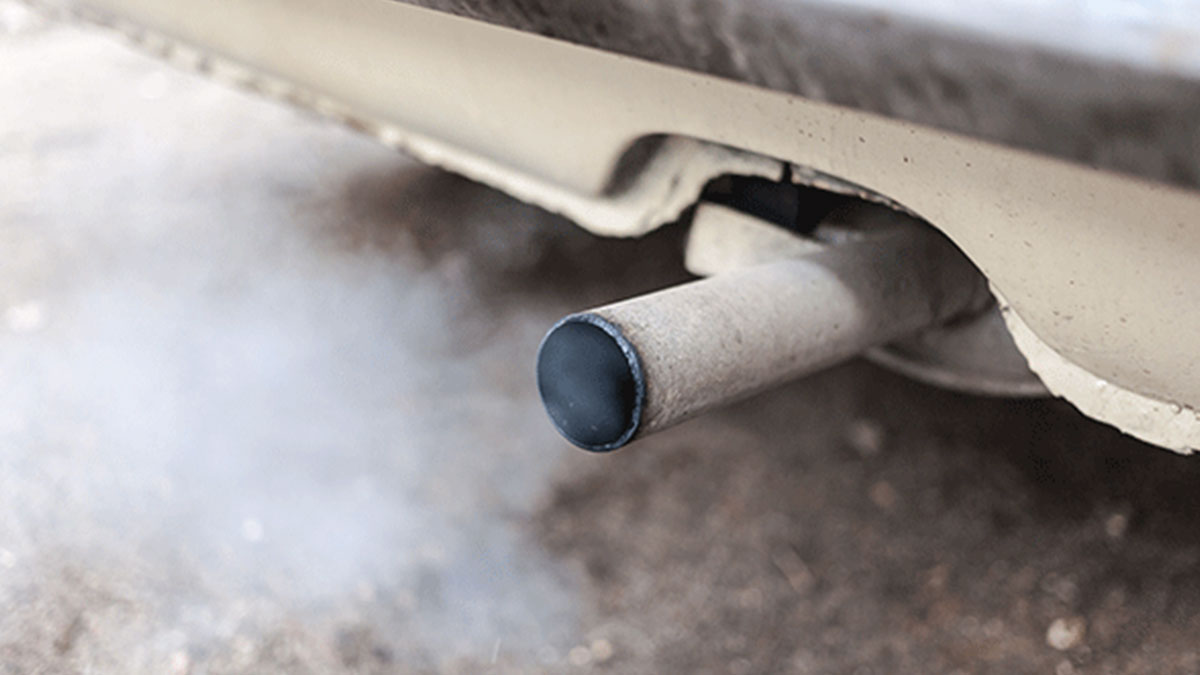
Blue Smoke From Exhaust
Blue smoke coming from the exhaust is a common sign. It shows oil is entering the combustion chamber. This smoke appears mostly when the engine is cold or accelerating. Regular white or black smoke is different from blue smoke.
Decreased Engine Performance
Oil burning can reduce engine power. The engine may run rough or hesitate during acceleration. You might notice slower response or less power on hills. This happens because oil affects combustion inside the engine.
Increased Oil Consumption
Needing to add oil often is a red flag. If oil levels drop quickly without leaks, the engine may be burning oil. Check oil level regularly to spot fast drops. This helps catch the problem early.
Oil Fouled Spark Plugs
Spark plugs coated with oil show a burning oil problem. Oil fouling causes misfires and rough running. Inspect spark plugs if your engine runs poorly. Clean or replace plugs to restore smooth engine function.
Common Causes Of Oil Burning
Engines burn oil for several reasons. Knowing common causes helps you spot problems early. This keeps your car running smoothly and avoids costly repairs.
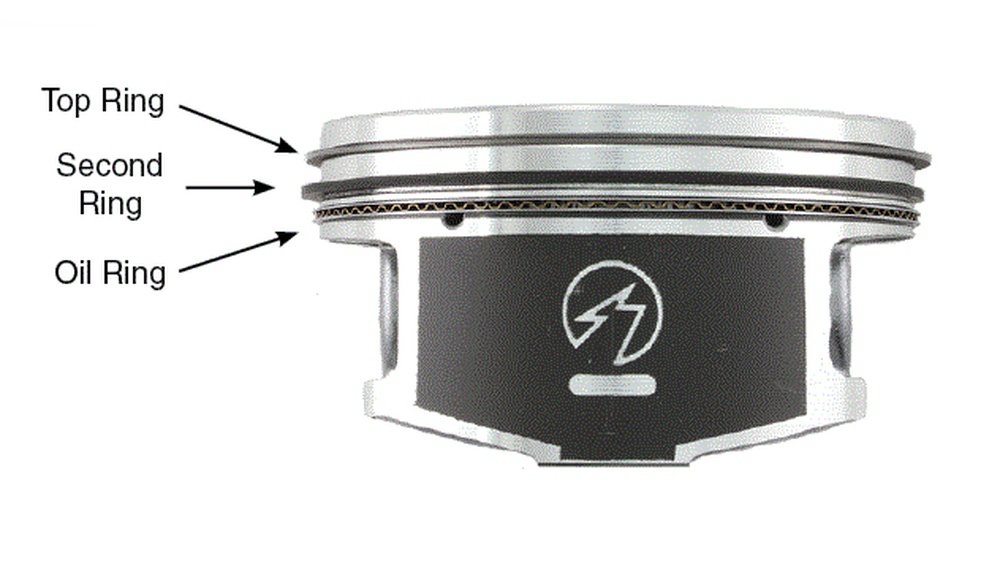
Worn Piston Rings
Piston rings seal the space between pistons and cylinder walls. If they wear out, oil leaks into the combustion chamber. Burning oil causes blue smoke from the exhaust and lowers engine power.
Damaged Valve Seals
Valve seals stop oil from entering the engine’s cylinders. When these seals break, oil slips into the combustion area. This oil burns along with fuel, creating smoke and foul smells.
Clogged Pcv Valve
The PCV valve controls pressure in the engine. If clogged, pressure rises and forces oil into the intake. This causes oil to burn and leads to rough engine performance.
Leaking Head Gasket
A head gasket seals the engine block and cylinder head. A leak lets oil mix with coolant or enter cylinders. Burning oil and overheating often follow this problem.
Cylinder Wall Damage
Scratches or grooves on cylinder walls reduce piston ring effectiveness. Oil can seep past the rings and burn inside the engine. This causes power loss and excessive smoke.
Diagnosing Oil Burning Issues
Diagnosing oil burning issues helps find the root cause of engine problems. Oil burning can cause smoke, loss of power, and engine damage. Early diagnosis saves time and money by fixing the problem quickly. Several tests and inspections reveal why an engine burns oil.
Compression Test
A compression test measures the pressure inside engine cylinders. Low compression means worn piston rings or valve problems. This test helps identify if the engine’s internal parts leak oil. It uses a pressure gauge and takes just a few minutes.
Leak-down Test
The leak-down test checks how much air escapes from the cylinders. It finds leaks around valves, rings, or head gaskets. This test is more detailed than a compression test. Mechanics use it to pinpoint exact areas causing oil burning.
Inspecting Spark Plugs
Checking spark plugs reveals oil presence inside the combustion chamber. Oil fouling makes spark plugs dirty or blackened. This indicates oil leaks into the cylinder. Examining plugs helps diagnose worn rings or valve seals causing oil burning.
Checking Pcv Valve Function
The PCV valve controls engine crankcase gases and oil vapor. A clogged or broken valve causes pressure build-up and oil leaks. Testing the PCV valve ensures it works correctly. Fixing it can stop oil from burning in many cases.
Fixes For Oil Burning Problems
Fixing oil burning problems in an engine is crucial for better performance. Ignoring these issues can cause serious damage. Several repairs can stop oil from burning and save your engine. Here are common fixes that mechanics use to solve oil burning problems.
Replacing Piston Rings
Piston rings seal the gap between the piston and cylinder wall. Worn rings let oil slip into the combustion chamber. Replacing old rings stops oil from burning. This repair improves engine compression and reduces smoke.
Changing Valve Seals
Valve seals stop oil from leaking into the engine cylinders. Over time, seals get hard and crack. Changing valve seals prevents oil from entering the combustion area. This fix lowers blue smoke from the exhaust.
Cleaning Or Replacing Pcv Valve
The PCV valve controls pressure in the crankcase. A clogged valve causes oil to burn inside the engine. Cleaning or replacing the PCV valve restores proper pressure. This repair helps reduce oil consumption and smoke.
Repairing Head Gasket
A damaged head gasket can leak oil into the engine cylinders. Repairing or replacing the gasket stops oil leakage. This fix improves engine sealing and stops oil burning. It also prevents overheating and engine damage.
Engine Rebuild Options
Severe oil burning may require an engine rebuild. This involves replacing worn parts like pistons, rings, and seals. Rebuilding restores engine health and performance. It can extend the life of an old engine.
Preventing Oil Burning
Preventing engine oil burning helps keep your car running smoothly. Oil burning can cause serious engine damage. Taking simple steps stops oil from burning too fast. These steps also save money on repairs. Pay attention to your car’s oil and engine health to avoid problems.
Regular Oil Changes
Change your engine oil regularly. Old oil loses its ability to protect the engine. Fresh oil lubricates parts well and reduces wear. Follow the manufacturer’s schedule for oil changes. This keeps the engine clean and running cool.
Using Quality Engine Oil
Choose good quality engine oil. Cheap or wrong oil can cause burning. Use oil that fits your car’s needs. High-quality oil protects engine parts better. It also resists breaking down at high temperatures.
Timely Maintenance
Keep up with engine maintenance. Check seals, gaskets, and valve guides often. Fix leaks or worn parts early. Timely repairs stop oil from entering the combustion chamber. Good maintenance lowers the risk of oil burning.
Avoiding Overheating
Prevent your engine from overheating. Too much heat damages oil and engine parts. Check coolant levels and radiator condition regularly. Keep the cooling system working well. A cool engine helps oil last longer.
Monitoring Engine Performance
Watch for signs of oil burning. Look for blue smoke from the exhaust. Notice if oil levels drop quickly. Strange engine noises can also signal problems. Early detection helps fix issues before they worsen.
Frequently Asked Questions
Why Does My Engine Burn Oil Quickly?
An engine burns oil quickly due to worn piston rings or valve seals. This allows oil to enter the combustion chamber and burn. Regular oil checks and timely repairs help prevent excessive oil consumption and engine damage.
How Does Burning Oil Affect Engine Performance?
Burning oil reduces engine efficiency and increases emissions. It can cause spark plug fouling and loss of power. Addressing oil burning early maintains engine health and ensures optimal performance and fuel economy.
What Causes Blue Smoke From Engine Exhaust?
Blue smoke indicates oil burning inside the engine. Common causes include worn valve seals, piston rings, or turbocharger issues. This smoke signals oil leakage into the combustion chamber, needing prompt inspection and repair.
Can Low Oil Levels Cause Engine To Burn Oil?
Low oil levels typically result from burning oil or leaks. While low oil itself doesn’t cause burning, it worsens engine wear and overheating. Regularly check and top up oil to maintain proper engine lubrication.
Conclusion
An engine burning oil needs quick attention. Ignoring this can cause serious damage. Worn seals, rings, or gaskets often cause the problem. Regular oil checks help catch issues early. Fixing leaks and replacing parts stops oil loss. Keep your engine healthy to save money and time.
Understanding why oil burns protects your vehicle’s life. Take action soon to avoid costly repairs. Your car will run smoother and last longer. Simple care keeps your engine strong and efficient.


