Have you ever turned up your car stereo only to hear crackling, buzzing, or unclear sound? It’s frustrating when your favorite songs don’t sound right while you’re driving.
You might wonder, “Why is my car stereo sound distorted? ” Understanding the reasons behind this problem can help you fix it and enjoy clear, crisp music again. Keep reading, because uncovering these simple causes could transform your driving experience and bring back the joy of great sound on the road.

Common Causes Of Distorted Car Stereo Sound
Distorted sound from a car stereo can spoil any drive. Many factors cause this problem. Understanding common causes helps fix the issue fast. Below are the main reasons for distorted car stereo sound.
Speaker Damage
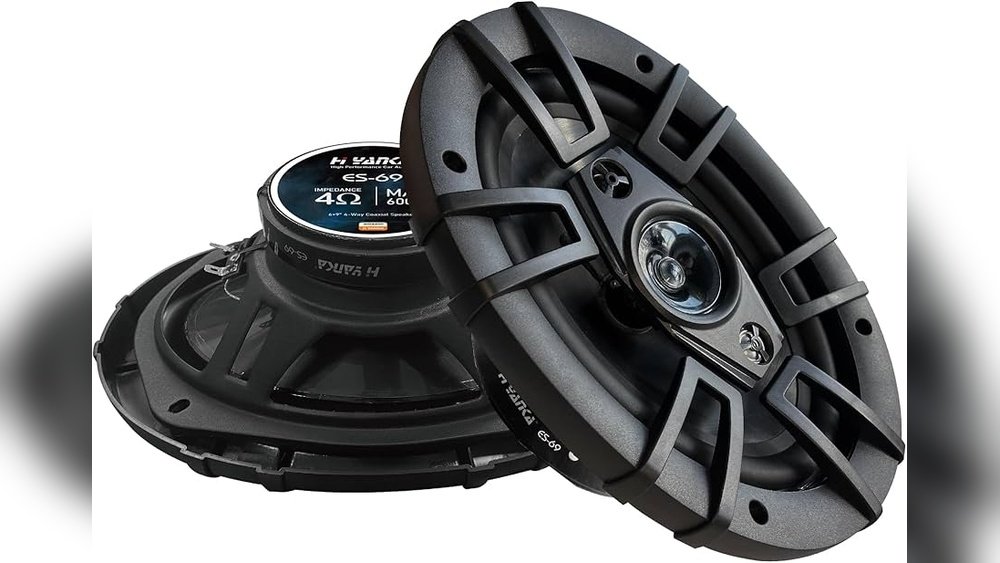
Speakers wear out over time. The cones can tear or break. Damaged speakers cannot produce clear sound. They create crackling or buzzing noises. Replacing broken speakers often solves distortion issues.
Amplifier Issues
The amplifier boosts sound signals. Faulty amplifiers cause weak or distorted sound. Overheating or electrical problems affect performance. Checking amplifier settings and condition is important.
Poor Wiring Connections
Loose or corroded wires disrupt sound signals. Bad connections cause static and distortion. Inspecting and securing all wires ensures better sound quality. Clean contacts help maintain clear audio.
Incorrect Audio Settings
Wrong settings can distort sound. Too much bass or treble causes fuzziness. Adjusting equalizer and volume levels improves clarity. Keep settings balanced for the best sound.
Low-quality Audio Files
Cheap or compressed files lose sound quality. Poor files play with crackles and noise. Use high-quality audio formats for clear music. Better files make a big difference in sound.

Troubleshooting Distorted Sound
Distorted sound in a car stereo can ruin your driving experience. Finding the cause helps fix the problem fast. Troubleshooting involves checking different parts of the sound system. This guide covers key steps to find and fix distortion issues.
Inspecting The Speakers
Speakers often cause distorted sound. Look for damage like tears or holes in the speaker cones. Press gently on the cone to check for stiffness or rattling. Damaged speakers need repair or replacement for clear sound.
Checking Amplifier Functionality
The amplifier powers the speakers. If it is faulty, sound may distort. Listen for unusual noises or crackling from the amplifier. Ensure it is not overheating. Test with another amplifier to confirm if it works properly.
Testing Wiring And Connections
Loose or damaged wires cause poor sound quality. Inspect all cables for cuts or frays. Tighten any loose connections at the speakers, amplifier, and head unit. Replace wires that look worn or broken. Good wiring keeps sound clear.
Adjusting Equalizer And Volume Levels
Incorrect settings can distort sound. Lower the volume and see if distortion stops. Adjust the equalizer to balance bass, mid, and treble. Avoid boosting any frequency too much. Proper settings improve sound without distortion.
Simple Fixes To Improve Sound Quality
Distorted car stereo sound can spoil your driving experience. Simple fixes can improve sound quality quickly. These easy steps help clear up distortion and give better audio. You do not need special tools or skills to try them.
Replacing Damaged Speakers
Old or broken speakers cause bad sound. Replace damaged speakers with new ones for clear audio. Check for cracks or tears in speaker cones. New speakers restore full sound and reduce distortion.
Rewiring Loose Connections
Loose or faulty wires affect sound quality. Inspect speaker wires and connections carefully. Tighten loose wires or replace damaged cables. Secure wiring stops crackling and buzzing noises.
Upgrading Audio Components
Basic car stereos may not deliver good sound. Upgrade parts like amplifiers or head units for better clarity. Modern components handle sound signals more cleanly. This reduces distortion and improves volume control.
Using High-quality Music Files
Low-quality music files often sound distorted. Choose high-quality or lossless audio formats for playback. Better files bring richer sound and fewer digital errors. This simple change improves listening enjoyment instantly.

Preventing Future Sound Distortion
Preventing future sound distortion in your car stereo helps keep the music clear and enjoyable. Simple steps can protect your system from damage and maintain sound quality over time.
Focus on care and smart choices. This keeps your stereo working well and avoids frustrating noise problems.
Regular Maintenance Tips
Clean your speakers and wiring often. Dirt and dust can harm sound quality. Check connections to avoid loose wires. Replace worn parts quickly. Regular care stops small problems from growing.
Choosing The Right Audio Equipment
Pick speakers and amplifiers that match your car. Use quality brands known for clear sound. Avoid cheap gear that may cause distortion. Proper equipment fits your system and handles power well.
Avoiding Overdriving The System
Keep volume at safe levels. Pushing your stereo too hard causes distortion and damage. Use the gain control properly. Overdriving strains speakers and amps, reducing their life. Play music within your system’s limits.
Frequently Asked Questions
Why Is My Car Stereo Sound Distorted?
Car stereo distortion often occurs due to speaker damage, poor wiring, or incorrect audio settings. It can also result from overdriving the amplifier or using low-quality audio files. Check connections and adjust settings to reduce distortion for clearer sound.
Can Speaker Damage Cause Distorted Car Stereo Sound?
Yes, damaged or blown speakers cause distortion by failing to reproduce sound accurately. Speaker cones or coils may be torn or burnt, leading to crackling or muffled audio. Replacing faulty speakers usually restores clear sound quality.
How Does Amplifier Overdrive Affect Car Stereo Sound?
Overdriving an amplifier pushes it beyond its limits, causing clipping and distortion. This damages speakers and degrades sound quality. Adjust volume and gain settings properly to avoid amplifier distortion and protect your audio system.
Does Poor Wiring Lead To Distorted Car Audio?
Poor or loose wiring can cause interference and sound distortion. Faulty connections increase resistance and degrade signal quality. Inspect and secure all wiring to ensure stable audio signals and reduce distortion.
Conclusion
Distorted car stereo sound can frustrate any driver. Common causes include poor wiring, bad speakers, or wrong settings. Fixing these issues improves your listening experience greatly. Regular checks keep your system clear and sharp. Remember, clear sound makes driving more enjoyable.
Take small steps to diagnose and fix distortion today. Your ears will thank you for it.